
America Is Hard to See
May 1–Sept 27, 2015
America Is Hard to See
Exhibition works
23 total
Scotch Tape
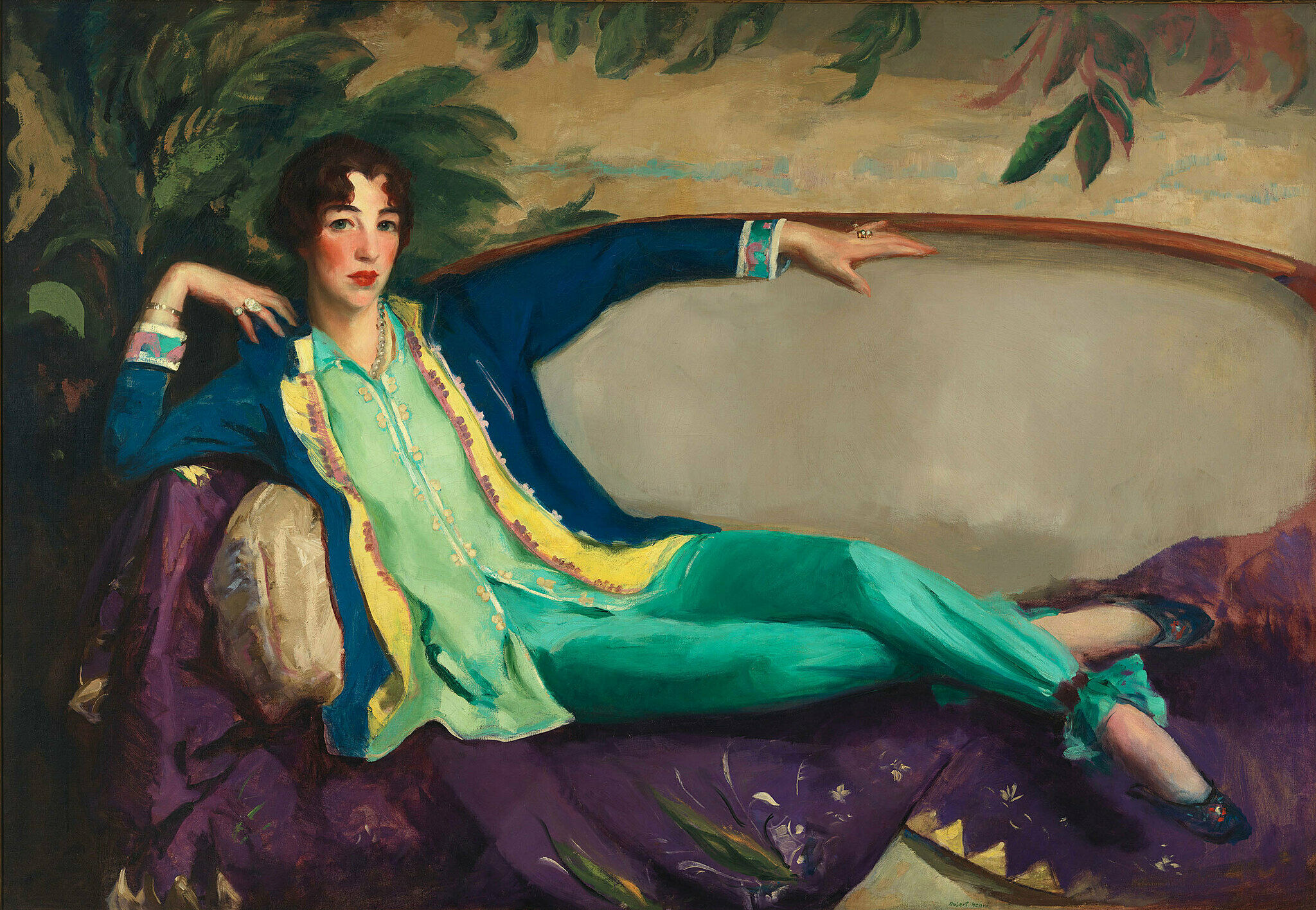
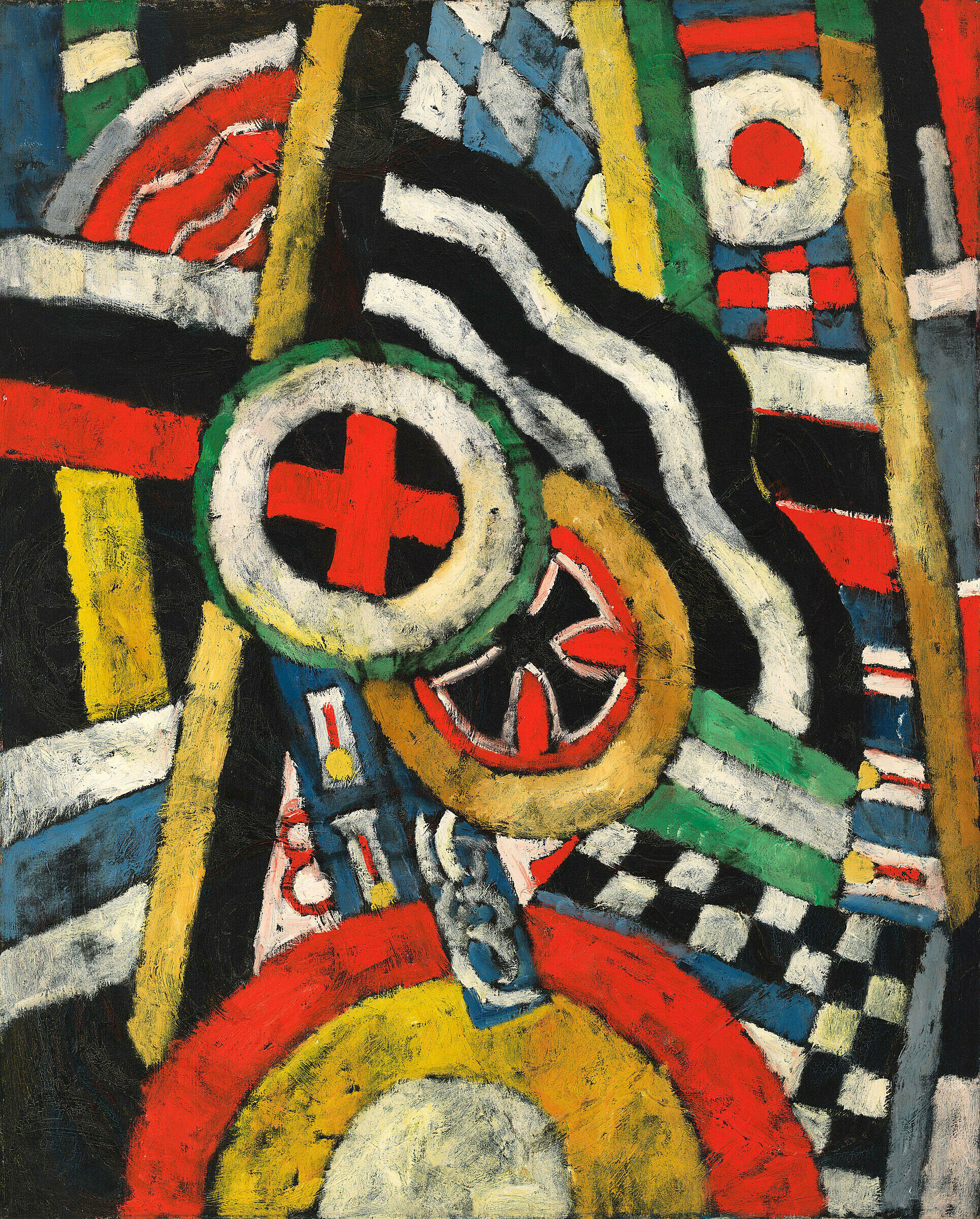
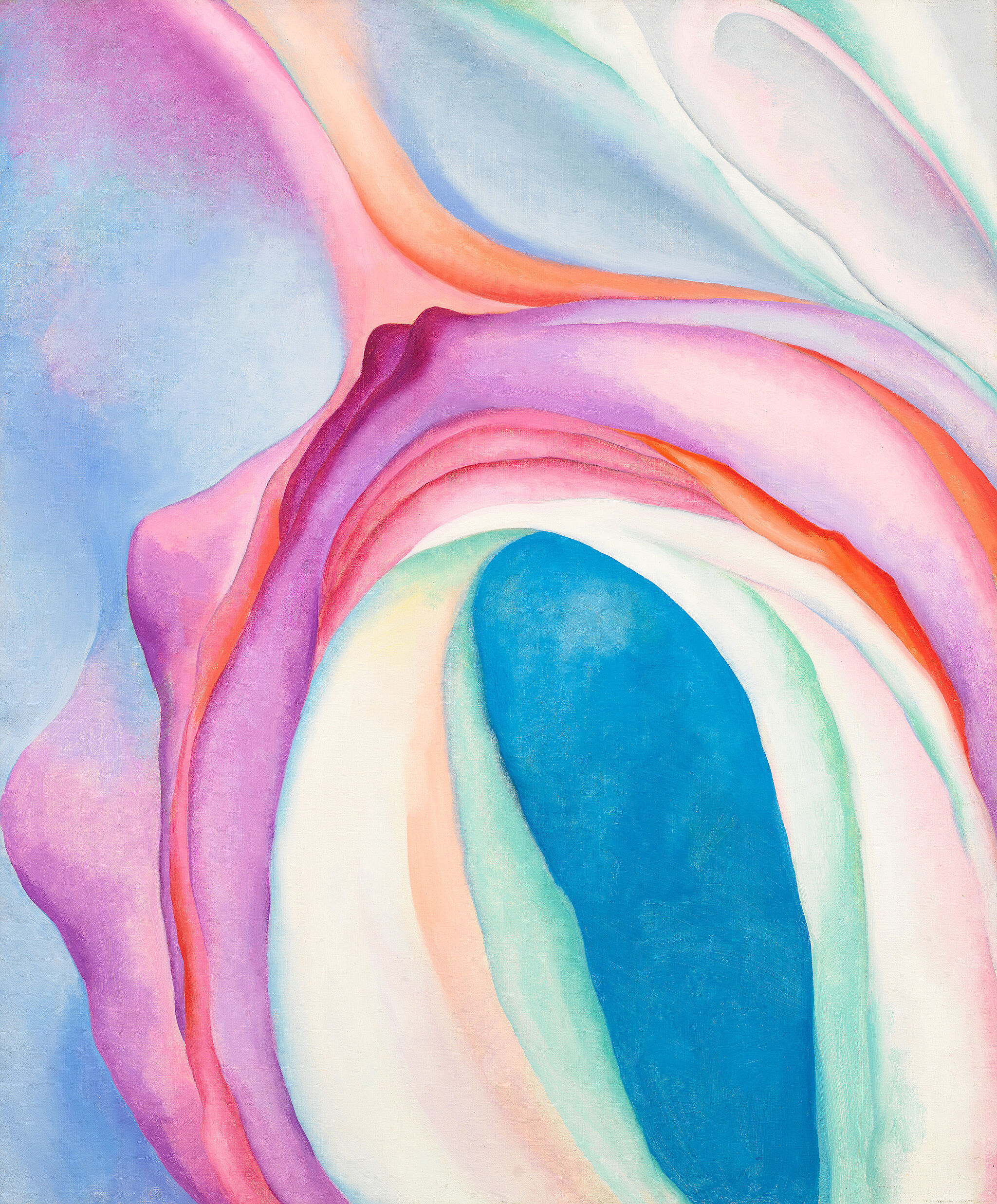
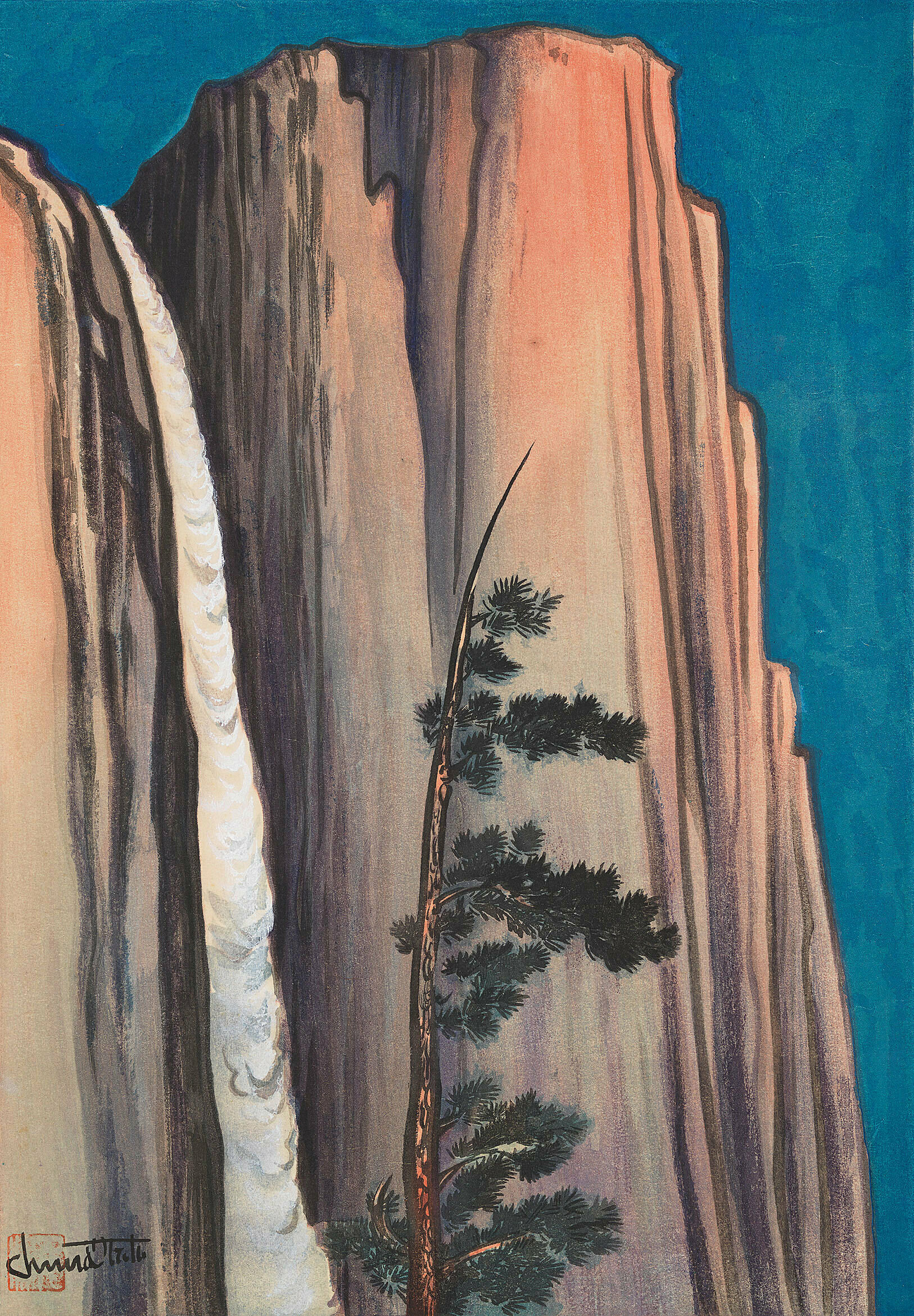
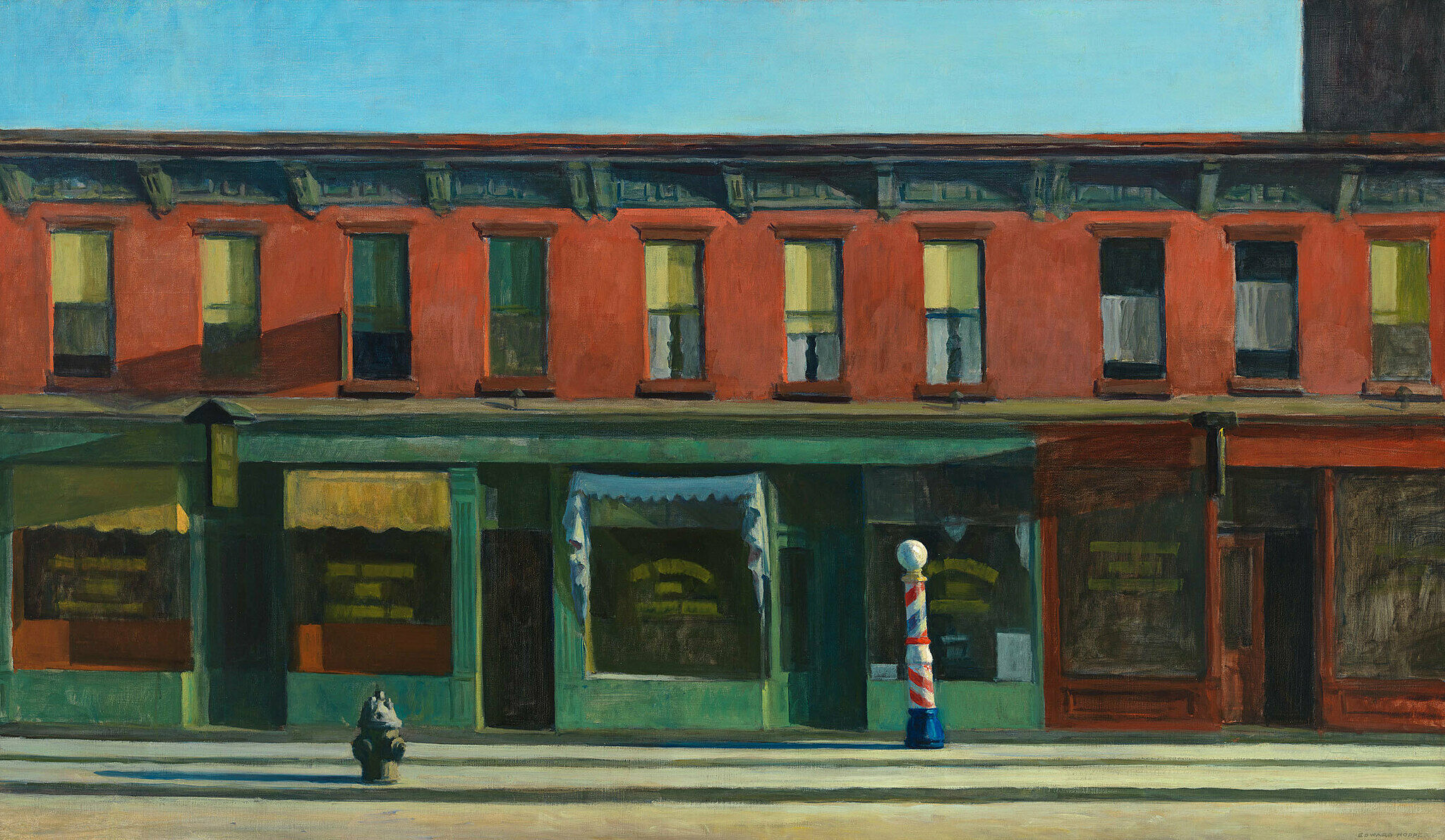
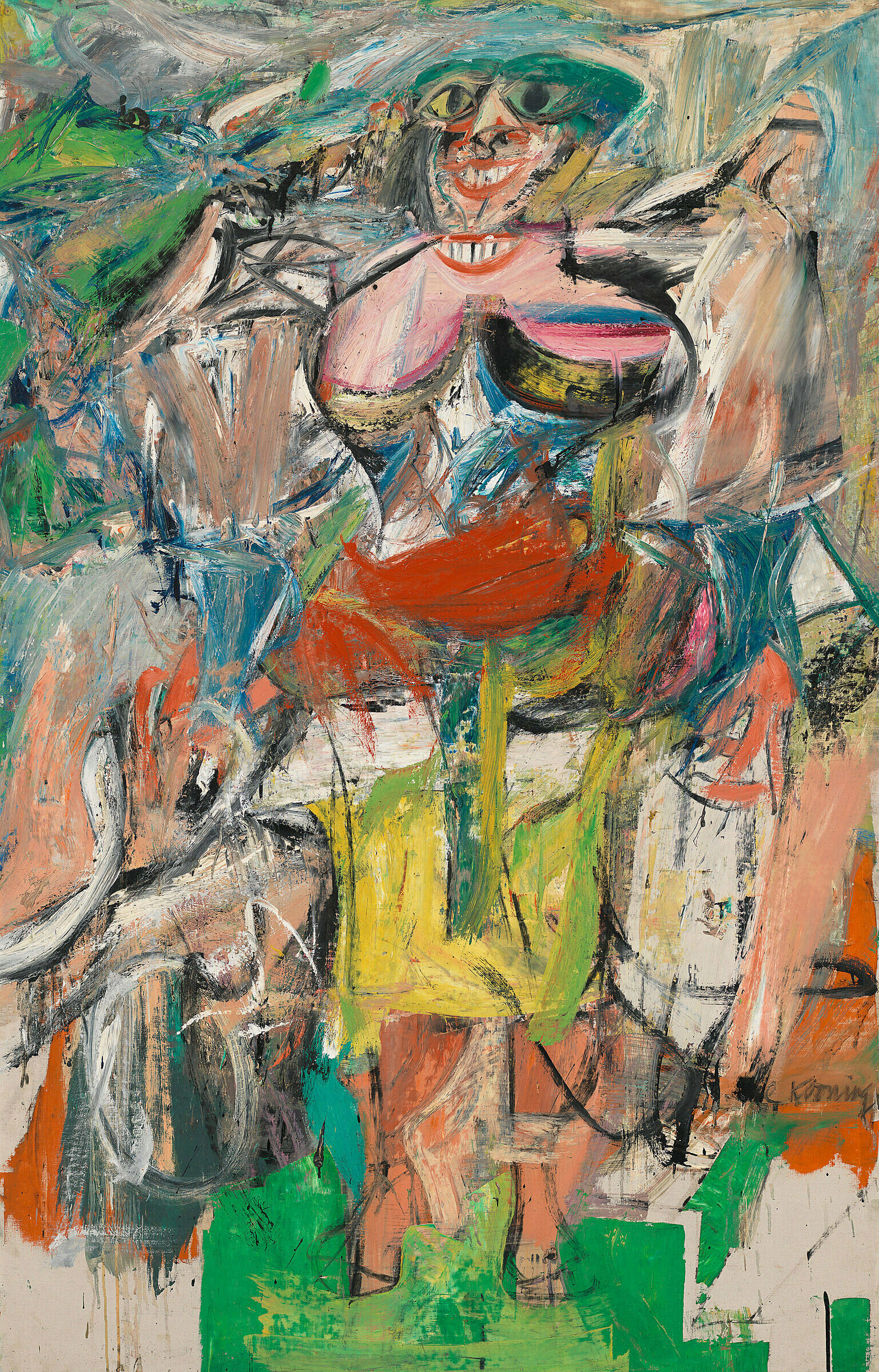
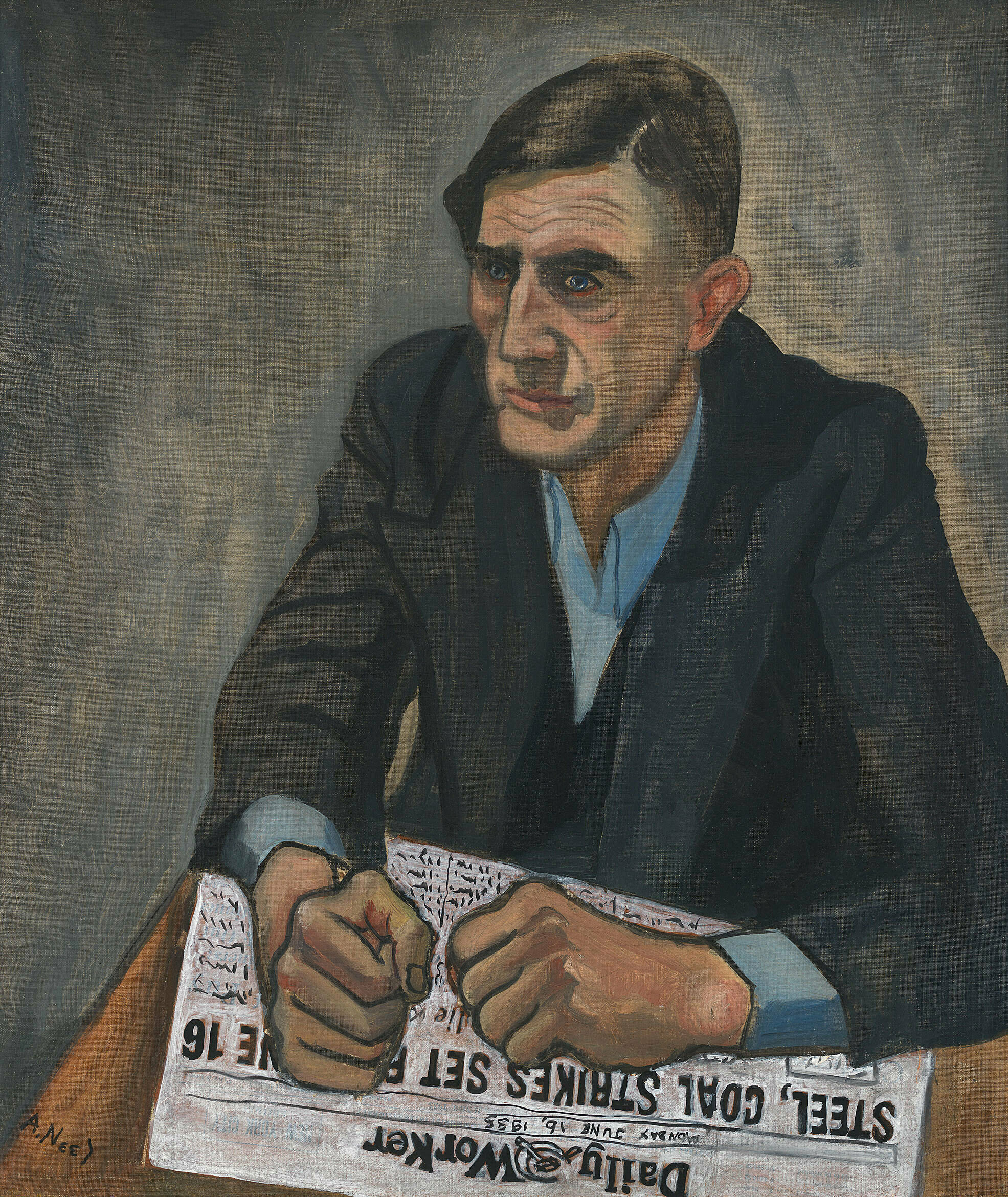
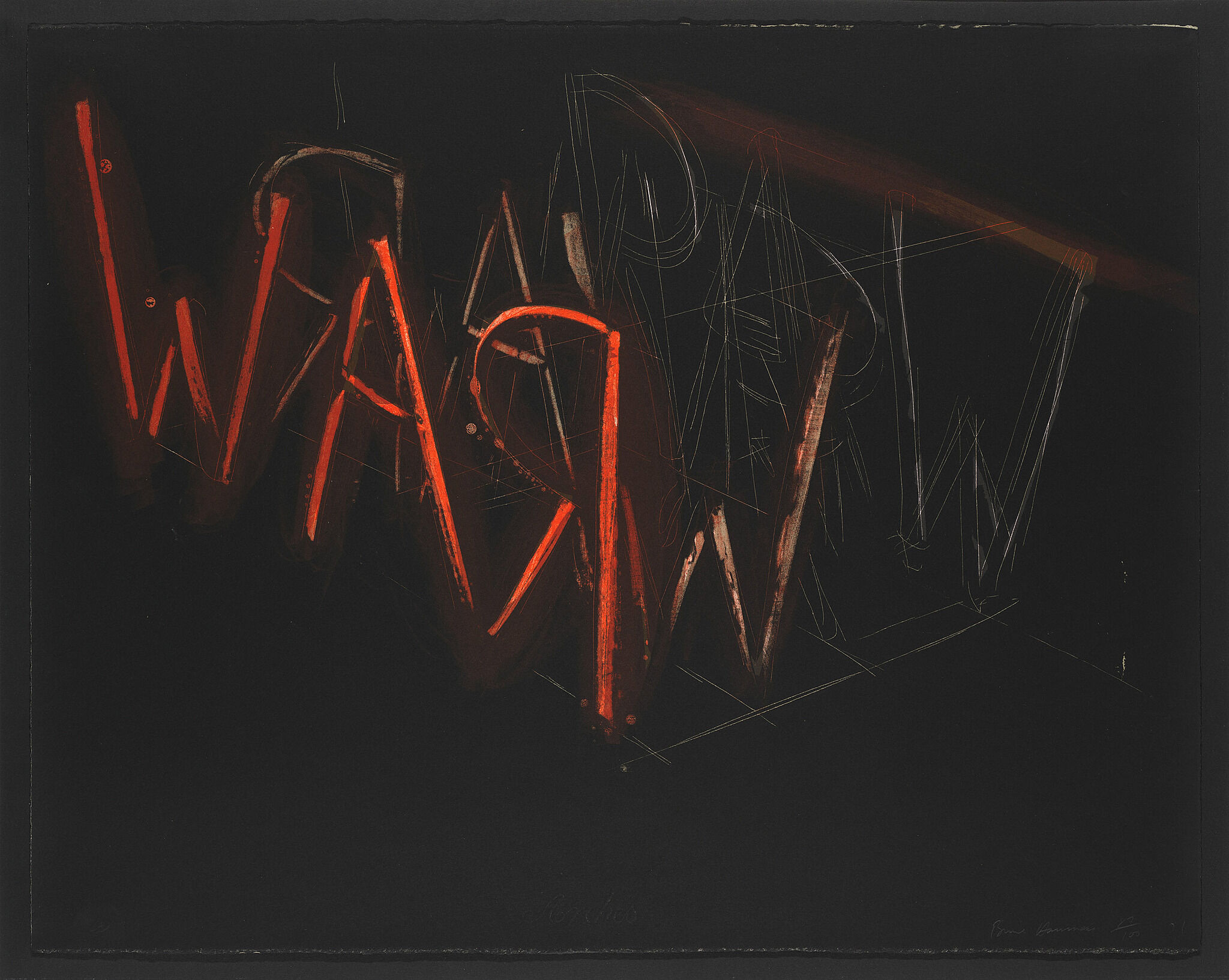
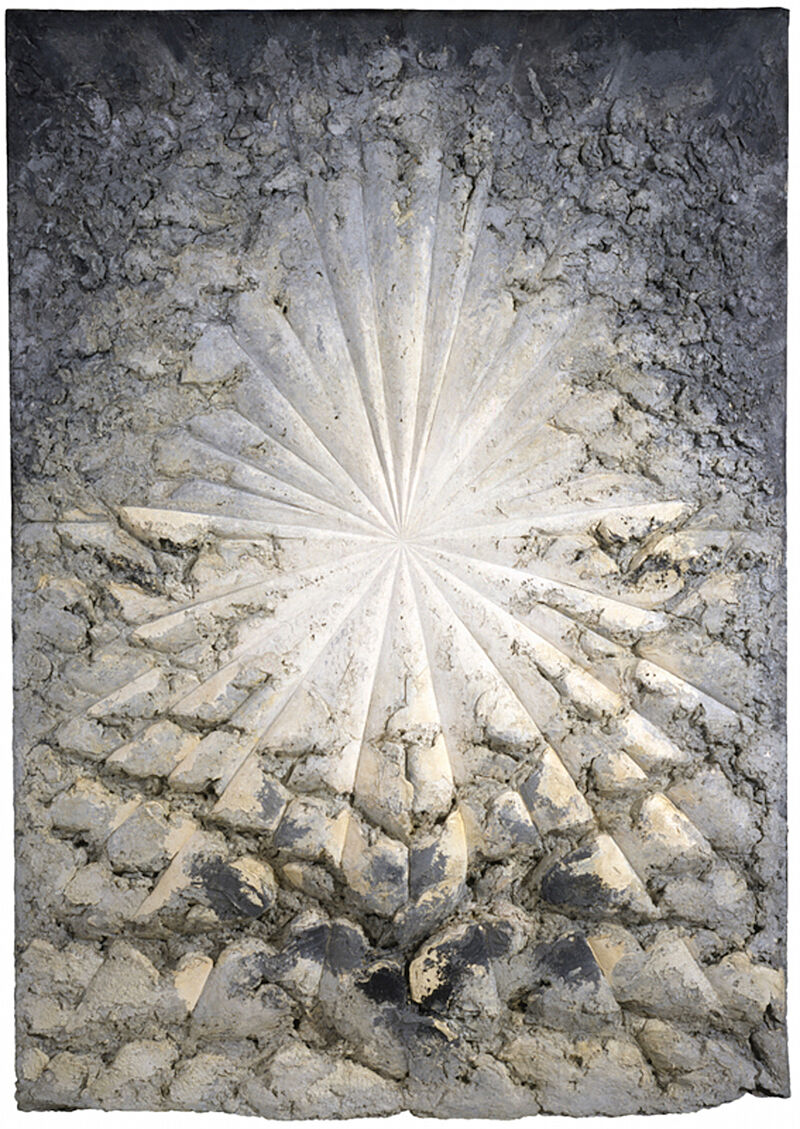
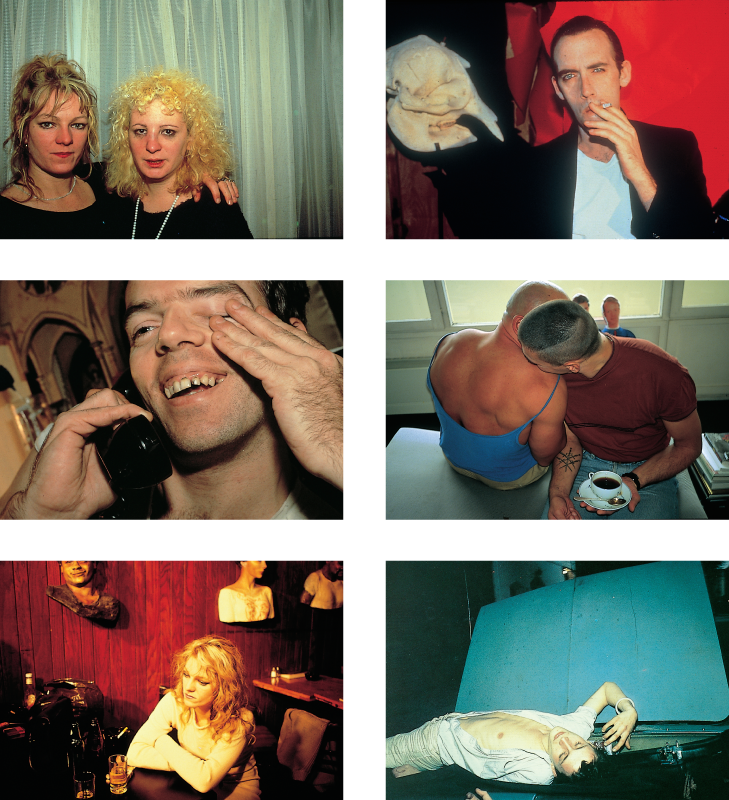
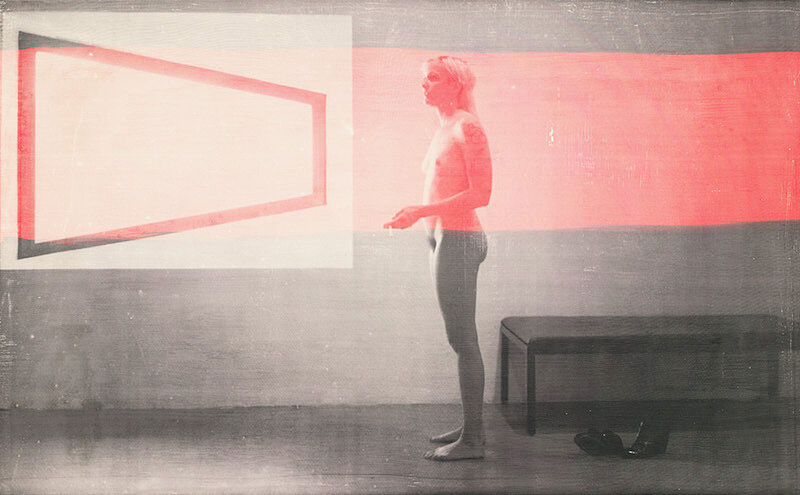
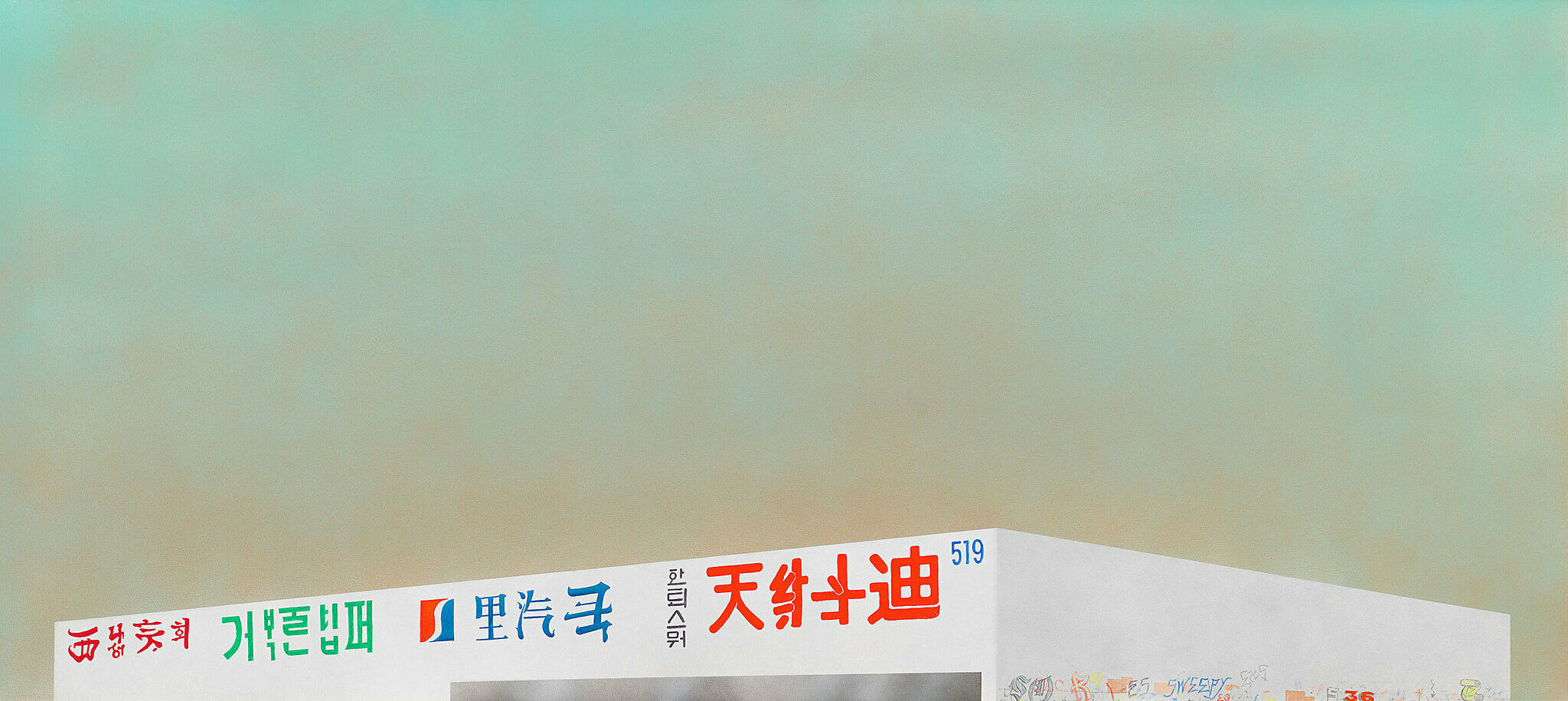
- Eight West Eighth.
- Forms Abstracted.
- Music, Pink and Blue.
- Breaking the Prairie.
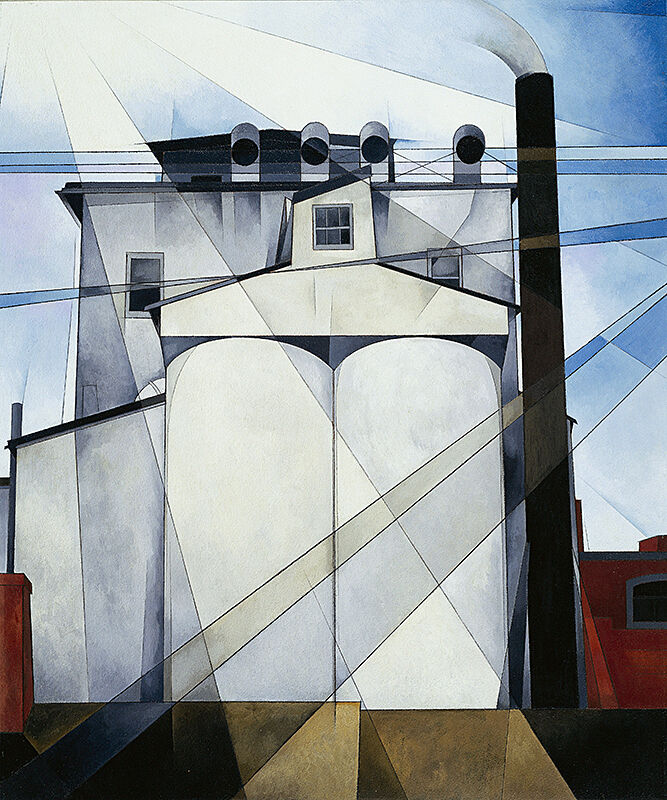
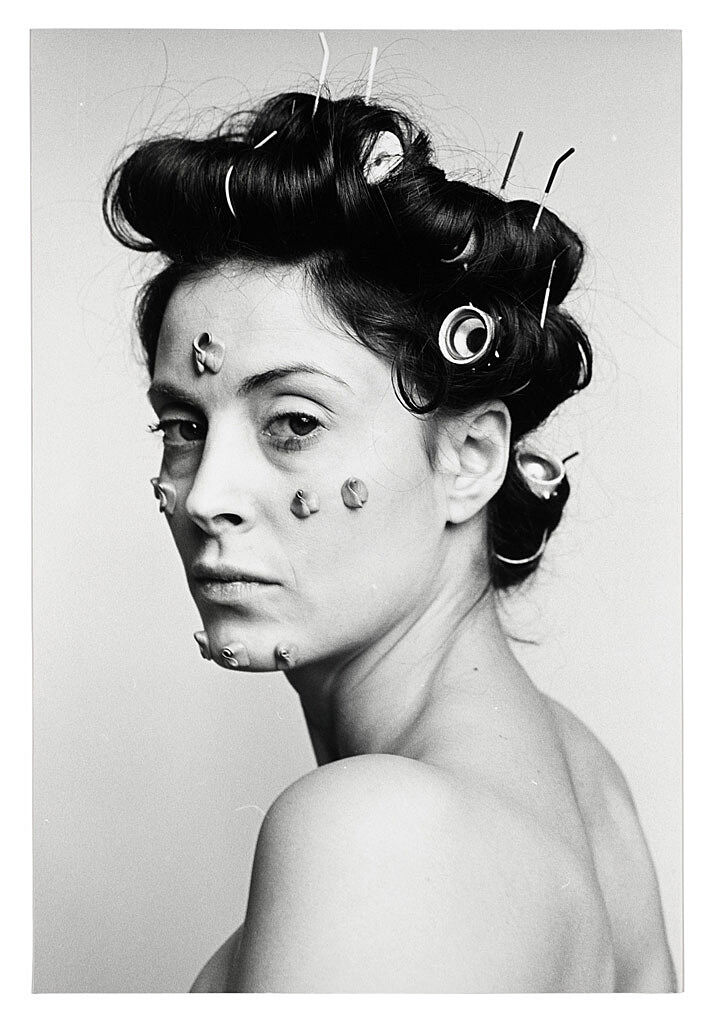
- Machine Ornament.
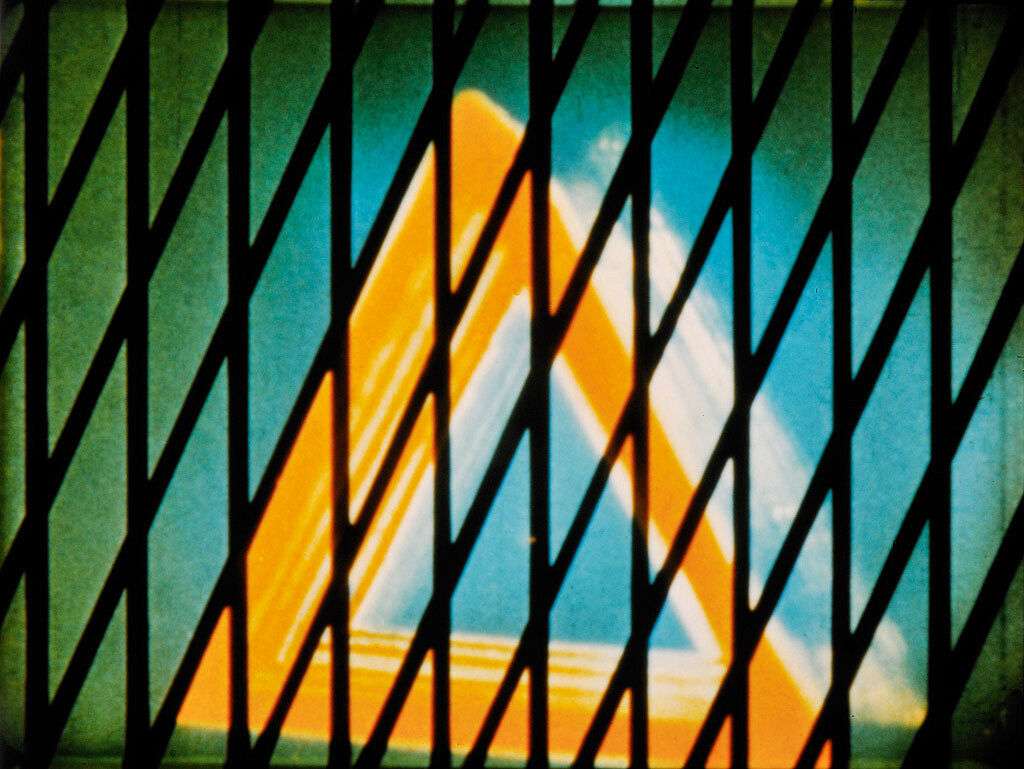
- Free Radicals.
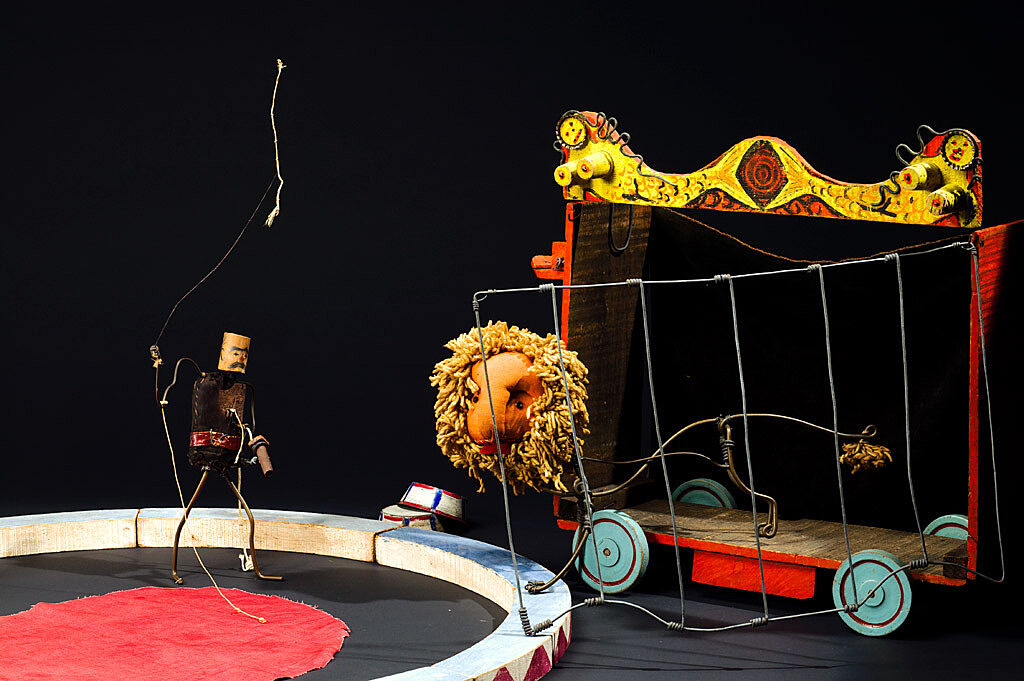
- The Circus.
- Rose Castle.
- New York, N.Y., 1955.
- Fighting with All Our Might.
- Raw War.
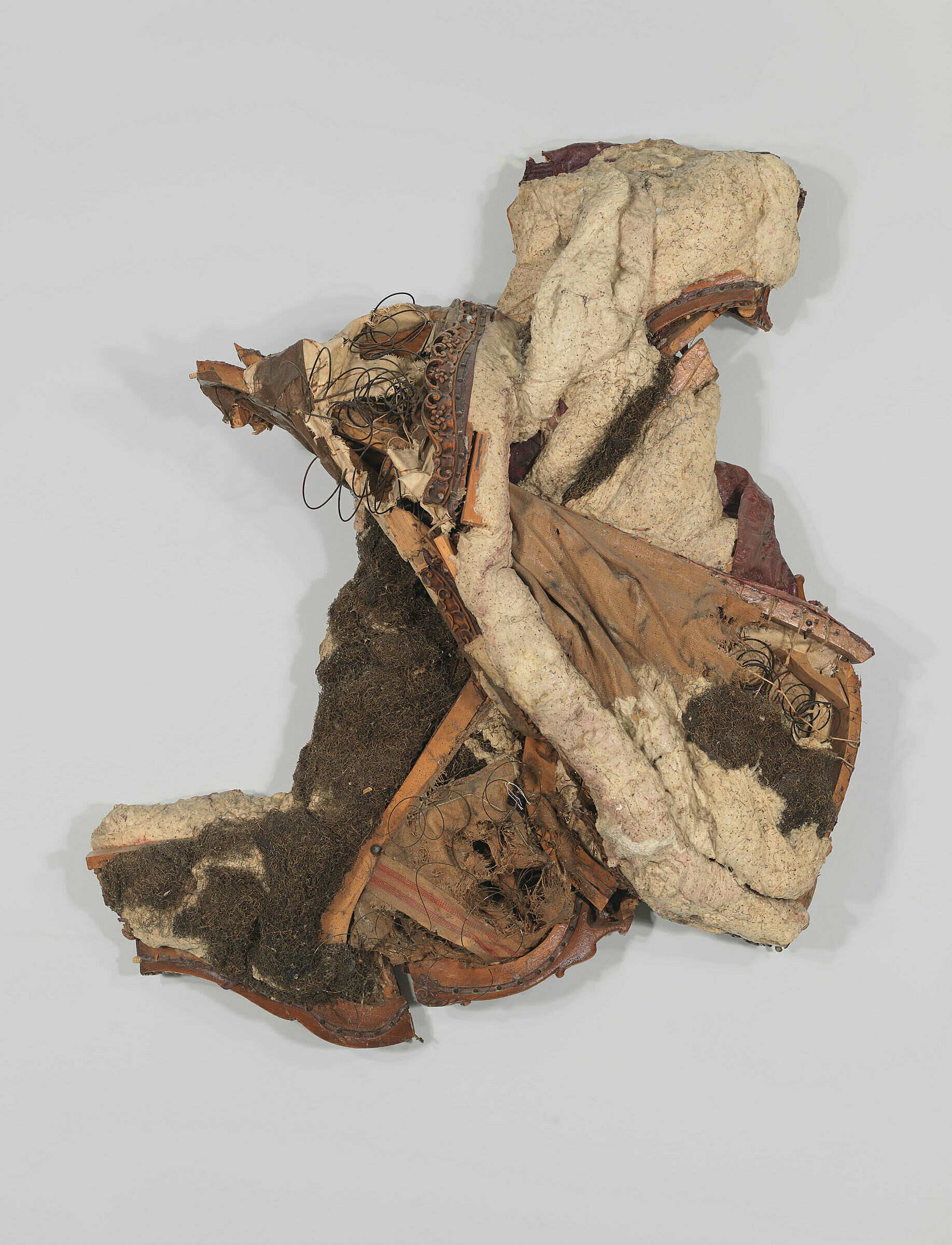
- Scotch Tape.
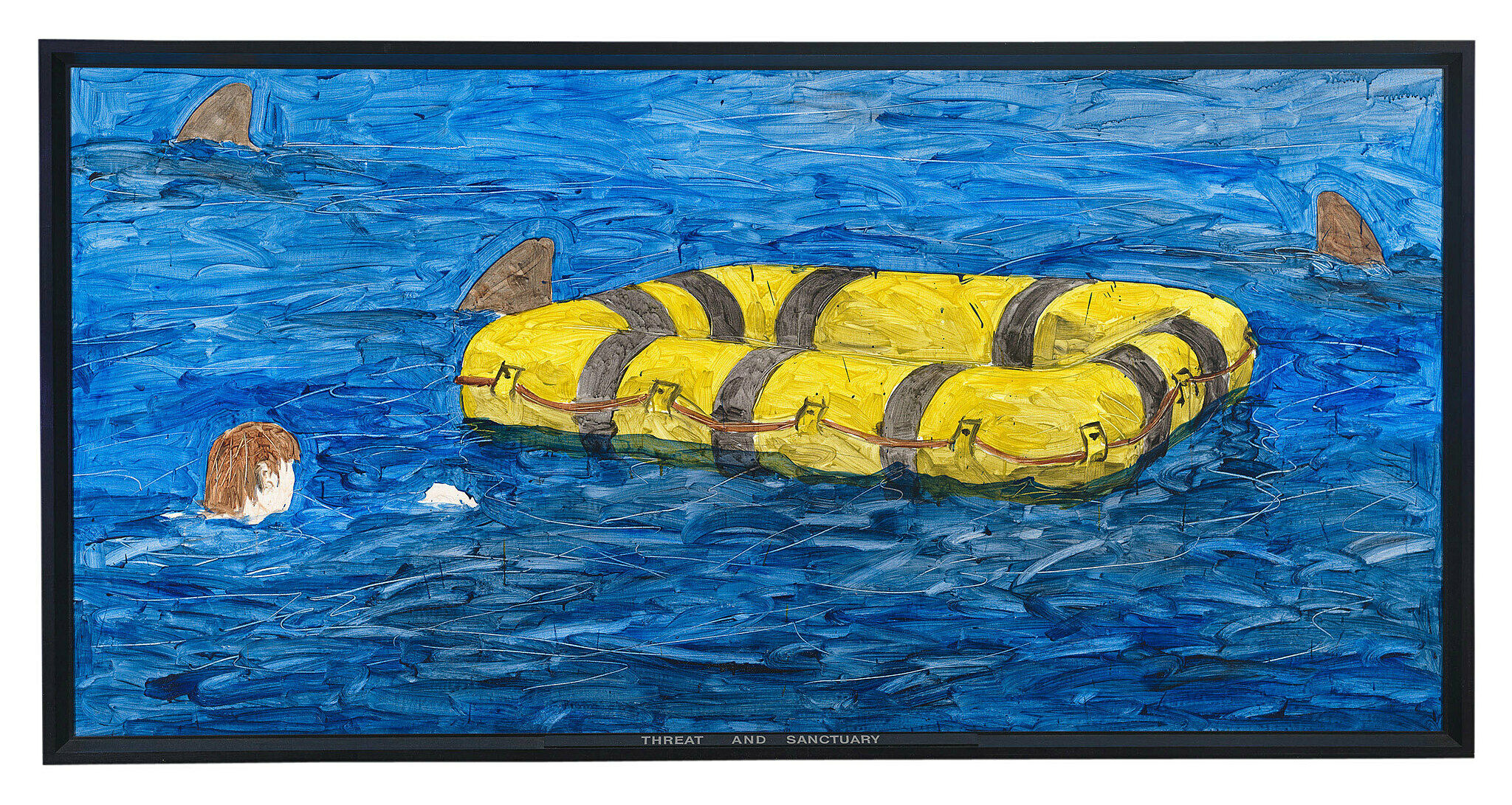
- Threat and Sanctuary.
- Learn Where the Meat Comes From.
- Large Trademark.
- White Target.
- Guarded View.
- Rational Irrationalism.
- Get Rid of Yourself.
- Racing Thoughts.
- Love Letter From The War Front.
- Distracting Distance.
- Course of Empire.

Artists
- Berenice Abbott
- Michele Abeles
- Vito Acconci
- Ansel Adams
- Robert Adams
- Carl Andre
- Kenneth Anger
- Eleanor Antin
- Diane Arbus
- Cory Arcangel
- David Armstrong
- Richard Artschwager
- Ruth Asawa
- Asco
- Charles Atlas
- Lutz Bacher
- Peggy Bacon
- Jo Baer
- Alex Bag
- Malcolm Bailey
- Lamar Baker
- John Baldessari
- Alvin Baltrop
- Lewis Baltz
- Matthew Barney
- Richmond Barthé
- Jean-Michel Basquiat
- Romare Bearden
- Cecil Beaton
- Robert Beavers
- Robert Bechtle
- Ericka Beckman
- Larry Bell
- George Bellows
- Lynda Benglis
- Thomas Hart Benton
- Wallace Berman
- Bernadette Corporation
- Judith Bernstein
- Huma Bhabha
- David Bienstock
- Henry Billings
- Ilse Bing
- Dara Birnbaum
- Nayland Blake
- Oscar Bluemner
- Peter Blume
- Lee Bontecou
- Jonathan Borofsky
- Louise Bourgeois
- Margaret Bourke-White
- Carol Bove
- Mark Bradford
- Stan Brakhage
- Robert Breer
- Patrick Henry Bruce
- Bernarda Bryson Shahn
- Charles Burchfield
- Jacob Burck
- Chris Burden
- Scott Burton
- Mary Ellen Bute
- Paul Cadmus
- John Cage
- Alexander Calder
- Cameron
- Luis Camnitzer
- Peter Campus
- James Castle
- Elizabeth Catlett
- Maurizio Cattelan
- Vija Celmins
- John Chamberlain
- Paul Chan
- Sarah Charlesworth
- Ayoka Chenzira
- Chryssa
- Larry Clark
- Chuck Close
- Sue Coe
- Anne Collier
- Bruce Conner
- Joseph Cornell
- Eldzier Cortor
- Miguel Covarrubias
- John Covert
- Ralston Crawford
- E.E. Cummings
- Imogen Cunningham
- John Currin
- John Steuart Curry
- Allan D'Arcangelo
- James Daugherty
- Emma Lu Davis
- Stuart Davis
- Roy DeCarava
- Jay DeFeo
- Willem de Kooning
- Walter De Maria
- Charles Demuth
- Maya Deren
- Jim Dine
- Mark di Suvero
- Arthur Dove
- Thomas Downing
- Elsie Driggs
- Guy Pène Du Bois
- Carroll Dunham
- Sam Durant
- Jimmie Durham
- Mabel Dwight
- William Eggleston
- Nicole Eisenman
- Wharton Esherick
- Walker Evans
- Kevin Jerome Everson
- Loretta Fahrenholz
- Andreas Feininger
- Lyonel Feininger
- Duncan Ferguson
- Rafael Ferrer
- Paul Fiene
- Morgan Fisher
- John B. Flannagan
- Hollis Frampton
- Robert Frank
- Andrea Fraser
- LaToya Ruby Frazier
- Hermine Freed
- Jared French
- Lee Friedlander
- Brian Frye
- Charles Gaines
- Anna Gaskell
- GCC
- Gerald K. Geerlings
- Hugo Gellert
- Sandra Gibson
- Luis Gispert
- William Glackens
- Milton Glaser
- Robert Gober
- Nan Goldin
- Wayne Gonzales
- Felix Gonzalez-Torres
- Boris Gorelick
- Arshile Gorky
- Dan Graham
- William Gropper
- Nancy Grossman
- George Grosz
- Louis Guglielmi
- Philip Guston
- Walter Gutman
- Wade Guyton
- Hans Haacke
- Peter Halley
- David Hammons
- Keith Haring
- Rachel Harrison
- Marsden Hartley
- David Hartt
- David Haxton
- Sharon Hayes
- Al Held
- Robert Henri
- Carmen Herrera
- Eva Hesse
- Lewis Hine
- Nancy Holt
- Jenny Holzer
- Edward Hopper
- Roni Horn
- Earl Horter
- Alex Hubbard
- Peter Hujar
- Victoria Hutson Huntley
- Richard Hunt
- Robert Indiana
- Abraham Jacobs
- Ulysses Jenkins
- Neil Jenney
- Candy Jernigan
- Jess
- Jasper Johns
- Rashid Johnson
- Ray Johnson
- William H. Johnson
- Joan Jonas
- Joe Jones
- Philip Mallory Jones
- Michael Joo
- Donald Judd
- Alex Katz
- On Kawara
- Mike Kelley
- Ellsworth Kelly
- Sister Corita Kent
- Rockwell Kent
- Karen Kilimnik
- William Klein
- Franz Kline
- Josh Kline
- Jeff Koons
- Lee Krasner
- Barbara Kruger
- Yasuo Kuniyoshi
- Yayoi Kusama
- Suzanne Lacy
- David Lamelas
- Dorothea Lange
- Liz Magic Laser
- Robert Laurent
- Louise Lawler
- Jacob Lawrence
- An-My Lê
- William Leavitt
- Zoe Leonard
- Alfred Leslie
- Howard Lester
- Sherrie Levine
- Herschel Levit
- Helen Levitt
- Norman Lewis
- Sol LeWitt
- Roy Lichtenstein
- Glenn Ligon
- Kalup Linzy
- Alvin Loving
- Lee Lozano
- Louis Lozowick
- George Luks
- Helen Lundeberg
- Len Lye
- Danny Lyon
- Stanton Macdonald-Wright
- Tala Madani
- Sylvia Plimack Mangold
- Man Ray
- Robert Mapplethorpe
- Christian Marclay
- Brice Marden
- Marisol
- Kyra Markham
- Reginald Marsh
- Agnes Martin
- Fletcher Martin
- Gordon Matta-Clark
- Cynthia Maughan
- Keith Mayerson
- Paul McCarthy
- John McCracken
- Adam McEwen
- John McLaughlin
- Josephine Meckseper
- Jonas Mekas
- Ana Mendieta
- Sam Middleton
- Aleksandra Mir
- Joan Mitchell
- Toyo Miyatake
- Lisette Model
- Donald Moffett
- Abelardo Morell
- Robert Morris
- Mark Morrisroe
- Gerald Murphy
- Elizabeth Murray
- Julie Murray
- Reuben Nakian
- Bruce Nauman
- Alice Neel
- Louise Nevelson
- Barnett Newman
- Isamu Noguchi
- David Novros
- Jim Nutt
- Chiura Obata
- Georgia O'Keeffe
- Claes Oldenburg
- Catherine Opie
- José Clemente Orozco
- Raphael Montañez Ortiz
- Alfonso Ossorio
- Tony Oursler
- Bill Owens
- Akosua Adoma Owusu
- Nam June Paik
- Jean Painlevé
- Gordon Parks
- Agnes Pelton
- I. Rice Pereira
- Raymond Pettibon
- Elizabeth Peyton
- Paul Pfeiffer
- Howardena Pindell
- Adrian Piper
- Horace Pippin
- Lari Pittman
- Jackson Pollock
- Liliana Porter
- Richard Pousette-Dart
- Richard Prince
- Nancy Elizabeth Prophet
- Noah Purifoy
- R. H. Quaytman
- Walid Raad
- Yvonne Rainer
- Christina Ramberg
- Robert Rauschenberg
- Charles Ray
- Luis Recoder
- Jeffrey Reed
- Robert Reed
- Earl Reiback
- Ad Reinhardt
- Hans Richter
- Faith Ringgold
- Dorothea Rockburne
- James Rosenquist
- Martha Rosler
- Theodore Roszak
- Susan Rothenberg
- Mark Rothko
- Edward Ruscha
- Morgan Russell
- Betye Saar
- David Salle
- Lucas Samaras
- Jacolby Satterwhite
- Peter Saul
- Matt Saunders
- Morton Schamberg
- Carolee Schneemann
- Dana Schutz
- Dread Scott
- George Segal
- Richard Serra
- Ben Shahn
- Joel Shapiro
- Paul Sharits
- Charles Sheeler
- Cindy Sherman
- Roger Shimomura
- Everett Shinn
- Amy Sillman
- Laurie Simmons
- Taryn Simon
- Lorna Simpson
- John Sloan
- David Smith
- Jack Smith
- Kiki Smith
- Robert Smithson
- Tony Smith
- Keith Sonnier
- Edward Steichen
- Ralph Steiner
- Frank Stella
- Joseph Stella
- Harry Sternberg
- Hedda Sterne
- Florine Stettheimer
- May Stevens
- Alfred Stieglitz
- John Storrs
- Michelle Stuart
- Sturtevant
- Wayne Thiebaud
- Alma Thomas
- Rirkrit Tiravanija
- George Tooker
- Bill Traylor
- Ryan Trecartin
- Trisha Brown Dance Company
- Anne Truitt
- Wu Tsang
- Richard Tuttle
- Cy Twombly
- Stan VanDerBeek
- Kara Walker
- Kelley Walker
- Carl Walters
- Andy Warhol
- Max Weber
- Weegee
- William Wegman
- Lawrence Weiner
- Tom Wesselmann
- H.C. Westermann
- Charles White
- Gertrude Vanderbilt Whitney
- Jack Whitten
- Hannah Wilke
- Christopher Williams
- Sue Williams
- Fred Wilson
- Garry Winogrand
- William Winter
- Karl Wirsum
- David Wojnarowicz
- Jordan Wolfson
- Martin Wong
- Grant Wood
- Francesca Woodman
- Hale Aspacio Woodruff
- Christopher Wool
- Andrew Wyeth
- William Zorach