America Is Hard to See | Art & Artists

May 1–Sept 27, 2015


Exhibition works

23 total
Learn Where the Meat Comes From
Read more

Learn Where the Meat Comes From
Floor 5

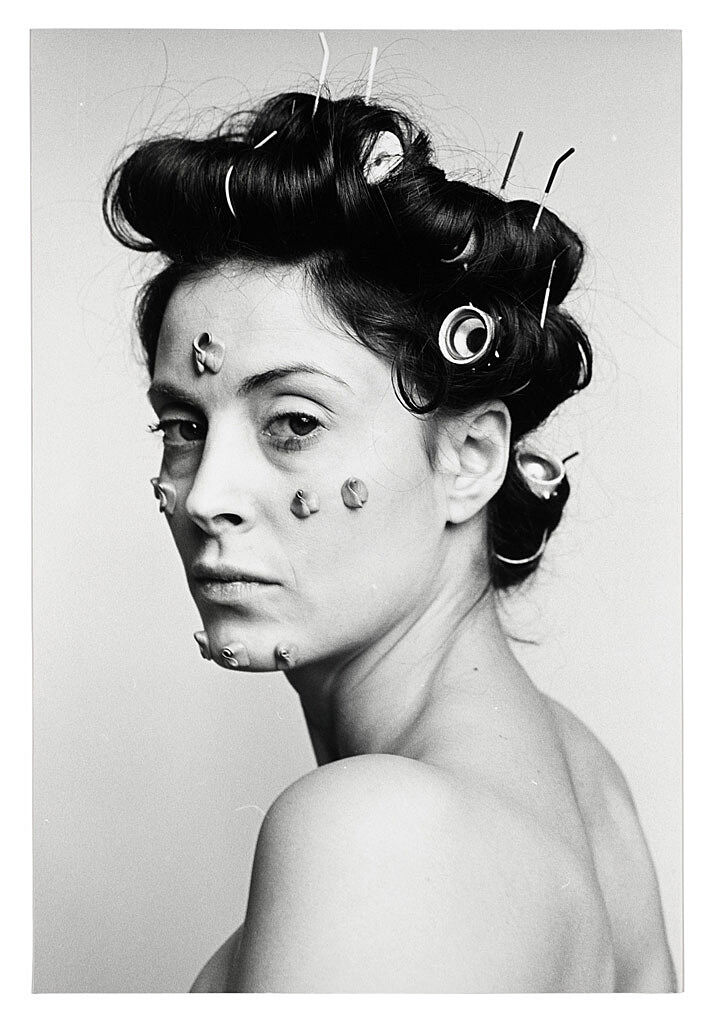
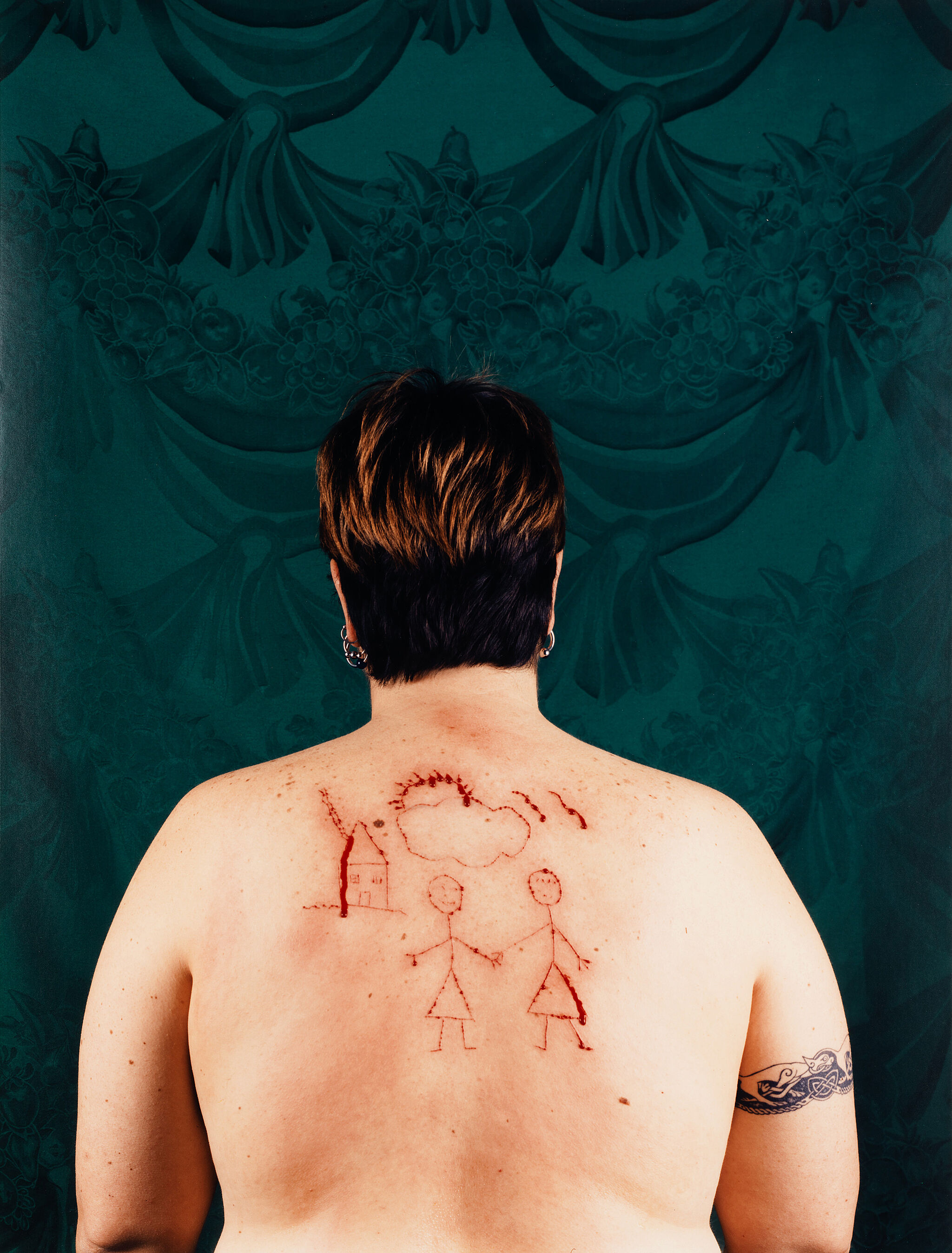
Hannah Wilke (1940-1993), S.O.S. Starification Object Series (Curlers), 1974. Gelatin silver print: sheet, 40 × 27 in. (101.6 × 68.6 cm); image, 40 × 27 in. (101.6 × 68.6 cm); mount (board), 40 × 27 × 1/16 in. (101.6 × 68.6 × 0.2 cm). Whitney Museum of American Art, New York; purchase, with funds from the Photography Committee and partial gift of Marsie, Emanuelle, Damon and Andrew Scharlatt 2005.33 Photograph ©Marsie, Emanuelle, Damon and Andrew Scharlatt, Hannah Wilke Collection & Archive, Los Angeles, Licensed by VAGA, New York

Learn Where the Meat Comes From
Floor 5

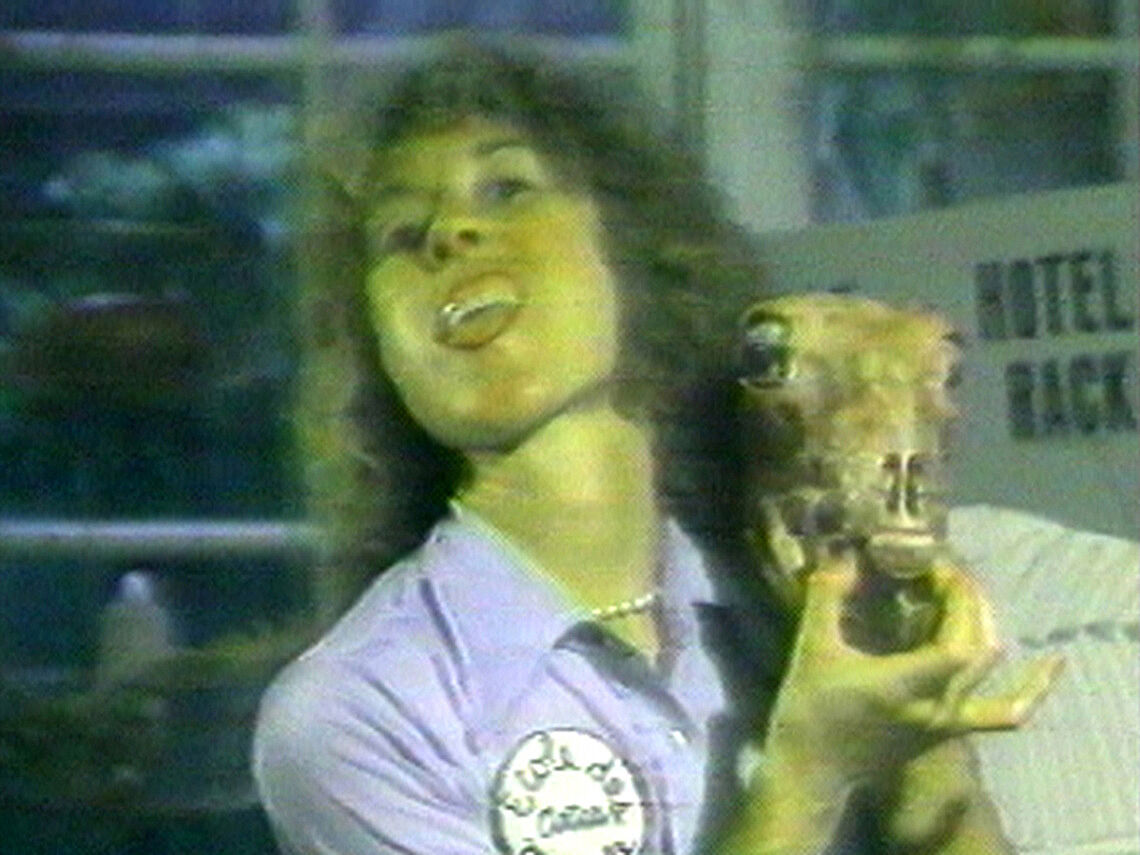
Building upon the ethos of experimentation of the previous decade, many artists in the 1970s shifted away from making objects and began to embrace performative storytelling and body-oriented actions. Video technology—which was still in its infancy at the start of the decade—provided a groundbreaking new tool for personal expression, often giving voice to the disenfranchisement of women and people of color. While some of these artists were drawn to video’s formal and technical properties, others were among the generation of feminist artists who recognized the medium’s radical potential to appropriate the power structures of mass media. Suzanne Lacy’s Learn Where the Meat Comes From, for example, begins with the artist in a tastefully outfitted kitchen in a gentle parody of instructional cooking shows, such as the one popularized by Julia Child—and devolves into an absurdist, biting commentary on domestic work and the objectification of the female body. Lacy’s behavior alternately mimics that of both predator and prey, and by the end of the video the division between human and animal has all but dissolved; the hostess sits down to a properly set table complete with wine and salad and then proceeds to devour the cooked roast like a snarling, ravenous beast.

Other works in this chapter take up related concerns. Artists such as Eleanor Antin, Lynda Benglis, Joan Jonas, Cindy Sherman, and Hannah Wilke use their cameras—whether video or still—to confront themselves, exploring the boundaries of subjectivity. Others, including the Los Angeles−based collective Asco, Ulysses Jenkins, Howardena Pindell, and Martha Rosler work, like Lacy, to draw attention to the ways media shapes our perception of identity and to the inherent gender and racial biases that often accompany those depictions.

Below is a selection of works from this chapter.

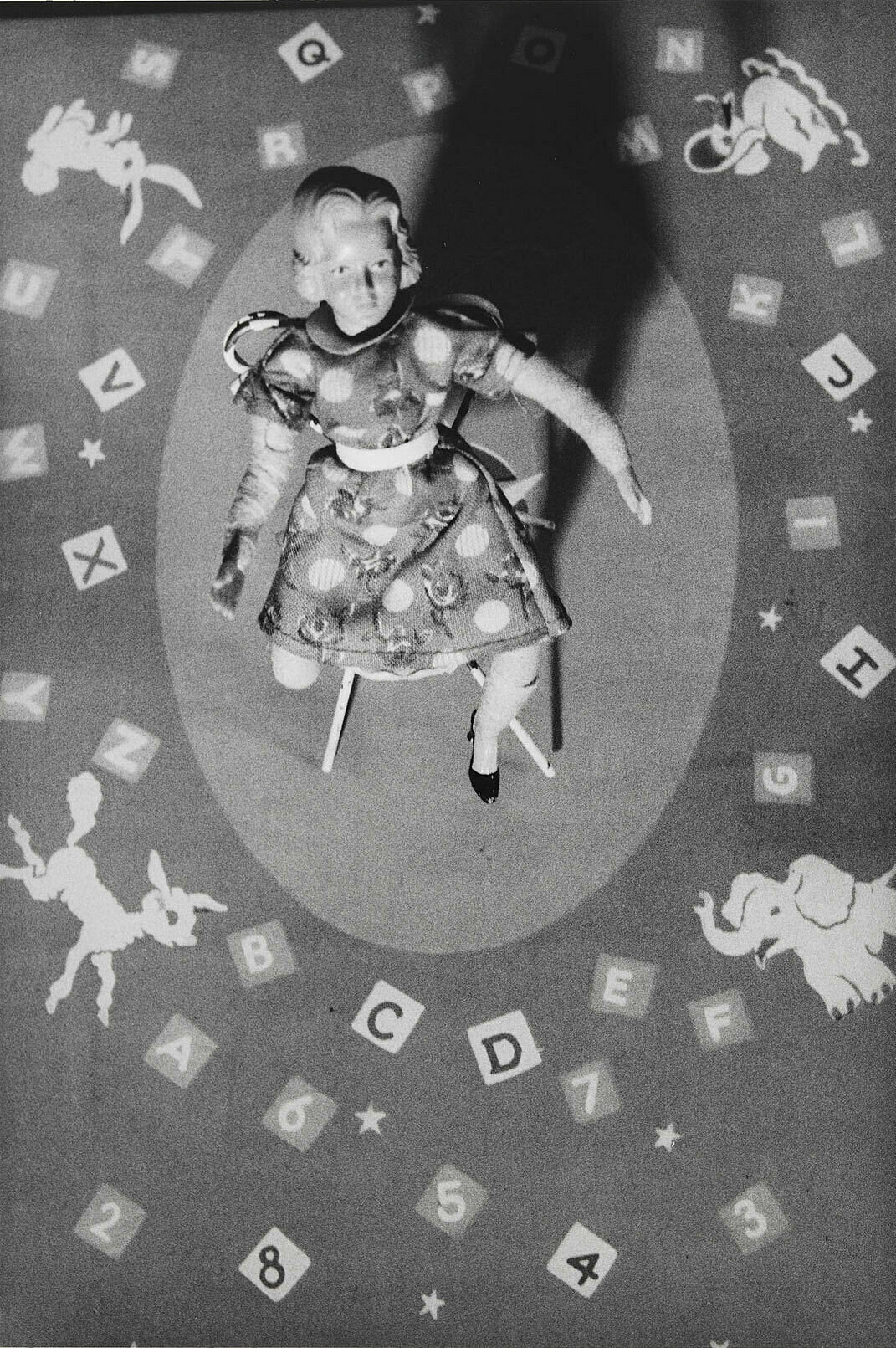
Laurie Simmons (b. 1949), Mother/Nursery, 1976. Gelatin silver print: sheet, 9 7/8 × 7 15/16 in. (25.1 × 20.2 cm); image, 7 15/16 × 5 5/16 in. (20.2 × 13.5 cm). Whitney Museum of American Art, New York; promised gift of Thea Westreich Wagner and Ethan Wagner P.2011.369 © 1987 Laurie Simmons

LAURIE SIMMONS (B. 1949), MOTHER/NURSERY, 1976

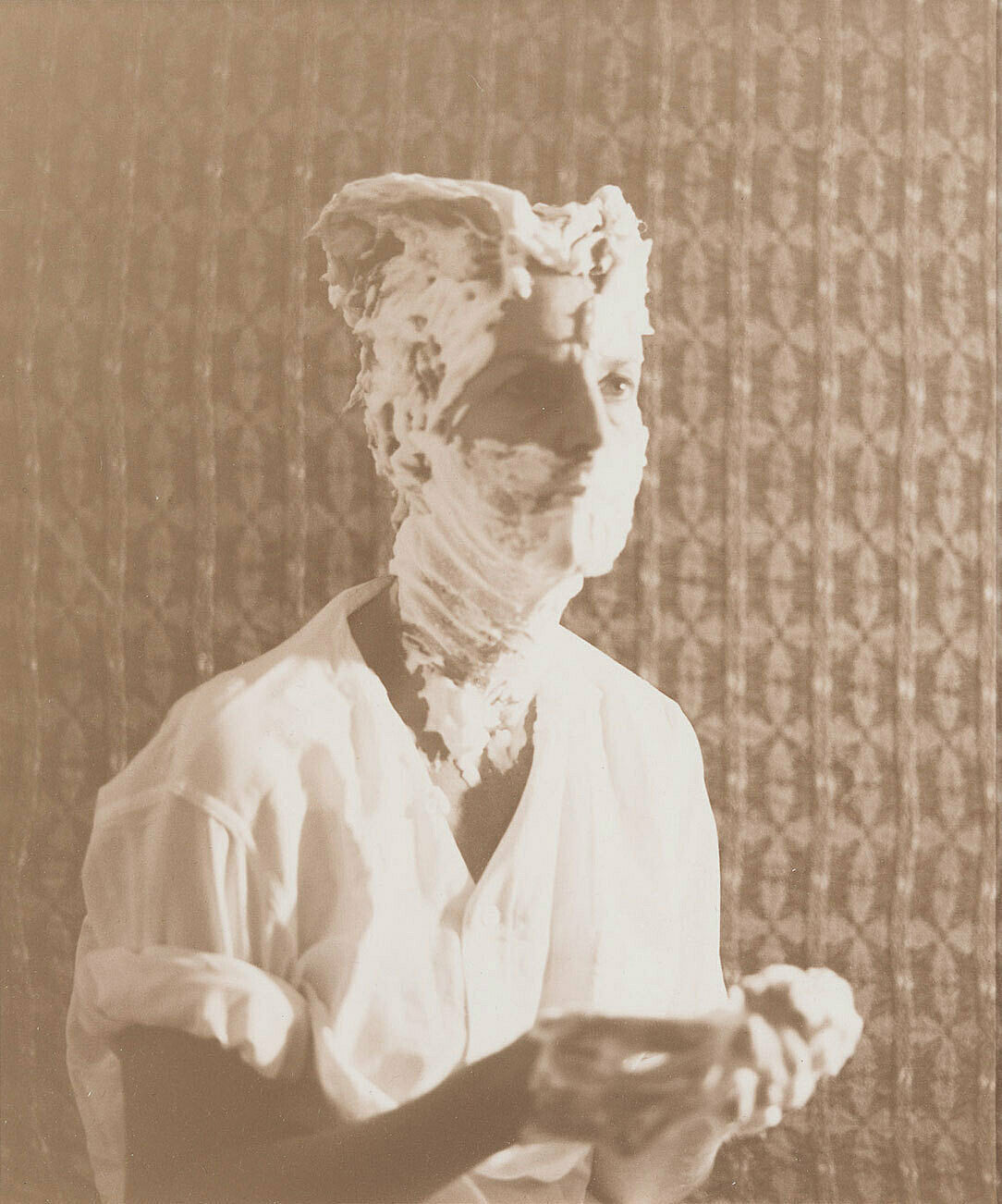
Sturtevant (1924–2014), Duchamp Man Ray Portrait, 1966. Gelatin silver print, sheet: 8 5/8 × 7 1/4 in. (21.9 × 18.4 cm); image: 8 5/8 × 7 1/4 in. (21.9 × 18.4 cm). Whitney Museum of American Art, New York; Gift of Sascha S. Bauer and Kristen Dickey 2013.102 © Estate Sturtevant, Paris

STURTEVANT (1924-2014), DUCHAMP MAN RAY PORTRAIT, 1966

In the mid-1960s, the artist Sturtevant began to make what she termed “repetitions” of artworks by contemporaries such as Jasper Johns, Claes Oldenburg, and Andy Warhol. She also reimagined numerous works by Marcel Duchamp (1887–1968), whose readymades were an important precedent for Conceptual art. Here she has restaged a theatrical 1924 portrait of Duchamp taken by his frequent collaborator, Man Ray. She replicated the way that Duchamp coated his face and neck in soapsuds, lathering her hair—as he had—into two stiff spikes that resemble the winged helmet of Mercury, the Roman messenger god. Through this re-creation, Sturtevant also echoed Duchamp’s ambiguously gendered self-representations, in which he frequently appeared in the guise of his female alter ego, Rrose Sélavy.

None of Sturtevant’s works look exactly like the originals (in this instance, to begin with, she didn’t resemble Duchamp). They are not copies but interpretations, alternative versions of “masterworks” that undercut conventional ideas of originality and authenticity—ideas that, in this case, the quoted work also challenged.

Hannah Wilke (1940-1993), S.O.S. Starification Object Series (Curlers), 1974. Gelatin silver print: sheet, 40 × 27 in. (101.6 × 68.6 cm); image, 40 × 27 in. (101.6 × 68.6 cm); mount (board), 40 × 27 × 1/16 in. (101.6 × 68.6 × 0.2 cm). Whitney Museum of American Art, New York; purchase, with funds from the Photography Committee and partial gift of Marsie, Emanuelle, Damon and Andrew Scharlatt 2005.33 Photograph ©Marsie, Emanuelle, Damon and Andrew Scharlatt, Hannah Wilke Collection & Archive, Los Angeles, Licensed by VAGA, New York

HANNAH WILKE (1940-1993), S.O.S. STARIFICATION OBJECT SERIES (CURLERS), 1974

“I have been concerned with the creation of a formal imagery that is specifically female,” wrote Hannah Wilke in 1976, describing “a new language that fuses mind and body into erotic objects that are nameable and at the same time quite abstract.” Wilke—an innovative artist who worked in sculpture, photography, drawing, performance, installation, and other mediums—is perhaps best known for her S.O.S. Starification Object Series, from 1974. The photographs, taken by Les Wollam in Wilke’s studio, depict the artist topless in various guises, her face and torso adorned with pieces of chewing gum sculpted into labial forms.

With Wilke posed sensuously, looking at the camera over her shoulder, S.O.S. Starification Object Series (Curlers), one image from the series, could be mistaken for a women’s beauty advertisement; however, the seductive nature of the image is negated by the unseemly “stars” stuck to her forehead, cheeks, and chin. The title of the series refers to both the Morse code distress signal and to the starring role in which the artist places herself as the object of the camera’s focus. It is also a word play, a pun on scarification, referring to ancient tribal rituals and the complicated relationship between pain, disfiguration, and contemporary notions of female beauty and power. Wilke’s work gained attention amid the feminist movement of the 1970s, yet it also became the target of feminist disdain. Her highly erotic self-portraits were seen by some as reinforcing the very objectification of women that she set out to challenge. In response to the criticisms, Wilke created a poster featuring a photograph from the S.O.S.series framed by the text “Marxism and Art: Beware of Fascist Feminism,” which she hung throughout SoHo in New York on the opening night of a solo show of her work in 1977.

Excerpted from Whitney Museum of American Art: Handbook of the Collection (2015), p. 408. Published by the Whitney Museum of American Art, New York; distributed by Yale University Press.

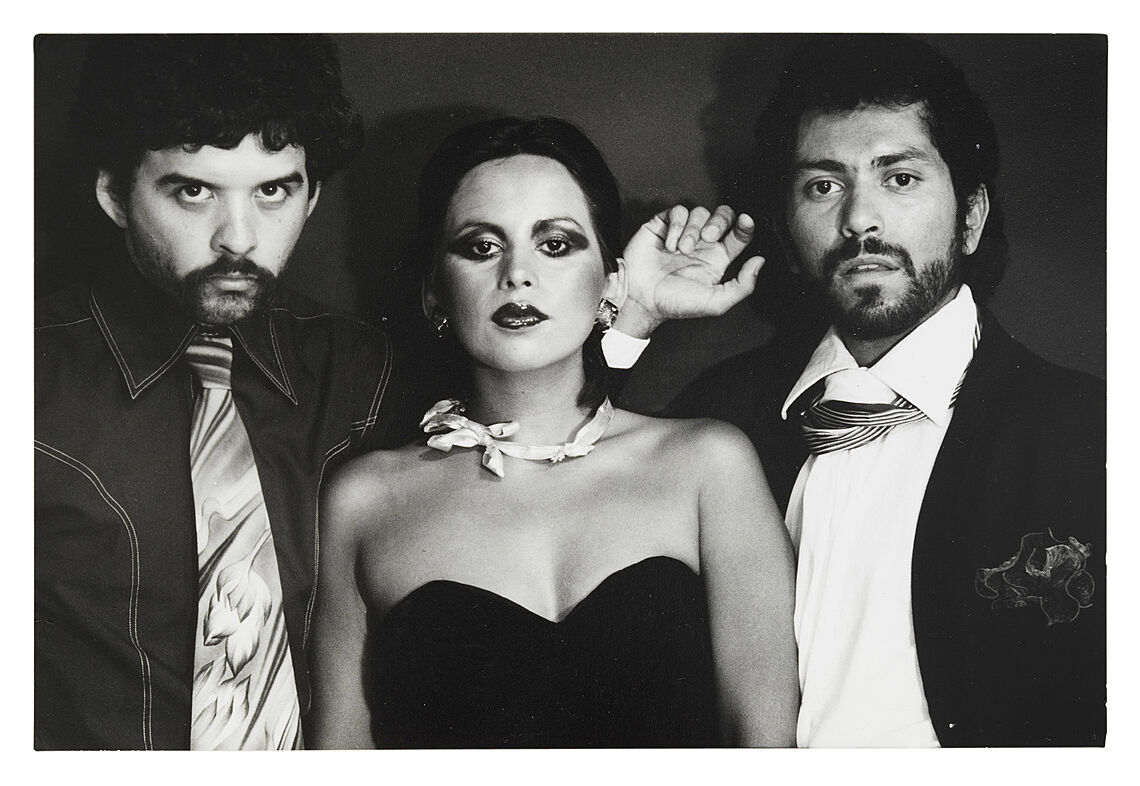
Asco (1972-1987), No Movie (Stars), 1978. Gelatin silver print: image, 5 × 7 7/16 in. (12.7 × 18.9 cm). Whitney Museum of American Art, New York; purchase, with funds from the Photography Committee 2014.44.3 © 1974 Harry Gamboa Jr.

ASCO (1972-1987), NO MOVIE (STARS), 1978

The East Los Angeles collective Asco—its name taken from the Spanish word for disgust or nausea—was founded in 1972 by Harry Gamboa Jr., Gronk, Willie Herrón, and Patssi Valdez; together they engaged in witty, anarchic critiques of the political and social injustices of their time. This work is part of the collective’s No Movie series for which Asco produced stills, promotional photographs, publications, and media events promoting fake movies starring the group’s members. The series used cinematic tropes to protest cultural invisibility, calling attention to the ways that Hollywood stereotyped Chicanos as characters and ignored them as actors.

Luis Camnitzer (b. 1937), Sample, 1972. Graphite pencil on paper, sheet (sight): 29 7/8 × 22 ¼ in. (75.9 × 56.5 cm). Whitney Museum of American Art, New York; purchase, with funds from the Drawing Committee 2014.70 © Luis Camnitzer

LUIS CAMNITZER (B. 1937), SAMPLE, 1972

Luis Camnitzer’s conceptual works often critique the financial pressure that the art market exerts on artists. In 1971, for example, he conceived of selling his signature itself, priced by the inch—a witty, self-conscious comment on commodification and speculation (the price was set to compound over time).

Sample includes three versions of the word sample accompanied by a price for each, calculated according to materials and hourly labor. Camnitzer also gave valuation to the creative act, here defined as the amount of “art” or “concept” involved, as well as the artist’s handwriting. He even provided itemized values for the entire work and its signature—offering a biting account of the artist’s role in contemporary capitalist society. As he has explained, art should be a “mechanism . . . for the acquisition of knowledge” rather than “the production of objects.”

An installation view of artworks in a gallery.

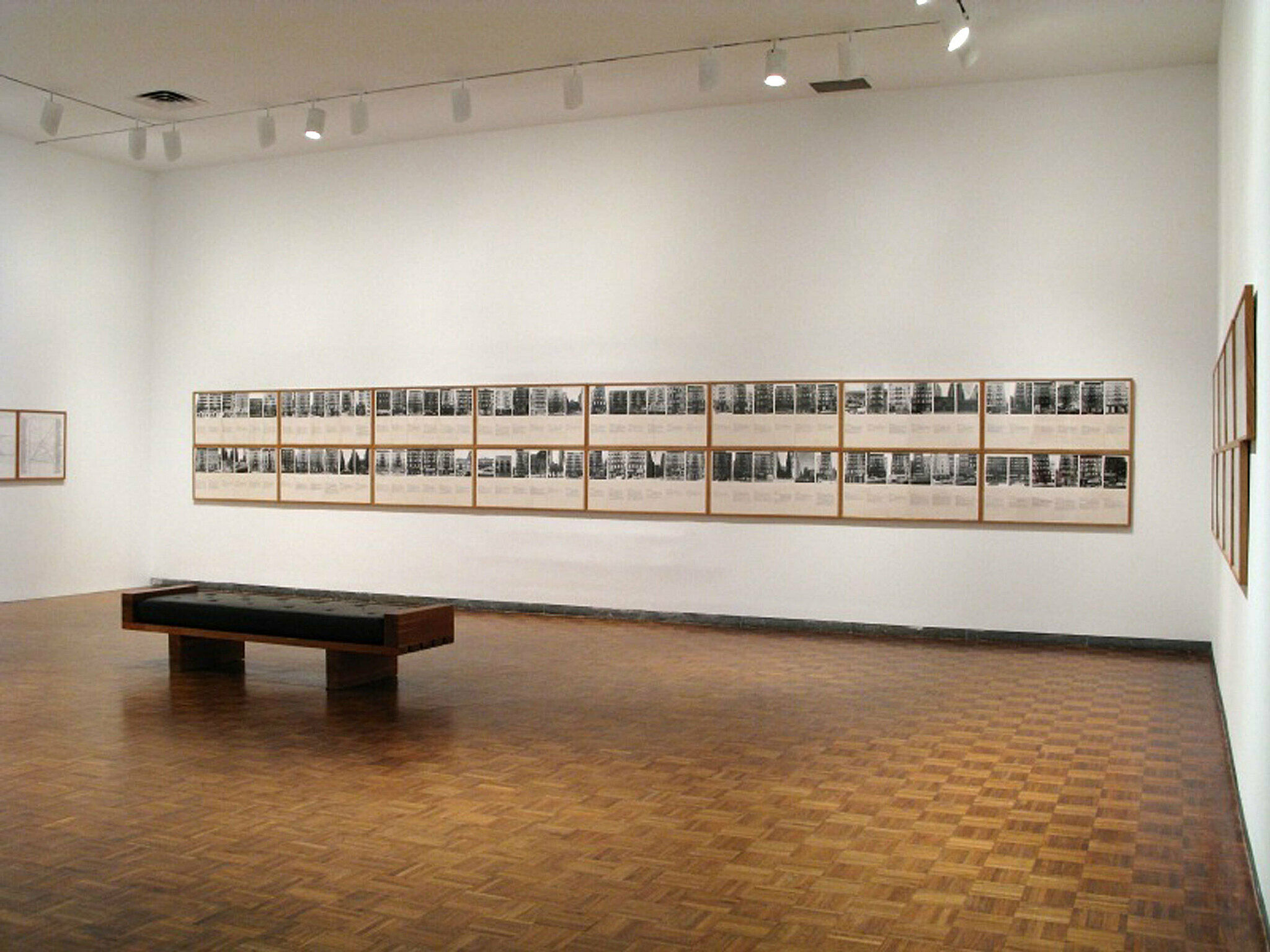
Hans Haacke, Shapolsky et al. Manhattan Real Estate Holdings, a Real-Time Social System, as of May 1, 1971, (1971). Nine photostats, one hundred and forty two gelatin silver prints, and one hundred and forty two photocopies, Dimensions variable. Whitney Museum of American Art, New York; purchased jointly by the Whitney Museum of American Art, New York with funds from the Director's Discretionary Fund and the Painting and Sculpture Committee, and the Fundació Museu d'Art Contemporani de Barcelona 2007.148a gg © 2015 Artists Rights Society (ARS), New York / VG Bild-Kunst, Bonn

HANS HAACKE (B. 1936), DETAIL OF SHAPOLSKY ET AL. MANHATTAN REAL ESTATE HOLDINGS, A REAL-TIME SOCIAL SYSTEM, AS OF MAY 1, 1971, 1971

By presenting photographs of Manhattan apartment buildings alongside detailed charts, captions, and maps—all sourced from public records—Hans Haacke’s Shapolsky et al. traces the network of shell corporations and holding companies connected to Harry Shapolsky, the owner of a vast empire of slum housing throughout New York. Haacke’s straightforward presentation of the records allows the materials themselves to serve as evidence of fraudulent practices.

With works like Shapolsky et al., Haacke put contemporary politics and economics at the forefront of his art. Further, he insisted that museums and other art world institutions are implicated in real-world politics—by their collecting practices, by the constitution of their boards of trustees, and by the way they use their cultural authority. He became a major figure in the movement now known as Institutional Critique, which uses art to shine a light on those politics.

A video still of a person's stomach.

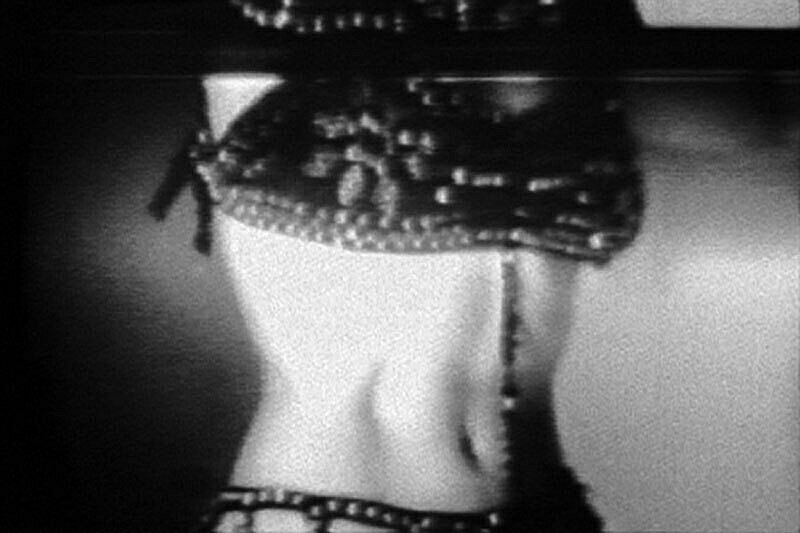
Joan Jonas, Vertical Roll, 1972. Video, black-and-white, sound, 19:38 min. Whitney Museum of American Art, New York; purchase, with funds from the Film and Video Committee 2000.189 © Joan Jonas

JOAN JONAS (B. 1936), VERTICAL ROLL, 1972

To make this work, Joan Jonas played a video of herself performing on an analogue television, adjusted the vertical hold so that it was off balance, and then filmed the monitor. As a result, we see a black bar that scrolls downward over and over again, breaking up the image—the vertical roll that gives the single-channel video its name.

On screen, Jonas puts on a multilayered performance: she appears at different moments garbed in a feather headdress, wearing a mask, in a belly dancer’s costume, or nude. The vertical roll fragments these performances, serving simultaneously to define and to obscure them. Jonas heightened the sense of disruption by synchronizing the scrolling bar with the loud crack of a spoon banging against a surface. The resulting work is a highly mediated self-portrait—one that questions how coherent the “self” can be, while deliberately frustrating efforts to grasp its subject.

Film still of a woman holding a meat carcass.

Suzanne Lacy (b. 1945), Learn Where the Meat Comes From, 1976. Video, color, sound, 14:20 min. Whitney Museum of American Art, New York; purchase with funds from the Film, Video, and New Media Committee 2014.142. © Suzanne Lacy, courtesy of Video Data Bank, www.vdb.org. Photograph by Raul Vega

SUZANNE LACY (B. 1945), LEARN WHERE THE MEAT COMES FROM, 1976

Southern California in the 1970s was home to a strong feminist art movement, with many of the area’s art schools and universities becoming focal points of radical art. Suzanne Lacy first encountered the movement as an activist and psychology student at Fresno State University, where she studied with the feminist artist Judy Chicago. She continued working with Chicago at California Institute of the Arts, where she also studied with Allan Kaprow and explored the transformative possibilities of performance art. Calling upon viewers to participate in her work, Lacy was a pioneer in what would come to be known as Social Practice art. Her performances, videos, and social interventions addressed a broad spectrum of women’s issues, including rape, poverty, abuse, and class inequality.

Learn Where the Meat Comes From is part of Lacy’s Anatomy Lessons series. The title was taken from a cooking show by Julia Child, who exhorted her audience, “Taking the time to learn where the meat comes from will ensure your constant success.” Lacy follows to absurd and disturbing extremes Child’s instructions to imitate a lamb’s movements, becoming more animal-like as the video progresses.
Meat had featured in several of Lacy’s earlier works, and her own body was a recurring subject as well: the diagram of cuts of meat in the background of Learn Where the Meat Comes Fromrecalls the beef kidneys that Lacy nailed to the walls in her 1972 Ablutions performance as well as the legal contract she devised for selling her own body parts in Body Contract, the inaugural piece in the Anatomy Lessons series.

Excerpted from Whitney Museum of American Art: Handbook of the Collection (2015), p. 215. Published by the Whitney Museum of American Art, New York; distributed by Yale University Press.

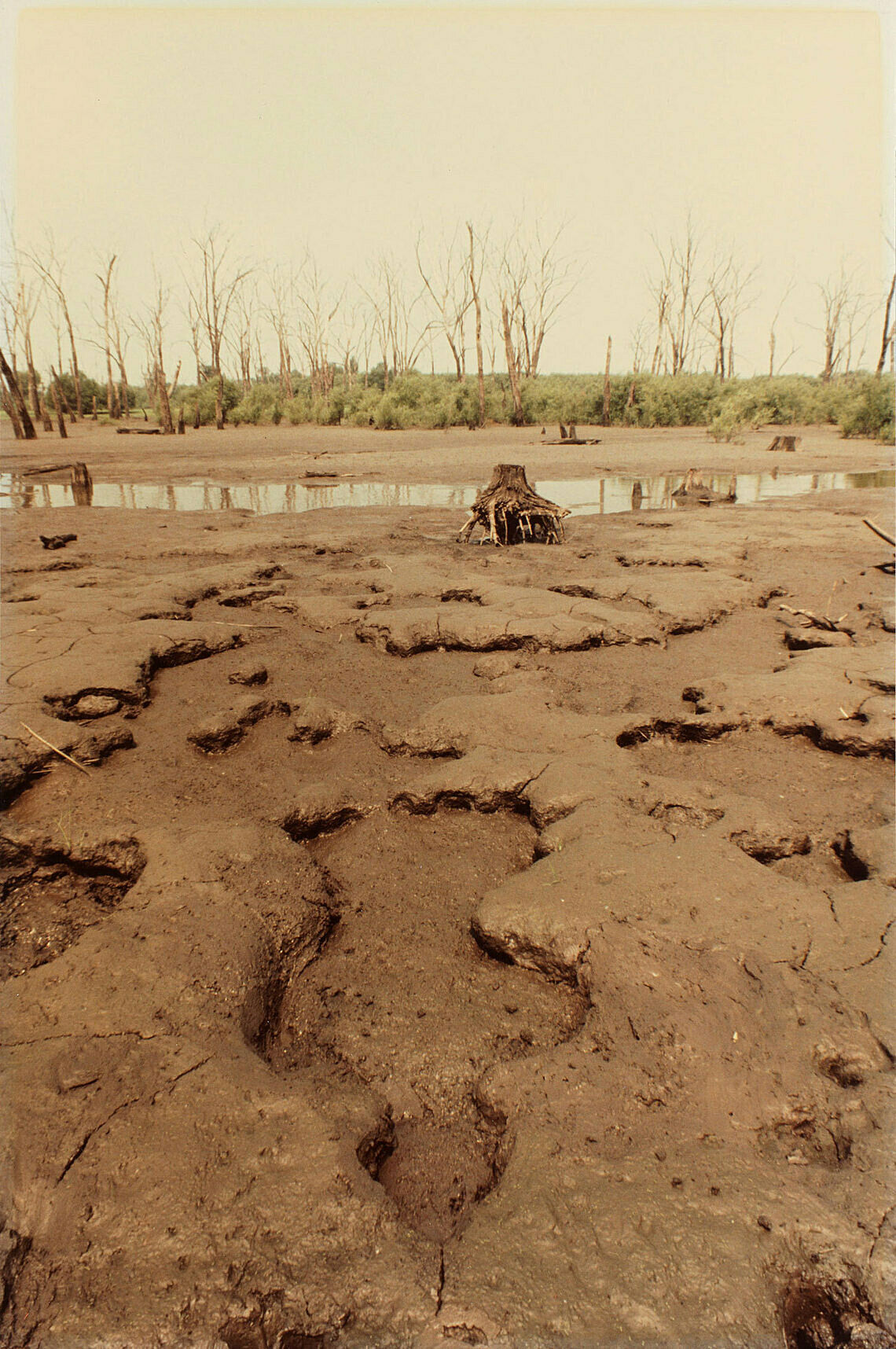
Ana Mendieta, Untitled (Silueta Series, Iowa), 1979. Chromogenic print: 25 1/4 × 18 × 2 in. (64.1 × 45.7 × 5.1 cm); image: 20 × 13 3/16 in. (50.8 × 33.5 cm). Whitney Museum of American Art, New York; purchase, with funds from the Photography Committee 92.113. © The Estate of Ana Mendieta Collection, LLC; courtesy Galerie Lelong, New York

ANA MENDIETA (1948-1985), UNTITLED (SILUETA SERIES, IOWA), 1979

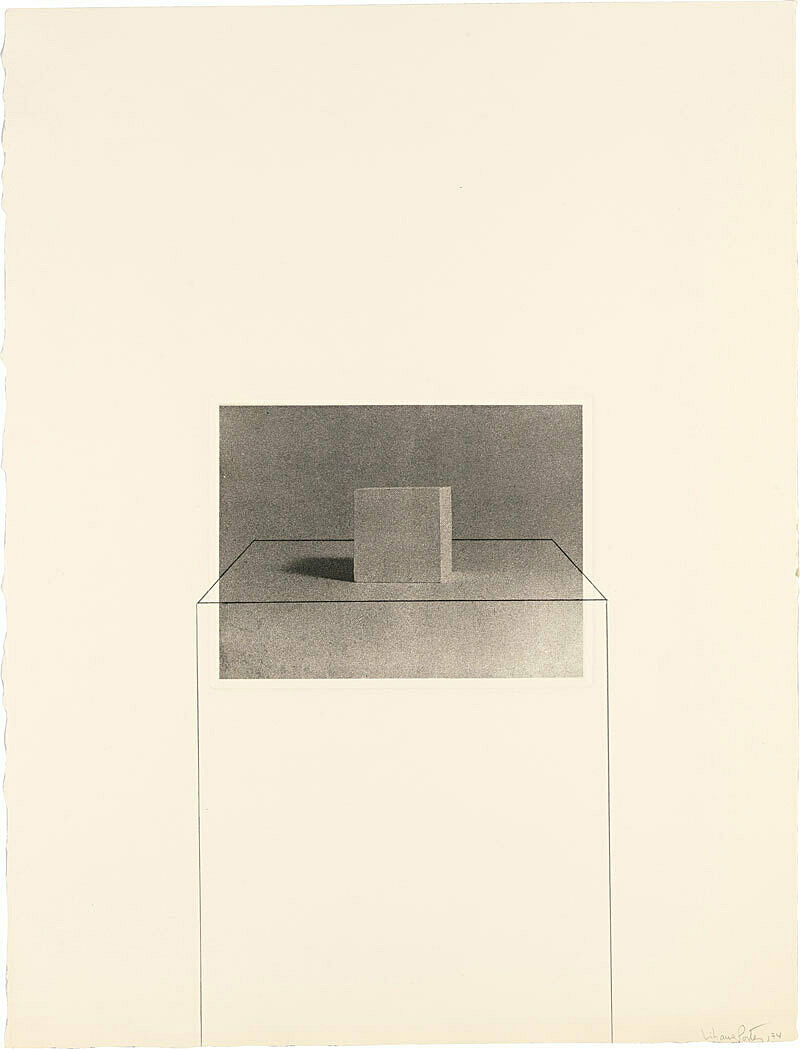
An etching of overlapping cubes.

Liliana Porter, Untitled (with Cube – tall), 1974. Photoetching and graphite pencil: sheet (irregular), 31 3/4 × 24 3/8 in. (80.6 × 61.9 cm); image (composition), 19 1/2 × 12 1/2 in. (49.5 × 31.8 cm); image, 8 7/8 × 11 5/8 in. (22.5 × 29.5 cm). Whitney Museum of American Art, New York; purchase, with funds from the Print Committee 2011.89 © Liliana Porter courtesy of Barbara Krakow Gallery, Boston, MA

LILIANA PORTER (B. 1941), UNTITLED (WITH CUBE – TALL), 1974

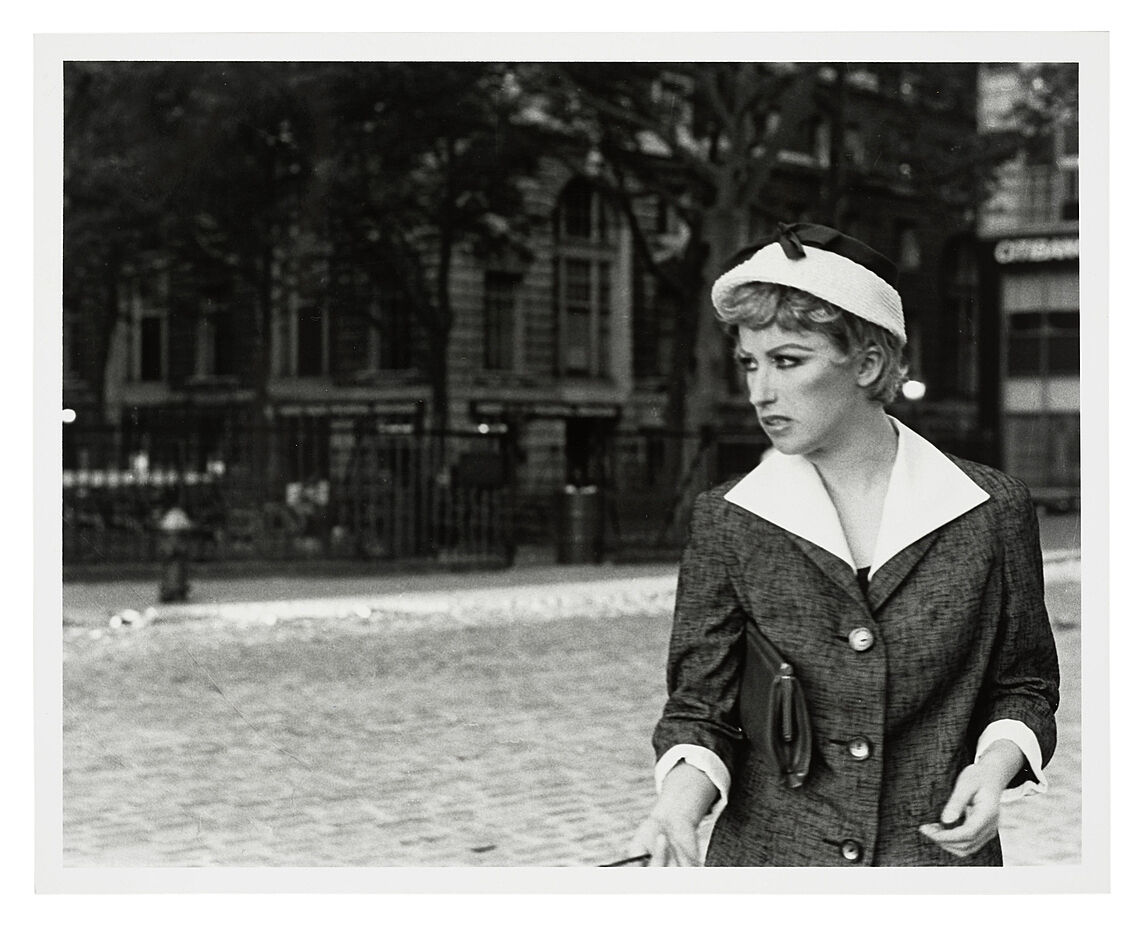
Cindy Sherman (b. 1954), Untitled Film Still #23, 1978. Gelatin silver print: sheet, 8 × 9 15/16 in. (20.3 × 25.2 cm); image, 7 1/2 × 9 7/16 in. (19.1 × 24 cm); frame, 14 1/4 × 16 × 1 3/8 in. (36.2 × 40.6 × 3.5 cm). Whitney Museum of American Art, New York; gift of Thea Westreich/Ethan Wagner 2010.221 © Cindy Sherman; courtesy the artist and Metro Pictures

CINDY SHERMAN (B. 1954), UNTITLED FILM STILL #23, 1978


Artists


Explore works from this exhibition
in the Whitney's collection

View 646 works

On the Hour

A 30-second online art project:
Frank WANG Yefeng, The Levitating Perils #2

Learn more about this project

Learn more at whitney.org/artport

On the Hour projects can contain motion and sound. To respect your accessibility settings autoplay is disabled.