
Human Interest: Portraits from the Whitney’s Collection | Art & Artists
Apr 2, 2016–Apr 2, 2017
Human Interest: Portraits from the Whitney’s Collection | Art & Artists
Exhibition works
15 total
Street Life





Artists
- Berenice Abbott
- Ansel Adams
- Ivan Le Lorraine Albright
- Charles Henry Alston
- Eleanor Antin
- Diane Arbus
- Cory Arcangel
- David Armstrong
- Robert Arneson
- Asco
- Charles Atlas
- Alice Attie
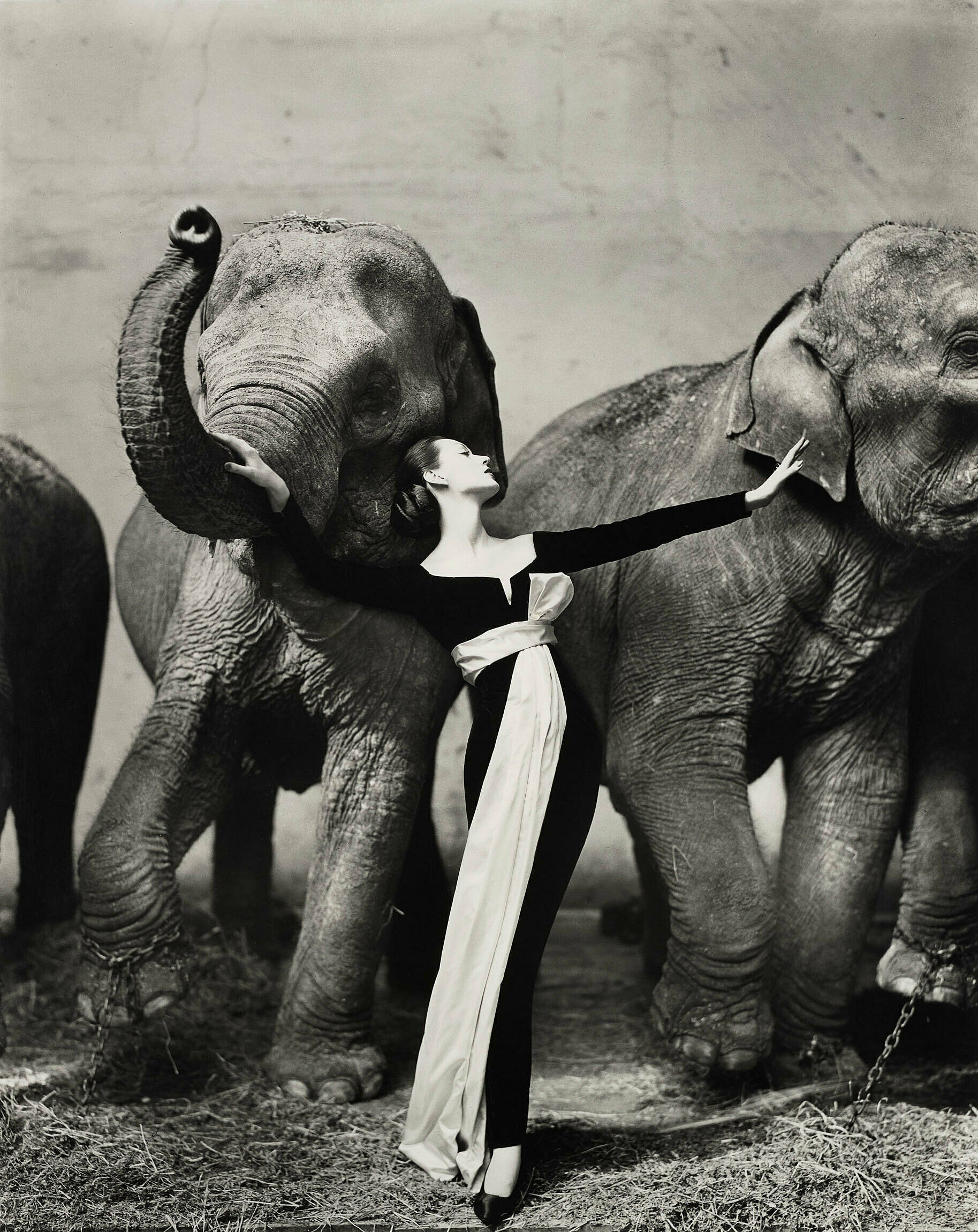
- Richard Avedon
- Sid Avery
- Peggy Bacon
- Alex Bag
- Alvin Baltrop
- Jared Bark
- Tina Barney
- Leonard Baskin
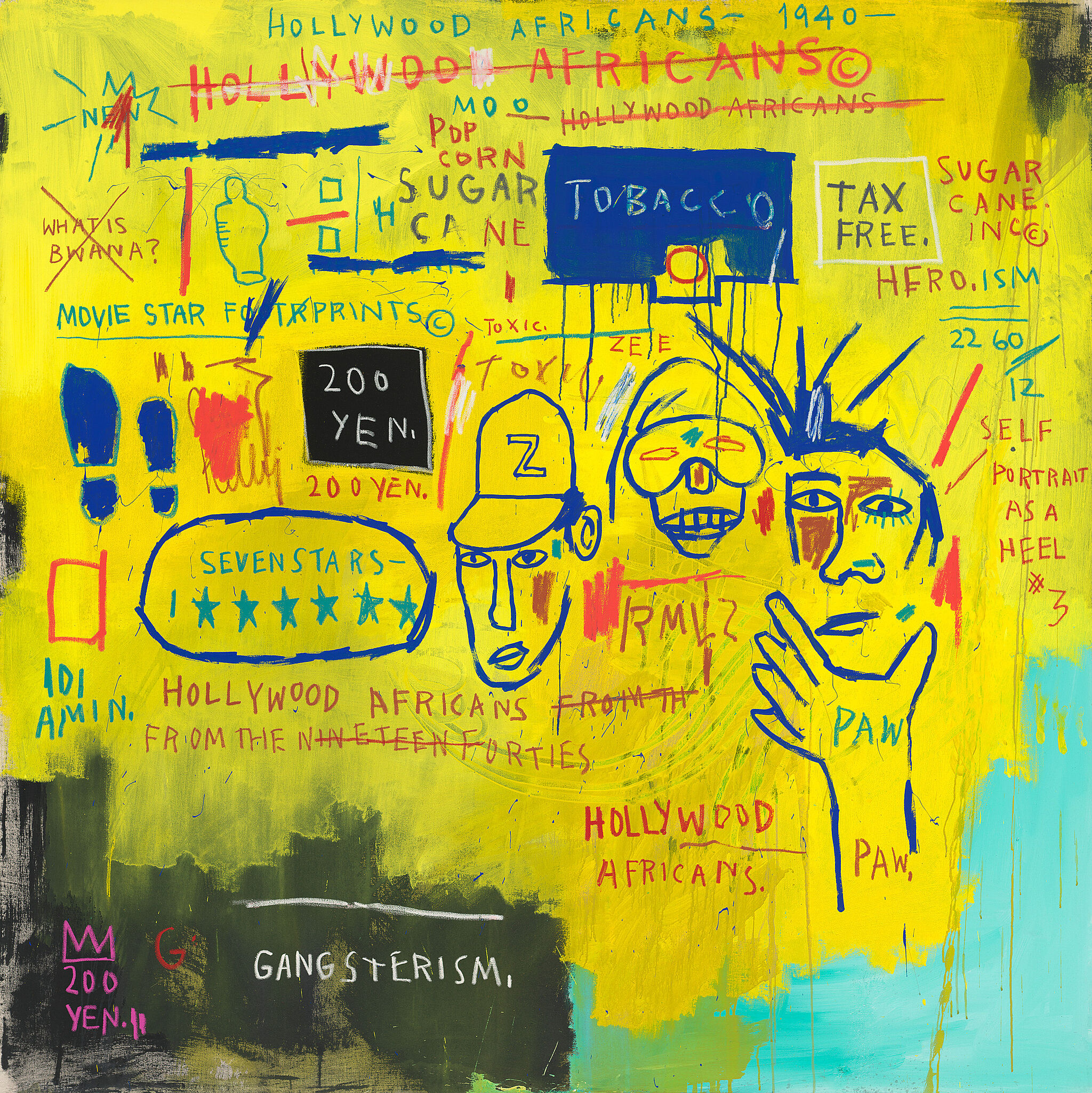
- Jean-Michel Basquiat
- David Bates
- Cecilia Beaux
- Robert Bechtle
- Robert Beck
- George Bellows
- Billy Al Bengston
- Judith Bernstein
- Forrest Bess
- Dawoud Bey
- Ashley Bickerton
- Ilse Bing
- Isabel Bishop
- Blythe Bohnen
- Louise Bourgeois
- Hans Breder
- Paul Cadmus
- Alexander Calder
- Federico Castellón
- Elizabeth Catlett
- Talia Chetrit
- Leidy Churchman
- Chuck Close
- Anne Collier
- Howard Cook
- John Coplans
- Joseph Cornell
- Ralston Crawford
- Njideka Akunyili Crosby
- Imogen Cunningham
- Louise Dahl-Wolfe
- Allan D'Arcangelo
- Bruce Davidson
- Roy DeCarava
- Jay DeFeo
- Willem de Kooning
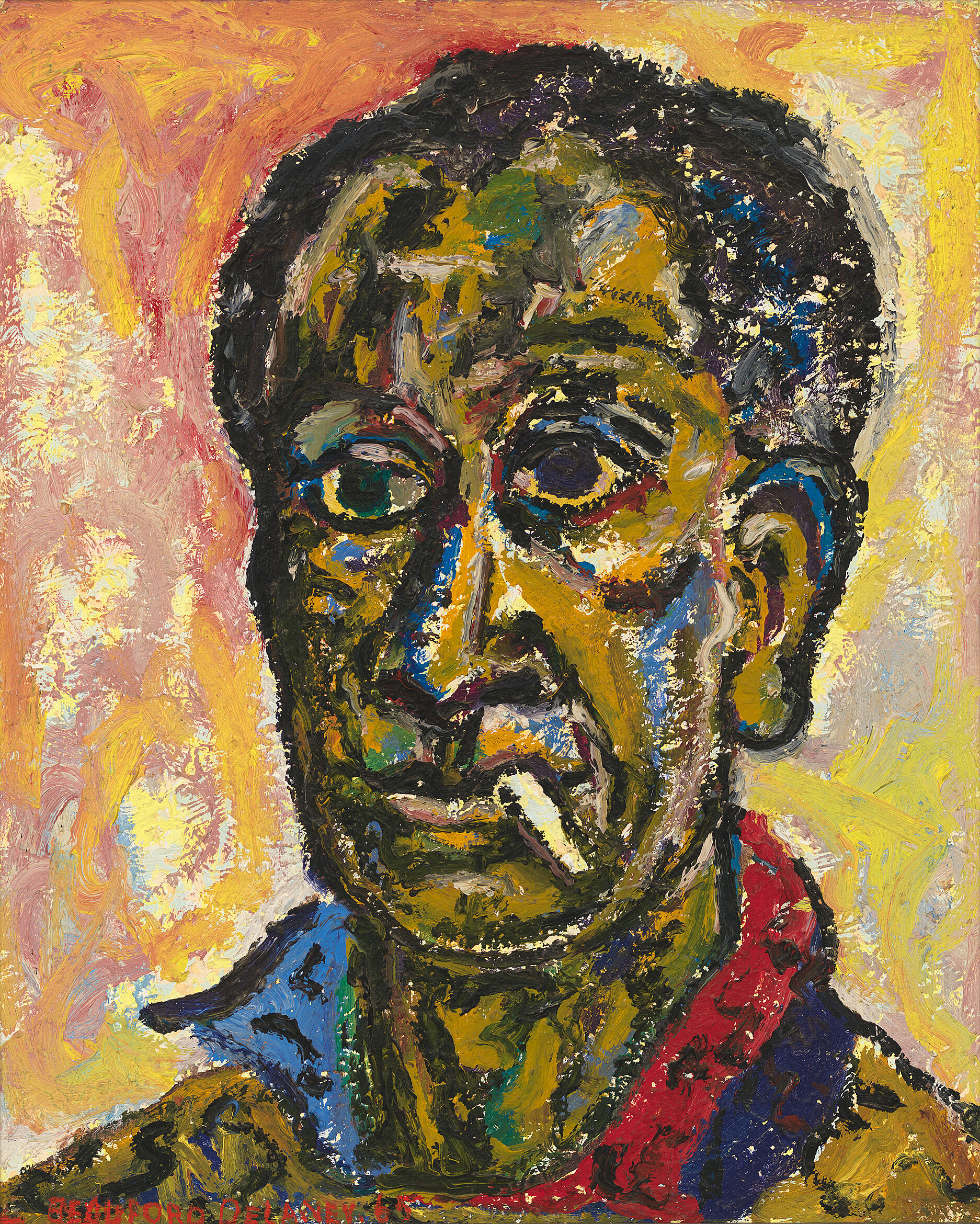
- Beauford Delaney
- Charles Demuth
- Agnes Denes
- Jimmy DeSana
- Philip-Lorca diCorcia
- Louis H. Draper
- Rosalyn Drexler
- Guy Pène Du Bois
- Mabel Dwight
- Harold Edgerton
- William Eggleston
- Nicole Eisenman
- Roe Ethridge
- Walker Evans
- Louis Faurer
- Andreas Feininger
- Larry Fink
- Urs Fischer
- Audrey Flack
- Robert Frank
- LaToya Ruby Frazier
- Lee Friedlander
- Nan Goldin
- Jack Goldstein
- Arshile Gorky
- John D. Graham
- Katy Grannan
- Stephen Greene
- Timothy Greenfield-Sanders
- Renée Green
- Scott Grieger
- Nancy Grossman
- Susan Hall
- Duane Hanson
- K8 Hardy
- Lyle Ashton Harris
- Rachel Harrison
- Grace Hartigan
- Marsden Hartley
- David Hartt
- Kenneth Hartwell
- Barkley L. Hendricks
- Robert Henri
- Anthony Hernandez
- Leslie Hewitt
- Lewis Hine
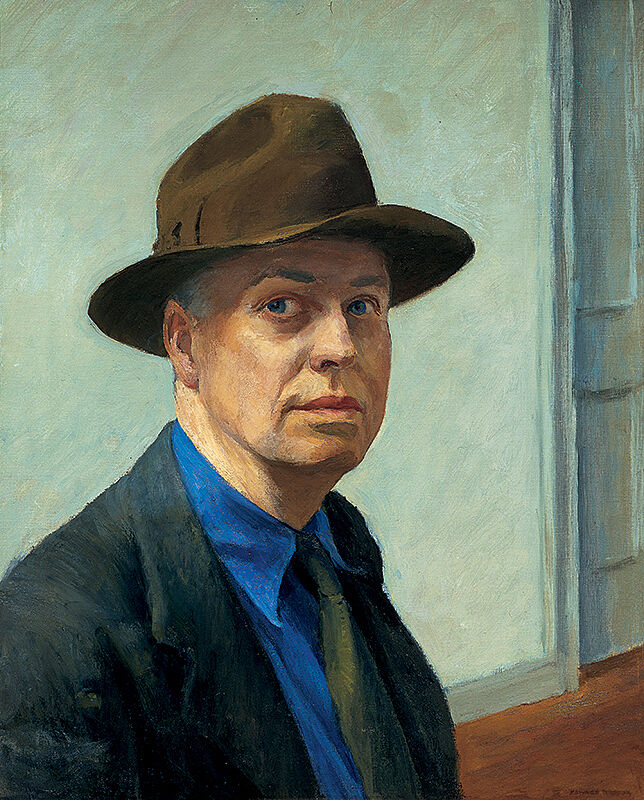
- Edward Hopper
- Douglas Huebler
- Peter Hujar
- Jasper Johns
- Howard Kanovitz
- Deborah Kass
- Alex Katz
- Mike Kelley
- Mary Kelly
- Rockwell Kent
- Karen Kilimnik
- Byron Kim
- Robert Kinmont
- William Klein
- Josh Kline
- Walt Kuhn
- Gaston Lachaise
- Sean Landers
- Louise Lawler
- Deana Lawson
- Rico Lebrun
- Arthur Lee
- Saul Leiter
- Annette Lemieux
- Alfred Leslie
- Leon Levinstein
- Helen Levitt
- Jerome Liebling
- Glenn Ligon
- Kalup Linzy
- Robert Longo
- Louis Lozowick
- Sally Mann
- Man Ray
- Robert Mapplethorpe
- Marisol
- Kerry James Marshall
- Cynthia Maughan
- Paul McCarthy
- Ryan McGinley
- Richard McLean
- Susan Meiselas
- Ana Mendieta
- Joel Meyerowitz
- Toyo Miyatake
- Mark Morrisroe
- Vik Muniz
- Gerald Murphy
- Wangechi Mutu
- Billy Name
- Bruce Nauman
- Alice Neel
- Shirin Neshat
- Louise Nevelson
- Arnold Newman
- Dorothy Norman
- Georgia O'Keeffe
- Catherine Opie
- Alfonso Ossorio
- Tod Papageorge
- Gordon Parks
- Philip Pearlstein
- Irving Penn
- Elizabeth Peyton
- Jack Pierson
- Fairfield Porter
- Liliana Porter
- Richard Prince
- Yvonne Rainer
- Robert Rauschenberg
- Charles Ray
- Larry Rivers
- Martha Rosler
- Theodore Roszak
- Edward Ruscha
- Alison Saar
- Lucas Samaras
- Jacolby Satterwhite
- Peter Saul
- Morton Schamberg
- Julian Schnabel
- Collier Schorr
- Georges Schreiber
- Joan Semmel
- Jamel Shabazz
- Ben Shahn
- Jack Shear
- Charles Sheeler
- Cindy Sherman
- Paul Sietsema
- Gary Simmons
- Laurie Simmons
- Avery Singer
- Sylvia Sleigh
- John Sonsini
- Alec Soth
- Moses Soyer
- Raphael Soyer
- Edward Steichen
- Joseph Stella
- Albert Sterner
- Florine Stettheimer
- Rudolf Stingel
- John Storrs
- Paul Strand
- Sturtevant
- Henry Taylor
- Val Telberg
- Dox Thrash
- George Tooker
- Jerry N. Uelsmann
- Stewart Uoo
- James Van Der Zee
- Carl Van Vechten
- JoAnn Verburg
- David Vestal
- Abraham Walkowitz
- Andy Warhol
- Idelle Weber
- Weegee
- Carrie Mae Weems
- James Welling
- Edward Weston
- Gertrude Vanderbilt Whitney
- T. J. Wilcox
- John Wilde
- Hannah Wilke
- Martha Wilson
- Garry Winogrand
- Jonas Wood
- Francesca Woodman
- Andrea Zittel