Sixties Surreal | Art & Artists

Sept 24, 2025–Jan 19, 2026


Exhibition works

10 total
Assembling
Read more

Assembling


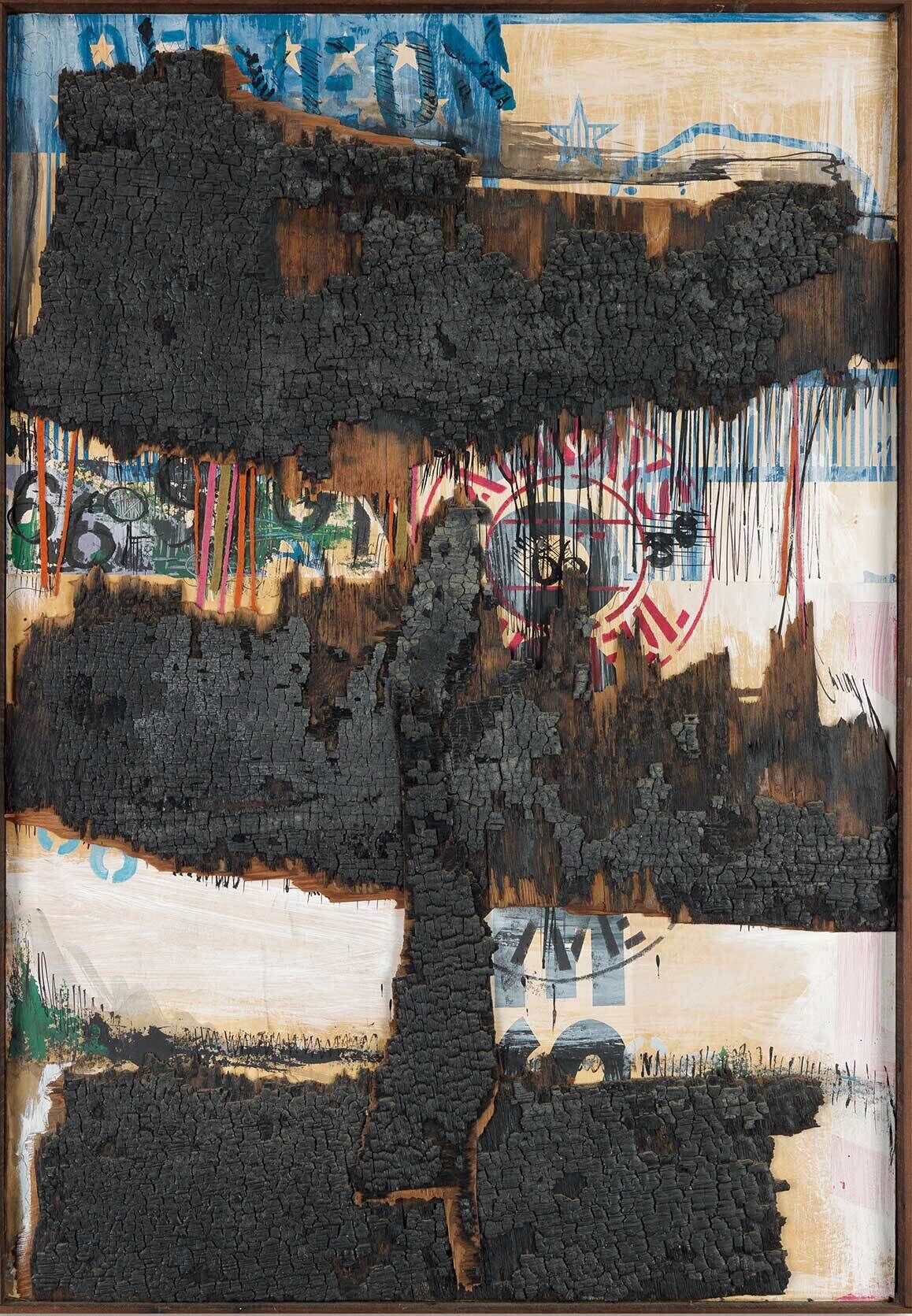
A large, charred, burnt wooden surface with layers of paint, numbers, stars, and abstract shapes partially visible underneath.

Noah Purifoy, Untitled (66 Signs of Neon), 1966. Mixed media assemblage, including burnt wood, acrylic, stencil and color felt, on plywood board, 52 x 36 in. (132 x 91.4 cm). Collection of Christine Ogata and John Baker. Courtesy Noah Purifoy Foundation. © Noah Purifoy. Photograph by Swann Auction Galleries

Assembling

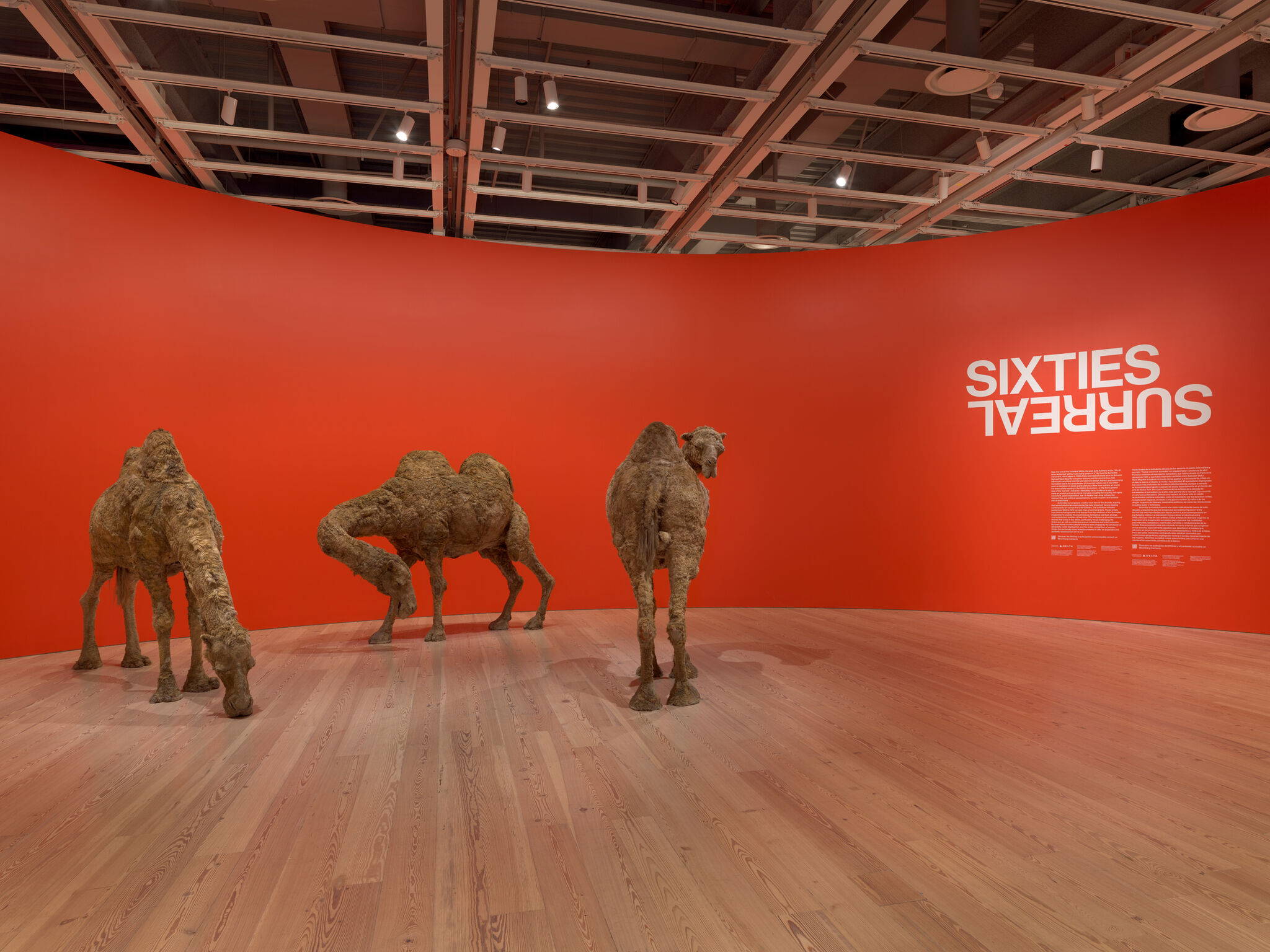
For the historic Surrealists, working with found objects—often gathered from the streets and flea markets of Paris—was a means of challenging the primacy of reason over emotion and crafting poetic associations intended to invoke the creative power of the subconscious mind. Artists working in the 1960s relied on similar techniques to create their assemblages and collages, but, by this time, these methods had evolved from their Surrealist roots to offer a means of opening up new associations with contemporary social or political conditions. The Bay Area artists associated with Bruce Connor’s Rat Bastard Protective Association (active 1957–60) challenged commercial tendencies with inflammatory work that made use of materials like discarded junk and storefront signage. In Southern California and Texas, the satirical and often vulgar sculptures of Edward Kienholz became widely influential. And in South Central Los Angeles, Noah Purifoy and Judson Powell organized the 1966 exhibition 66 Signs of Neon, which included works made in the aftermath of the 1965 Watts Rebellion, illustrating the importance of assemblage as a means for community self-expression. One participant in the exhibition, John Outterbridge, proclaimed that the foundations of the works’ meaning were “not merely material but the material and essence of the political climate.”

Following the Watts Rebellion—a series of violent confrontations between police and residents of predominantly Black Los Angeles neighborhoods in 1965—Noah Purifoy sought to give new life to the masses of rubble littering his neighborhood streets. He scavenged charred wood, chunks of smashed automobiles, melted neon signage, and other materials he called "jewels" from the debris, repurposing them in his work and the exhibition 66 Signs of Neon, which opened in Watts in 1966 before traveling nationwide.

Ed Bereal, Focke-Wulf FW 190, 1960

A childhood fascination with the mechanical engineering of cars and airplanes prompted the gritty, machine-like forms of Ed Bereal's early works—Focke-Wulf FW 190 among them. The swastika seen at the sculpture's center was a frequent element in the artist's practice. Though no avant-garde application can wholly erase its hateful connotations, Bereal uses the symbol here in its original orientation, which is representative of good fortune or divinity in many cultures. This strategic deployment functions as a commentary on the potential of visual phenomena to physically arrest, compel, and manipulate attention. Soon after making this work, Bereal rejected the embrace of the predominantly white art world in search of a more sociopolitical mode of artmaking.

Melvin Edwards, Cotton Hangup, 1966

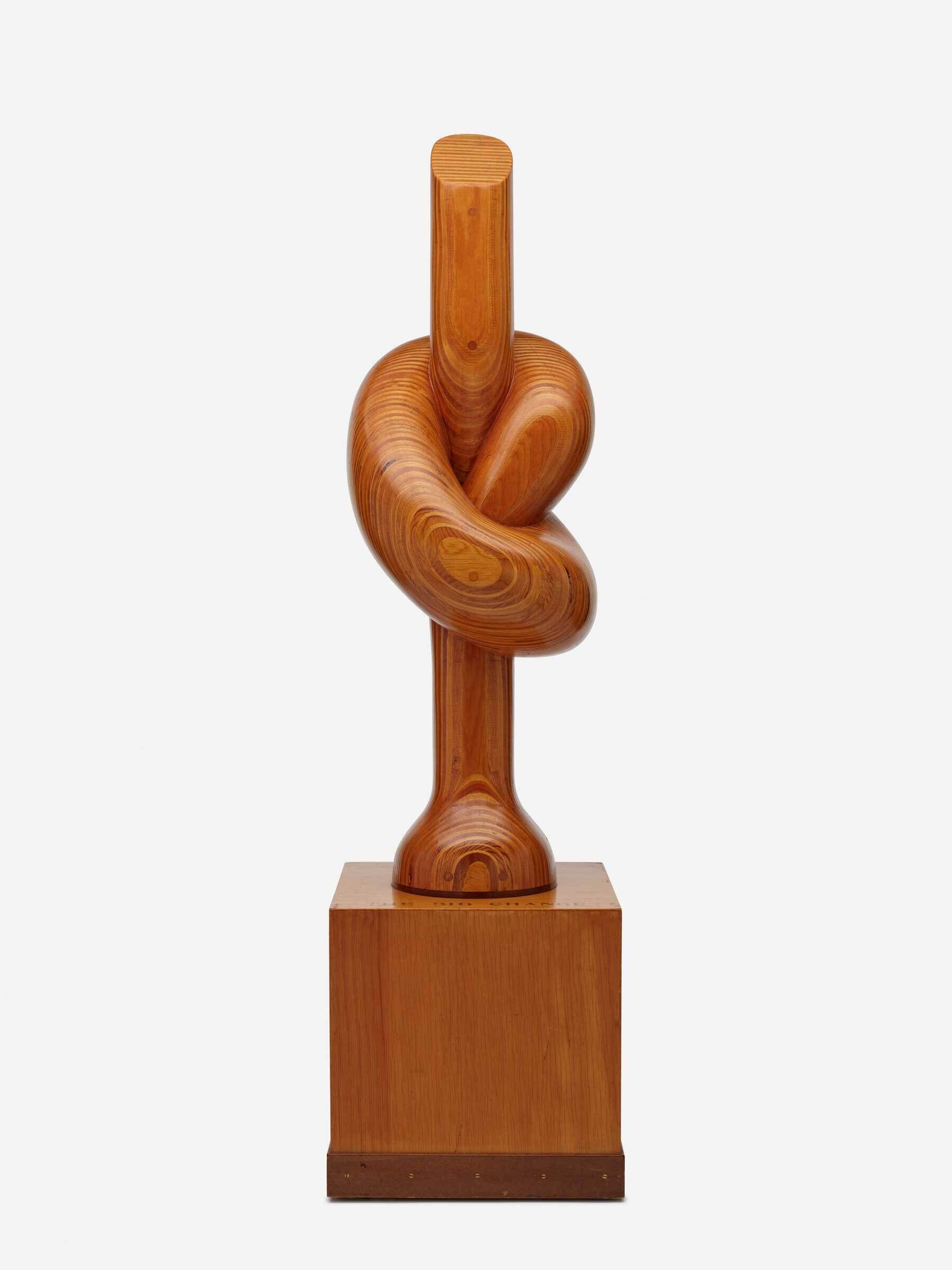
Melvin Edwards uses assemblage to examine histories of racism and anti-Blackness in the United States. Rather than explicitly visualizing scenes of slavery or forced labor, Edwards's welded sculptures employ abstraction as a means of alluding to these violent practices. Cotton Hangup is one such example—made from repurposed industrial equipment, the work's suspended form evokes the connected histories of lynching, cotton-picking, and sharecropping in the US.

Roy Fridge, The Great Spinning Arrow Consolating Console, 1966

The Great Spinning Arrow Consolating Console is one of the many intricate "wooden machines" Roy Fridge made while living in self-isolation along the eastern coastline of his home state of Texas. Carved by hand from meager materials, the sculpture becomes a surreal stand-in for a human being. Its array of gears, cranks, and pedals simultaneously suggests and discourages physical intimacy. Fridge's work echoes the sensibilities of his friends David McManaway and Jim Love: the three artists exemplified a humorous and sophisticated approach to artmaking that was characteristic of the Texas art scene at the time.

Jack Smith, Scotch Tape, 1959–62

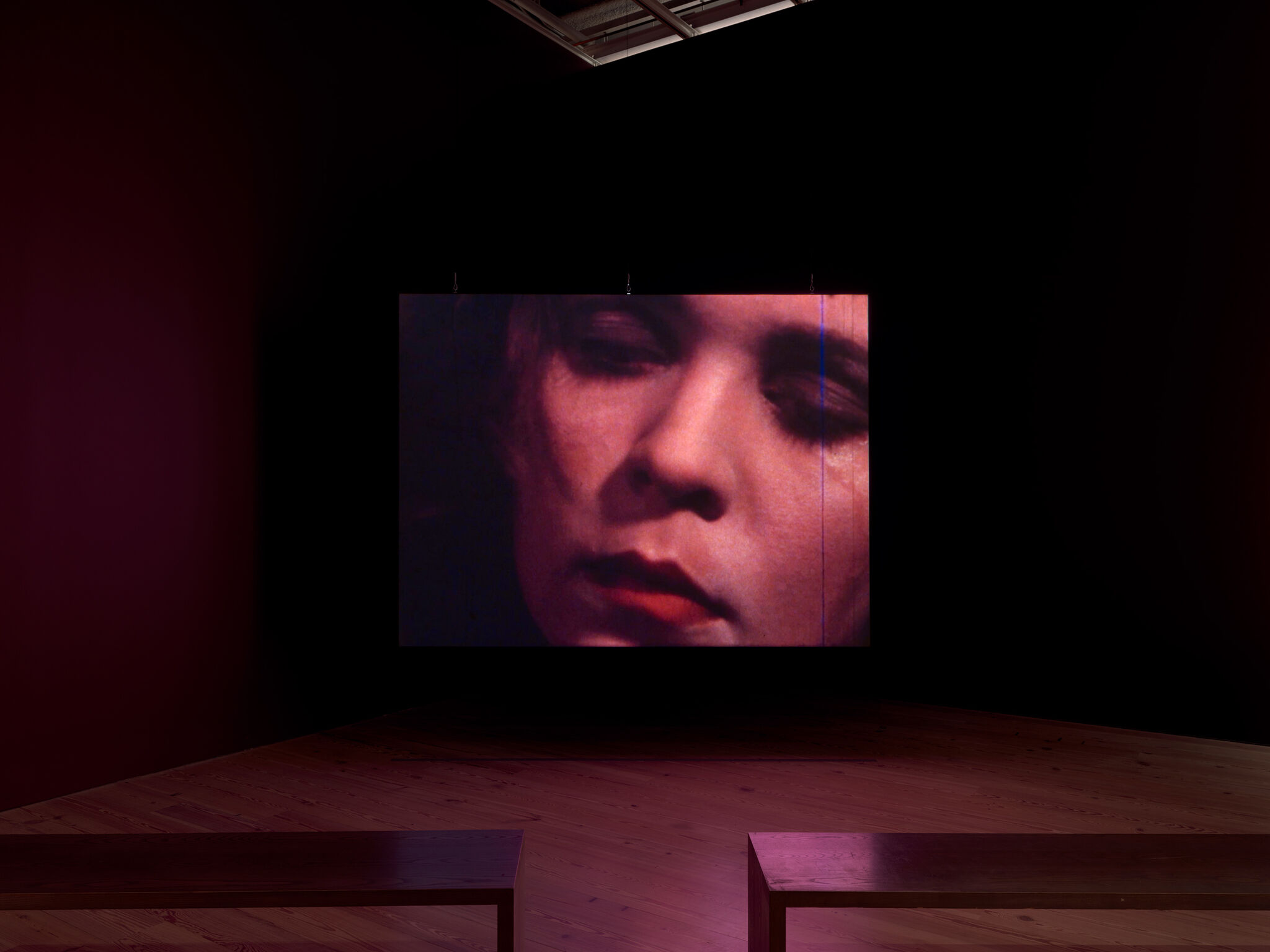
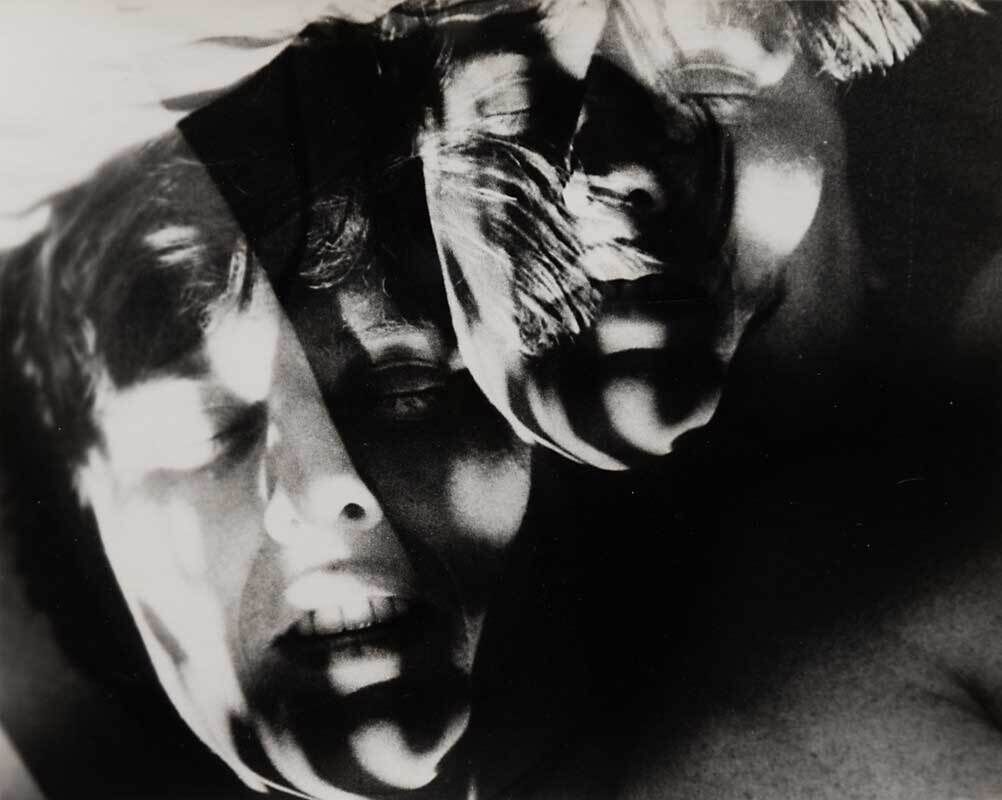
Jack Smith's Scotch Tape presents actors Reese Haire and Jerry Sims and filmmaker Ken Jacobs traipsing through the neighborhood that was destroyed to make way for Lincoln Center. The work takes its title from the piece of transparent tape caught inside the camera, an embrace of error and spontaneity that recalls the historic Surrealist strategies of chance and automatism, or creating art without conscious thought.


Artists

On the Hour

A 30-second online art project:
Frank WANG Yefeng, The Levitating Perils #2

Learn more about this project

Learn more at whitney.org/artport

On the Hour projects can contain motion and sound. To respect your accessibility settings autoplay is disabled.