Sixties Surreal | Art & Artists

Sept 24, 2025–Jan 19, 2026


Exhibition works

10 total
Enigma
Read more

Enigma


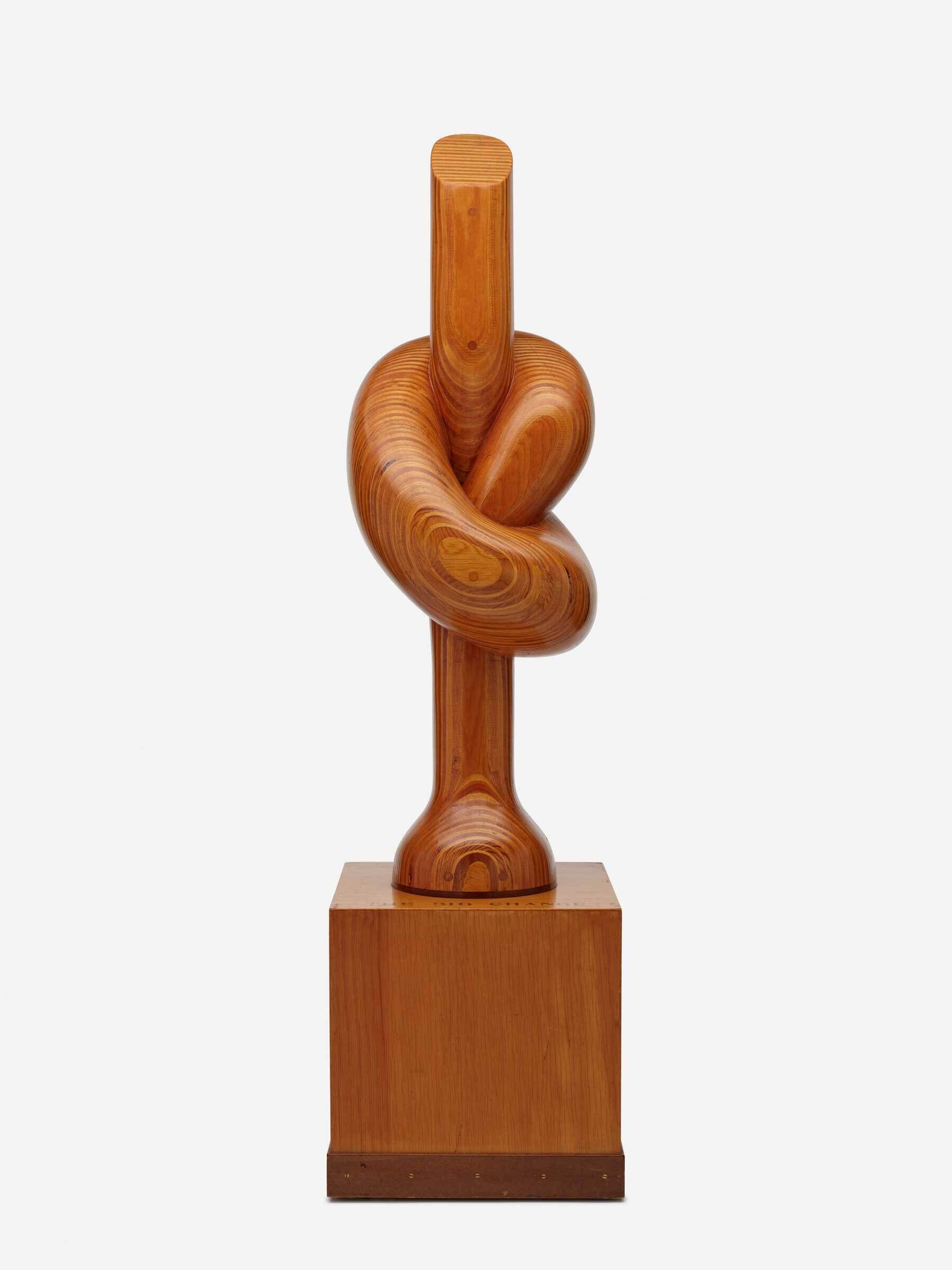
A smooth wooden sculpture shaped like a thick stick tied in a knot, standing on a square base.

H.C. Westermann, The Big Change, 1963. Douglas fir marine plywood, Masonite and ink, 75 3/8 x 20 1/4 x 20 1/4 in (191.5 x 51.4 x 51.4 cm). The Art Institute of Chicago; Gift of the Estate of Alan and Dorothy Press in acknowledgment of their family. © 2025 Dumbarton Arts, LLC / Licensed by VAGA at Artists Rights Society (ARS), NY. Image courtesy the Art Institute of Chicago / Art Resource, NY

Enigma
A smooth wooden sculpture shaped like a thick stick tied in a knot, standing on a square base.

H.C. Westermann, The Big Change, 1963. Douglas fir marine plywood, Masonite and ink, 75 3/8 x 20 1/4 x 20 1/4 in (191.5 x 51.4 x 51.4 cm). The Art Institute of Chicago; Gift of the Estate of Alan and Dorothy Press in acknowledgment of their family. © 2025 Dumbarton Arts, LLC / Licensed by VAGA at Artists Rights Society (ARS), NY. Image courtesy the Art Institute of Chicago / Art Resource, NY

H. C. Westermann, The Big Change, 1963

This sculpture seems to have been hewn from a single enormous log of Douglas fir, seamlessly manipulated as though it were a knot tied in a length of rope. However, H. C. Westermann created this work by affixing sheets of laminated plywood together in layers. The striations of the wood evoke the rings in a tree—a tromp l'oeil effect that recalls the vernacular woodcarving traditions Westermann admired. The title alludes to the radical social and political shifts that defined the 1960s. For several artists in this exhibition—who drew inspiration from Westermann—the knotted form has also come to symbolize the tying together of like-minded painters and sculptors across the country.

Jess, If All the World Were Paper and All the Water Sink, 1962

This work points to the artist's role in helping produce plutonium for the Manhattan Project and his anxieties about the atomic age. A central figure in the Bay Area art scene, Jess combined unrelated images to create new meanings, relying on both esoteric and traditional symbolism. A nuclear mushroom cloud is encircled with the Greek letter Omega, signifying an apocalypse, and a parrot, representing folly, swallows an owl with a key, representing wisdom. In one interpretation, the owl has unlocked the secret of the ultimate folly: nuclear destruction. The silhouetted figure stands in for both the artist and the viewer; he is observing the violence of the century, even as innocent children play in the center of the composition.

Don Potts, My First Car: Basic Chassis, 1970

Having gained notice in the 1967 exhibitions Eccentric Abstraction and Funk with sculptures that appeared to be, but were not, functional vehicles, tools, or enclosures, Don Potts decided to build a car frame. He built the static Basic Chassis with his brother Bob Potts, along with the functional, radio-controlled The Master Chassis (1970). The brothers also created two car bodies, which could be integrated into either chassis, changing their outward form while maintaining their underlying structure. Basic Chassis is both organic and mechanical, exposed and invulnerable. Potts chose the car as his subject because its form exerted a clear set of functional demands and because it could stand in for that other locomotive machine: a human being.

Harold Stevenson, The New Adam, 1962

In the nine-panel, photorealistic painting, The New Adam, Harold Stevenson reimagines Michelangelo's famous Sistine Chapel fresco of Adam extending his finger toward the hand of God by redirecting the subject's gesture inward. Stevenson felt that advertising had reduced the human form to a prop for displaying clothes or selling appliances. He wanted to refocus the eye on the enormous significance of the body and the viewer's gaze. Through the warm glow that suffuses this image, Stevenson sought to evoke his belief in the human soul within each body. The queer film icon Sal Mineo modeled for the painting, which was an homage to Stevenson's lover Timothy Willoughby.


Artists

On the Hour

A 30-second online art project:
Frank WANG Yefeng, The Levitating Perils #2

Learn more about this project

Learn more at whitney.org/artport

On the Hour projects can contain motion and sound. To respect your accessibility settings autoplay is disabled.