An Incomplete History of Protest: Selections from the Whitney’s Collection, 1940–2017

Aug 18, 2017–Aug 27, 2018


Exhibition works

8 total
No Idle Gesture
Read more

No Idle Gesture


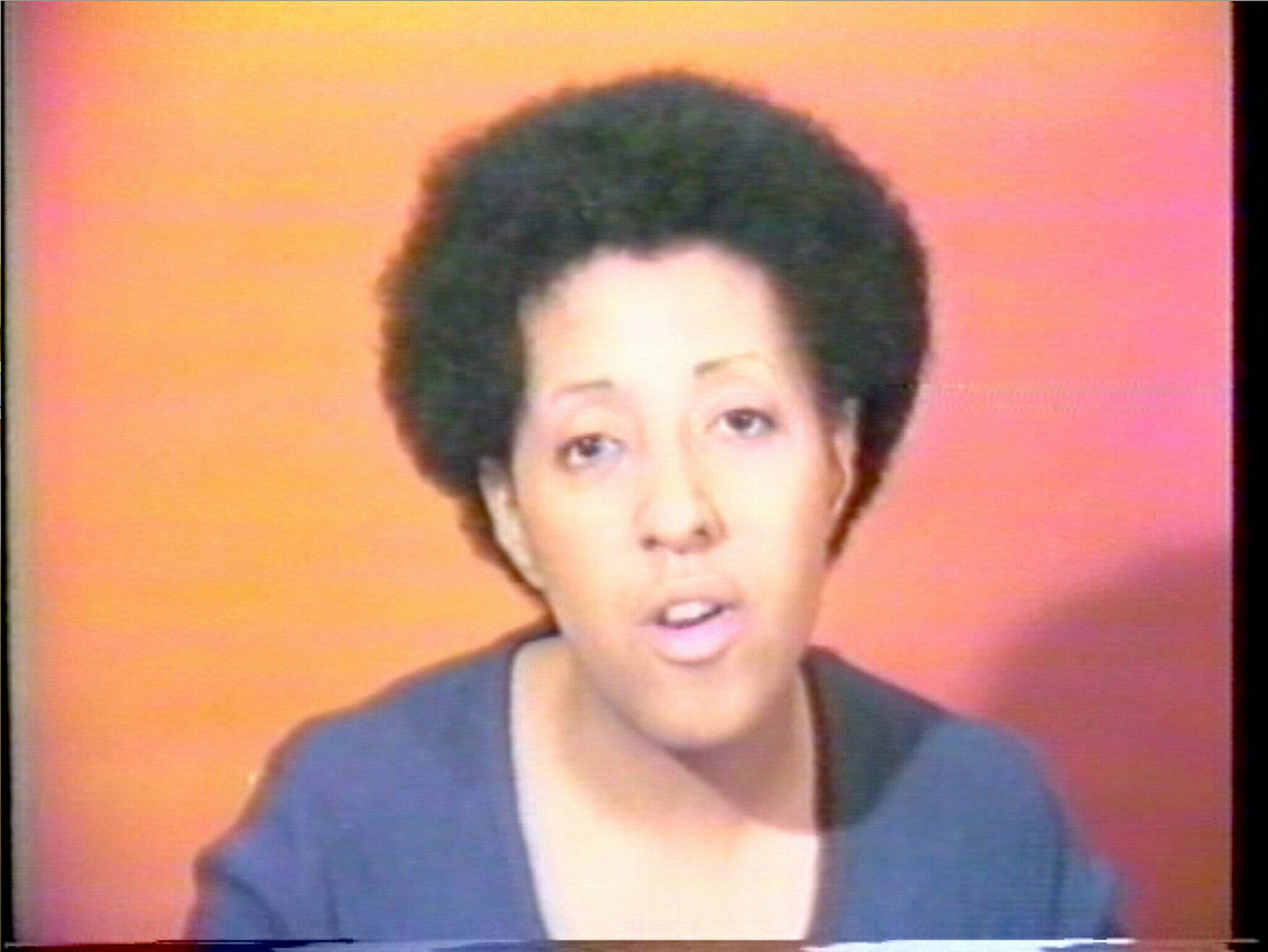
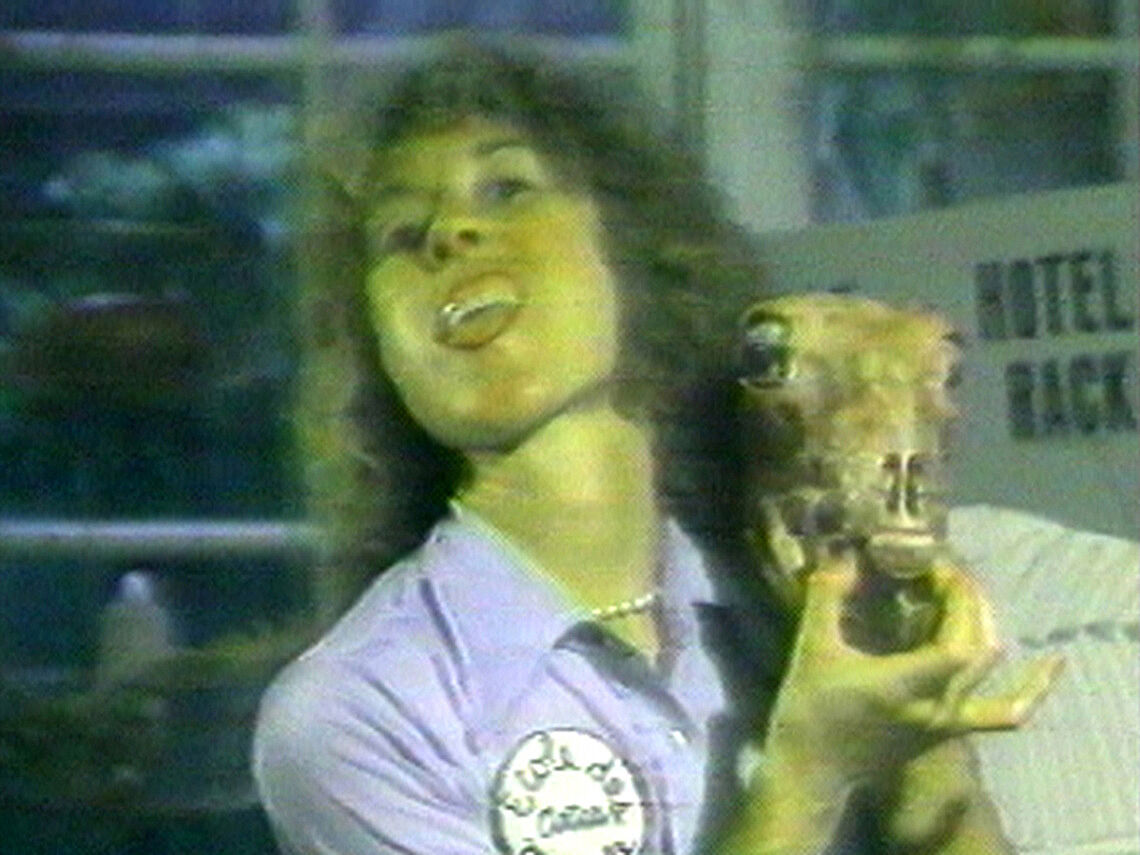
Film still of a woman's head against an orange background.

Howardena Pindell (b. 1943), still from Free, White and 21, 1980. Video, color, sound; 12:15 min. Whitney Museum of American Art, New York; purchase with funds from the Film, Video, and New Media Committee  2015.35. © Howardena Pindell

No Idle Gesture

Beginning in the 1960s, the feminist movement grew increasingly vocal and influential. Advocating for the legal and social rights of women, it addressed reproductive freedom, domestic and sexual violence, and the family, among other pressing concerns. These works focus on feminist explorations of labor, whether in the home or workplace.

The slogan “the personal is political” became both rallying cry and directive in this period for many artists, both male and female, who often used video and photography to give visibility to their lived experiences. Suzanne Lacy and Martha Rosler employ absurdity and humor to suggest that meaning and gendered roles are socially constructed. In her Free, White and 21 (1980), Howardena Pindell details her experiences with racism and sexism in both the feminist movement and in jobs, calling attention to the specific mental and emotional labor required of people of color in white-dominated spaces. Since the 1980s, the Guerrilla Girls have unmasked the unequal status of women as art workers and fought for the inclusion of women and people of color in major art institutions. Their protest is ongoing.

Film still of a woman's head against an orange background.

Howardena Pindell (b. 1943), still from Free, White and 21, 1980. Video, color, sound; 12:15 min. Whitney Museum of American Art, New York; purchase with funds from the Film, Video, and New Media Committee  2015.35. © Howardena Pindell

Howardena Pindell (b. 1943), still from Free, White and 21, 1980

Film still of a woman holding a meat carcass.

Suzanne Lacy (b. 1945), Learn Where the Meat Comes From, 1976. Video, color, sound, 14:20 min. Whitney Museum of American Art, New York; purchase with funds from the Film, Video, and New Media Committee 2014.142. © Suzanne Lacy, courtesy of Video Data Bank, www.vdb.org. Photograph by Raul Vega

Suzanne Lacy (b. 1945), Learn Where the Meat Comes From, 1976

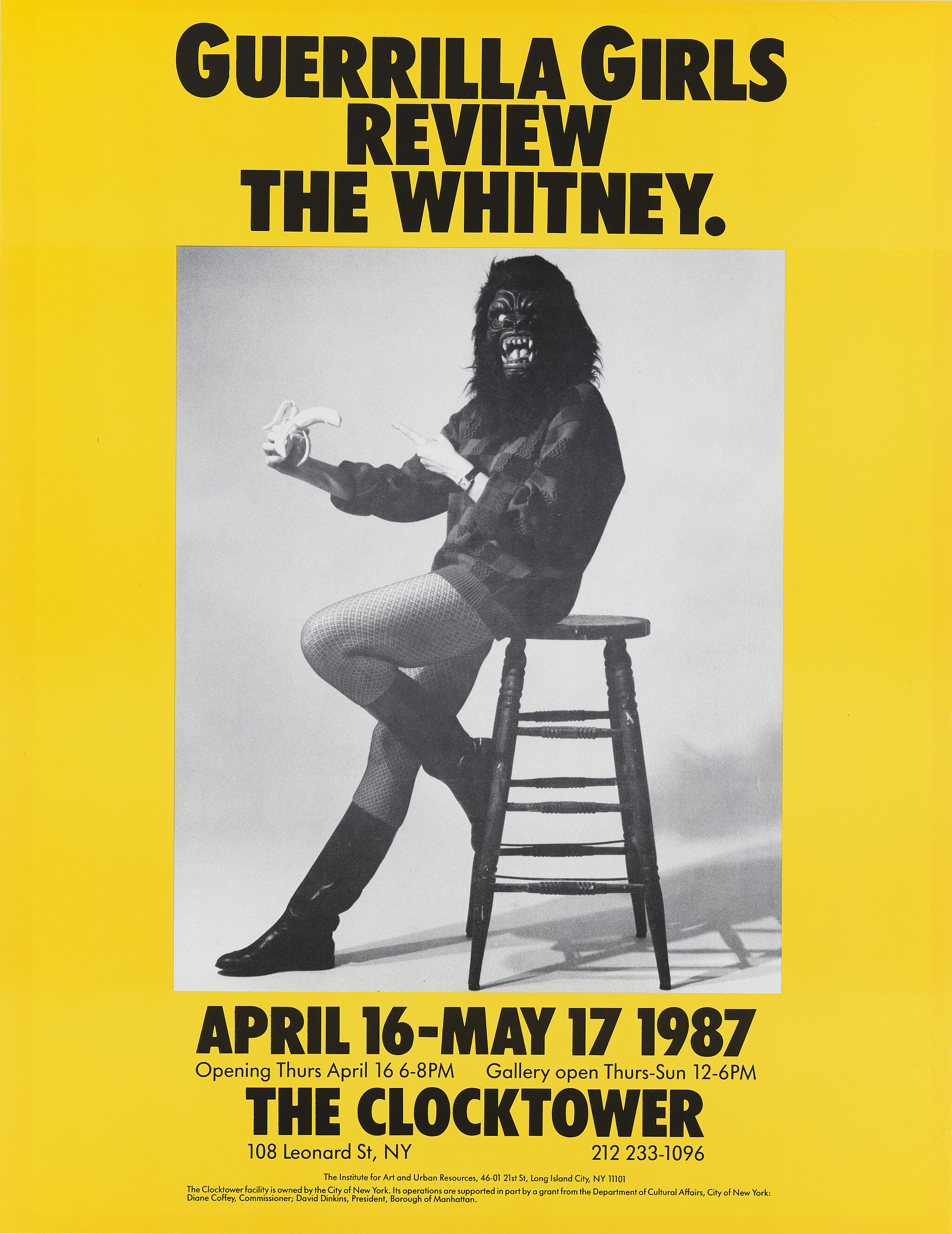
A yellow poster of a person in a gorilla suit siting on a stool.

Guerrilla Girls (active 1985–), Guerrilla Girls Review the Whitney, 1987. Offset lithograph, 22 × 17 in. (55.9 × 43.2 cm). Whitney Museum of American Art, New York; purchase 2000.91. © Guerrilla Girls

Guerrilla Girls (b. 1985), Guerrilla Girls Review the Whitney, 1987

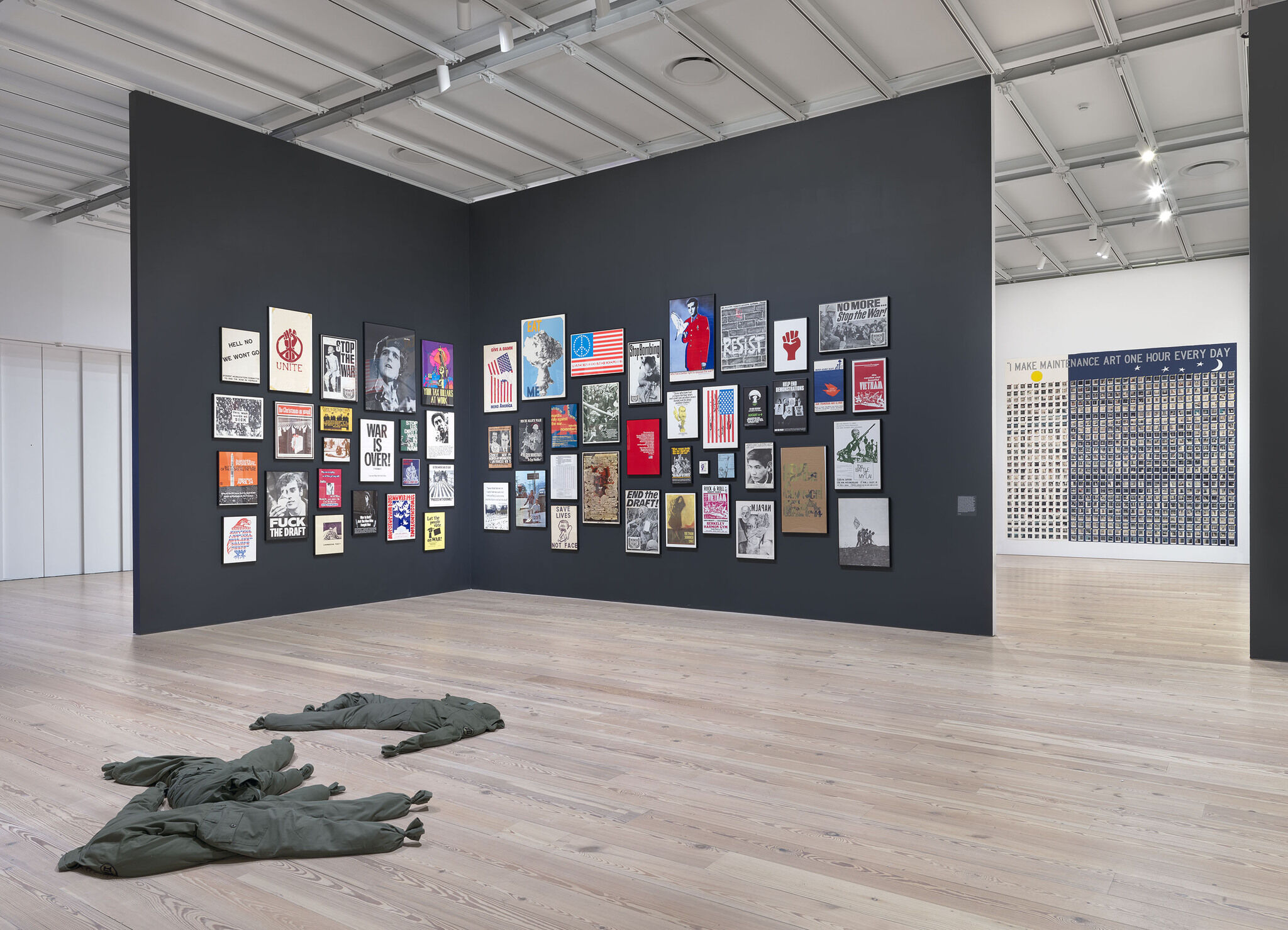
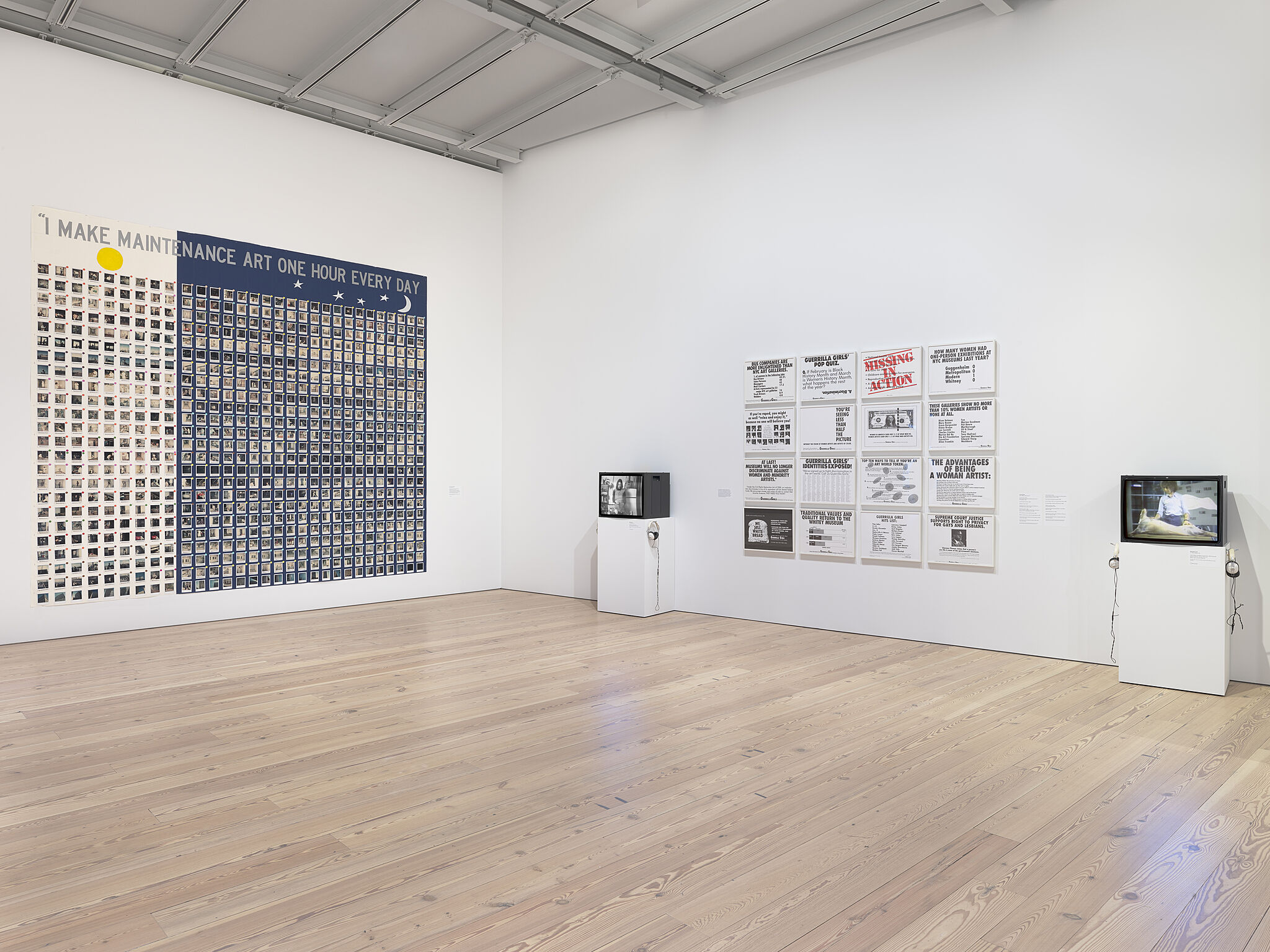
Installation view of An Incomplete History of Protest: Selections from the Whitney’s Collection, 1940-2017

Installation view of An Incomplete History of Protest: Selections from the Whitney’s Collection, 1940–2017 (Whitney Museum of American Art, New York, August 18, 2017–). From left to right, top to bottom: Mierle Laderman Ukeles, I Make Maintenance Art One Hour Every Day, September 16-October 20, 1976; Martha Rosler, Semiotics of the Kitchen, 1975; Guerrilla Girls, Bus Companies Are More Enlightened than NYC Art Galleries., 1989; Guerrilla Girls, Guerrilla Girls’ Pop Quiz., 1990; Guerrilla Girls, Missing in Action, 1991; Guerrilla Girls, How Many Women Had One-Person Exhibitions at NYC Museums Last Year?, 1985; Guerrilla Girls, If You’re Raped, You Might as Well “Relax and Enjoy It,” Because No One Will Believe You!, 1992; Guerrilla Girls, You’re Seeing Less than Half the Picture, 1989; Guerrilla Girls, Women in America Earn Only 2/3 of What Men Do, 1985; Guerrilla Girls, These Galleries Show No More than 10% Women Artists or None at All, 1985; Guerrilla Girls, At Last! Museums Will No Longer Discriminate against Women and Minority Artists, 1988; Guerrilla Girls, Guerrilla Girls Identities Exposed!, 1990; Guerrilla Girls, Top Ten Ways to Tell if You’re an Art World Token, 1995; Guerrilla Girls, The Advantages of Being a Woman Artist, 1988; Guerrilla Girls, We Sell White Bread, 1987; Guerrilla Girls, Traditional Values and Quality Return to the Whitney Museum, 1995; Guerrilla Girls, Guerrilla Girls Hits List, 1986; Guerrilla Girls, Supreme Court Justice Supports Right to Privacy for Gays and Lesbians., 1992; Suzanne Lacy, Learn Where the Meat Comes From, 1976. Photograph by Ron Amstutz

Installation view

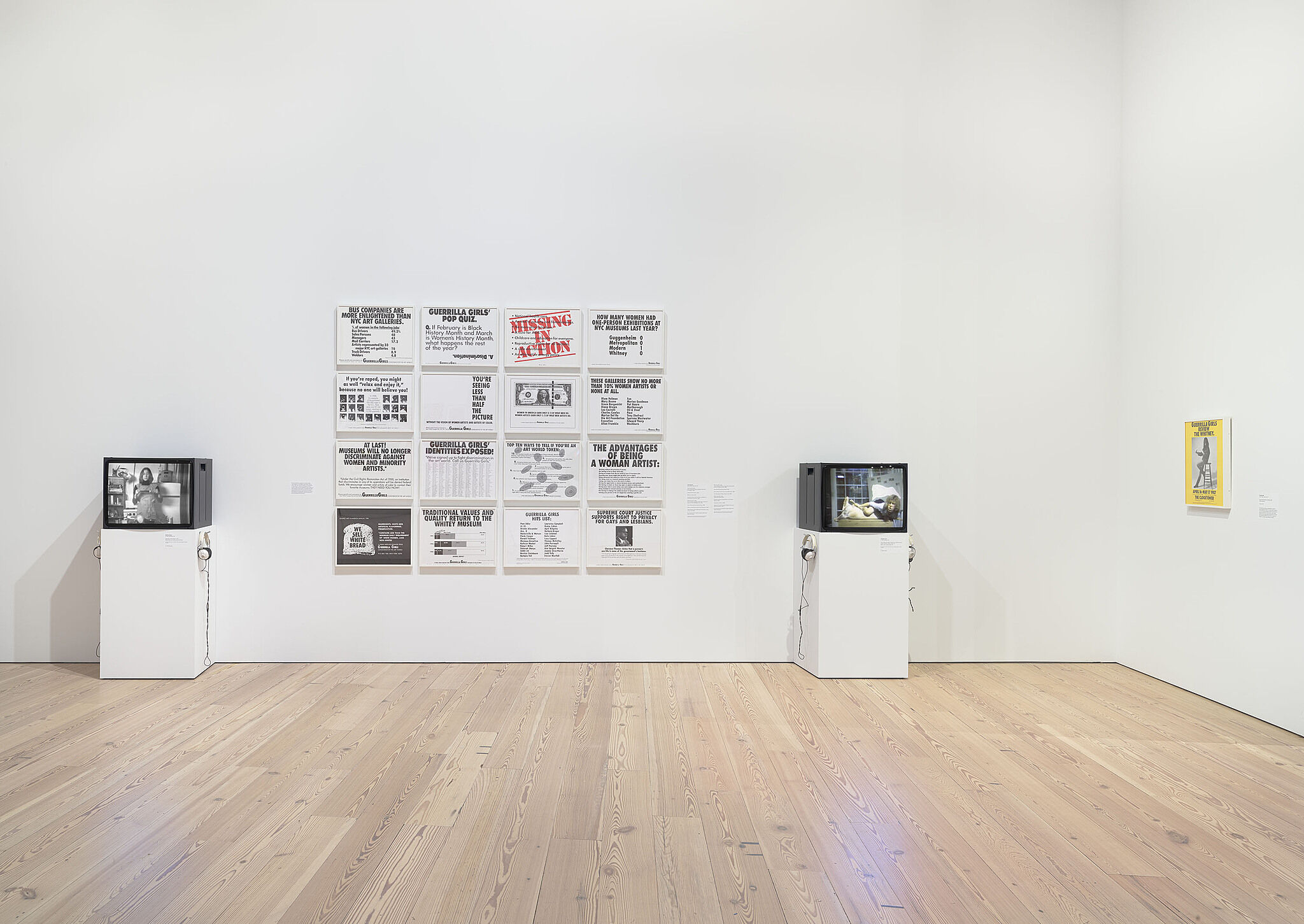
Installation view of An Incomplete History of Protest: Selections from the Whitney’s Collection, 1940–2017

Installation view of An Incomplete History of Protest: Selections from the Whitney’s Collection, 1940–2017 (Whitney Museum of American Art, New York, August 18, 2017–). From left to right, top to bottom: Martha Rosler, Semiotics of the Kitchen, 1975; Guerrilla Girls, Bus Companies Are More Enlightened than NYC Art Galleries., 1989; Guerrilla Girls, Guerrilla Girls’ Pop Quiz., 1990; Guerrilla Girls, Missing in Action, 1991; Guerrilla Girls, How Many Women Had One-Person Exhibitions at NYC Museums Last Year?, 1985; Guerrilla Girls, If You’re Raped, You Might as Well “Relax and Enjoy It,” Because No One Will Believe You!, 1992; Guerrilla Girls, You’re Seeing Less than Half the Picture, 1989; Guerrilla Girls, Women in America Earn Only 2/3 of What Men Do, 1985; Guerrilla Girls, These Galleries Show No More than 10% Women Artists or None at All, 1985; Guerrilla Girls, At Last! Museums Will No Longer Discriminate against Women and Minority Artists, 1988; Guerrilla Girls, Guerrilla Girls Identities Exposed!, 1990; Guerrilla Girls, Top Ten Ways to Tell if You’re an Art World Token, 1995; Guerrilla Girls, The Advantages of Being a Woman Artist, 1988; Guerrilla Girls, We Sell White Bread, 1987; Guerrilla Girls, Traditional Values and Quality Return to the Whitney Museum, 1995; Guerrilla Girls, Guerrilla Girls Hits List, 1986; Guerrilla Girls, Supreme Court Justice Supports Right to Privacy for Gays and Lesbians., 1992; Suzanne Lacy, Learn Where the Meat Comes From, 1976; Guerrilla Girls, Guerrilla Girls Review the Whitney, 1987. Photograph by Ron Amstutz

Installation view

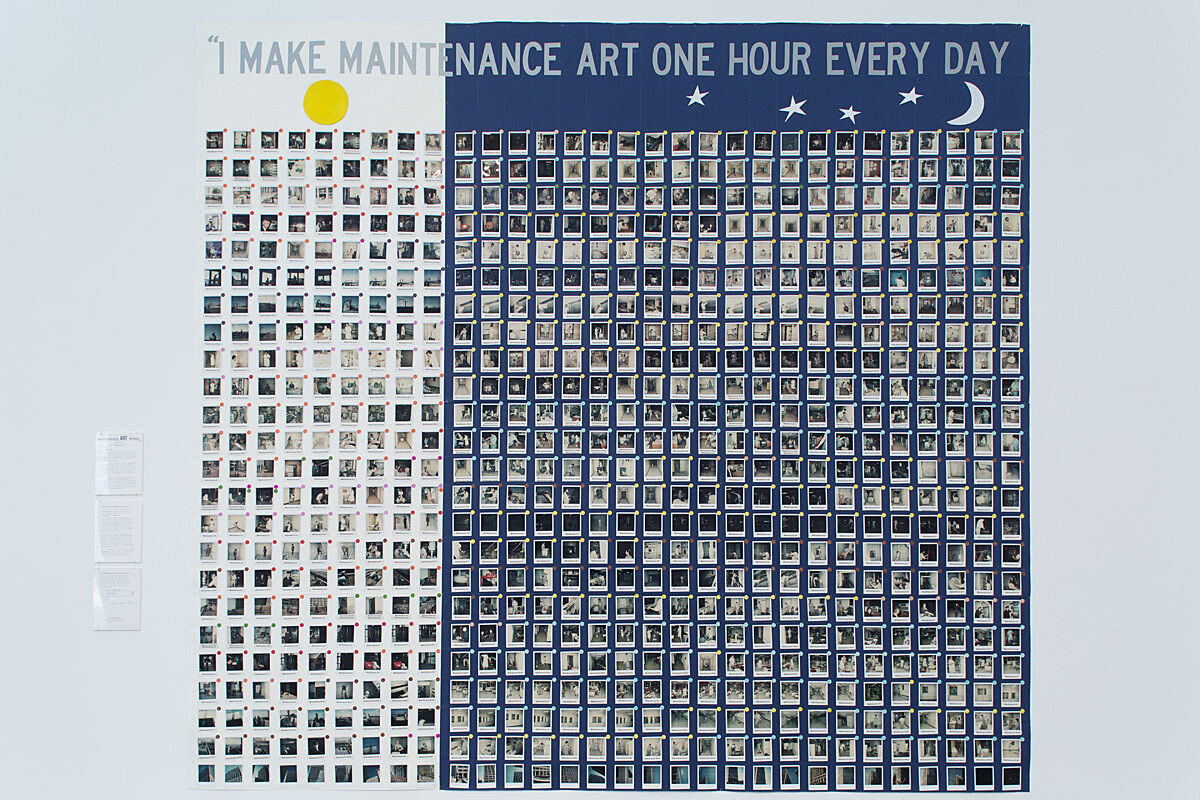
Grid of polaroid photographs of maintenance workers.

Mierle Laderman Ukeles (b. 1939), I Make Maintenance Art One Hour Every Day, September 16–October 20, 1976. Performance with three hundred maintenance empolyees, day and night shifts, over five weeks. 720 collaged dye diffusion transfer prints with self-adhesive labels, graphite pencil, collaged acrylic on board, and self-adhesive vinyl on paper, dimensions variable. Whitney Museum of American Art, New York; purchase with funds from the Photography Committee and The Robert Mapplethorpe Foundation T.2017.2. Courtesy of the artist, the Queens Museum and Ronald Feldman Fine Arts, New York. Photograph by Hai Zhang

Mierle Laderman Ukeles (b. 1939), I Make Maintenance Art One Hour Every Day, September 16–October 20, 1976

Installed as part of an earlier version of the exhibition.


Artists


Explore works from this exhibition
in the Whitney's collection

View 213 works

On the Hour

A 30-second online art project:
Frank WANG Yefeng, The Levitating Perils #2

Learn more about this project

Learn more at whitney.org/artport

On the Hour projects can contain motion and sound. To respect your accessibility settings autoplay is disabled.