
Josef Albers
1888–1976
Throughout his career as an artist, teacher, and writer, Josef Albers investigated the “interdependence” of color and perception. His famous series Homage to the Square (1950–76) explores this concept in more than a thousand paintings, drawings, prints, textiles, and murals, each composed of three or four nesting squares and produced in an array of colors. He began the series at the time he joined the faculty at Yale University, after years spent teaching at the Bauhaus and Black Mountain College. His subsequent work in the classroom and studio led to Interaction of Color (1963), his influential book on color theory.
Albers created the Homages with meticulous consistency. After applying several coats of gesso to a composition board, he penciled one of four set layouts, all symmetrical and weighted toward the bottom edge. He then applied a predetermined palette from the center out, spreading colors straight from the tube with a knife and recording names and manufacturers on the verso (he occasionally mixed paints, including the blue here in the early “Ascending”). Such precision was key to demonstrating the mutability of perception, or what he called the difference between “physical fact and psychic effect.” Across the series, color combinations alter not only how we see individual hues but also how we perceive space and form. As Albers noted, the squares seem to “move forth and back, in and out, and grow up and down and near and far, as well as enlarged and diminished.” In “Ascending” squares of yellow, cream, gray, and blue radiate upward. Albers’s subtitle references this illusion of movement, while hinting at the potential for metaphysical transformation.
Introduction
Josef Albers ( AL-bərz, US also AHL-, German: [ˈjoːzɛf ˈʔalbɐs]; March 19, 1888 – March 25, 1976) was a German-born American artist and educator who is considered one of the most influential 20th-century art teachers in the United States. Born in 1888 in Bottrop, Westphalia, Germany, into a Roman Catholic family with a background in craftsmanship, Albers received practical training in diverse skills like engraving glass, plumbing, and wiring during his childhood. He later worked as a schoolteacher from 1908 to 1913 and received his first public commission in 1918 and moved to Munich in 1919.
In 1920, Albers joined the Weimar Bauhaus as a student and became a faculty member in 1922, teaching the principles of handicrafts. With the Bauhaus's move to Dessau in 1925, he was promoted to professor and married Anni Fleischmann, a student at the institution and a textile artist. Albers's work in Dessau included designing furniture and working with glass, collaborating with established artists like Paul Klee. Following the Bauhaus's closure under Nazi orders in 1933, Albers emigrated to the United States, and he taught at the experimental liberal arts institution Black Mountain College in North Carolina until 1949.
At Black Mountain, Albers taught students who would later go on to become prominent artists such as Ruth Asawa and Robert Rauschenberg, and invited contemporary American artists to teach in the summer seminar, including the choreographer Merce Cunningham and Harlem Renaissance painter Jacob Lawrence. In 1950, he left for Yale University to head the design department, contributing significantly to its graphic design program. Albers's teaching methodology, prioritizing practical experience and vision in design, had a profound impact on the development of postwar Western visual art, while his book Interaction of Color, published in 1963, is considered a seminal work on color theory.
In addition to being a teacher, Albers was an active abstract painter and theorist, best known for his series Homage to the Square, in which he explored chromatic interactions with nested squares, meticulously recording the colors used. He also created murals, such as those for the Corning Glass Building and the Time & Life Building in New York City. In 1970, he and his wife lived in Orange, Connecticut, where they continued to work in their private studio. In 1971, Albers was the first living artist to be given a solo show at the Metropolitan Museum of Art in New York. Albers died in his sleep on March 25, 1976, at the Yale New Haven Hospital after being admitted for a possible heart ailment.
Information from Wikipedia, made available under the Creative Commons Attribution-ShareAlike License. Accessed August 5, 2026.
Introduction
Born 19 March 1888; died 25 March 1976. Albers trained as an art teacher at Königliche Kunstschule in Berlin, Germany, from 1913 to 1915. From 1916 to 1919 he began his work as a printmaker at the Kunstgewerbschule in nearby Essen, Germany. In 1919 he went to Munich, Germany, to study at the Königliche Bayerische Akademie der Bildenden Kunst, where he was a pupil of Max Doerner and Frank Stuck. In 1920 he attended the preliminary course (Vorkurs) at the Bauhaus in Weimar, Germany, and was appointed a master in 1923 or 1925. In 1925 Albers moved with the Bauhaus to Dessau, Germany, where he was named master. From 1928 to 1930 he was also in charge of the furniture workshop. In 1932 he moved with the Bauhaus to Berlin. From 1933, after the closure of the Bauhaus in Berlin, until 1949, Albers taught at Black Mountain College in North Carolina. From 1948 to 1950 or from 1950 to 1958, Albers was professor and chairman of the Department of Design at Yale University, New Haven, Connecticut. He remained there as a visiting professor until 1960. After his retirement from Yale University, Albers continued to live in New Haven and to paint, monitor his own exhibitions and publications, write, lecture and work on large commissioned sculptures for architectural settings. He was highly regarded as a teacher and is considered influential for the generation of artists emerging in the 1950s and 1960s. Comment on works: abstract
Country of birth
Germany
Roles
Artist, author, designer, glass artist, painter, photographer, professor, sculptor, teacher, theorist, typographer
ULAN identifier
500033049
Names
Josef Albers, Albers, Joseph Albers
Information from the Getty Research Institute's Union List of Artist Names ® (ULAN), made available under the ODC Attribution License. Accessed July 6, 2026.
Exhibitions
-
Mar 29–Aug 18, 2019
-
Sept 28, 2018–Apr 14, 2019
-
Jan 30, 2008–Jan 3, 2010
-
Nov 2, 2006–Jan 21, 2007
-
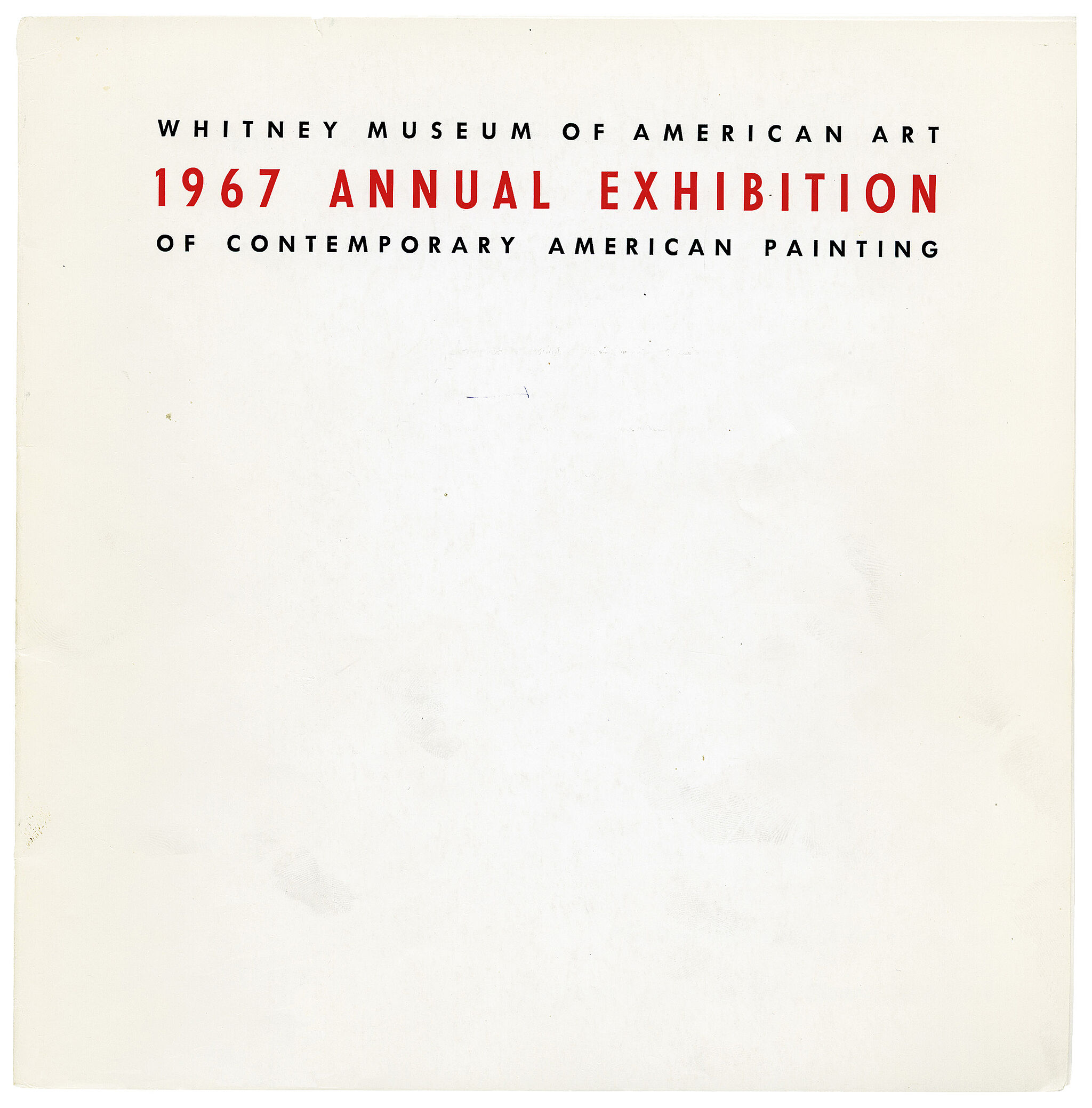
Dec 13, 1967–Feb 4, 1968
-
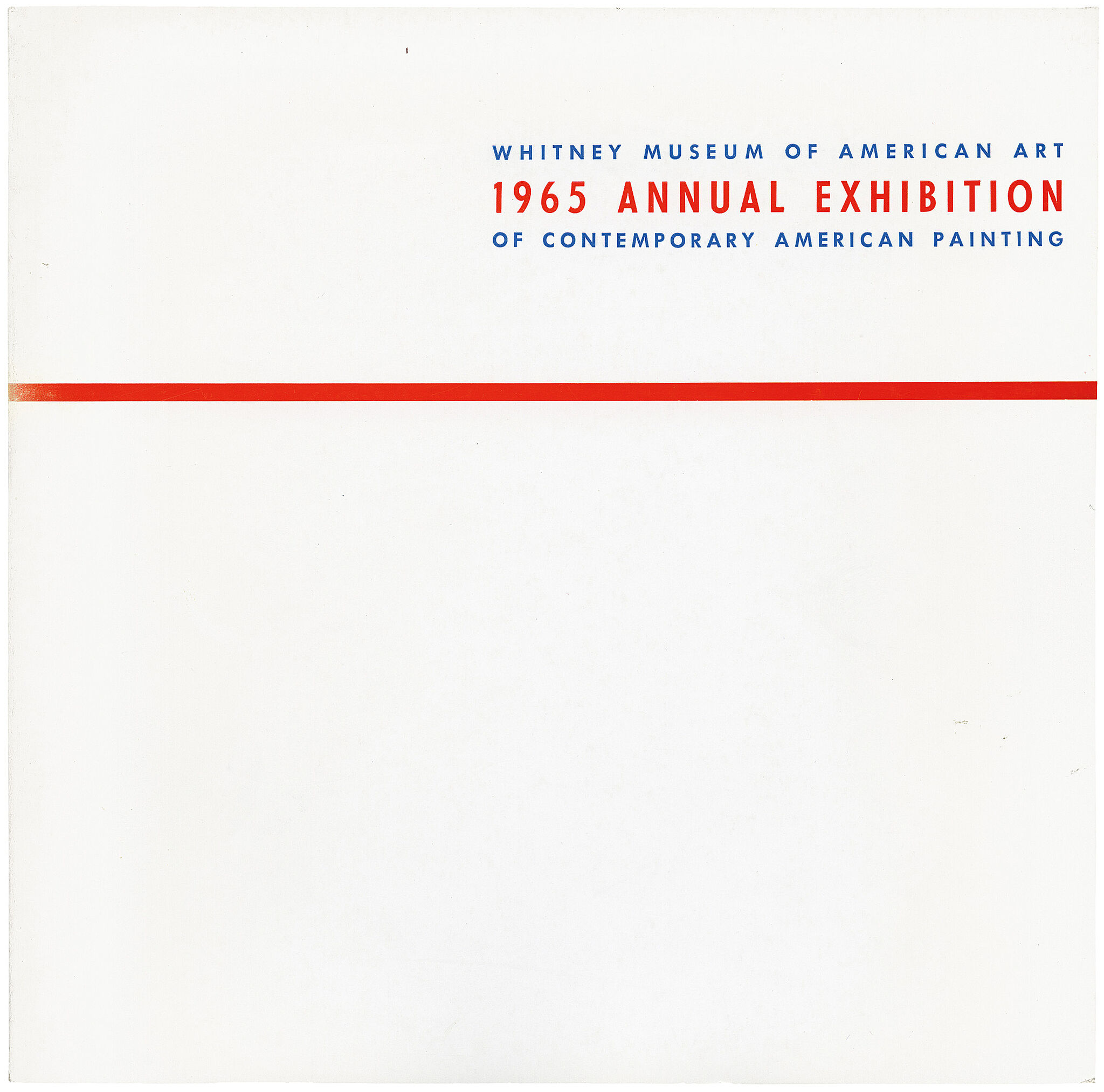
Dec 8, 1965–Jan 30, 1966
-
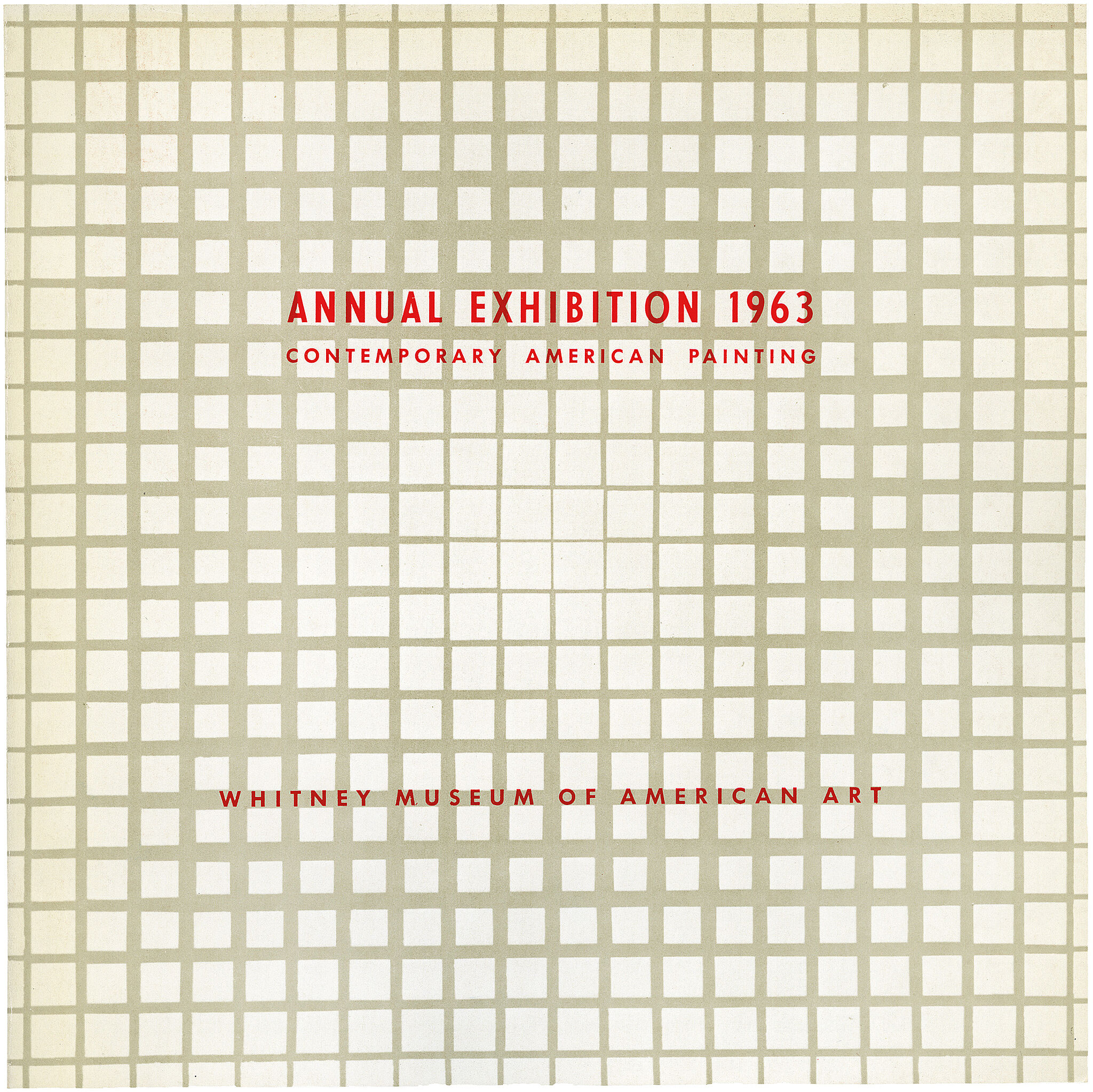
Dec 11, 1963–Feb 2, 1964
-
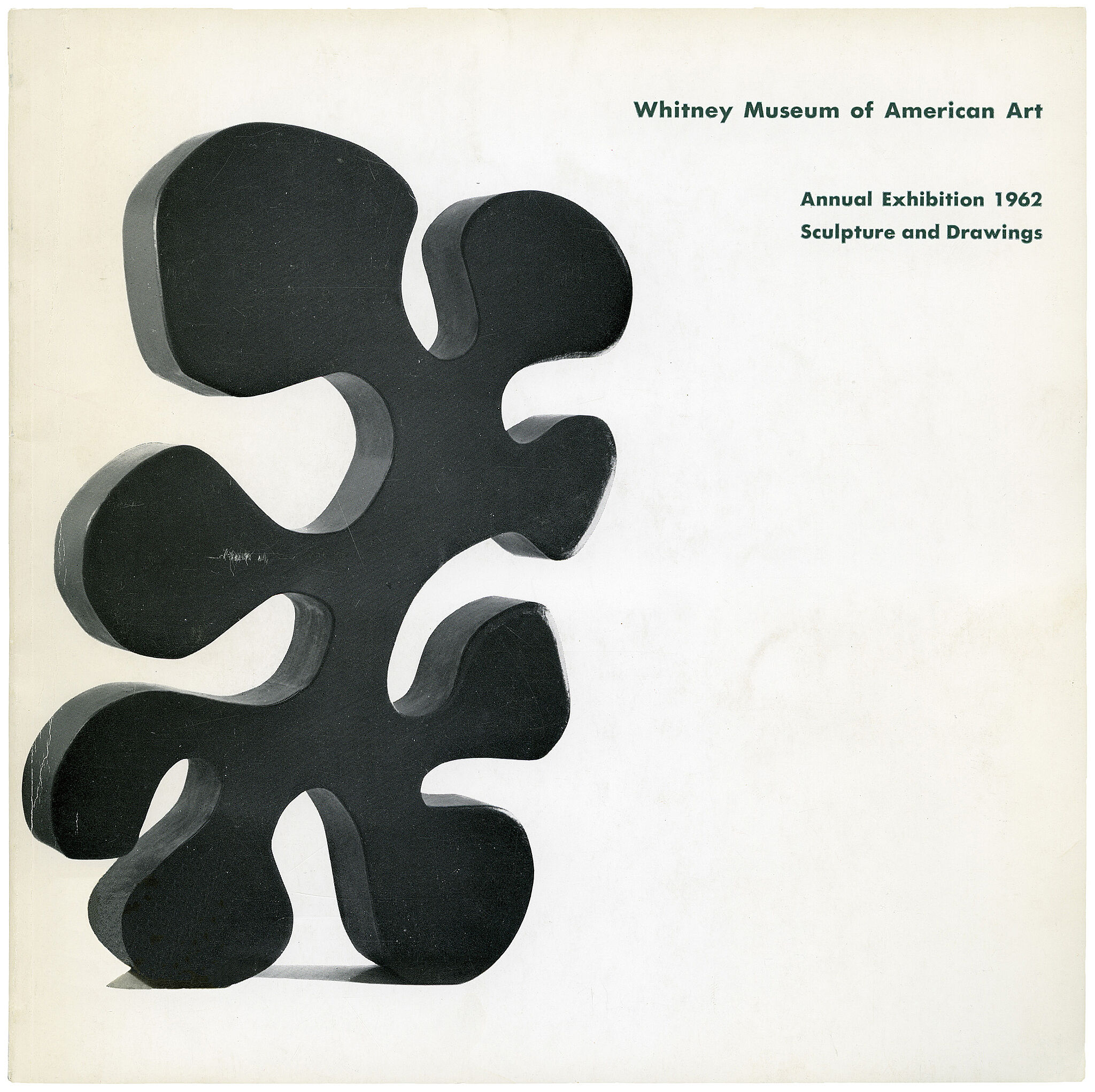
Dec 12, 1962–Feb 3, 1963
-
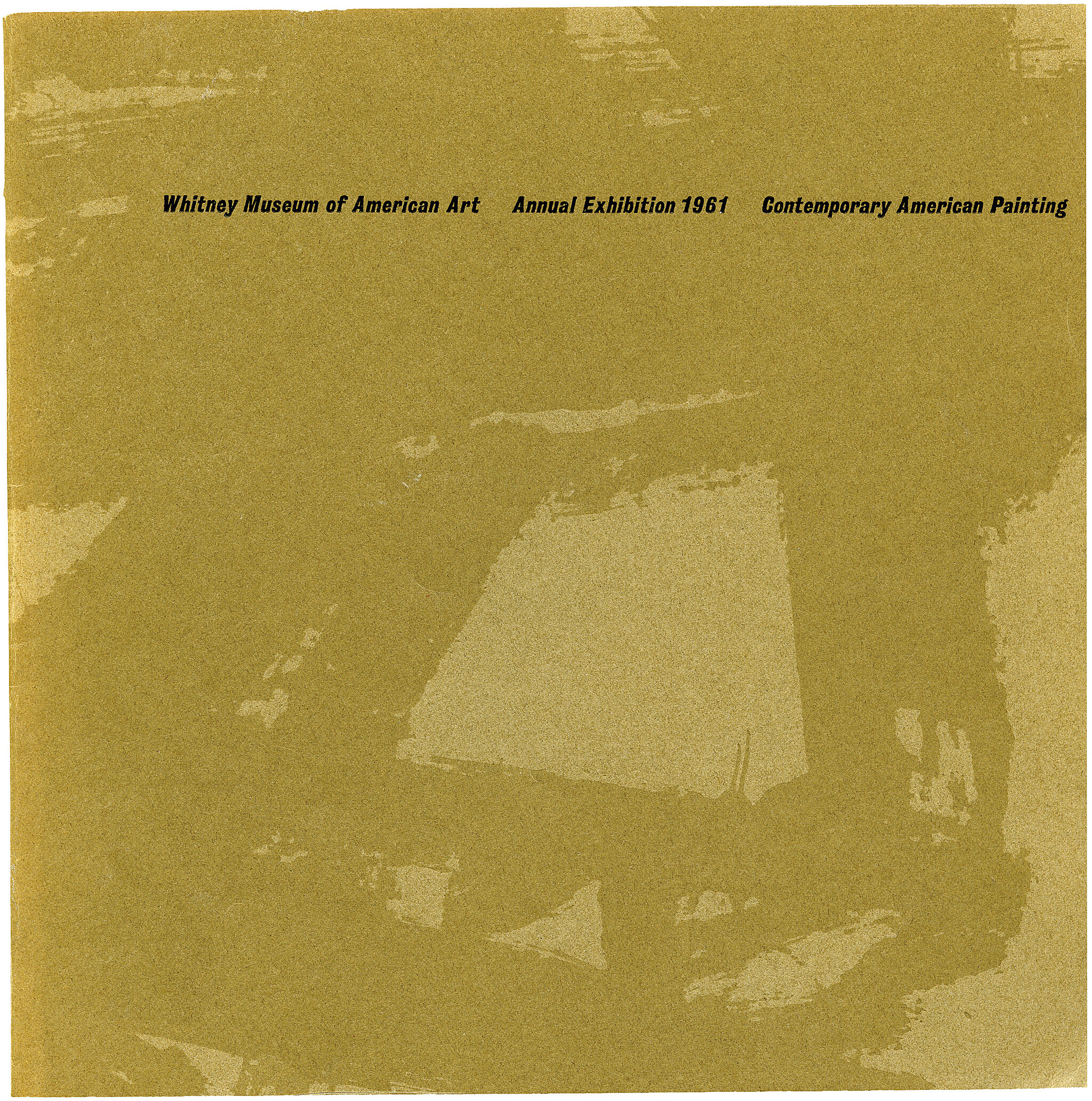
Dec 13, 1961–Feb 4, 1962
-
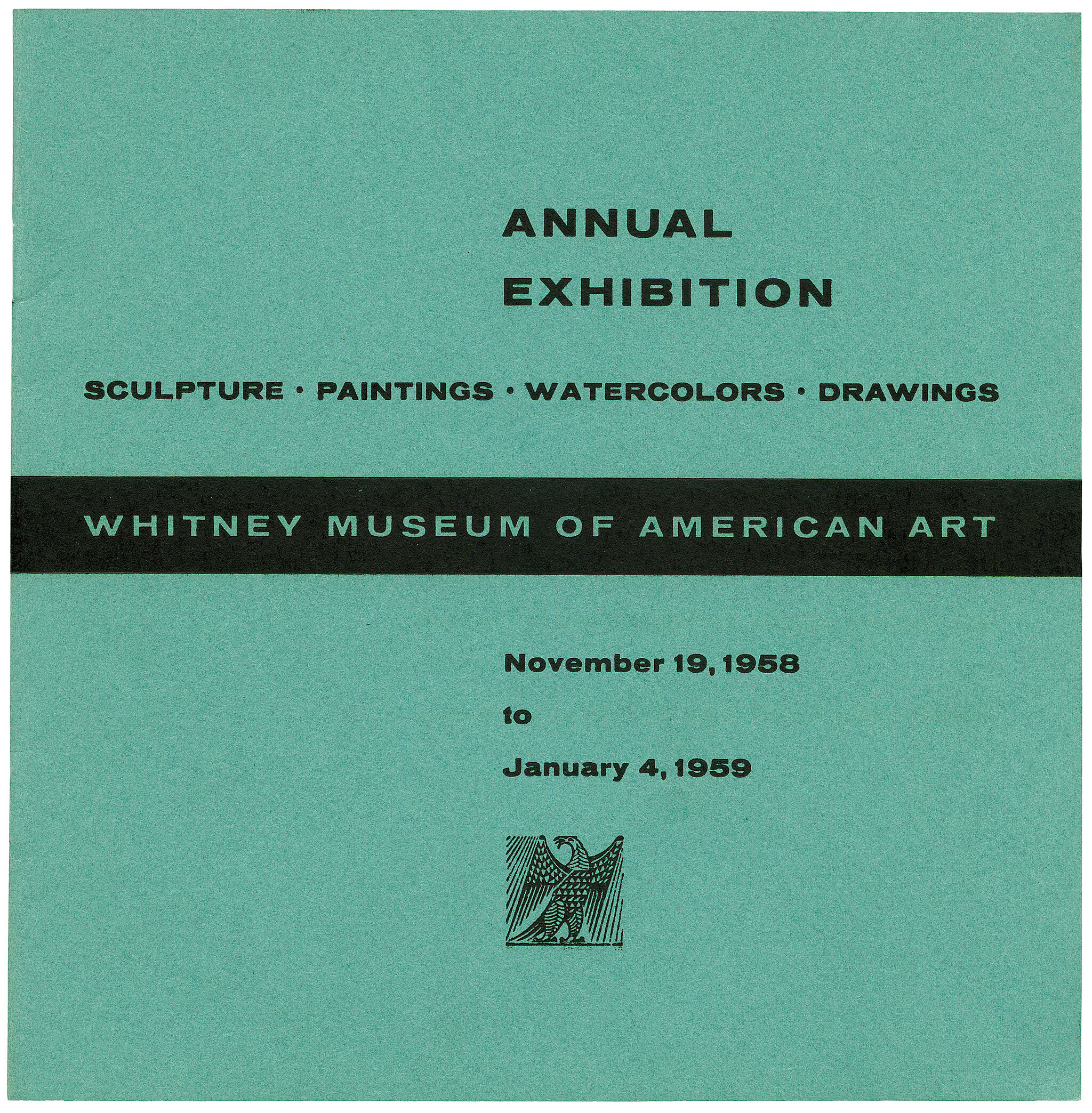
Nov 19, 1958–Jan 4, 1959
-

Nov 20, 1957–Jan 12, 1958
-
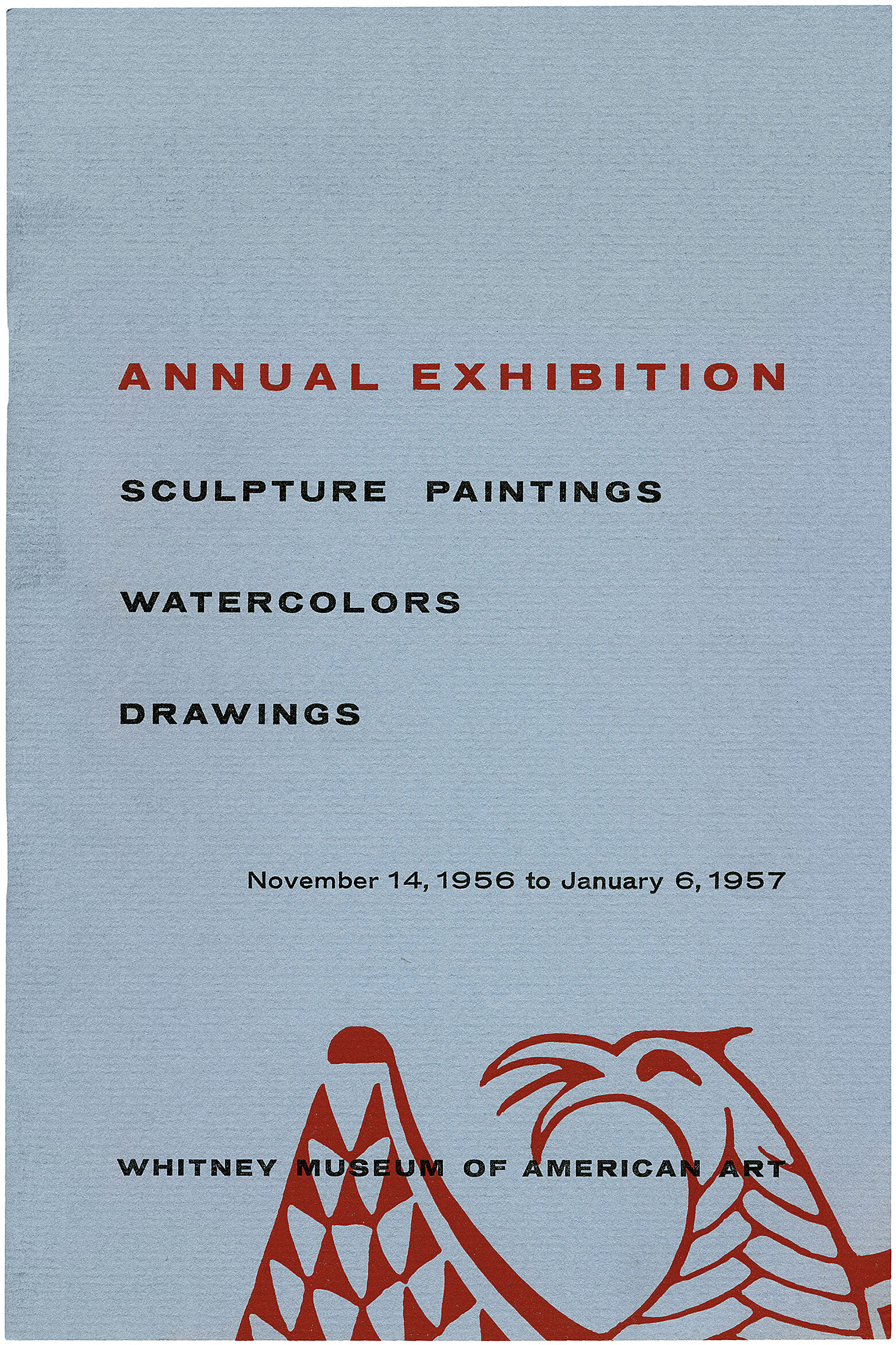
Nov 14, 1956–Jan 6, 1957
-
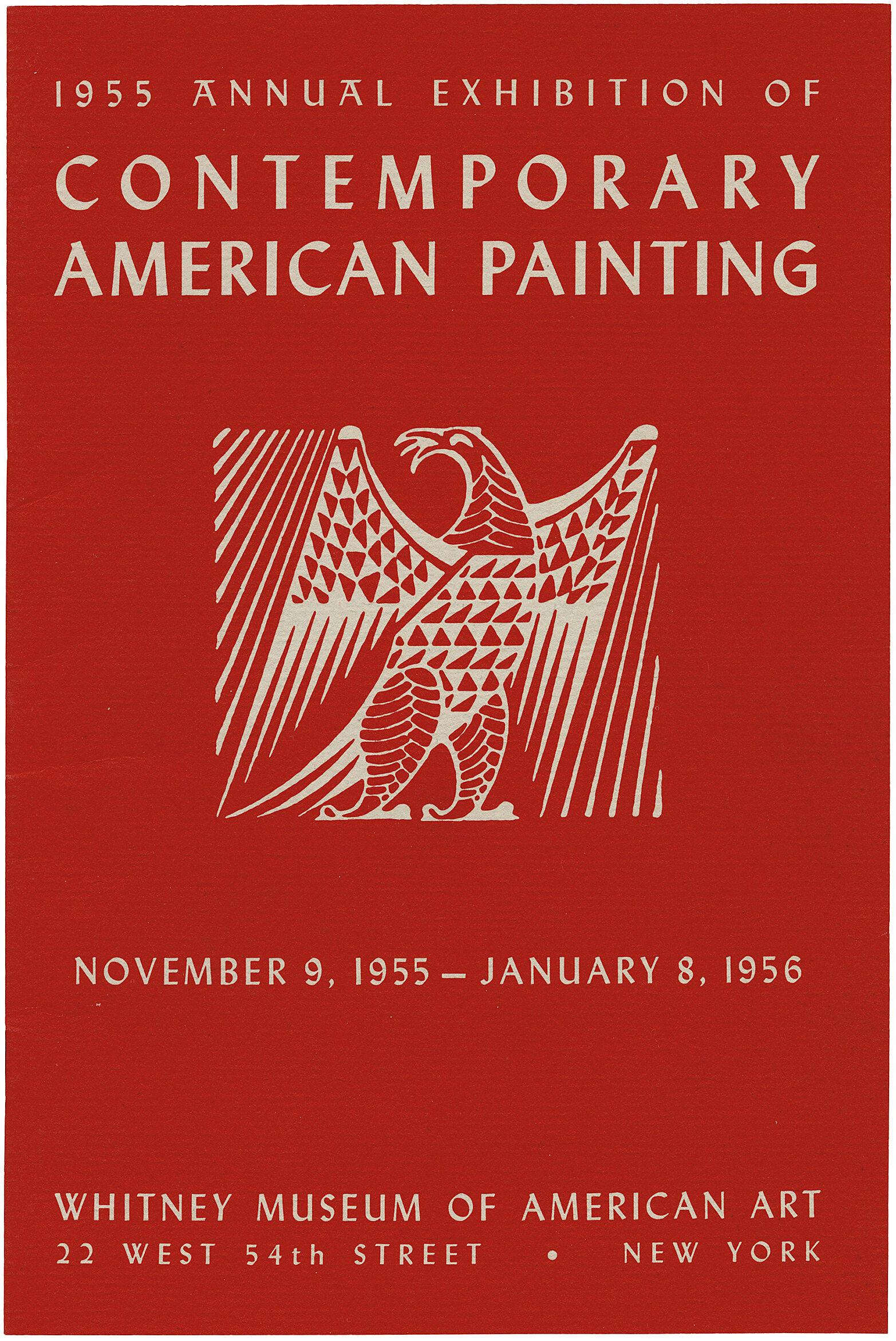
Nov 9, 1955–Jan 8, 1956
-
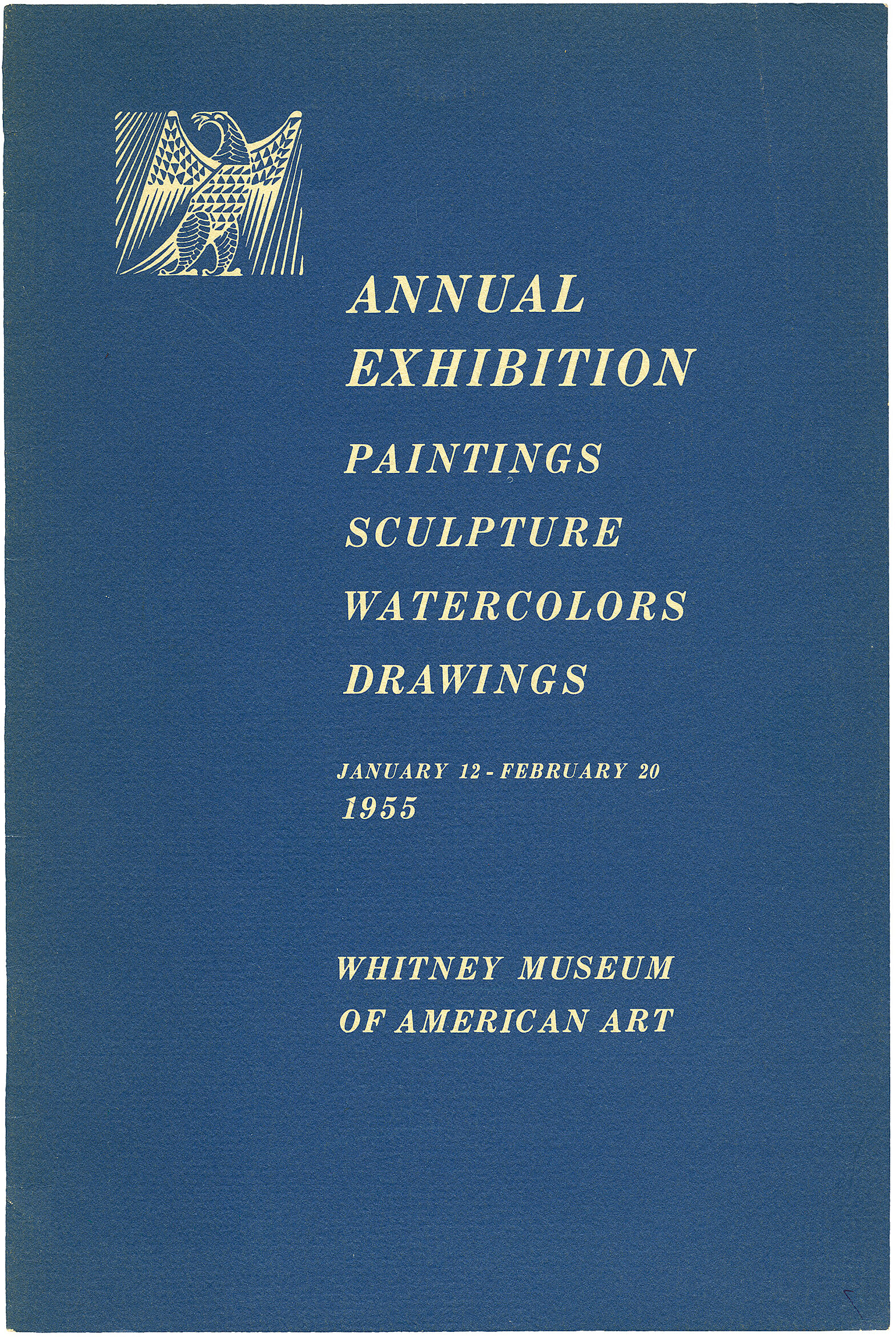
Jan 12–Feb 20, 1955
-
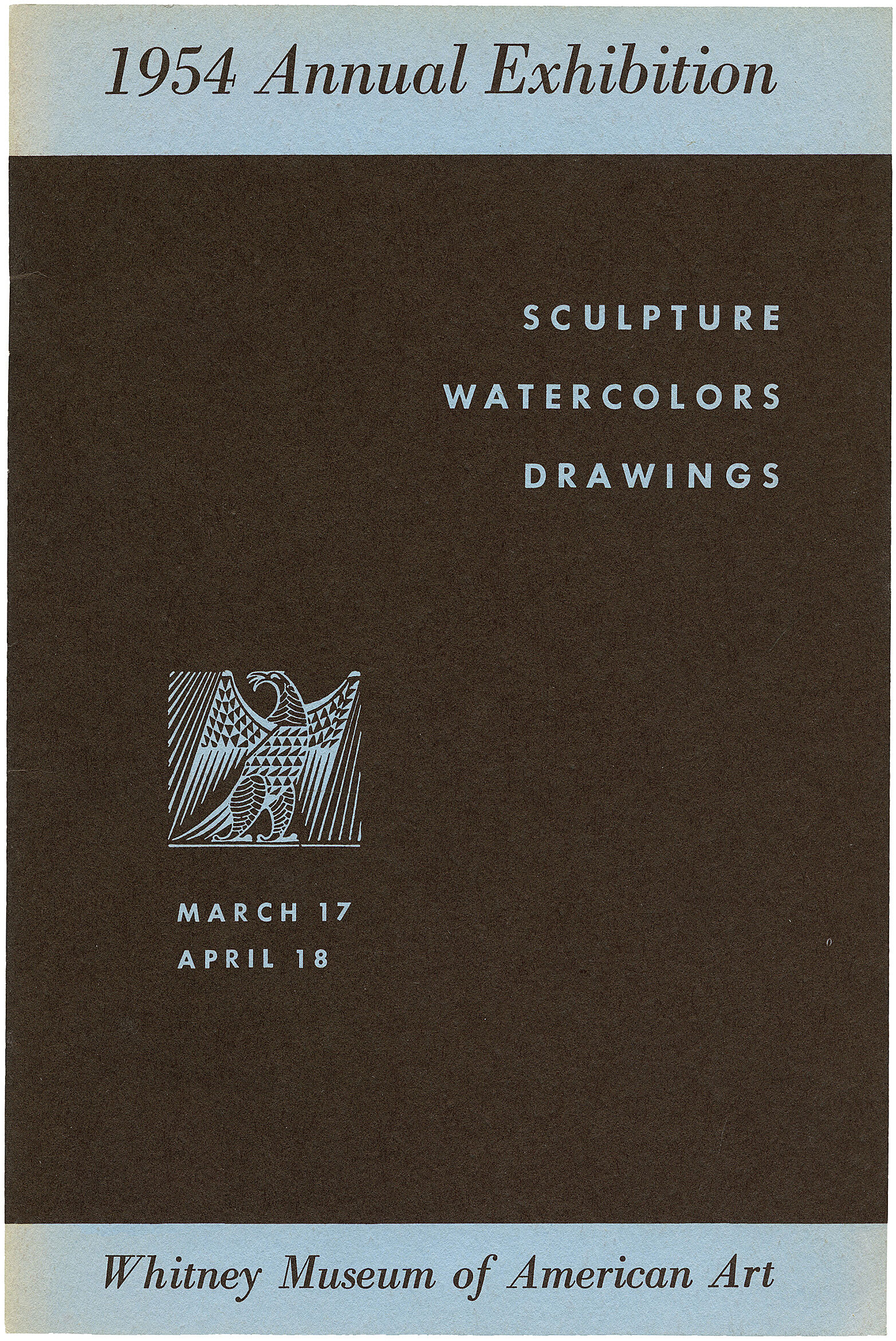
Mar 17–Apr 18, 1954
-
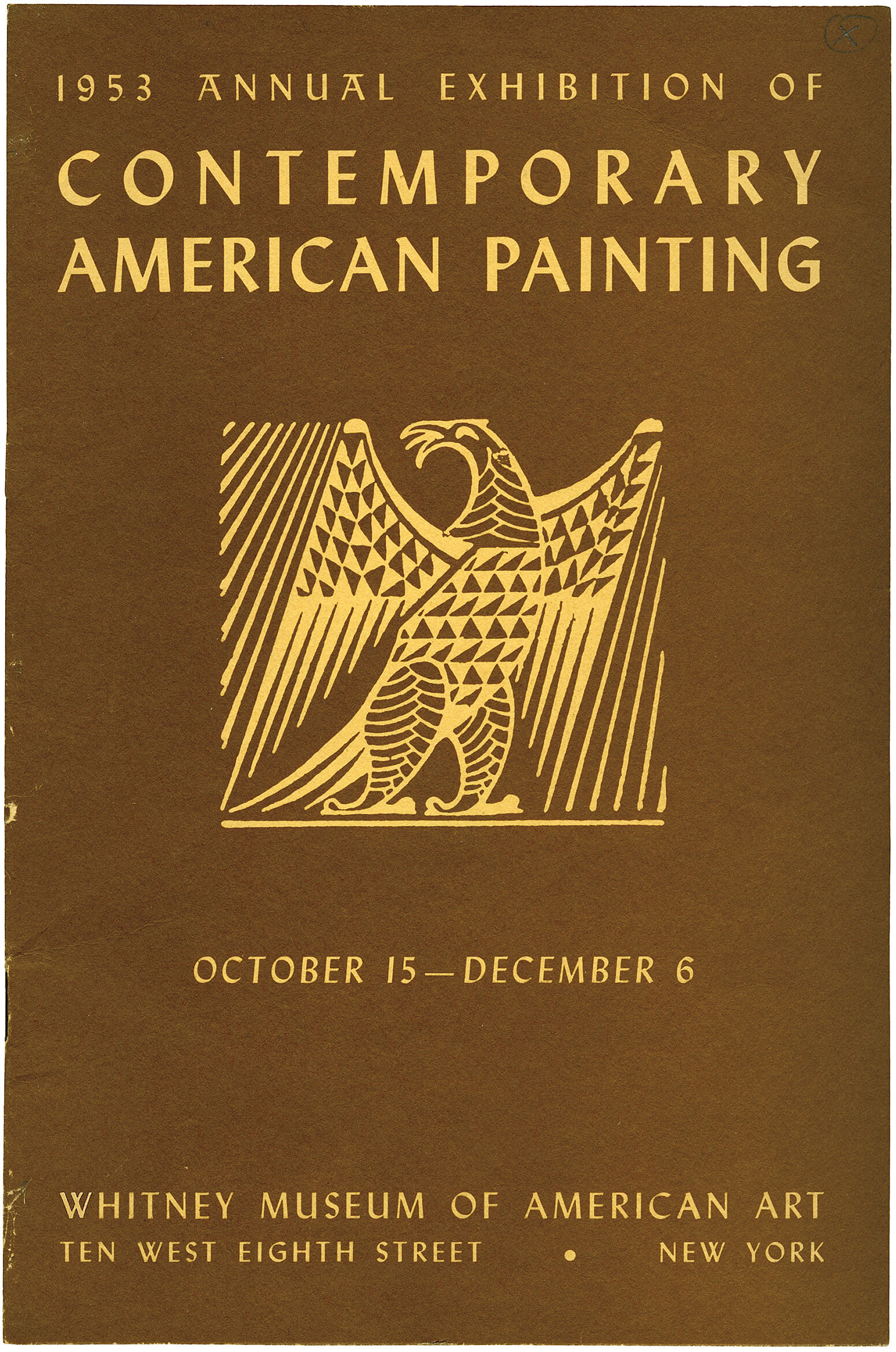
Oct 15–Dec 6, 1953
-
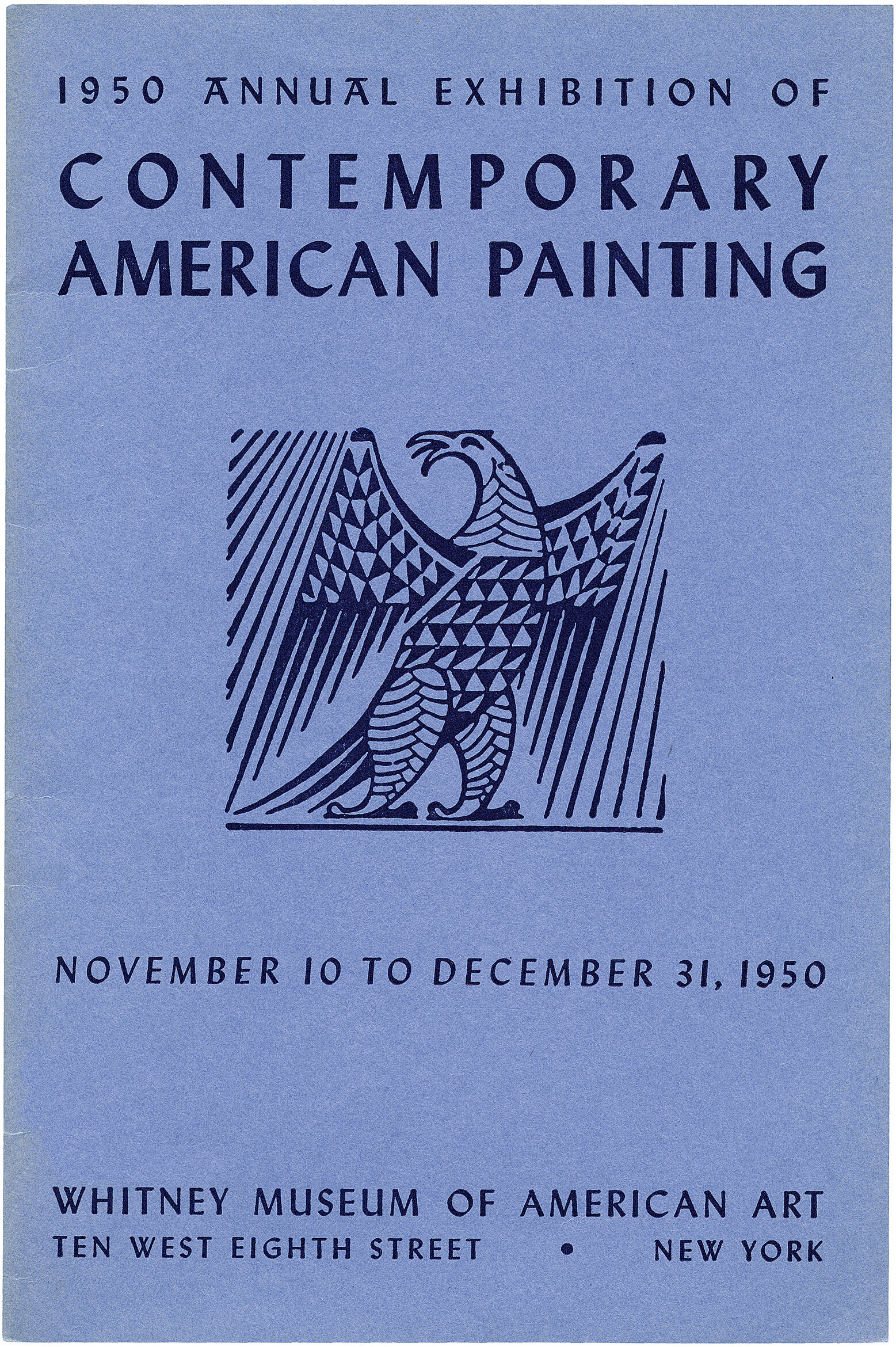
Nov 10–Dec 31, 1950