
Edges of Ailey
Sept 25, 2024–Feb 9, 2025
Edges of Ailey
Exhibition works
10 total
Black Migration
Artists
- Terry Adkins
- Alvin Ailey
- Emma Amos
- Emma Amos
- Benny Andrews
- Benny Andrews
- Anonymous
- Antonio Lopez and Juan Ramos
- Ellsworth Ausby
- Ellsworth Ausby
- Eldren Bailey
- Richmond Barthé
- Jean-Michel Basquiat
- Romare Bearden
- Kevin Beasley
- Kevin Beasley
- Talley Beatty
- John Biggers
- John T. Biggers
- Beverly Buchanan
- Elizabeth Catlett
- Karon Davis
- Roy DeCarava
- Beauford Delaney
- Beauford Delaney
- Maya Deren
- Thornton Dial
- Thornton Dial
- Jeff Donaldson
- Aaron Douglas
- Sam Doyle
- Sam Doyle
- David Driskell
- David Driskell
- Robert Duncanson
- Robert Duncanson
- Melvin Edwards
- Melvin Edwards
- Estate of David Driskell
- Rotimi Fani-Kayode
- Rotimi Fani-Kayode
- Fon peoples
- Meta Vaux Warrick Fuller
- Charles Gaines
- Charles Gaines
- Ellen Gallagher
- Theaster Gates
- Sam Gilliam
- David Hammons
- Lyle Ashton Harris
- Maren Hassinger
- Maren Hassinger
- Palmer Hayden
- Barkley L. Hendricks
- Hector Hippolyte
- Geoffrey Holder
- Geoffrey Holder
- Lonnie Holley
- Lonnie Holley
- Clementine Hunter
- Clementine Hunter
- Hector Hyppolite
- Wadsworth Jarrell
- Rashid Johnson
- Rashid Johnson
- William H. Johnson
- William H. Johnson
- Loïs Mailou Jones
- Loïs Mailoi Jones
- Jacob Lawrence
- Ralph Lemon
- Norman Lewis
- Norman Lewis
- Samella Lewis (1923-2022)
- Samella Lewis
- Glenn Ligon
- James Little
- Antonio Lopez and Juan Ramos
- Mary Lovelace O'Neal
- AI Loving
- Alvin Loving
- Kerry James Marshall
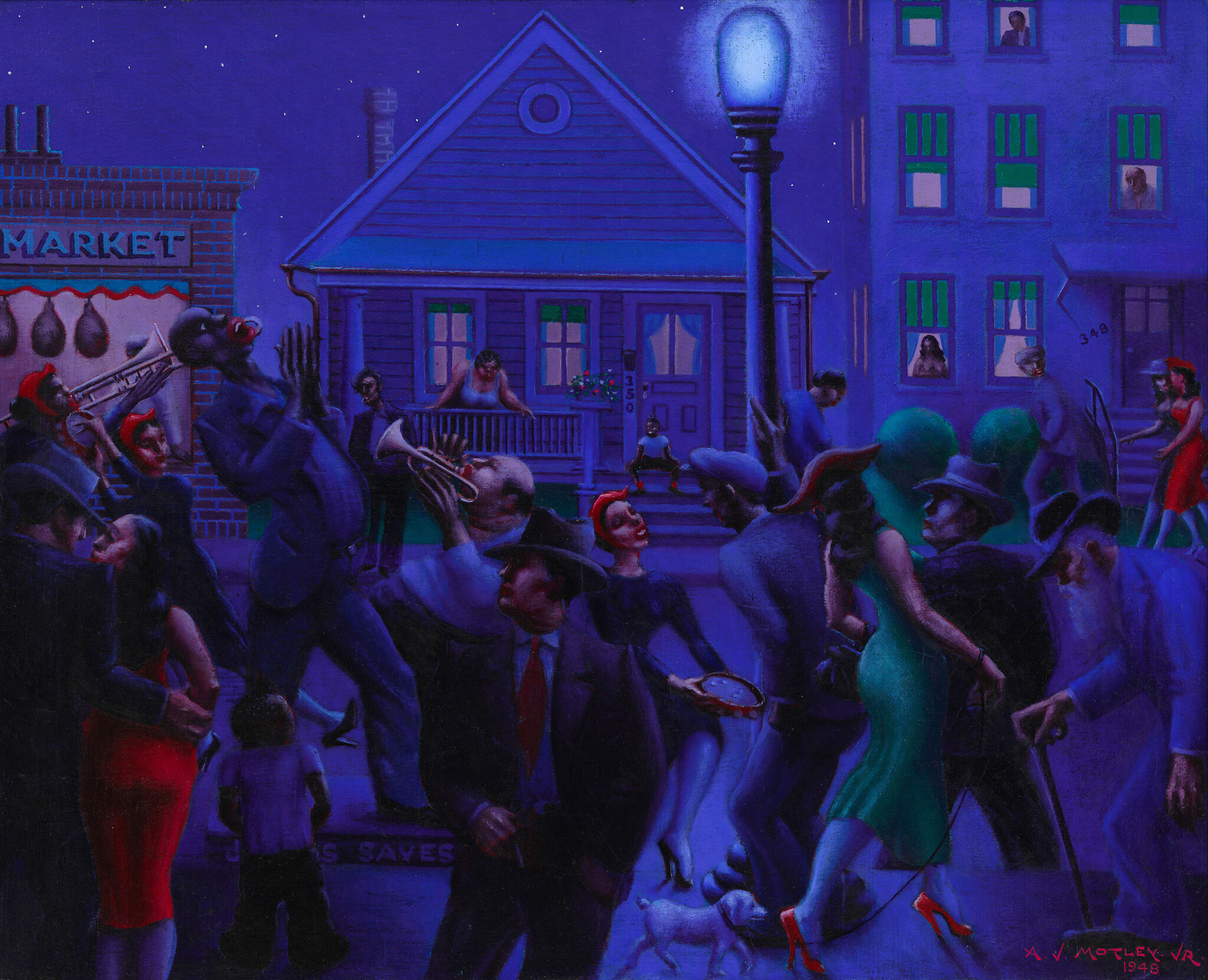
- Archibald John Motley, Jr.
- Thomas Nast
- Thomas Nast
- Senga Nengudi
- Senga Nengudi
- John Outterbridge
- Joe Overstreet
- Joe Overstreet
- Jennifer Packer
- Jennifer Packer
- Gordon Parks
- Gordon Parks
- Horace Pippin
- Noah Purifoy
- Martin Puryear
- Faith Ringgold
- Betye Saar
- Lorna Simpson
- Lorna Simpson
- Alma Thomas
- Mickalene Thomas
- Blaise Tobia
- Blaise Tobia
- Bill Traylor
- Bill Traylor
- Makers unknown
- Rubem Valentim
- Rubem Valentim
- James Van Der Zee
- Carl Van Vechten
- Kara Walker
- Meta Vaux Warrick Fuller
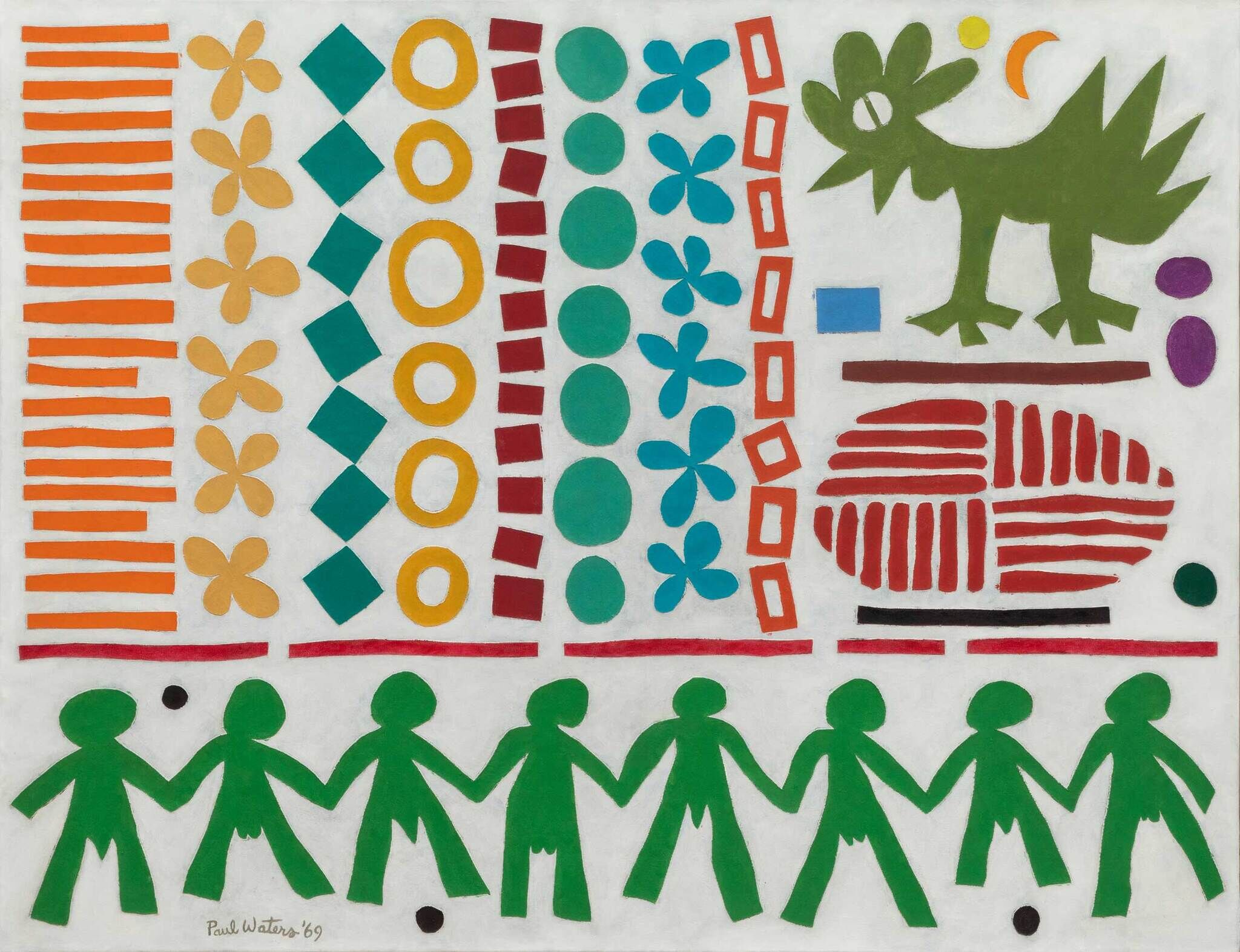
- Paul Waters
- Carrie Mae Weems
- Charles White
- Kandis Williams
- Kandis Williams
- Hale Aspacio Woodruff
- Lynette Yiadom-Boakye
- Lynette Yiadom-Boakye
- Purvis Young