Edges of Ailey | Art & Artists

Sept 25, 2024–Feb 9, 2025


Exhibition works

10 total
Black Liberation

Read more

Black Liberation


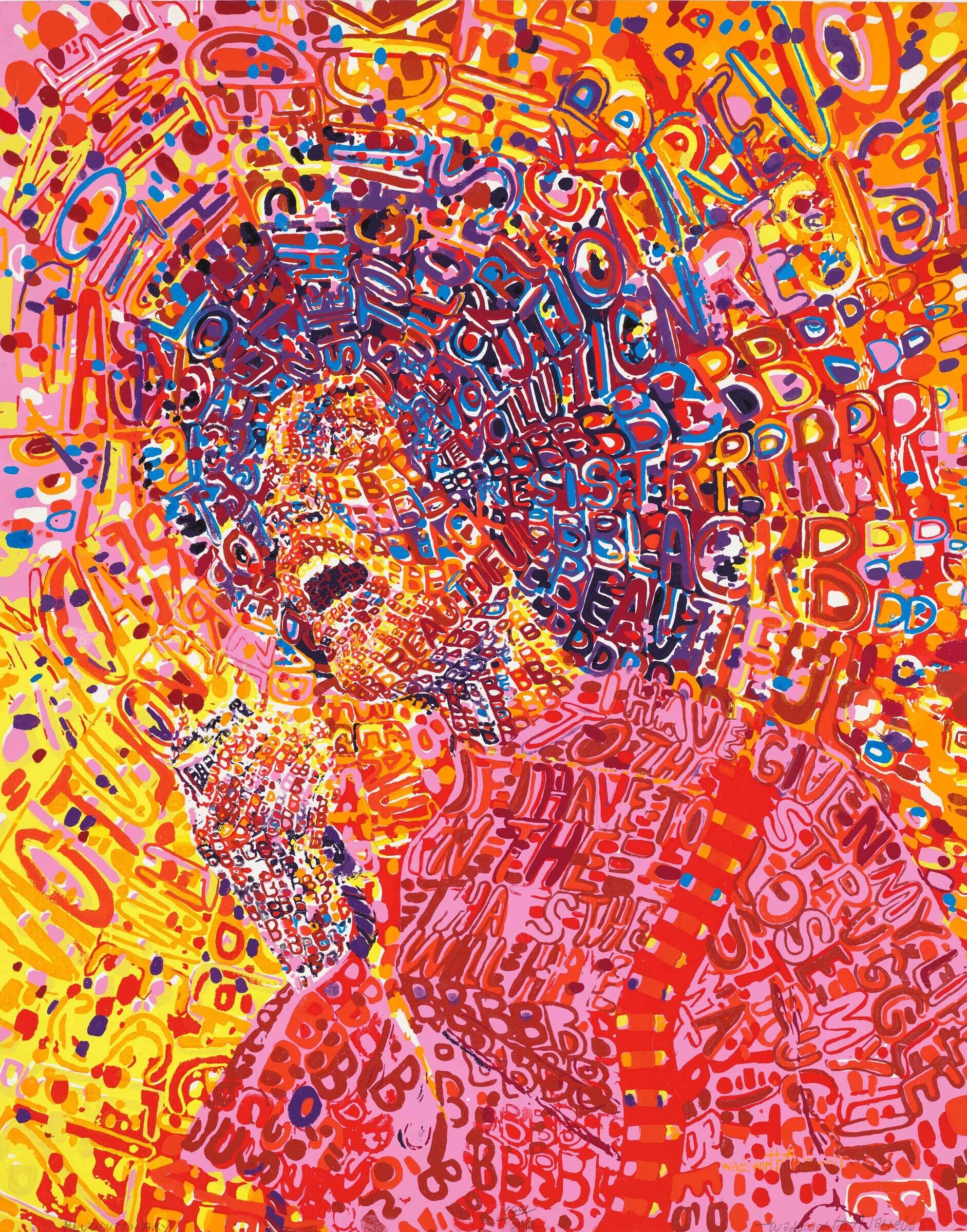
A vibrant, abstract artwork featuring Angela Davis composed of colorful, overlapping text and letters, with a mix of reds, yellows, and blues.

Wadsworth Jarrell, Revolutionary (Angela Davis), 1972. Screenprint, 25 13/16 × 32 1/2 in. (65.6 × 82.6 cm). Edition 164/300. Whitney Museum of American Art, New York; purchase with funds from Kenneth Alpert 2020.152. © Wadsworth Jarrell, courtesy Kavi Gupta, Chicago

Black Liberation

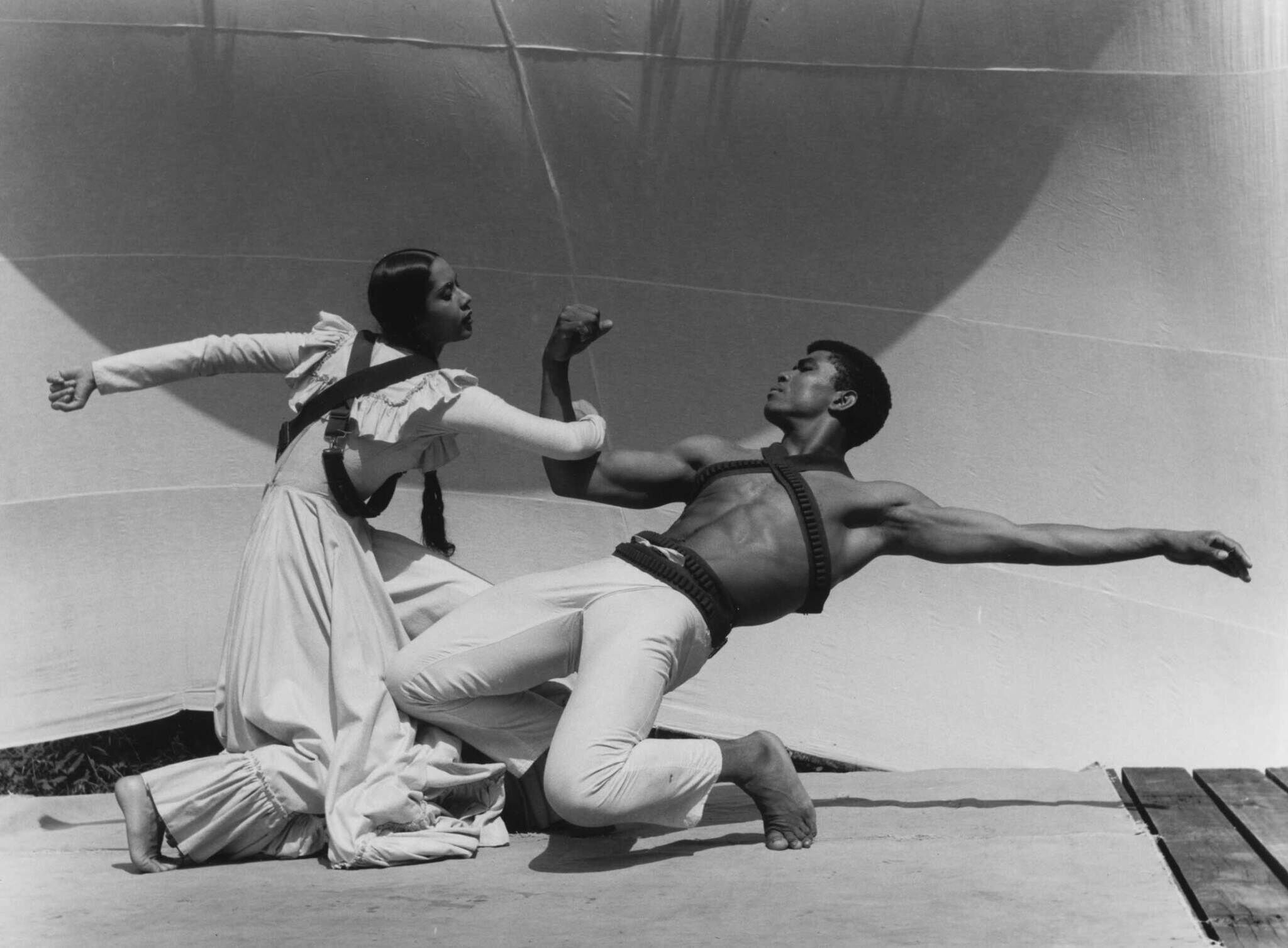
Alvin Ailey envisioned his dances as an embodiment of the fortitude of Black art and culture when he proclaimed: “Look how beautiful we are, look how wonderful we are as Black people. Look what’s happened to us in all these years despite our problems, despite our being brought here as slaves, look what has grown in us.” As a gay Black man, Ailey’s presence in the dance field and his choreography tested the very notion of freedom. The question of who could be free in times of lynchings, apartheid, homophobia, and the height of the AIDS crisis was paramount during his lifetime, as were the corresponding acts of collective resilience, including the civil rights and Black power movements and gay liberation advances.

Ailey’s dances channeled that momentum in a range of ways. His writings demonstrate a deep exploration of queerness in the texts he read, in the sources for his dances, and in his personal reflections. He sought to make Black dance, in his words, “universal” by having a multiracial dance company beginning in 1962. He espoused the model of a “total dancer,” trained to be well-versed in various techniques from jazz to ballet to modern, as a means of transcending disciplinary limits. He also insisted upon creative experimentation, never confining himself to one narrative, style, or aesthetic—from his abstract plotless dances to his politically informed works Masekela Langage (1969) and Survivors (1986). He established a dance school in 1969 and used his company as a vehicle to support the advancement of Black choreographers, providing resources for the creation and presentation of new dances. Ailey maintained an equal presence at public schools, community centers, and historically Black colleges and universities as he did on performing arts stages and in international venues.

A geometric pattern of black and dark gray diagonal stripes forming triangles and intersecting lines, creating a symmetrical design.

James Little, Stars and Stripes, 2021. Oil and wax on linen, 72 1/4 × 72 1/4 in. (183.5 × 183.5 cm). Whitney Museum of American Art, New York; purchase with funds from Marcia Dunn and Jonathan Sobel 2022.207. © Courtesy of James Little and Kavi Gupta

James Little, Stars and Stripes, 2021

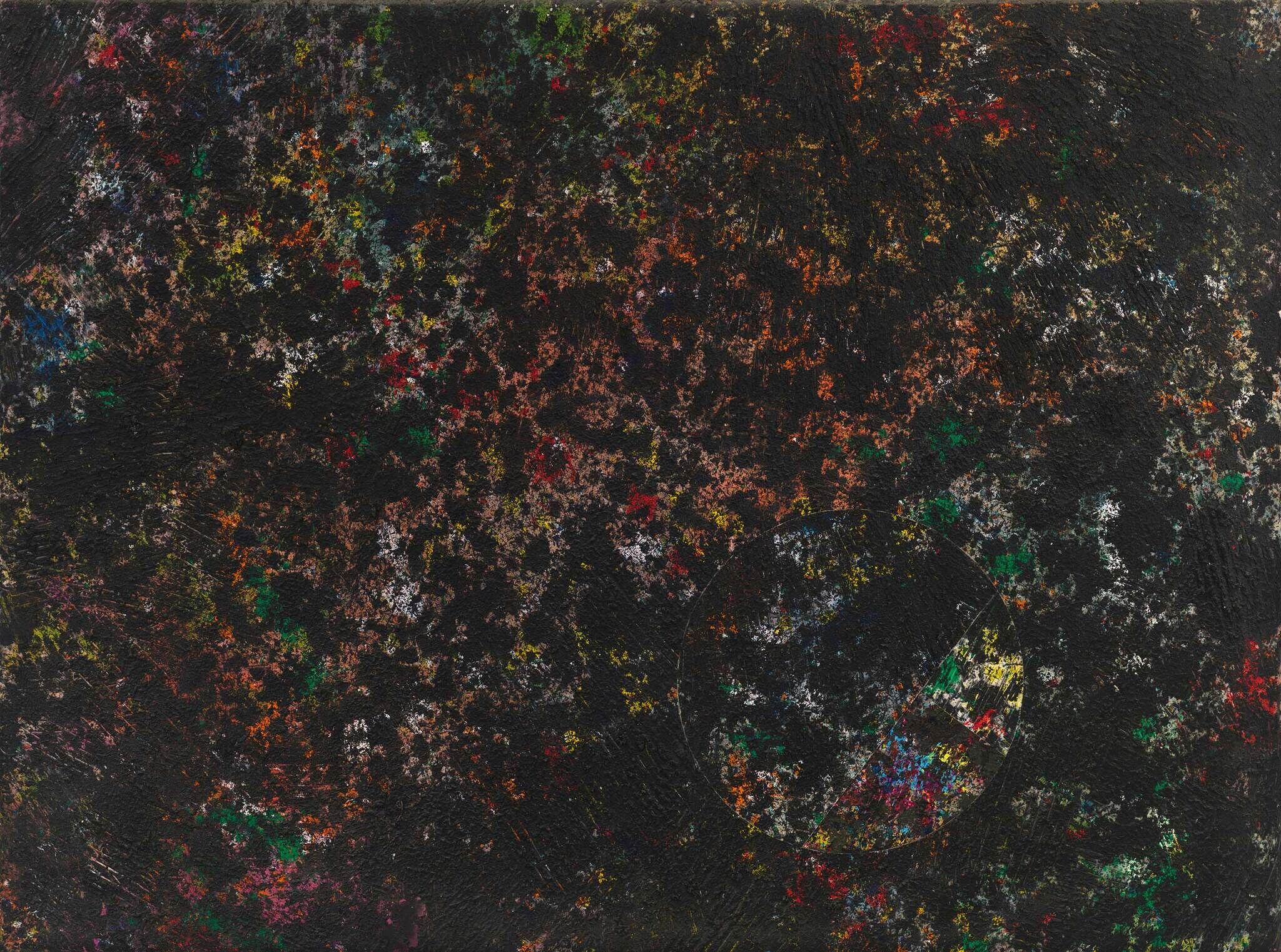
Abstract painting with a dark background, featuring splashes of vibrant colors like red, yellow, green, and blue, creating a cosmic effect.

Sam Gilliam, Untitled (Black), 1978. Acrylic, yarn, and cut canvas on stained canvas, 89 3/4 × 120 1/2 in. (228 × 306.1 cm). Whitney Museum of American Art, New York; gift of Suzanne and Bob Cochran 94.161. © 2024 Sam Gilliam / Artists Rights Society (ARS), New York

Sam Gilliam, Untitled (Black), 1978

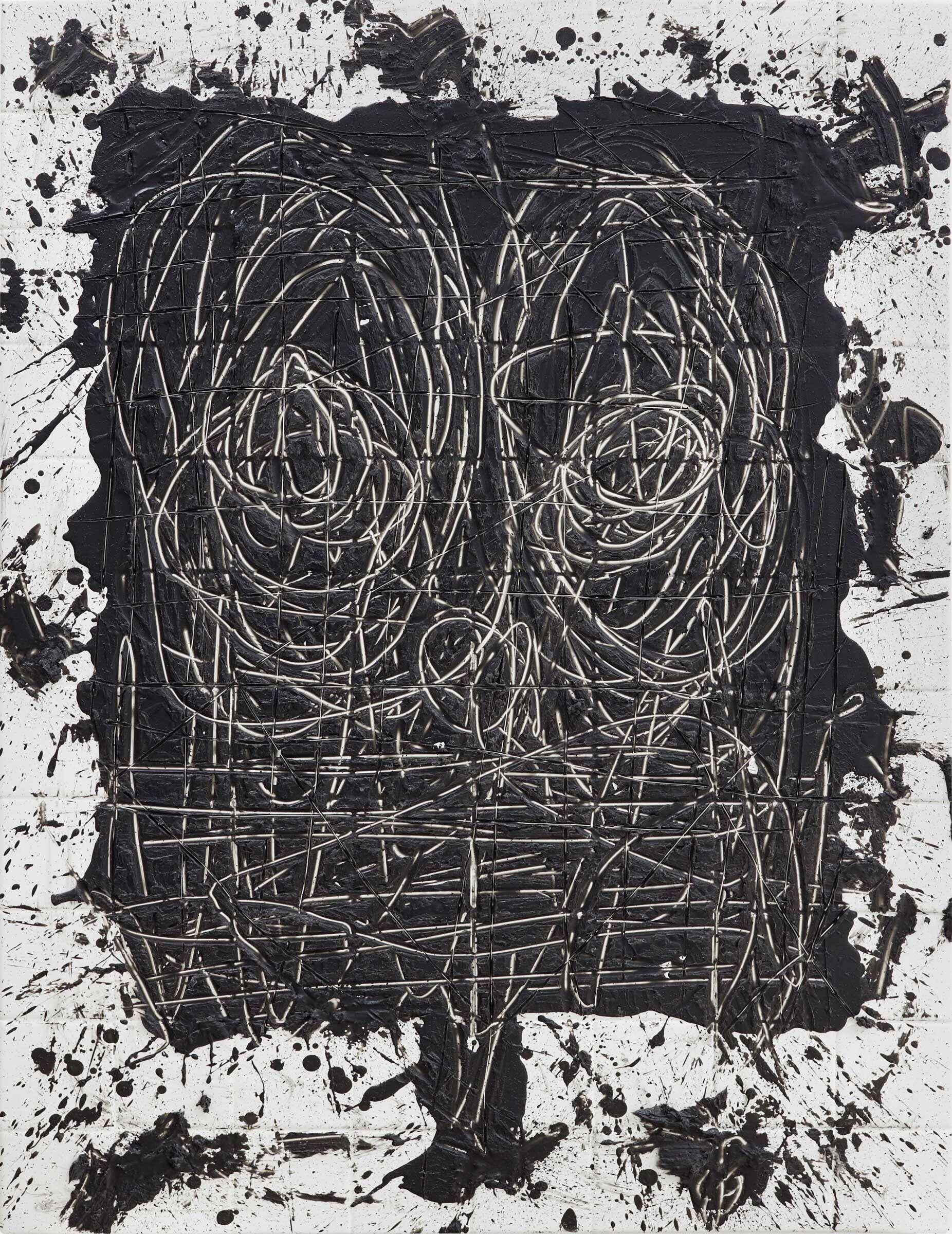
Abstract painting with chaotic black and white lines and splatters, forming a rough, face-like shape on a white background.

Rashid Johnson, Untitled Anxious Men, 2016. Ceramic tile, black soap, wax, 47 1/4 x 37 1/4 x 3 in (120.02 x 94.61 x 7.62 cm). Courtesy the artist. © Rashid Johnson. Photograph by Martin Parsekian

Rashid Johnson, Untitled Anxious Men, 2016

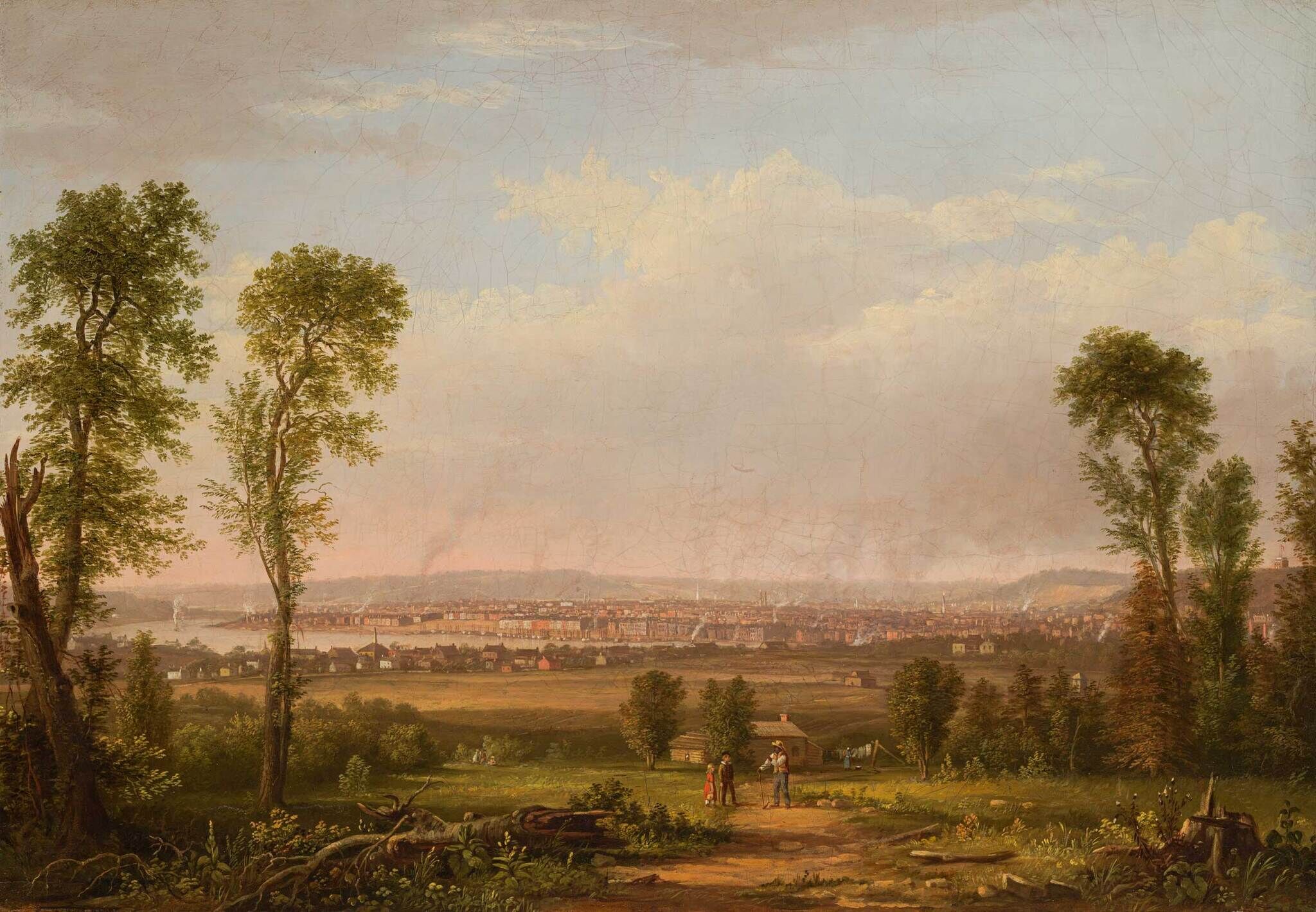
A pastoral scene with people in the foreground, trees on either side, and a distant view of a town under a partly cloudy sky.

Robert Duncanson, View of Cincinnati, Ohio from Covington, Kentucky, 1851. Oil on canvas, 35 3/4 x 46 in. (90.8 x 116.8 cm). Courtesy Cincinnati Museum Center

Robert Duncanson, View of Cincinnati, Ohio from Covington, Kentucky, 1851

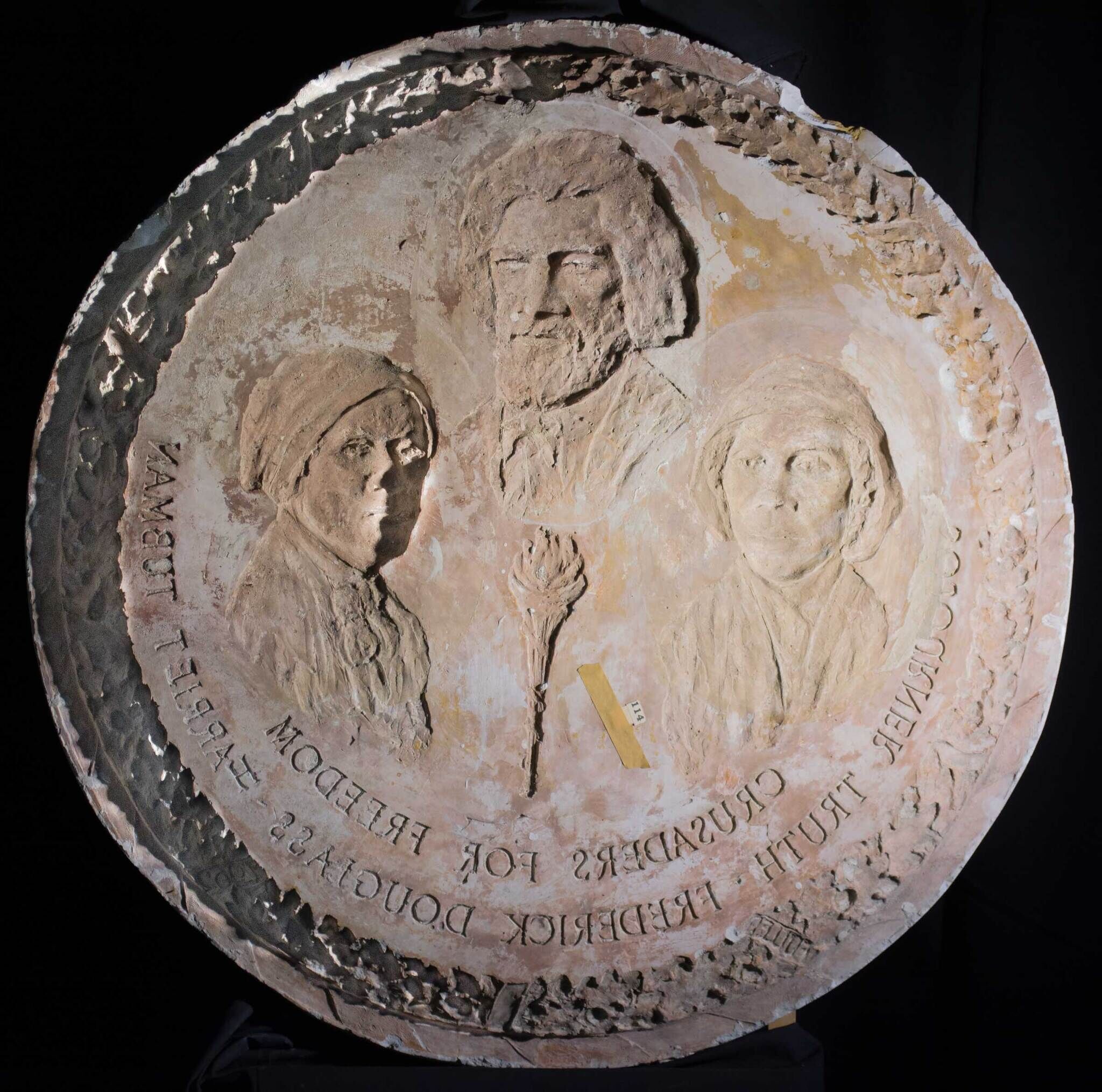
Circular stone relief featuring three figures and the text "Guardians for Freedom: Harriet Tubman, Frederick Douglass, Sojourner Truth."

Meta Vaux Warrick Fuller, Mold for Crusaders for Freedom, 1962. Plaster with mold release agent, 36" diameter. Danforth Art Museum at Farmingham State University; Gift of the Meta V.W. Fuller Trust

Meta Vaux Warrick Fuller, Mold for Crusaders for Freedom, 1962

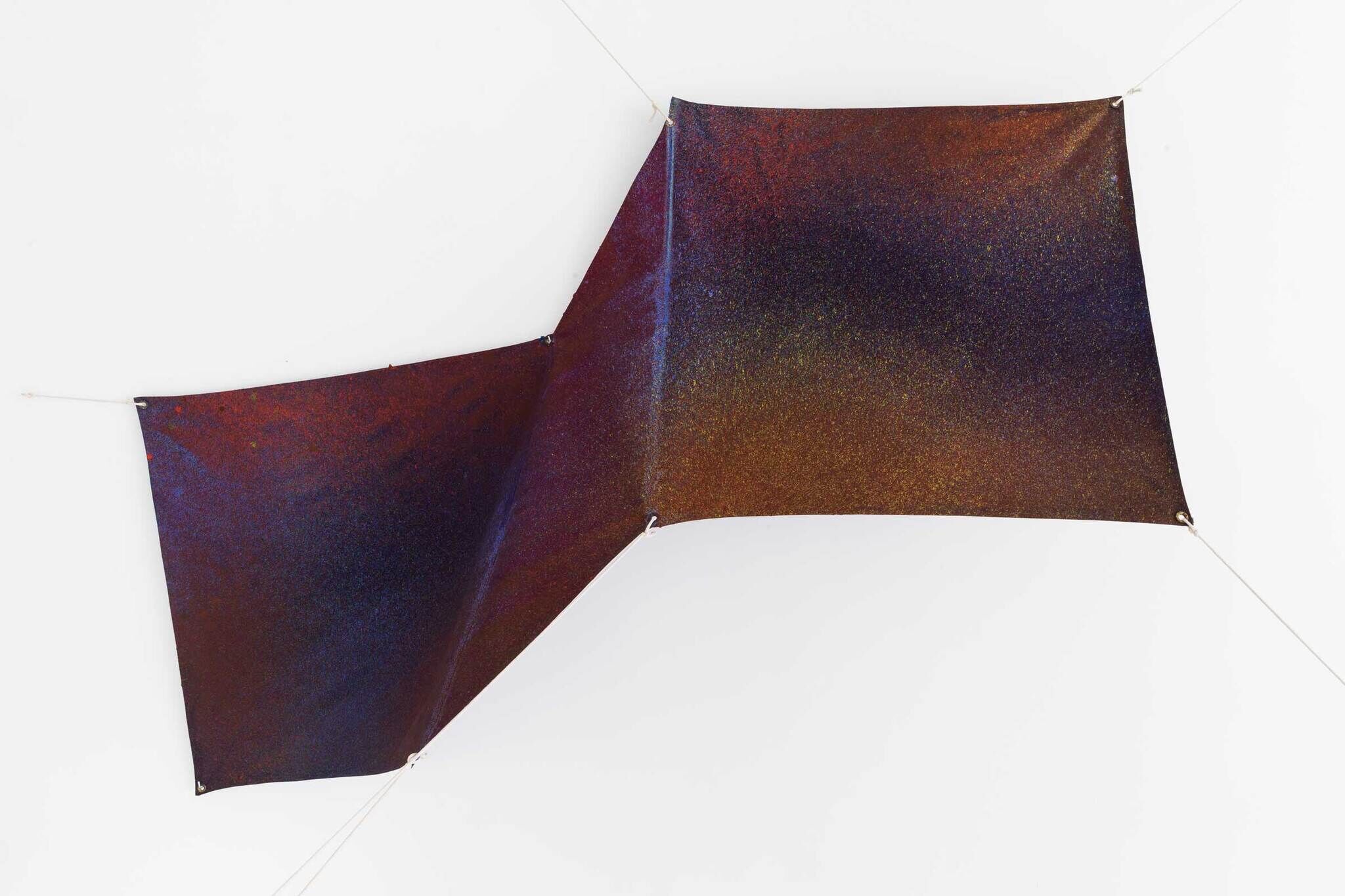
A large, iridescent, abstract fabric installation is suspended by strings against a white background.

Joe Overstreet, Purple Flight, 1971. Acrylic on constructed canvas with metal grommets and cotton rope, dimensions variable. Courtesy of Eric Firestone Gallery © 2024 Joe Overstreet / Artists Rights Society (ARS), New York

Joe Overstreet, Purple Flight, 1971

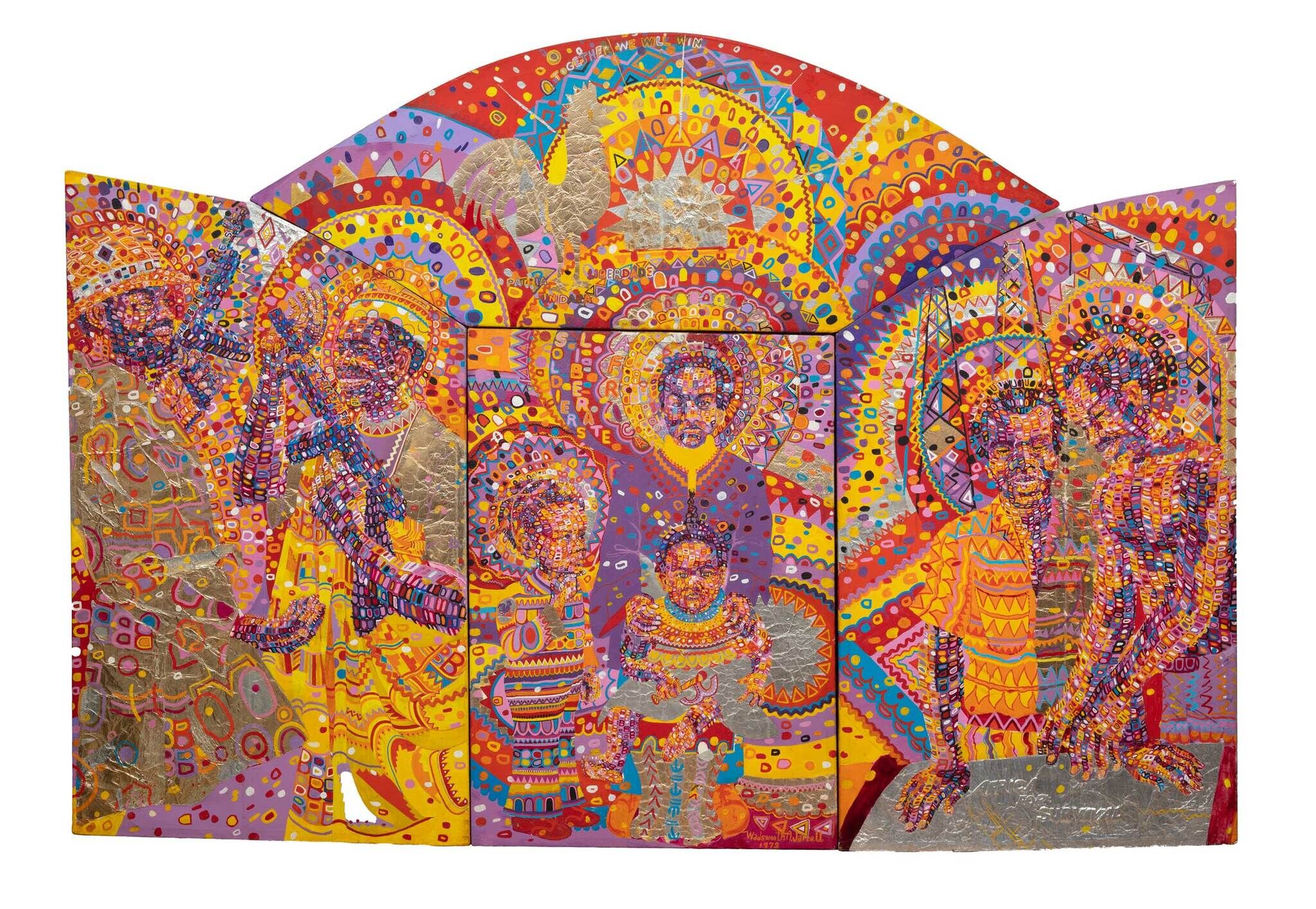
A vibrant, colorful triptych with intricate patterns and abstract figures, featuring halos and a rooster at the top center.

Wadsworth Jarrell, Together We Will Win, 1973. Acrylic and foil on canvas, 60 x 84 in. (152.4 x 213.3 cm). Jenkins Johnson Gallery. © Wadsworth Jarrell. Courtesy Jenkins Johnson Gallery

Wadsworth Jarrell, Together We Will Win, 1973

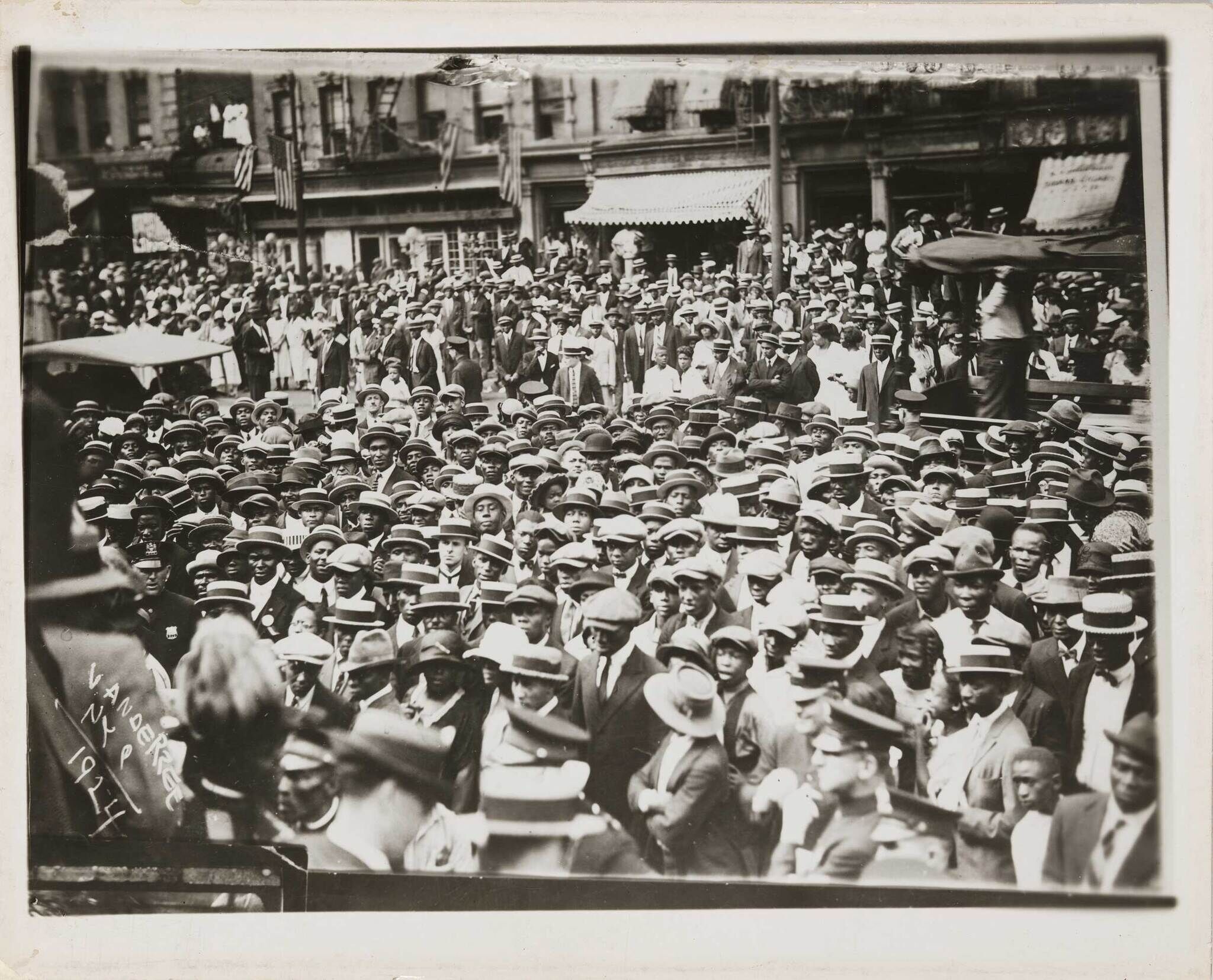
A large crowd of people, mostly wearing hats, gathered on a city street with buildings and American flags in the background.

James Van Der Zee, Marcus Garvey Rally, 1924. Gelatin silver print: sheet, 8 1/16 × 10 in. (20.5 × 25.4 cm); image, 7 1/8 × 9 3/8 in. (18.1 × 23.8 cm). Whitney Museum of American Art, New York; gift of Manny and Skippy Gerard 2003.416. © Estate of James Van Der Zee

James Van Der Zee, Marcus Garvey Rally, 1924

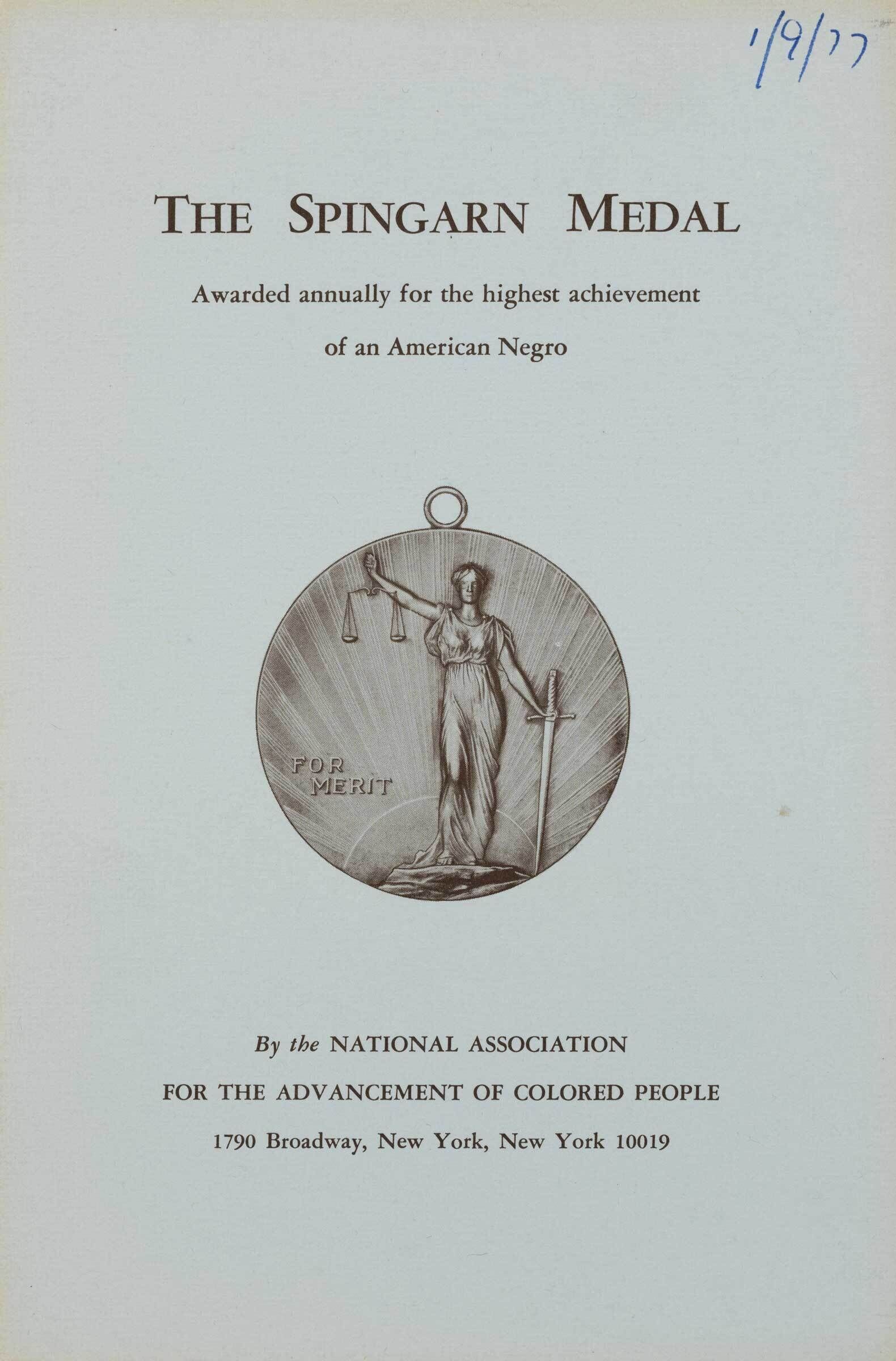
The Spingarn Medal pamphlet, awarded annually for the highest achievement of an American Negro by the NAACP. Dated 1/9/77.

Alvin Ailey Program: 1977 January NYC NAACP Spingarn Medal (exterior). Courtesy Alvin Ailey Dance Foundation, Inc.

Alvin Ailey Program: 1977 January NYC NAACP Spingarn Medal (exterior)

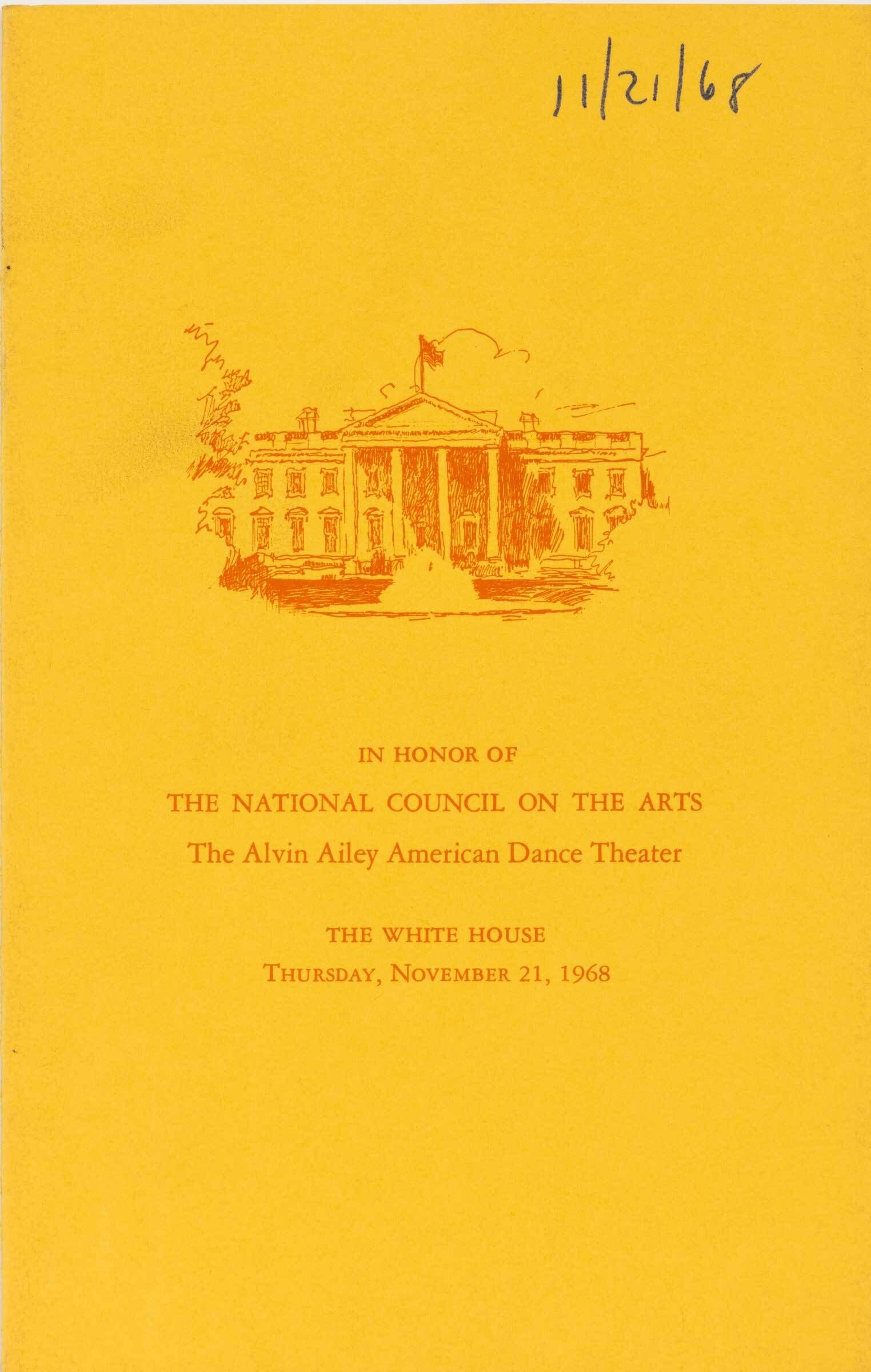
Yellow program cover for the National Council on the Arts event at the White House, featuring the Alvin Ailey American Dance Theater, dated 11/21/68.

Cover of program for the Ailey company’s performance at the White House, Washington, DC, 1968.  Courtesy Alvin Ailey Dance Foundation, Inc.

Cover of program for the Ailey company’s performance at the White House, Washington, DC, 1968

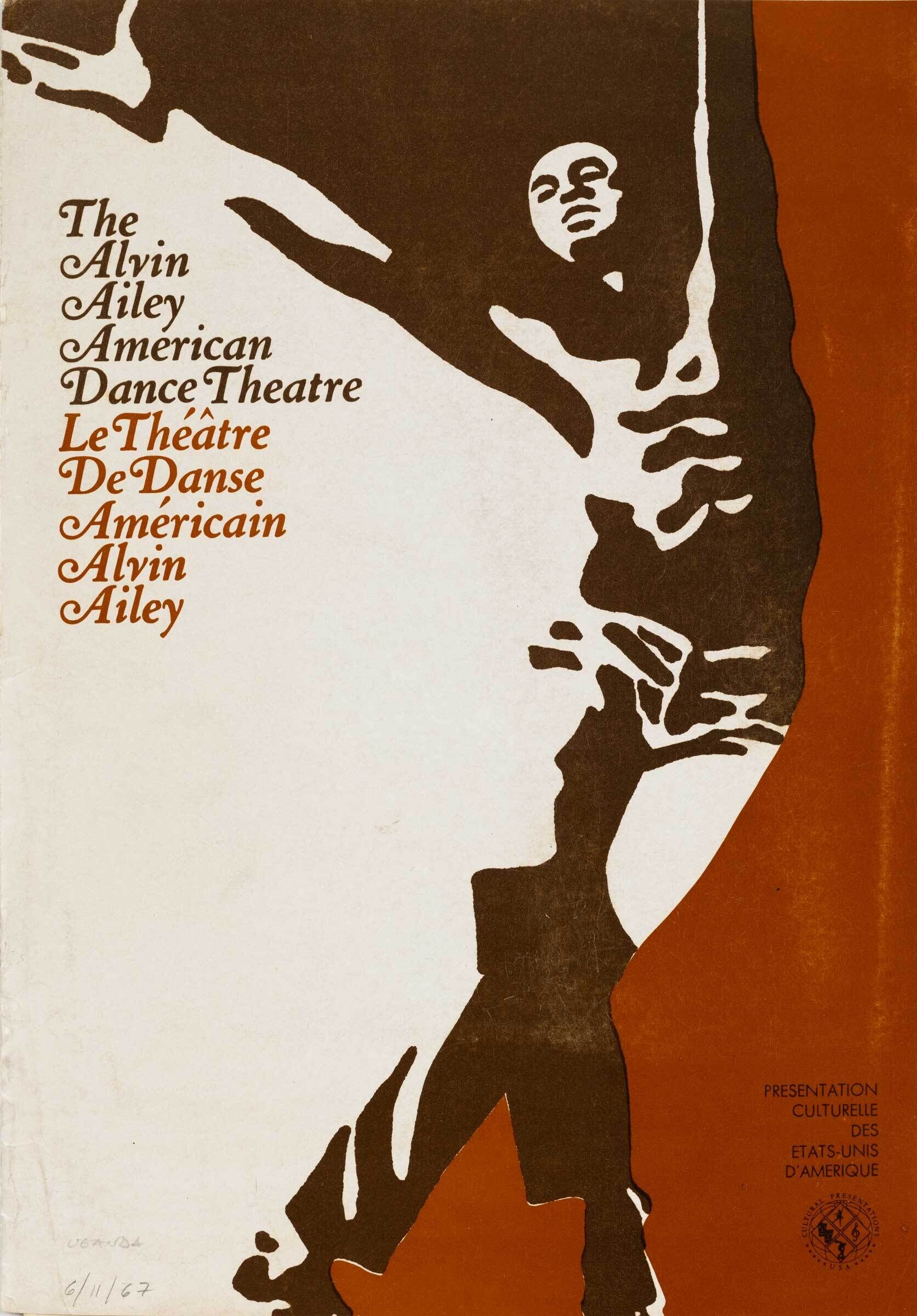
Poster for The Alvin Ailey American Dance Theatre featuring a brown silhouette of a dancer on a white and brown background. Text in English and French.

Cover of a souvenir program from the Ailey company’s North African tour, 1967. Courtesy Alvin Ailey Dance Foundation, Inc.

Cover of a souvenir program from the Ailey company’s North African tour, 1967

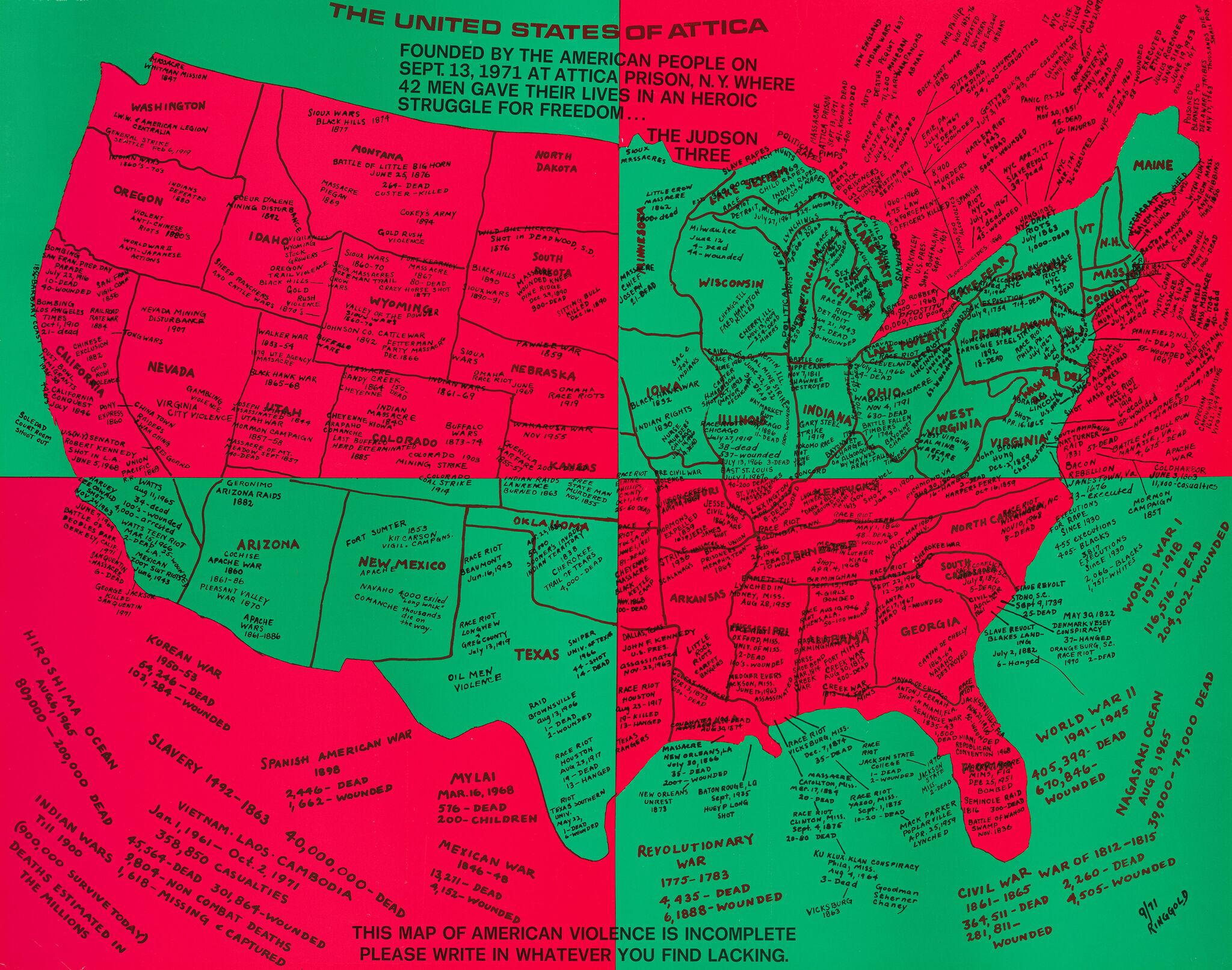
A map of the united states in green and red with violent historic events written across each state.

Faith Ringgold, United States of Attica, 1971. Offset lithograph, 21 3/8 × 27 3/16 in. (54.3 × 69.1 cm). Whitney Museum of American Art, New York; gift of ACA Galleries in honor of Faith Ringgold 2017.163. © 2023 Faith Ringgold / Artists Rights Society (ARS), New York

Faith Ringgold, United States of Attica, 1971


Artists

On the Hour

A 30-second online art project:
Frank WANG Yefeng, The Levitating Perils #2

Learn more about this project

Learn more at whitney.org/artport

On the Hour projects can contain motion and sound. To respect your accessibility settings autoplay is disabled.