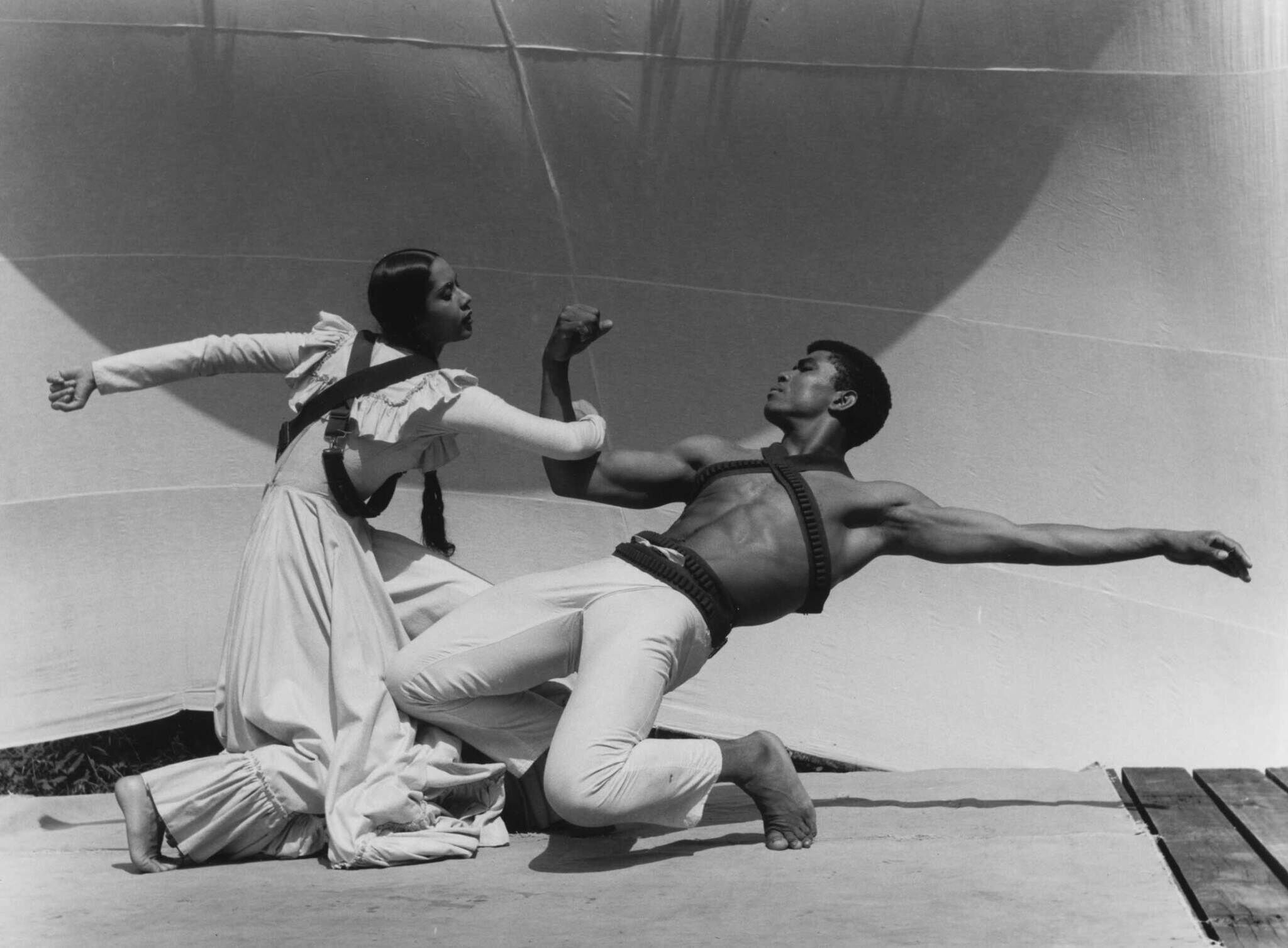
Edges of Ailey | Art & Artists

Sept 25, 2024–Feb 9, 2025


Exhibition works

10 total
Black Spirituality
Read more

Black Spirituality

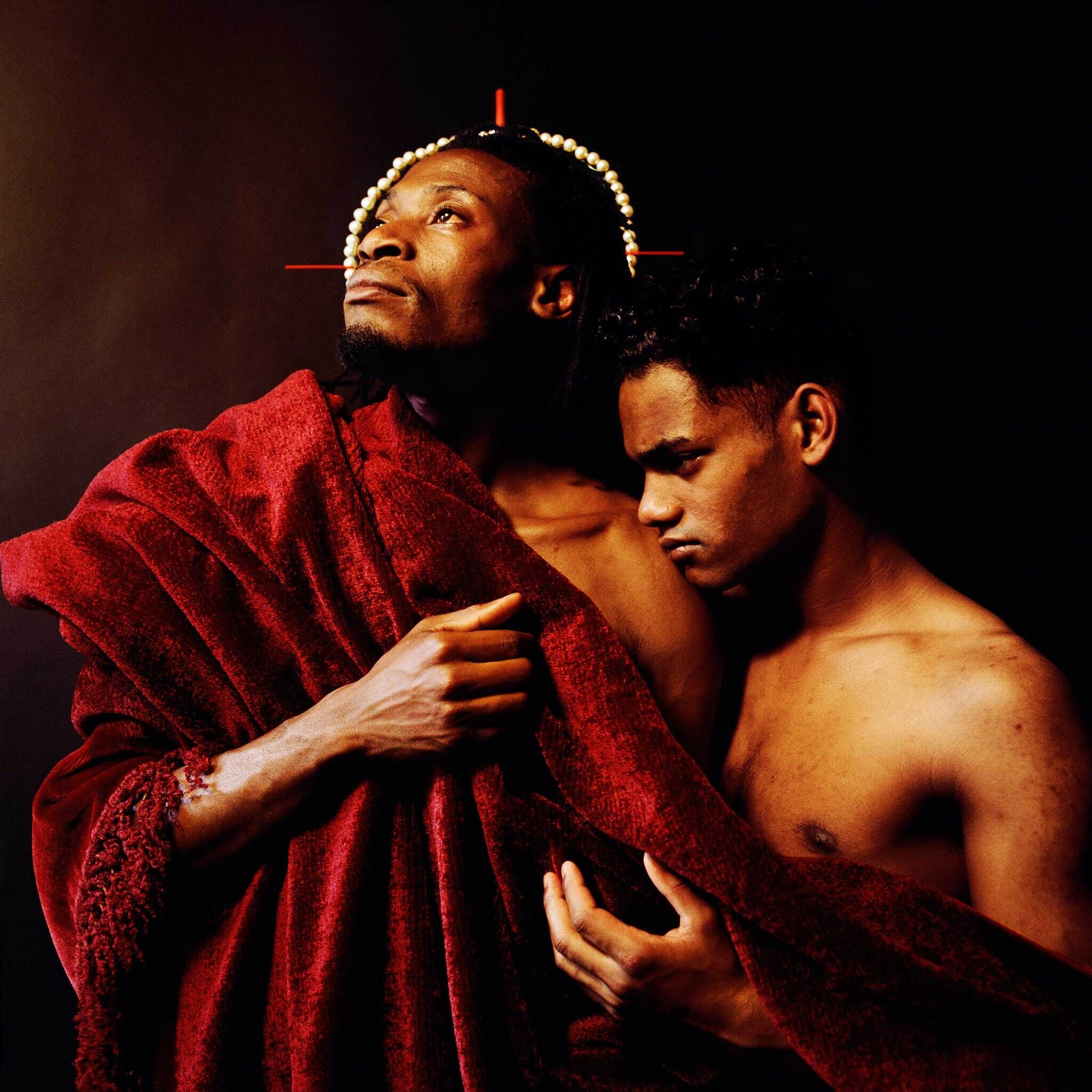
Two shirtless individuals draped in a red cloth, one looking upward with a halo-like headpiece, the other looking downward, both against a dark background.

Rotimi Fani-Kayode, Every Moment Counts (Ecstatic Antibodies), 1989. Archival c-type print. © Rotimi Fani-Kayode. Courtesy of Autograph, London

Black Spirituality

Reflecting upon the importance of the divine in his choreography, Alvin Ailey remarked, “My roots are also in the Gospel church, the Gospel churches of the South where I grew up. Holy blues, paeans to joy, anthems to the human spirit.” Most notably in his iconic Revelations (1960), Ailey drew upon his childhood experiences of Sunday services, spirituals, and baptism in rural Texas. Black churches, like the ones Ailey and his mother attended, have been foundational to Black social, political, and educational life in the United States.

Ailey’s interest in the ecstatic aspects of spiritual experience also went beyond the Black church of the American South. Like anthropologist and choreographer Katherine Dunham, who was a practitioner of Haitian vodou, he found special resonance in Brazilian candomblé, an African diasporic religion that combines spiritual influences from West Africa—including the Fon, Yoruba, and Bantu—with Roman Catholicism. The particular songs, devotional rituals, ways of moving, and distinct garb associated with candomblé and vodou exemplified endurance, imagination, and sociality in contrast to extreme subjugation.

Throughout his life, Ailey was inspired by the breadth and diversity of Black spiritual practices. If faith was a bedrock of belief in either freedom or salvation, fervor—or soulfulness—would be one proof of its existence. Ailey sought to re-create an outpouring of feeling, a sense of theatricality, and emphatic storytelling by informing the content of several dances he choreographed for his company, like Revelations (1960), Hermit Songs (1961), Mary Lou’s Mass (1971), and Hidden Rites (1973), and his engagements with theater and opera, such as Leonard Bernstein’s Mass (1971) and Four Saints in Three Acts (1973).

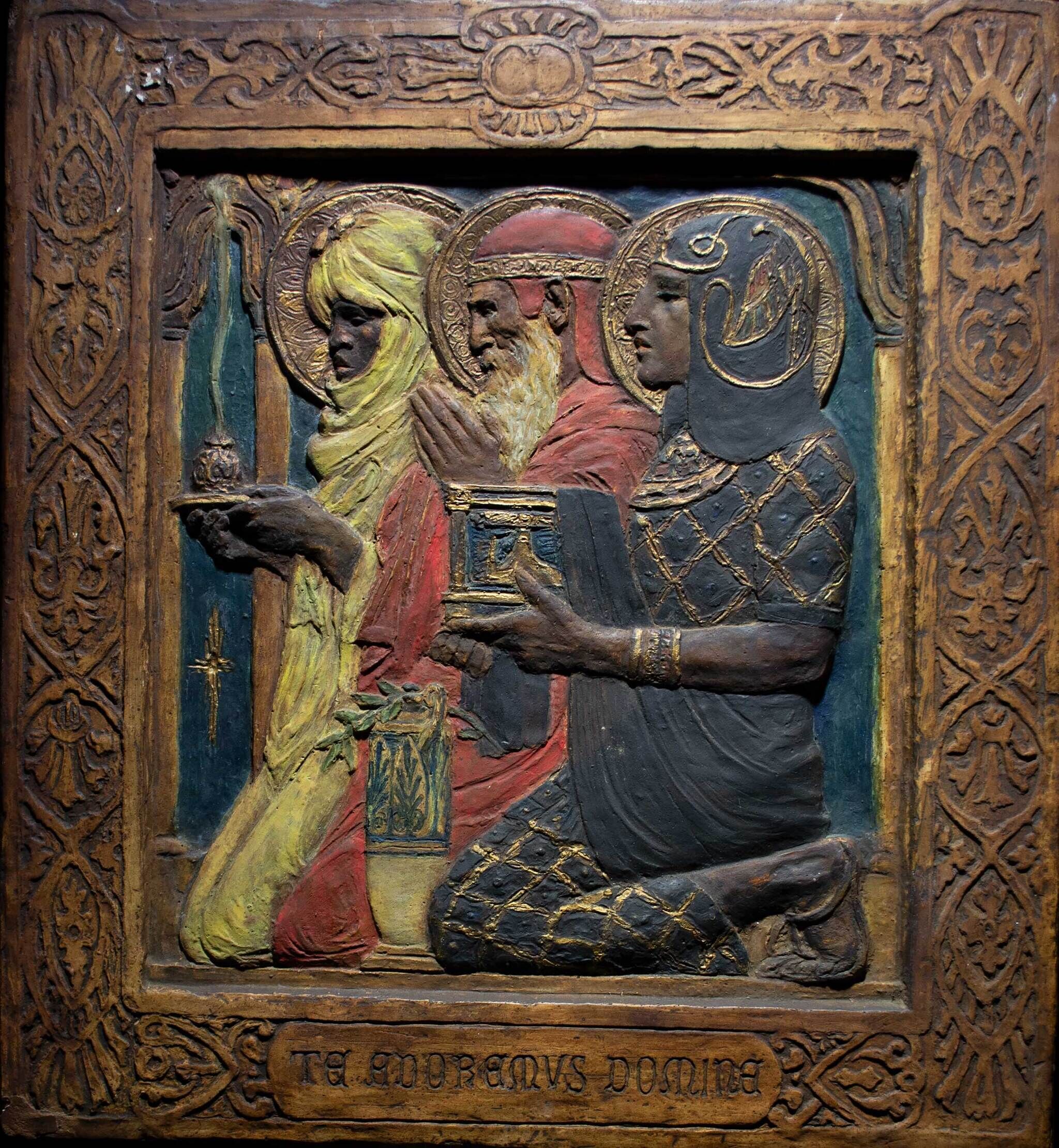
A carved and painted relief depicting three figures in ornate attire, each holding a gift, with intricate border designs and Latin text below.

Meta Vaux Warrick Fuller, Te Adoremus Domine, 1921. Painted plaster, 14 3⁄4 x 13 1/2 in. (37.4 x 34.2 cm). Danforth Art Museum at Framingham State Unisversity; Gift of the Meta V.W. Fuller Trust

Meta Vaux Warrick Fuller, Te Adoremus Domine, 1921

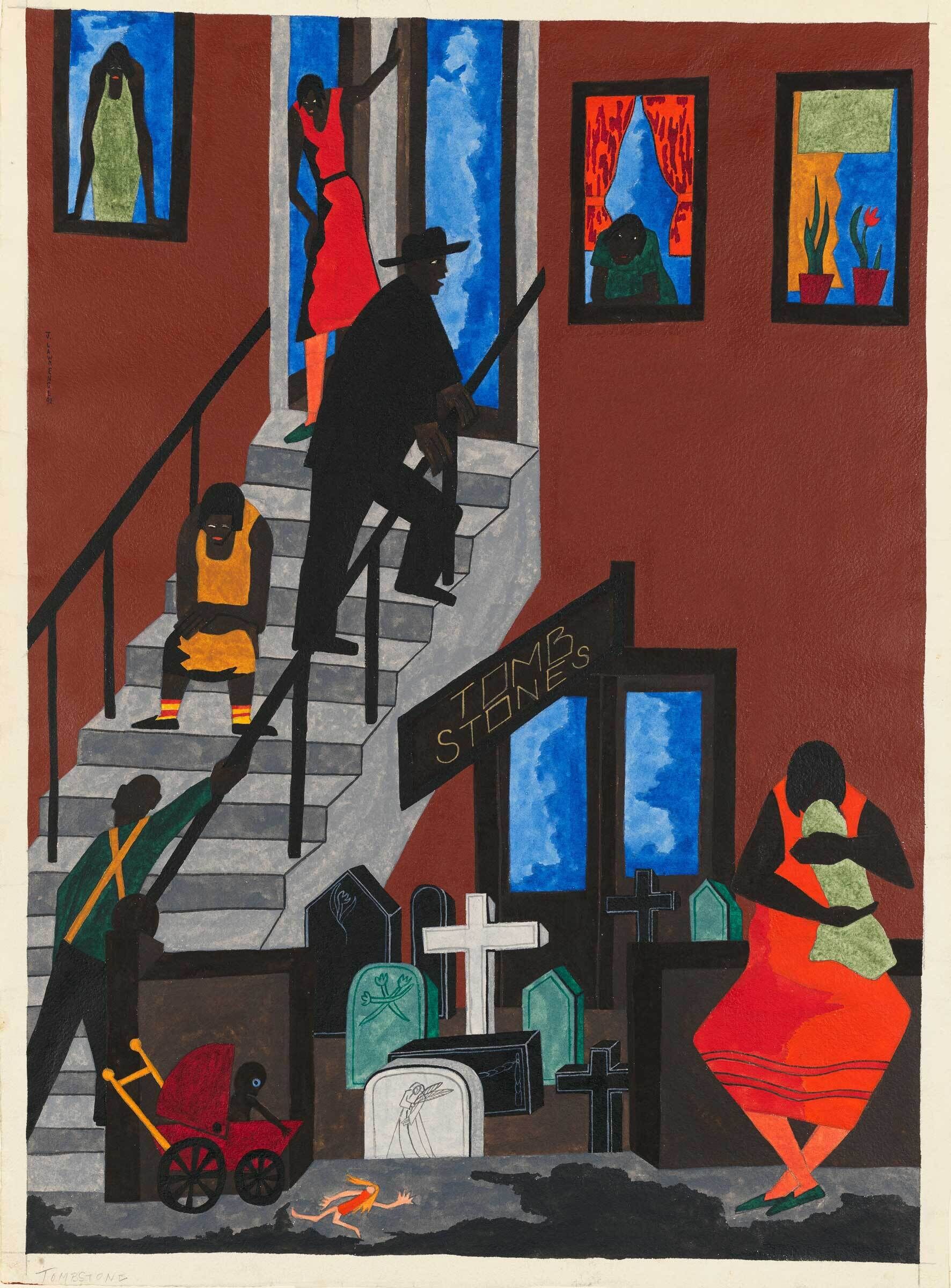
A colorful painting depicts people on stairs and around a building with tombstones. A woman in red holds a baby, and a red stroller is nearby.

Jacob Lawrence, Tombstones 1942. Opaque watercolor on paper, 30 7/8 × 22 13/16 in. (78.4 × 57.9 cm). Whitney Museum of American Art, New York; purchase 43.14. © 2024 The Jacob and Gwendolyn Lawrence Foundation, Seattle / Artists Rights Society (ARS), New York

Jacob Lawrence, Tombstones 1942

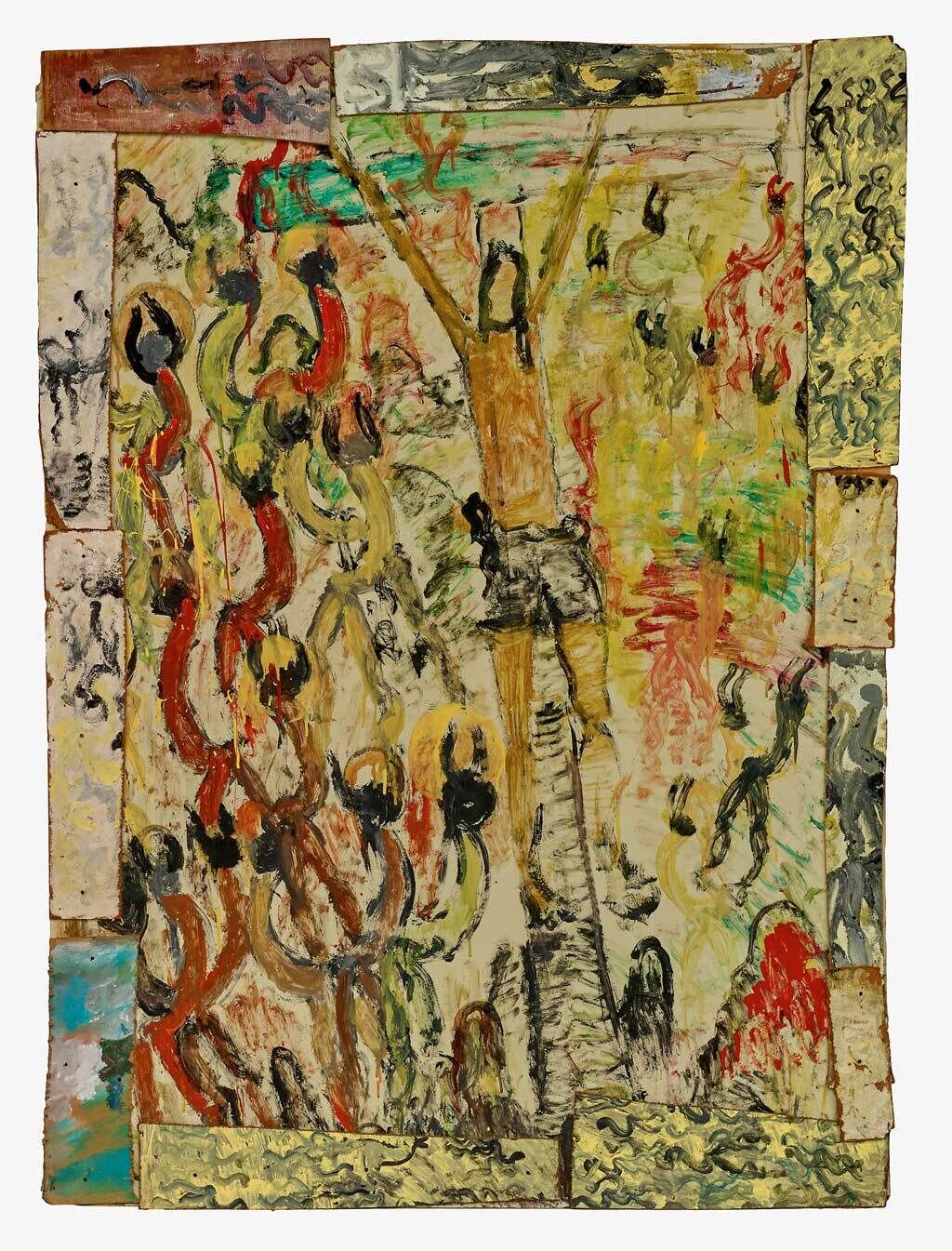
Abstract painting with vibrant colors and swirling shapes. Central figure appears to be on a cross, surrounded by chaotic, fiery forms.

Purvis Young, Our Father, 1997. Paint, Masonite, wood, on wood, 64.75 x 48 in. Currier Museum of Art © 2024 The Arnett Collection / Artists Rights Society (ARS), New York

Purvis Young, Our Father, 1997

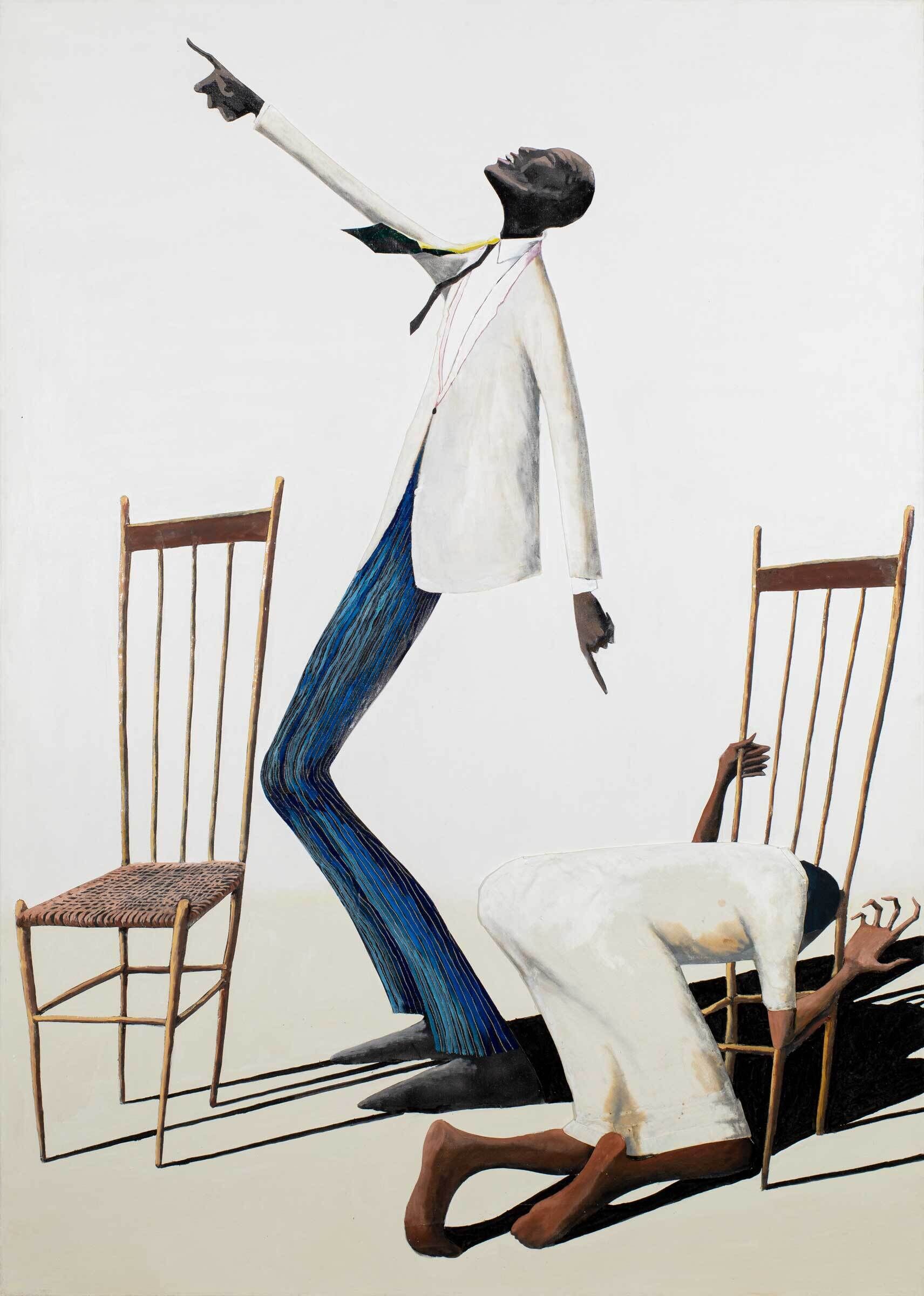
Two figures, one standing and pointing upward, the other kneeling and grasping a chair. Both are dressed in white, with a minimalist background.

Benny Andrews, The Way to the Promised Land (Revival Series), 1994. Oil on canvas with painted fabric collage, 72 x 59 3/4 in. (182.9 x 128.9 cm). © Benny Andrews Estate; Courtesy of Michael Rosenfeld Gallery, New York, NY

Benny Andrews, The Way to the Promised Land (Revival Series), 1994

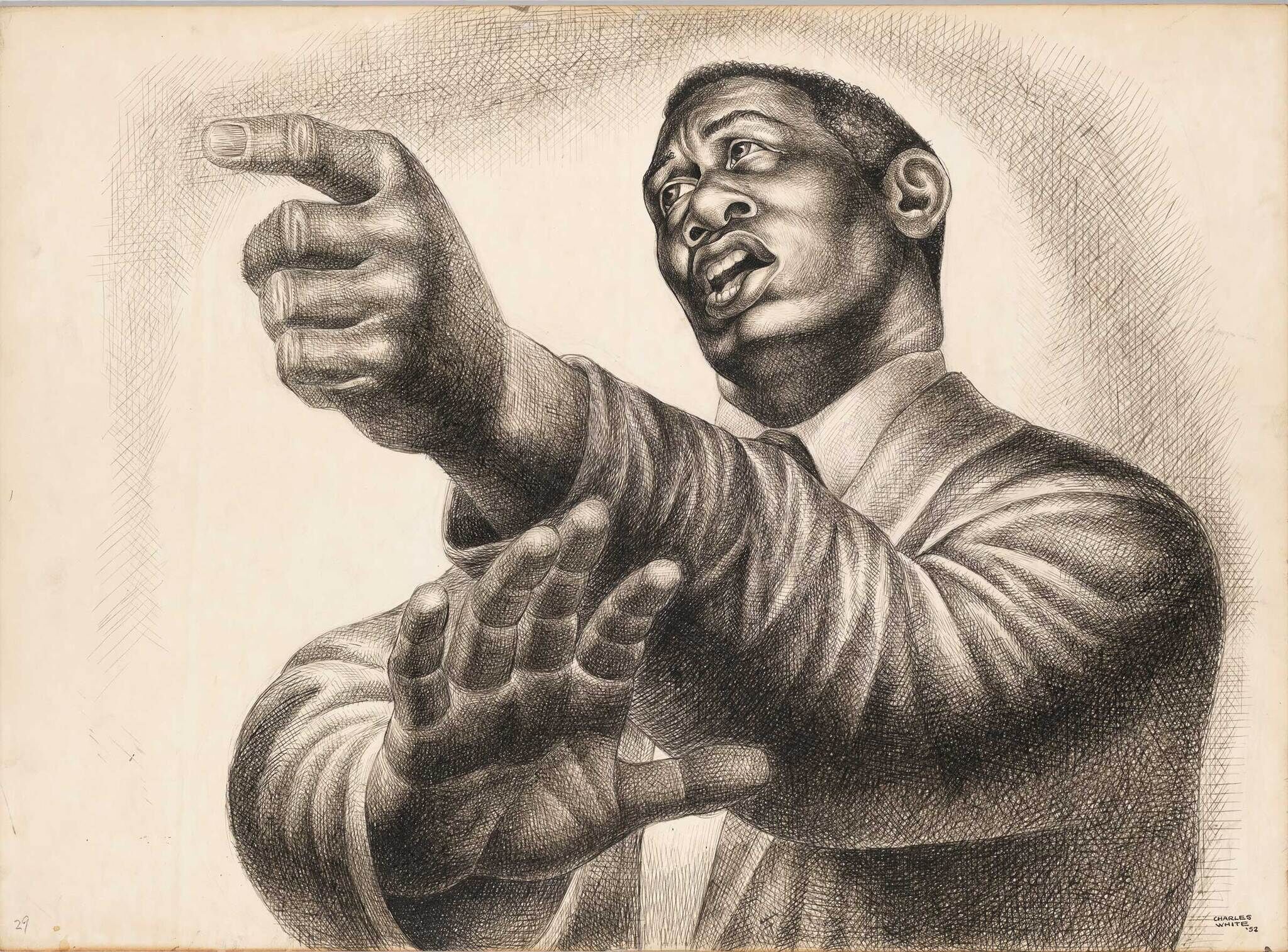
Detailed drawing of a man in a suit, passionately gesturing with one hand pointing forward and the other hand open, by Charles White.

Charles White, Preacher, 1952. Pen and ink and graphite pencil on board: sheet, 22 13/16 × 29 15/16 in. (57.9 × 76 cm); image, 22 13/16 × 29 15/16 in. (57.9 × 76 cm). Whitney Museum of American Art, New York; purchase 52.25. © The Charles White Archives

Charles White, Preacher, 1952

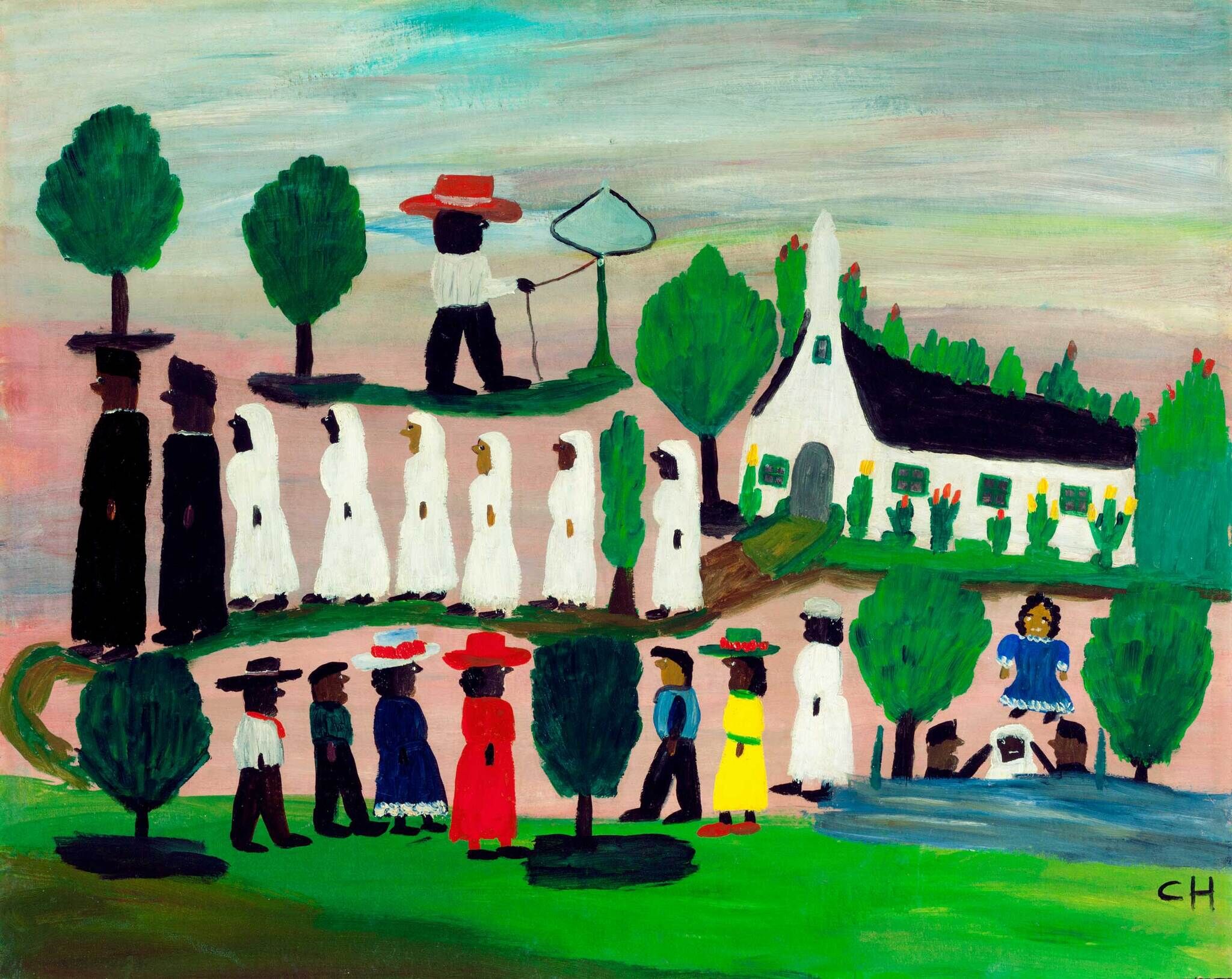
Colorful painting of people in white robes and black hats walking towards a white church, with trees and a person in a blue dress in the foreground.

Clementine Hunter, Cane River Baptism, c. 1950-1956. Oil on paperboard, 19 x 23 7/8 in. The Johnson Collection, Spartanburg, South Carolina.

Clementine Hunter, Cane River Baptism, c. 1950-1956

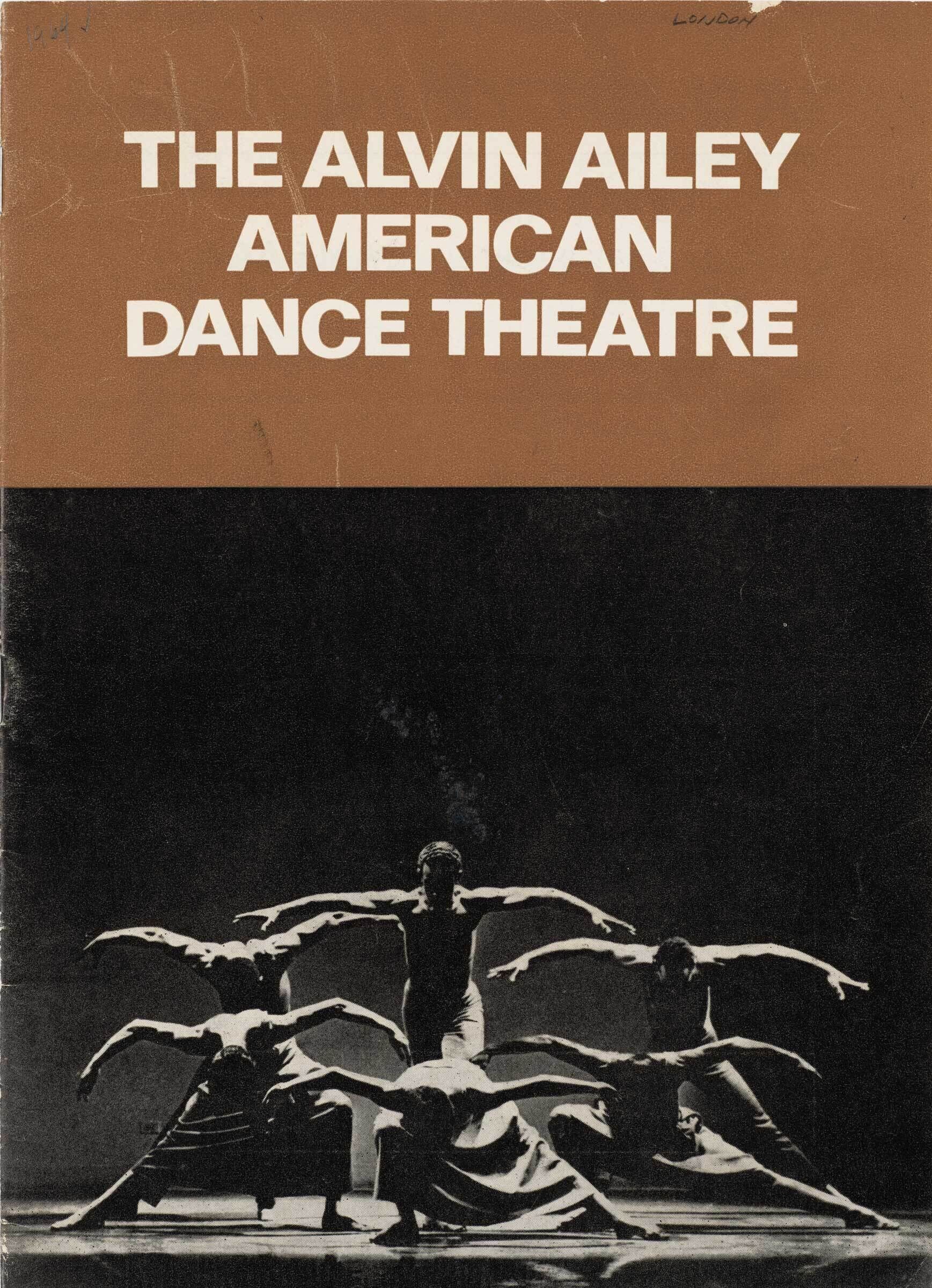
Cover of "The Alvin Ailey American Dance Theatre" program with dancers in a dramatic pose. Text above reads "1964 October 5 London tour Shaftesbury Theatre."

Alvin Ailey Program: Shaftesbury Theatre London, 1964 October. Courtesy Alvin Ailey Dance Foundation, Inc.

Alvin Ailey Program: Shaftesbury Theatre London, 1964 October

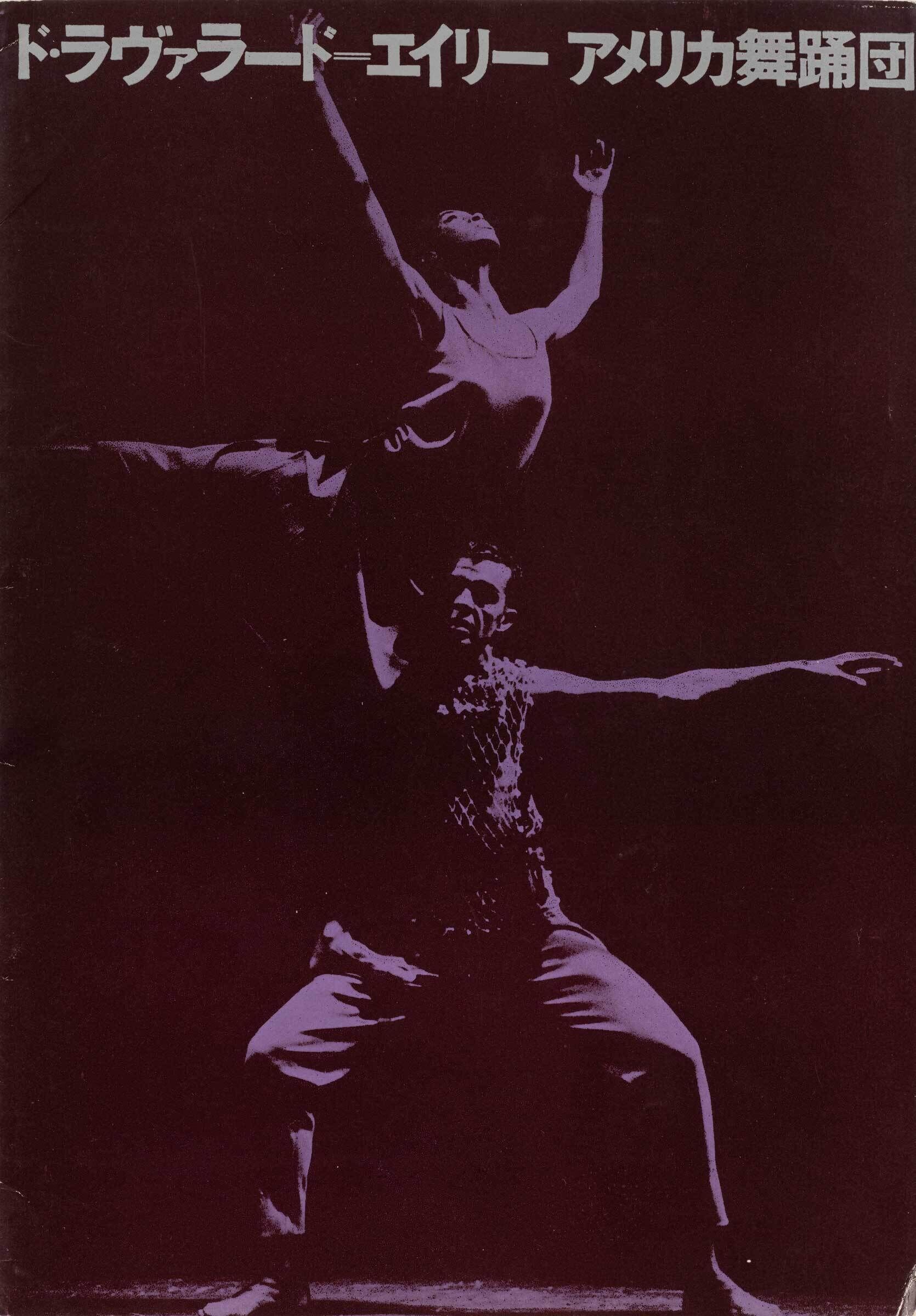
Japanese text above two dancers in a dramatic pose on a dark background. A note above reads "1962 April 19 and 20 Tokyo; purple and eggplant."

Alvin Ailey Program: Tokyo, 1962 April. Courtesy Alvin Ailey Dance Foundation, Inc.

Alvin Ailey Program: Tokyo, 1962 April

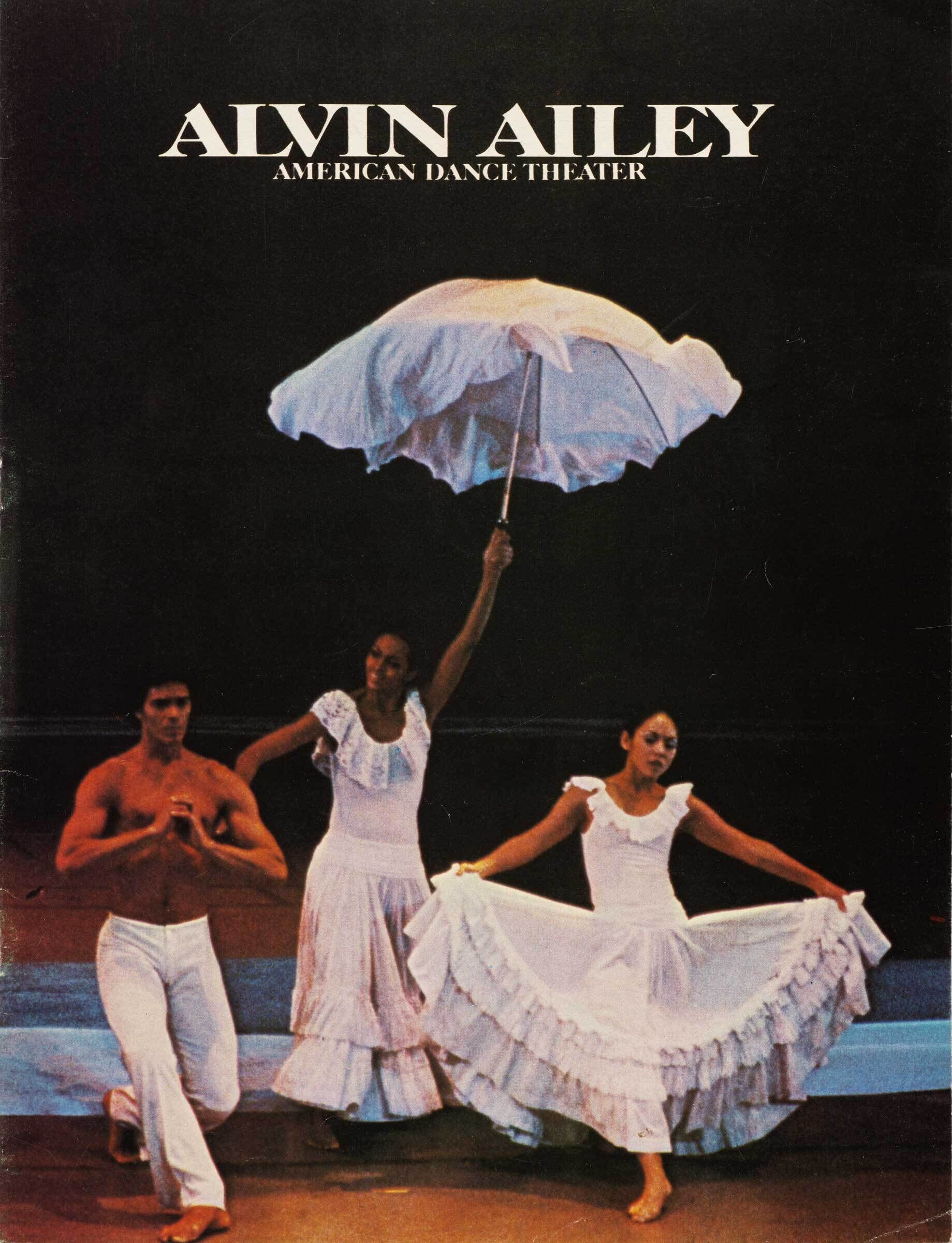
Cover of Alvin Ailey American Dance Theater program featuring three dancers in white costumes, one holding a large white umbrella.

Alvin Ailey Program: Rio de Janeiro Teatro Municipal, 1981 June. Courtesy Alvin Ailey Dance Foundation, Inc.

Alvin Ailey Program: Rio de Janeiro Teatro Municipal, 1981 June

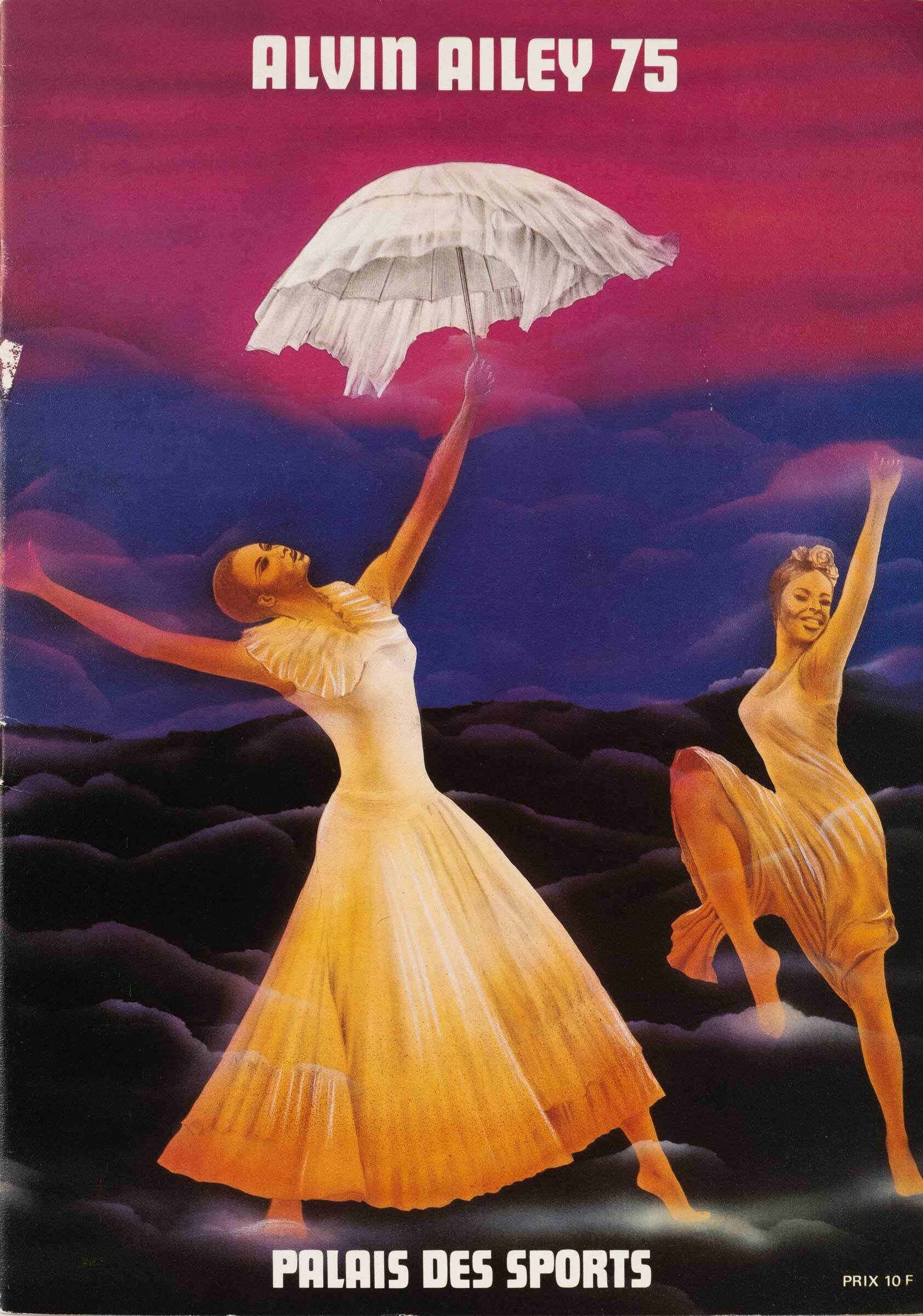
Poster for Alvin Ailey 75 at Palais des Sports, featuring two dancers in flowing dresses against a vibrant sky, one holding a white umbrella.

Alvin Ailey Program: Palais des Sports, Paris, 1975. Courtesy Alvin Ailey Dance Foundation, Inc.

Alvin Ailey Program: Palais des Sports, Paris, 1975

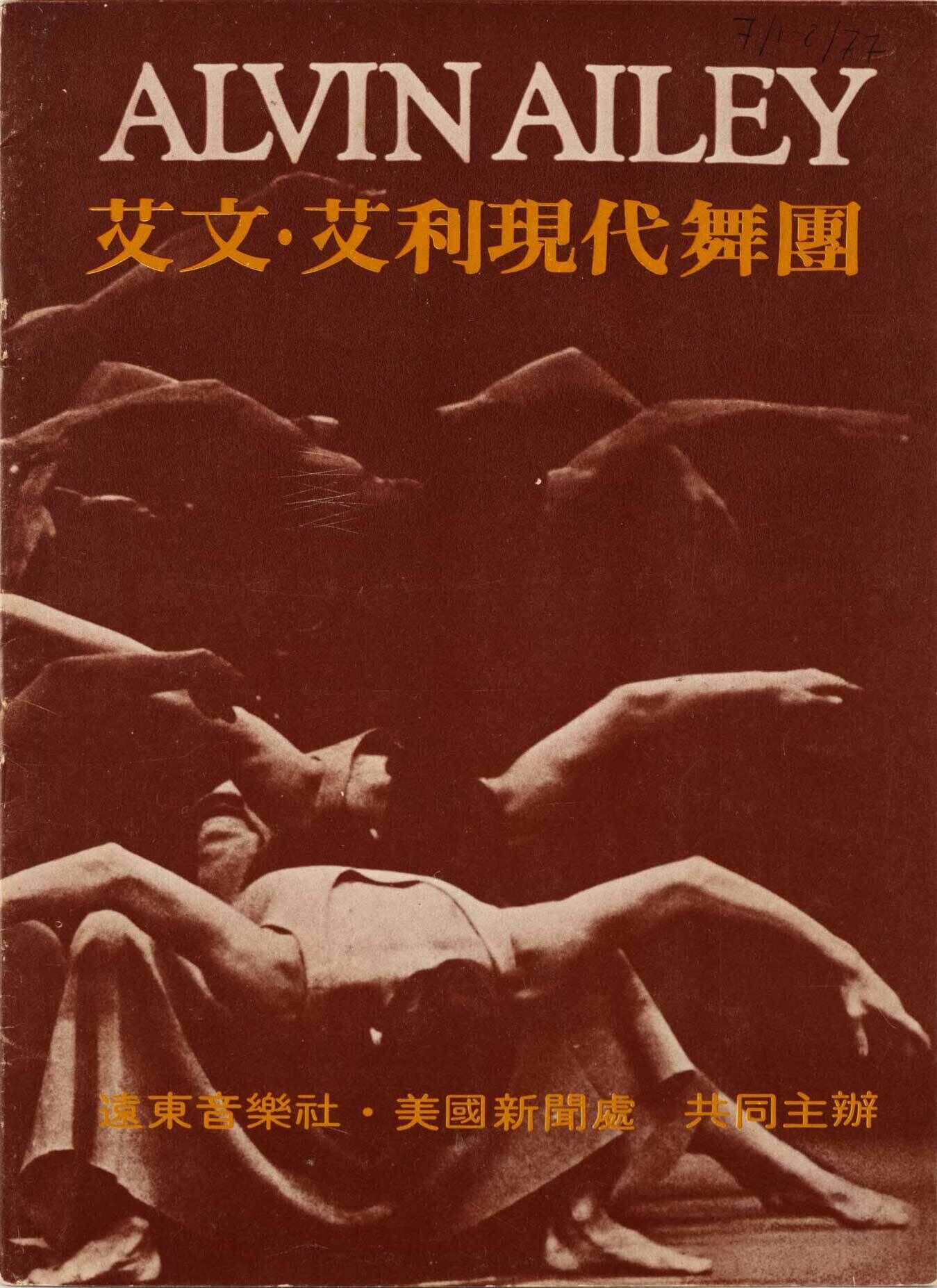
Brown and orange Alvin Ailey poster featuring dancers in dynamic poses, with text in English and Chinese.

Alvin Ailey Program: Taipei, 1977 July. Courtesy Alvin Ailey Dance Foundation, Inc.

Alvin Ailey Program: Taipei, 1977


Artists

On the Hour

A 30-second online art project:
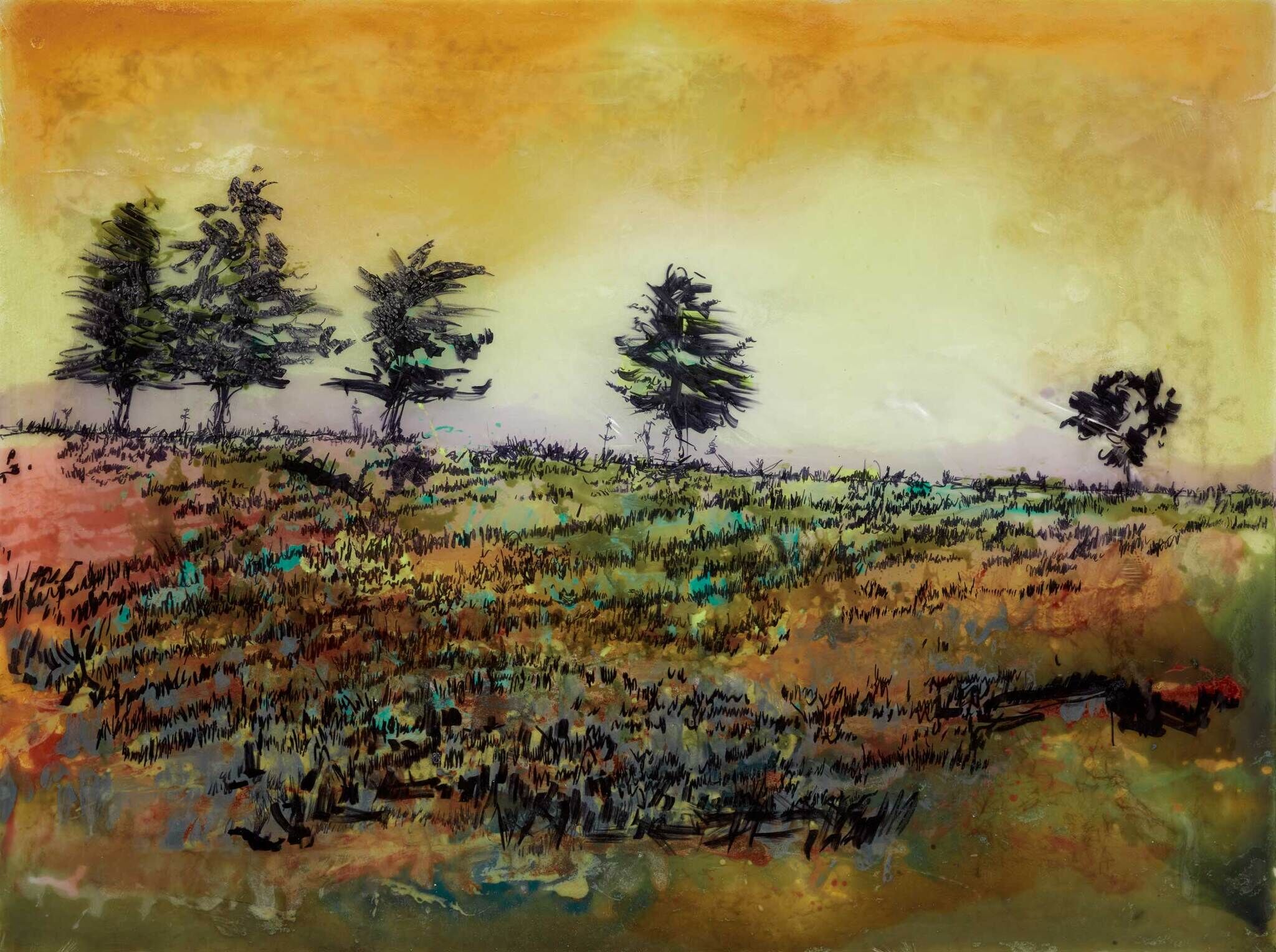
Frank WANG Yefeng, The Levitating Perils #2

Learn more about this project

Learn more at whitney.org/artport

On the Hour projects can contain motion and sound. To respect your accessibility settings autoplay is disabled.