Dreamlands: Immersive Cinema and Art, 1905–2016

Oct 28, 2016–Feb 5, 2017


Exhibition artists

76 total
Lynn Hershman Leeson

Read more

Lynn Hershman Leeson

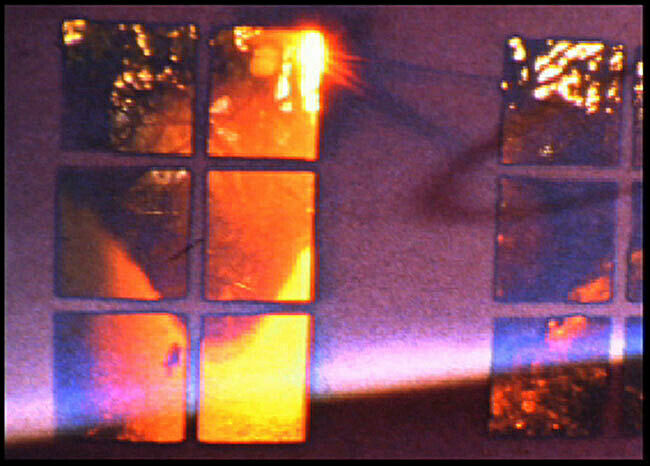
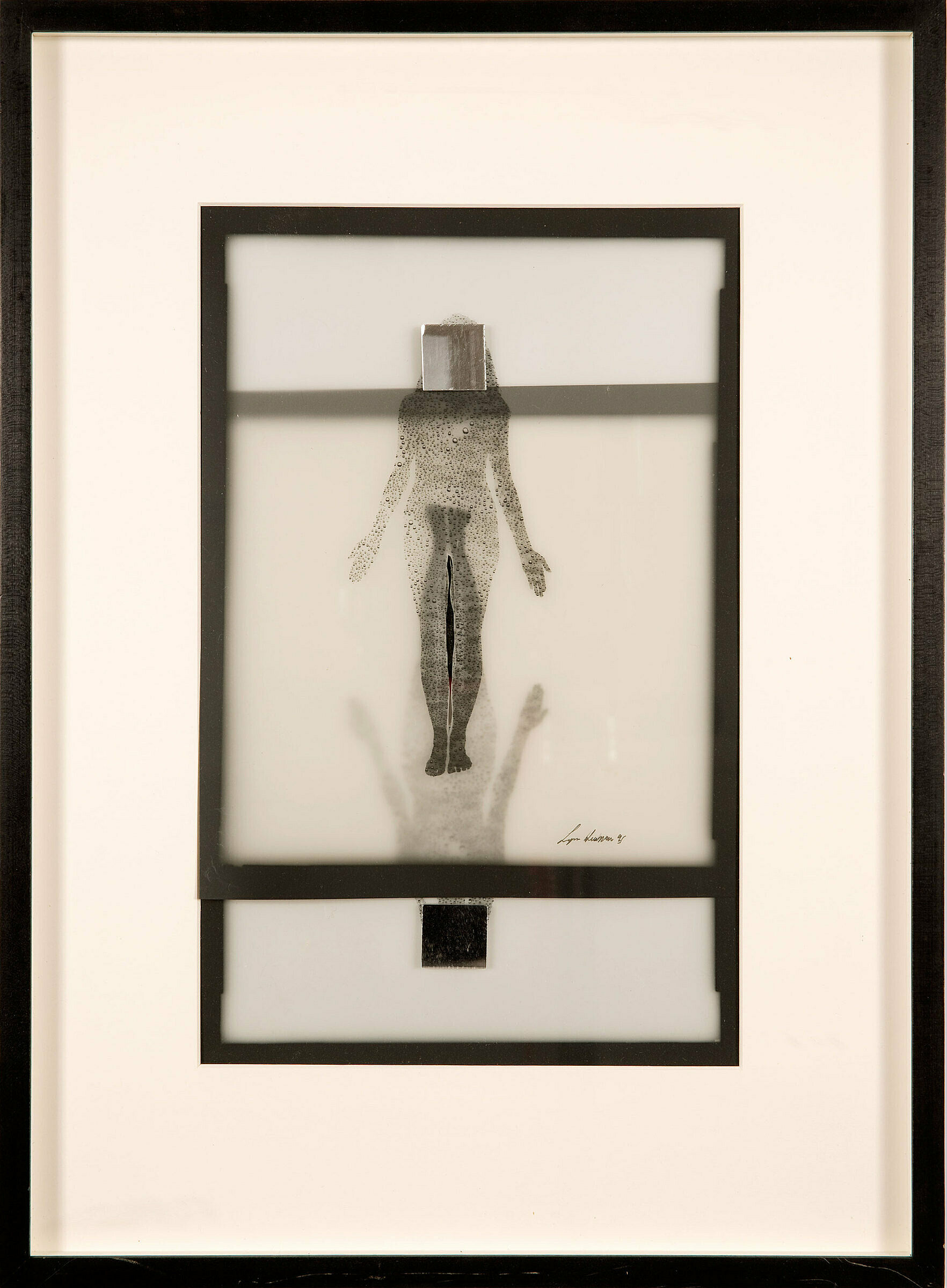
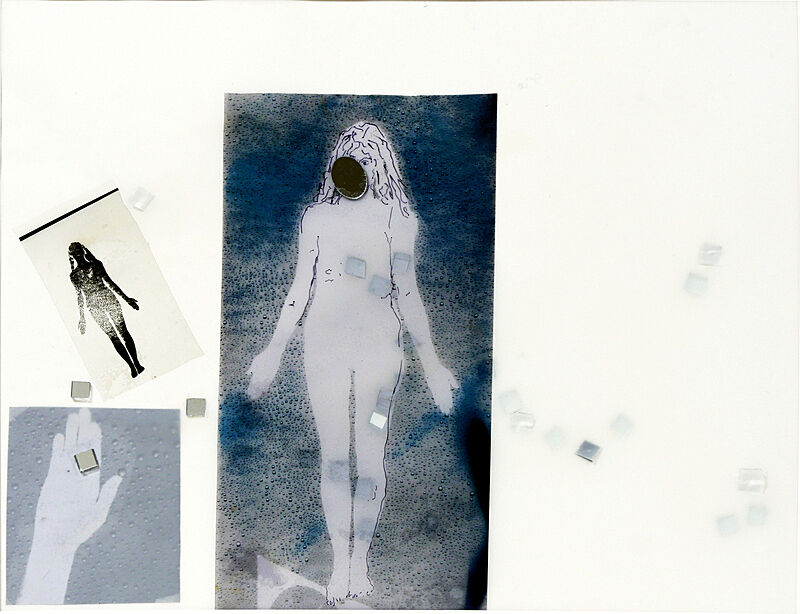
Lynn Hershman Leeson (b. 1941), Water Woman Evaporating x 3, 2003. Vellum, mirror, ink, celluloid, and plastic, 13 1/2 × 17 1/2 in. (34.3 × 44.5 cm). Collection of the artist; courtesy Bridget Donahue Gallery, New York © Lynn Hershman Leeson; image courtesy Bridget Donahue Gallery, New York
Lynn Hershman Leeson
Since the mid-1960s, Lynn Hershman Leeson has been exploring the relationship between identity, gender, and technology in her work, adopting the female cyborg as a figure of transformative power.
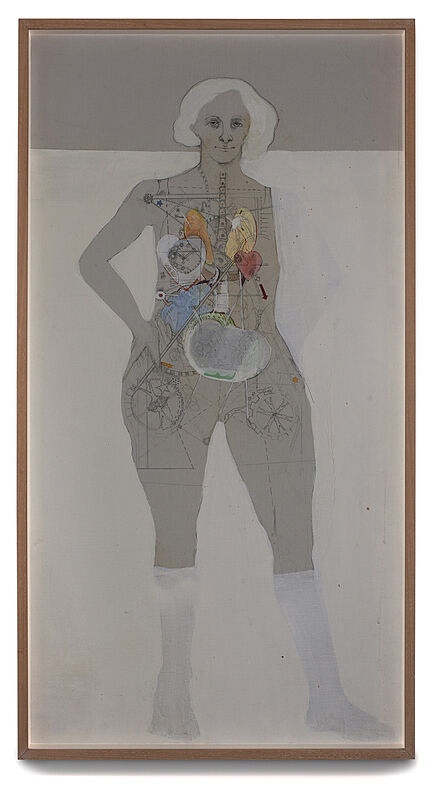
Lynn Hershman Leeson (b. 1941), X-Ray Woman, 1963. Acrylic, graphite, and ink on canvas, 36 5/8 × 19 1/4 in. (93 × 48.8 cm). Collection of the artist; courtesy Bridget Donahue Gallery, New York © Lynn Hershman Leeson; photograph by Marc Brems Tatti; image courtesy Bridget Donahue Gallery, New York
Lynn Hershman Leeson (b. 1941), X-Ray Woman, 1963
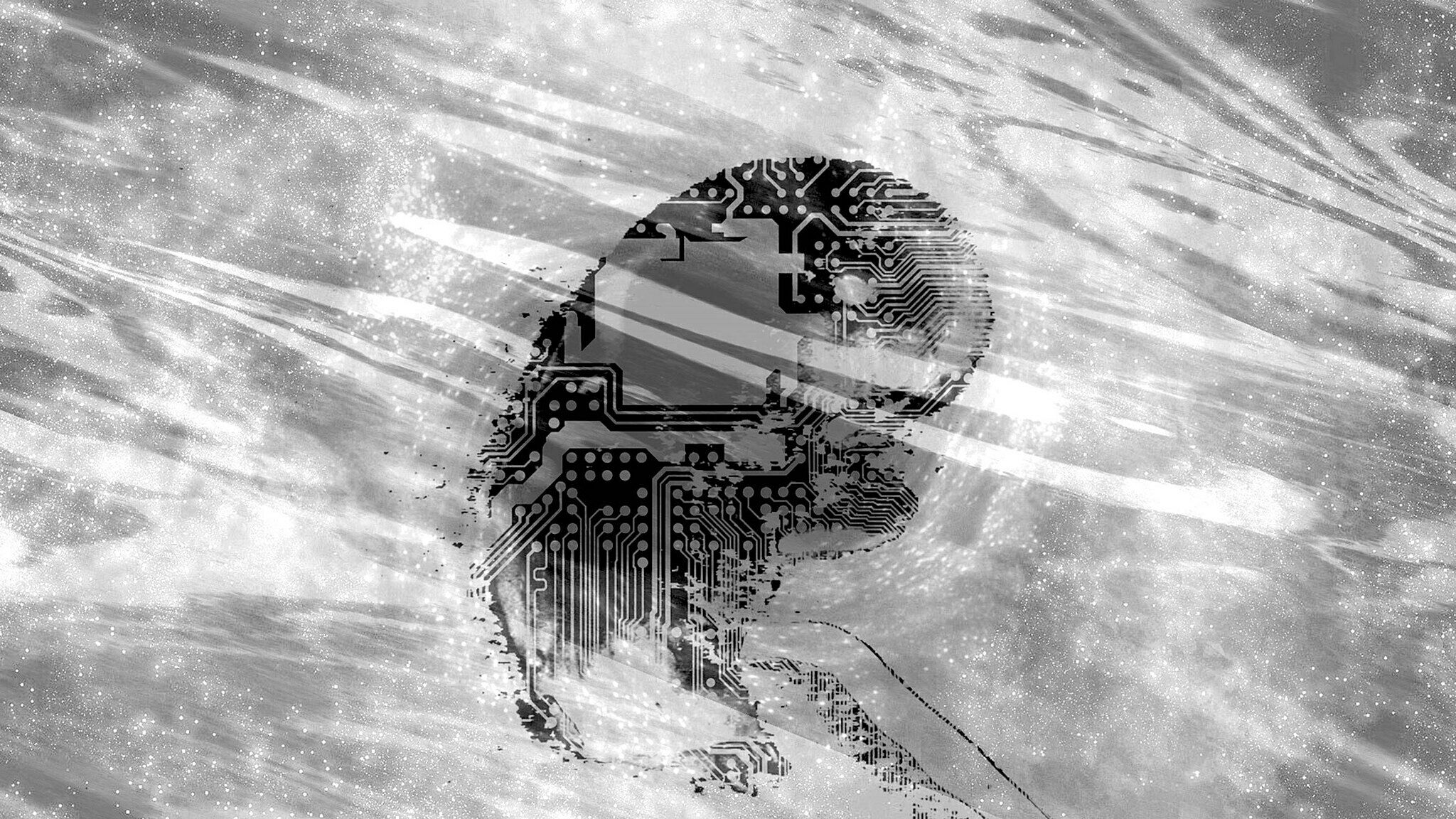
For her, the body is akind of programmable software, allowing the self to appear in various hybrid forms. In cyborg drawings such as X-Ray Woman (1966), the female body is rendered transparent, revealing a mixture of internal organs and machine parts that suggests a kind of collaborative relationship with her technological environment.

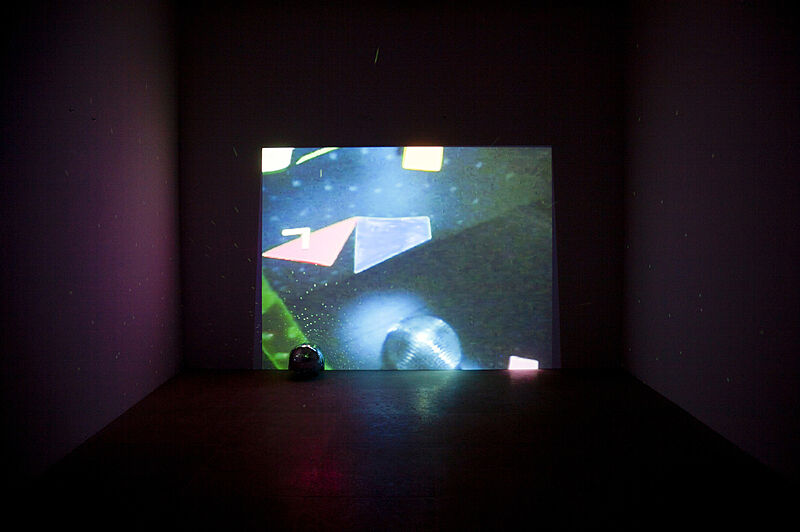
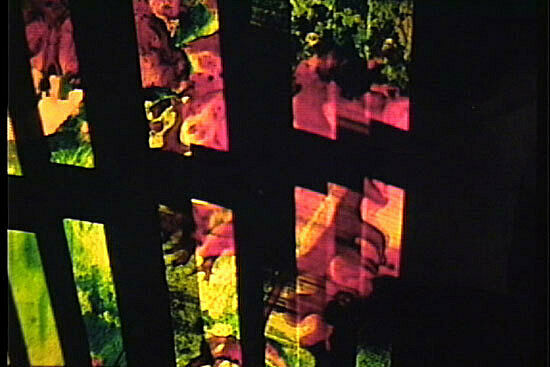
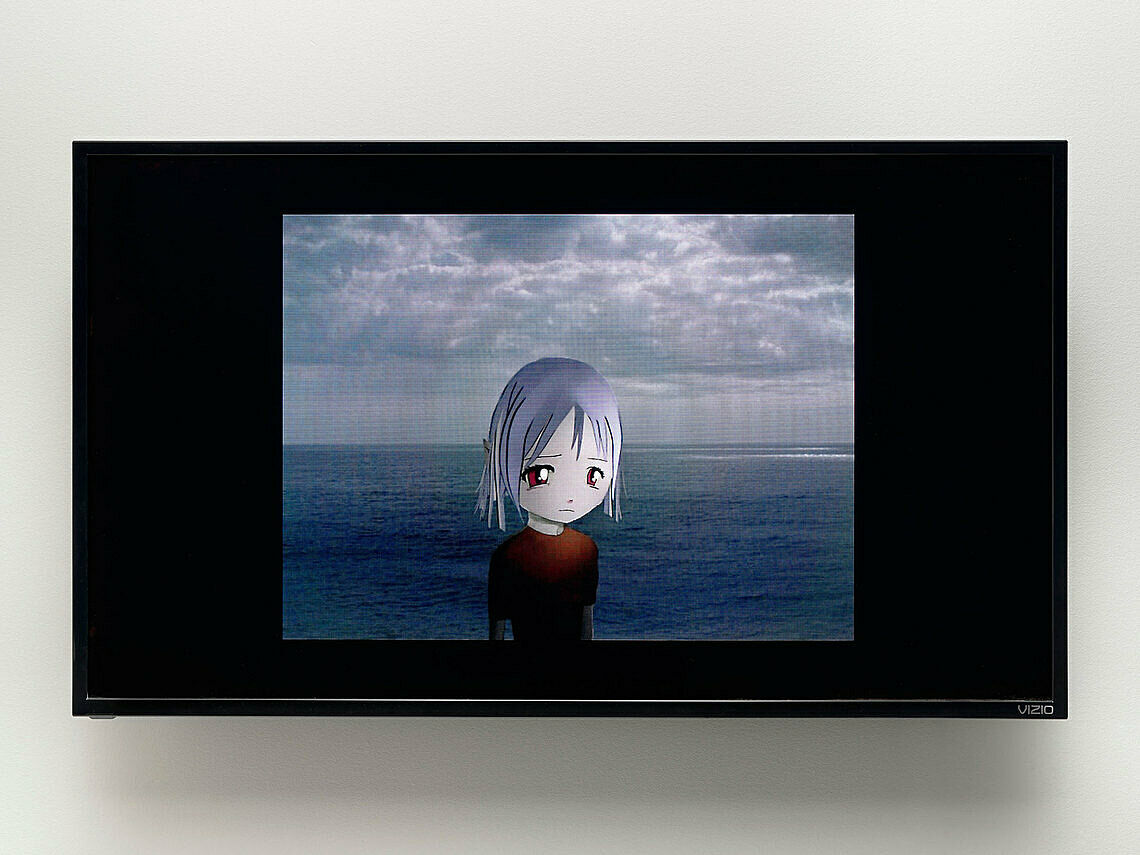
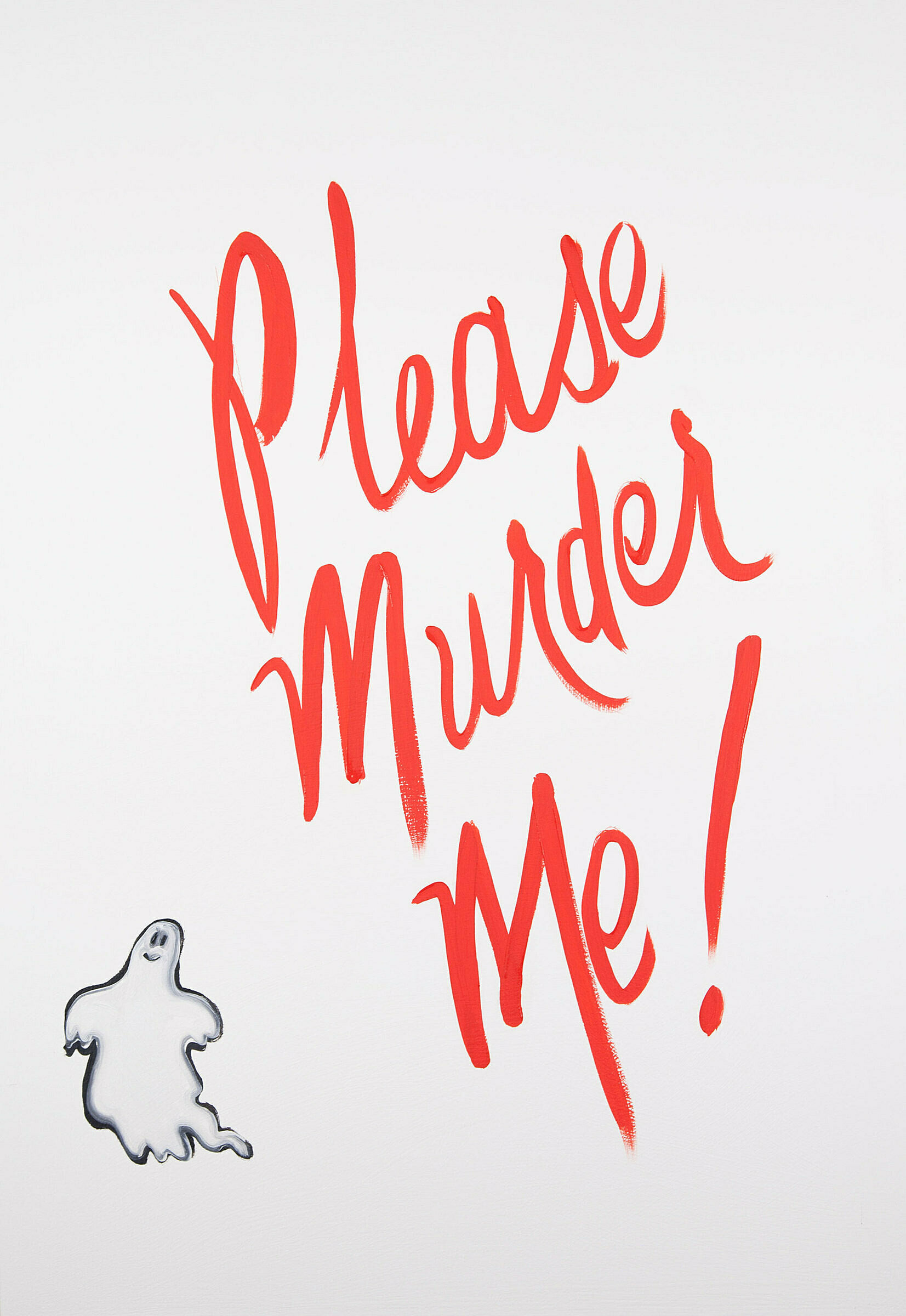
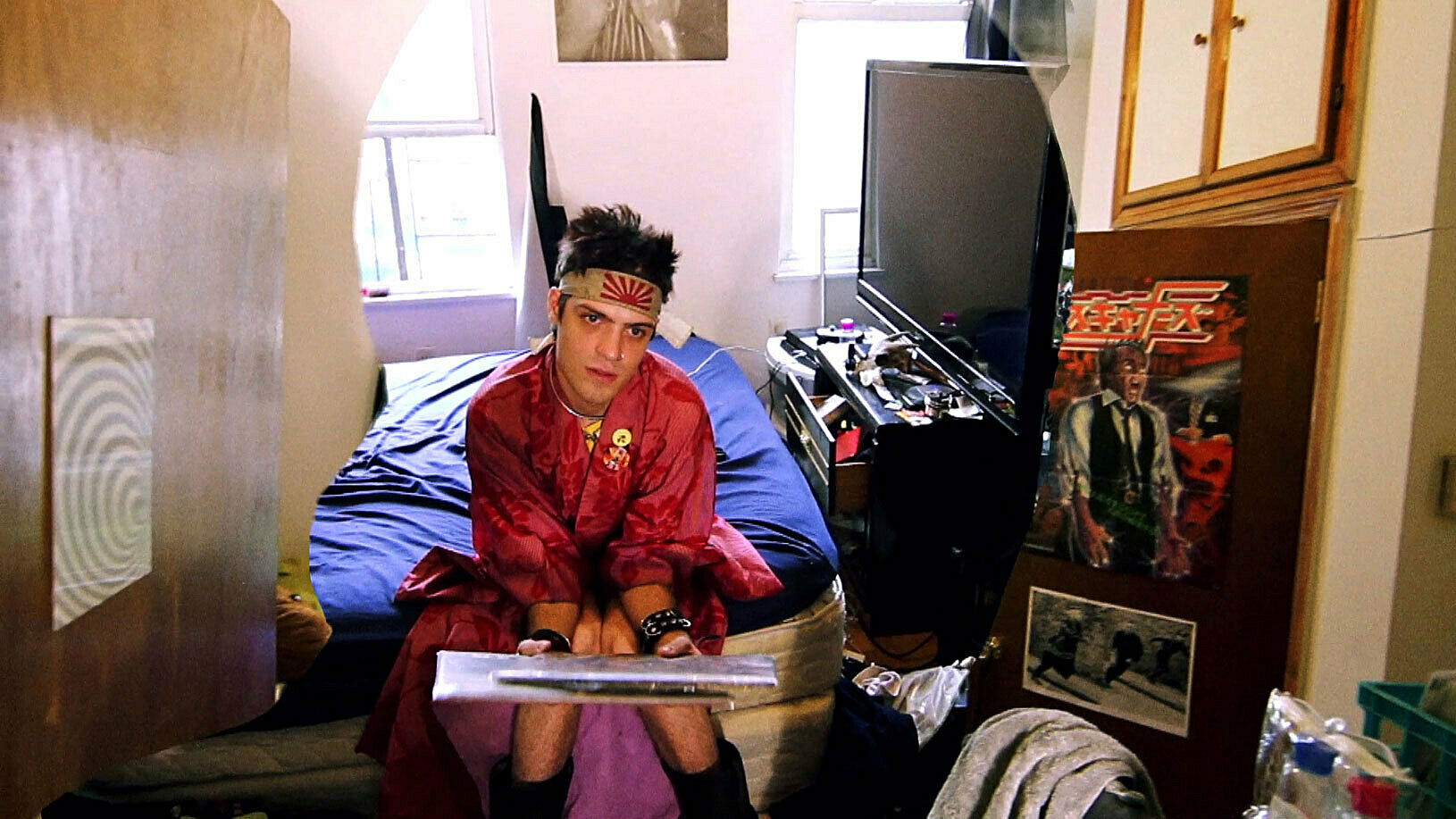
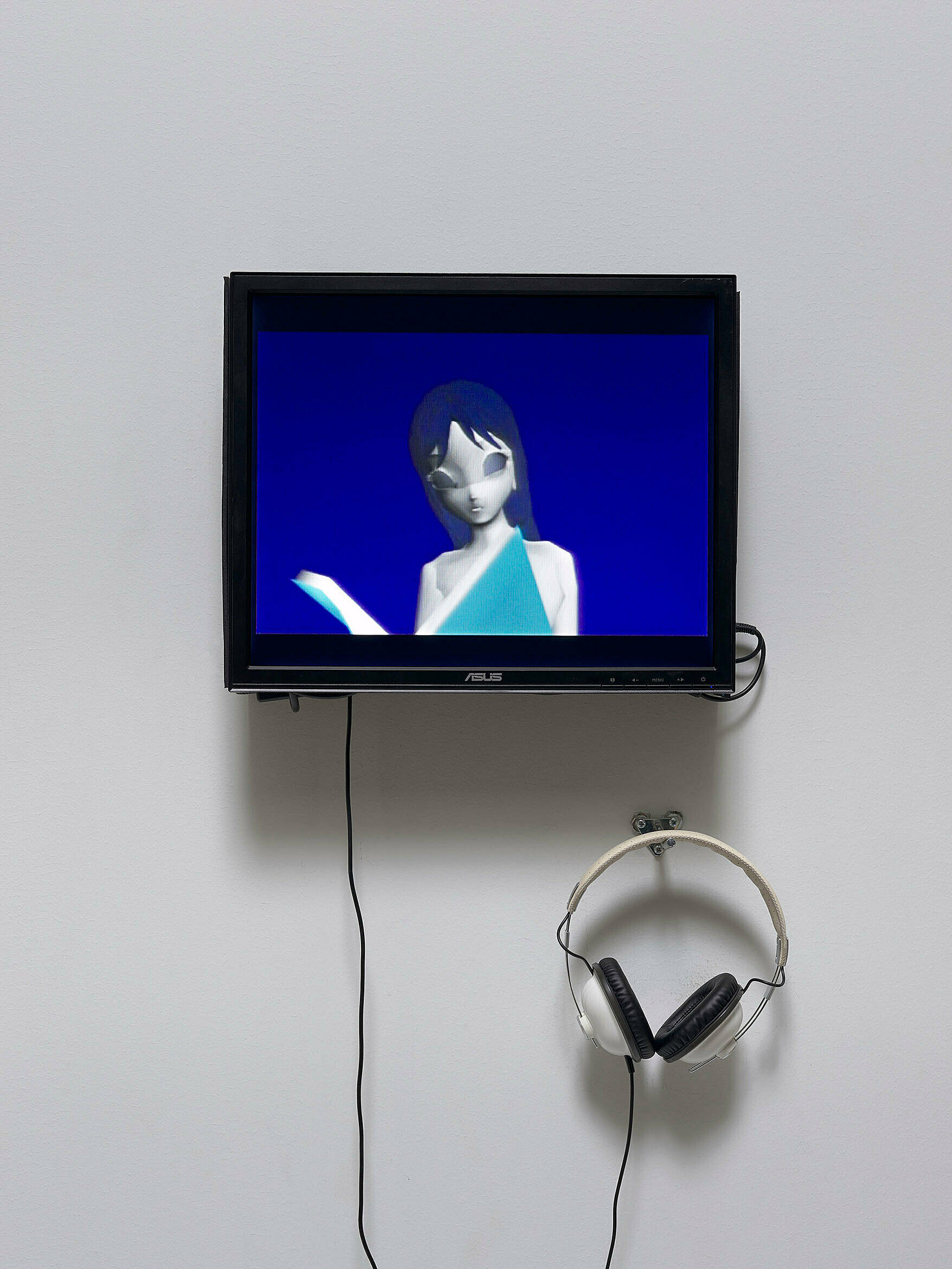
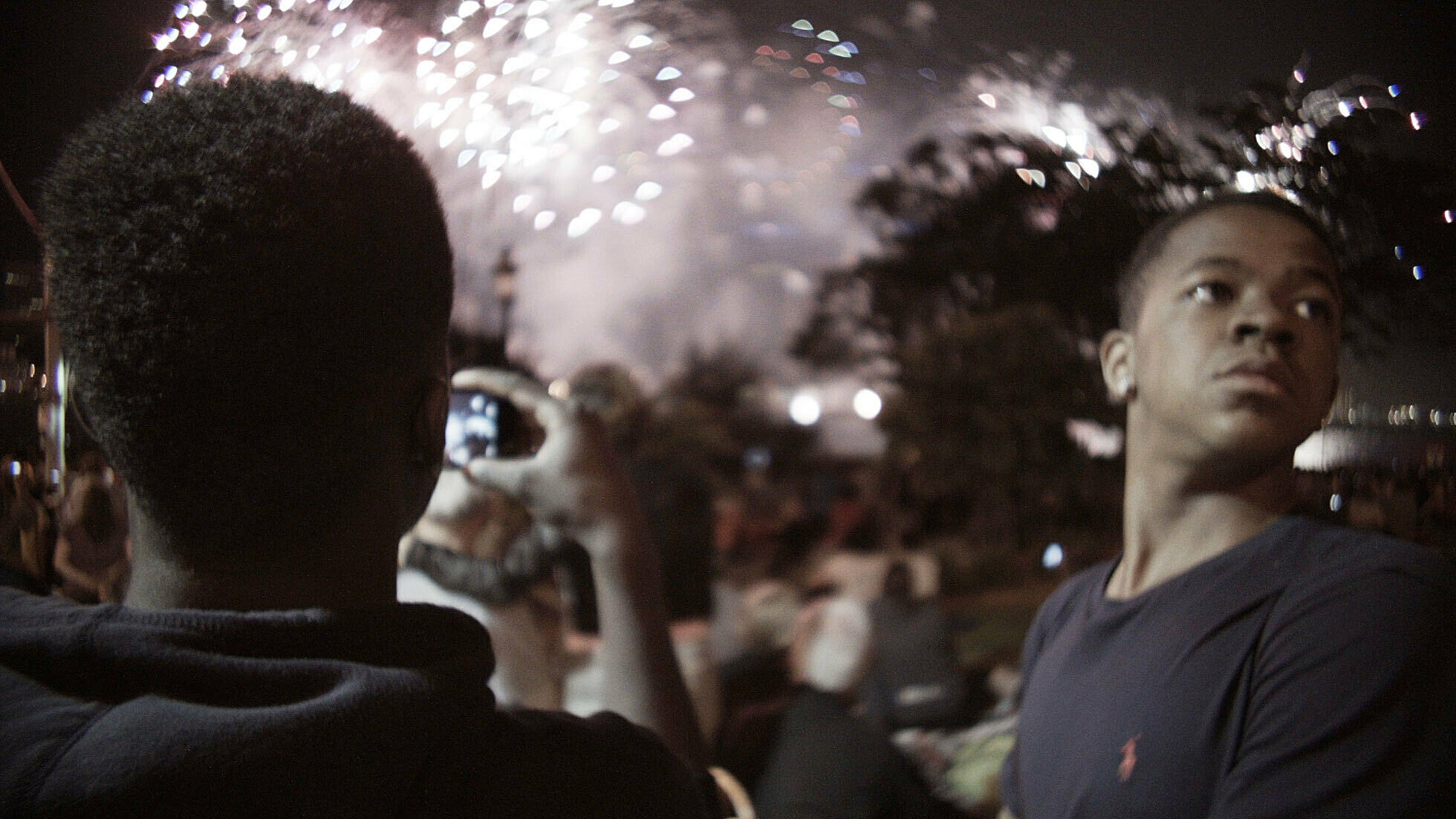
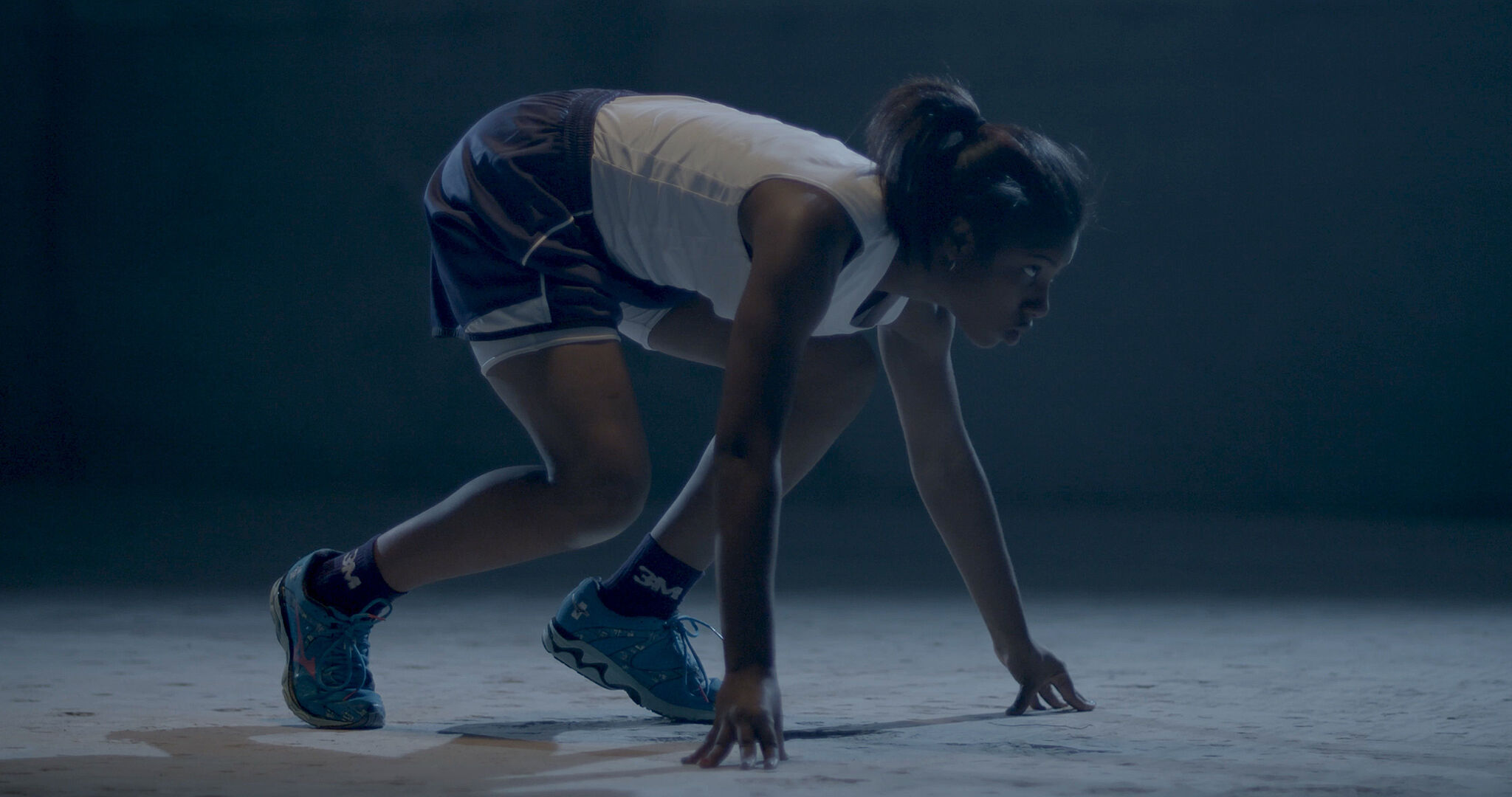
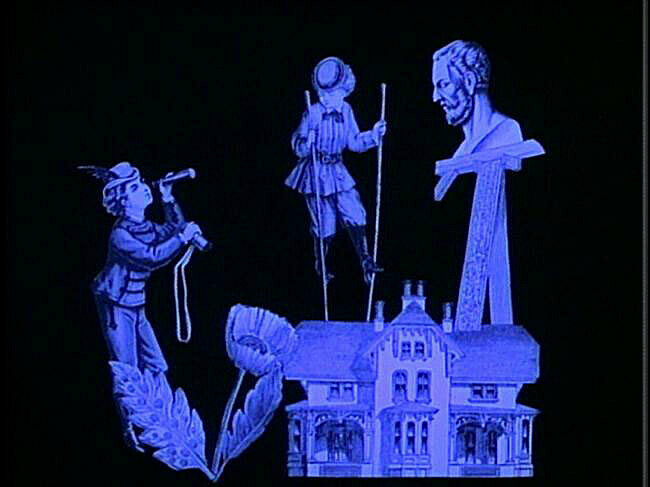
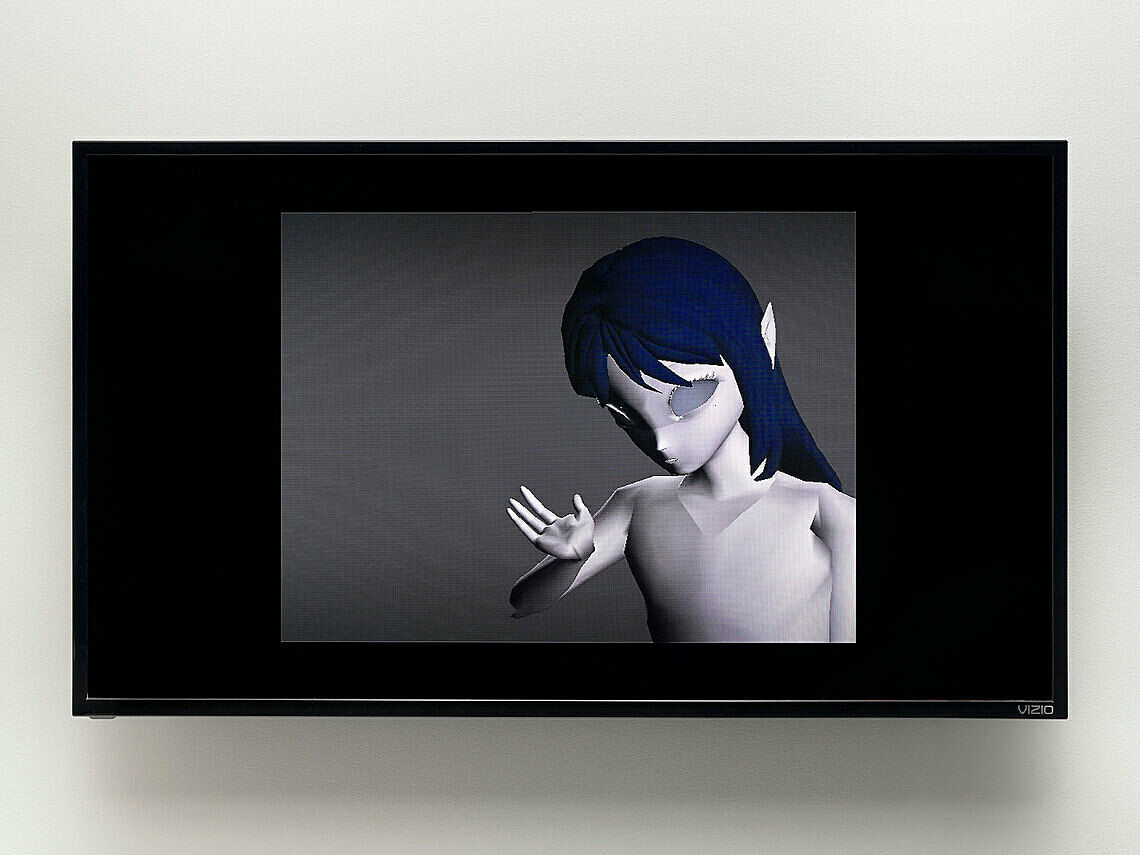
A still from a video work by Alex Da Corte and Jayson Musson

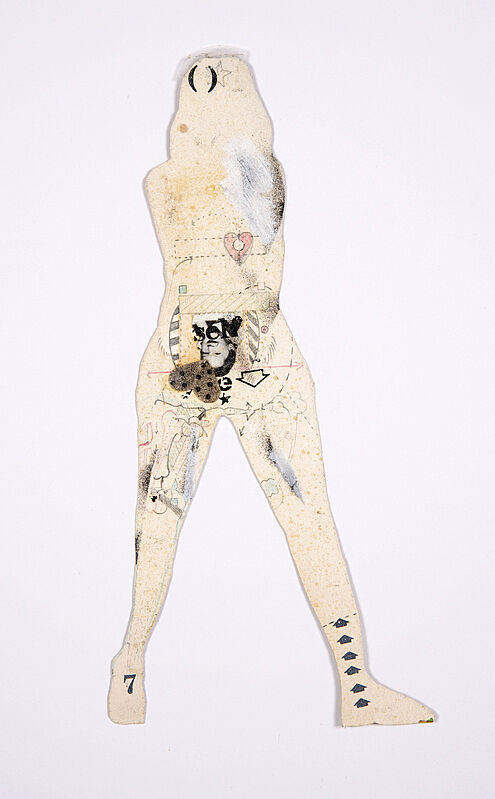
Lynn Hershman Leeson (b. 1941), Water Women 7, 1978. Collaged photographs with mirrors on vellum, 13 1/2 x 8 in. (34.3 x 20.3 cm). Collection of the artist; courtesy Bridget Donahue Gallery, New York © Lynn Hershman Leeson; photographs by Marc Brems Tatti; images courtesy Bridget Donahue Gallery, New York 
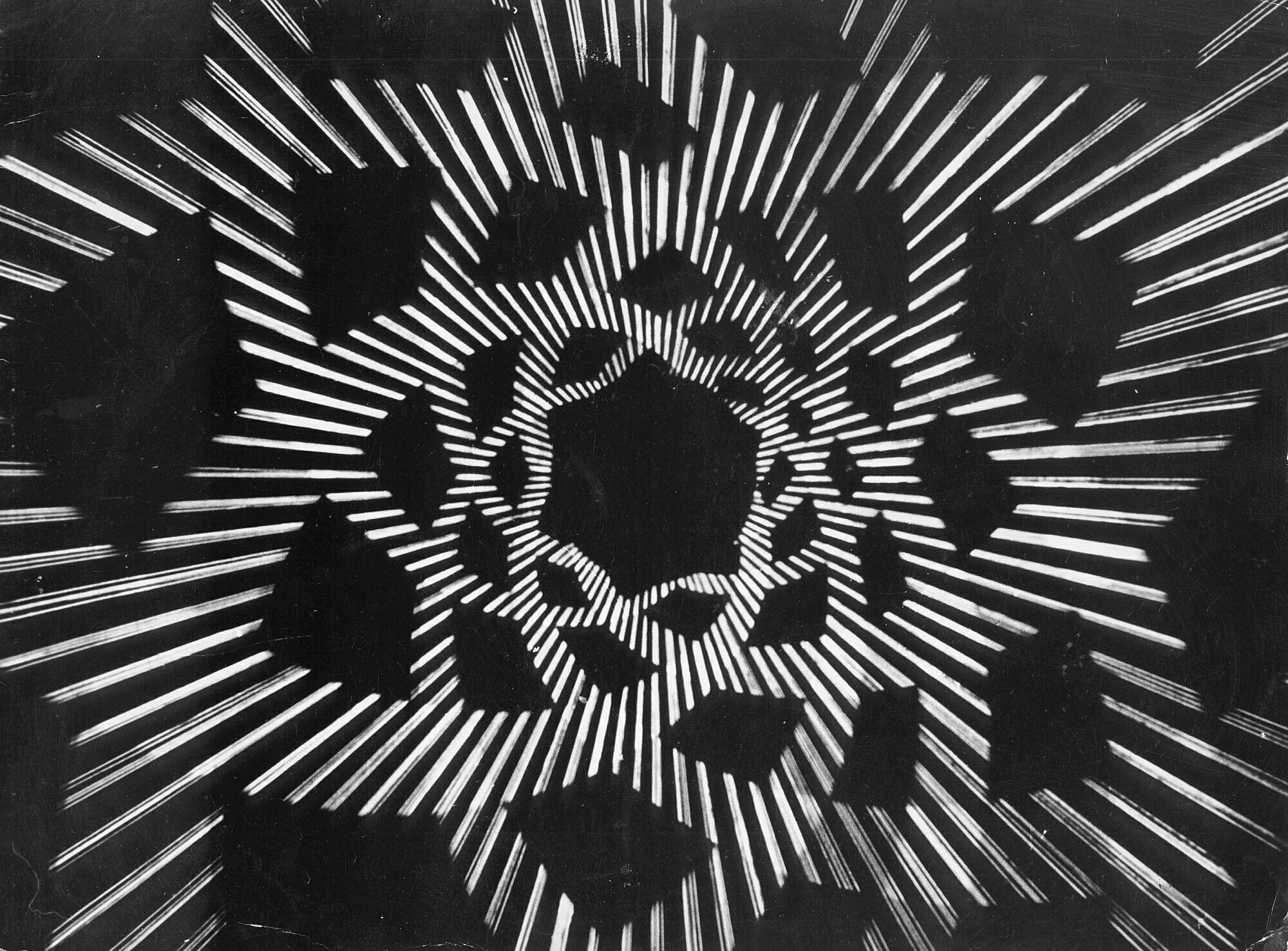
Lynn Hershman Leeson (b. 1941), Water Women 7, 1978
Lynn Hershman Leeson (b. 1941), Water Women 7, 1978. Collaged photographs with mirrors on vellum, 13 1/2 × 8 in. (34.3 × 20.3 cm). Collection of the artist; courtesy Bridget Donahue Gallery, New York © Lynn Hershman Leeson; photograph by Marc Brems Tatti; image courtesy Bridget Donahue Gallery, New York
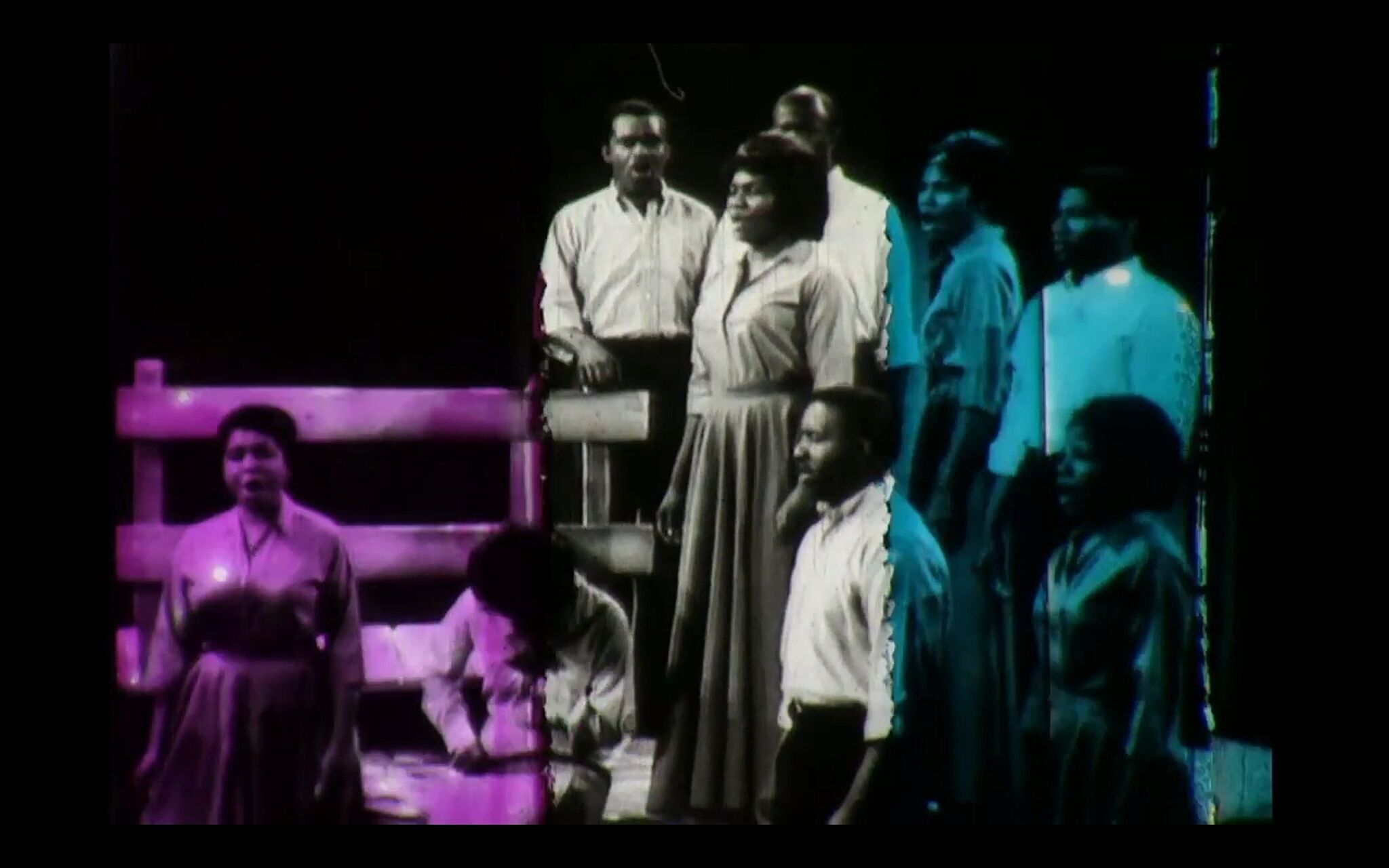
The artist’s Water Woman series, which she has worked on for more than thirty years, addresses questions of transformation and exchange more metaphorically. The images allude to disappearance, evaporation, and atmospheric connections among the body, air, water, and electrical currents. The women depicted are often inverted or multiplied, undermining notions of fixed identity.

Lynn Hershman Leeson (b. 1941), Double Drawing, 1966 (recto). Ink, colored pencil, transfer type, watercolor, collaged gelatin silver prints, and plastic on paper, 8 × 4 in. (20.3 × 10.2 cm). Collection of the artist; courtesy Bridget Donahue Gallery, New York © Lynn Hershman Leeson; photograph by Marc Brems Tatti; image courtesy Bridget Donahue Gallery, New York
Lynn Hershman Leeson (b. 1941), Double Drawing, 1966 (recto)
Lynn Hershman Leeson (b. 1941), Water Woman Evaporating x 3, 2003. Vellum, mirror, ink, celluloid, and plastic, 13 1/2 × 17 1/2 in. (34.3 × 44.5 cm). Collection of the artist; courtesy Bridget Donahue Gallery, New York © Lynn Hershman Leeson; image courtesy Bridget Donahue Gallery, New York
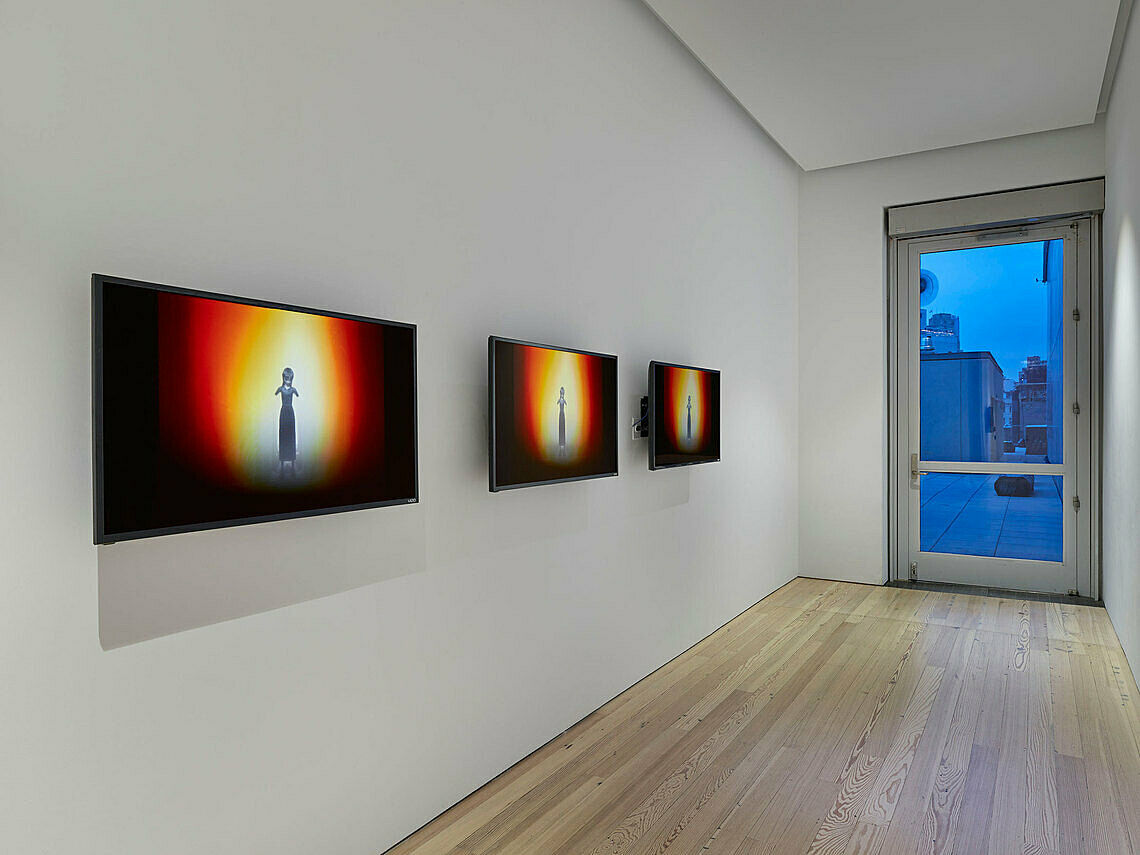
Lynn Hershman Leeson (b. 1941), Water Woman Evaporating x 3, 2003
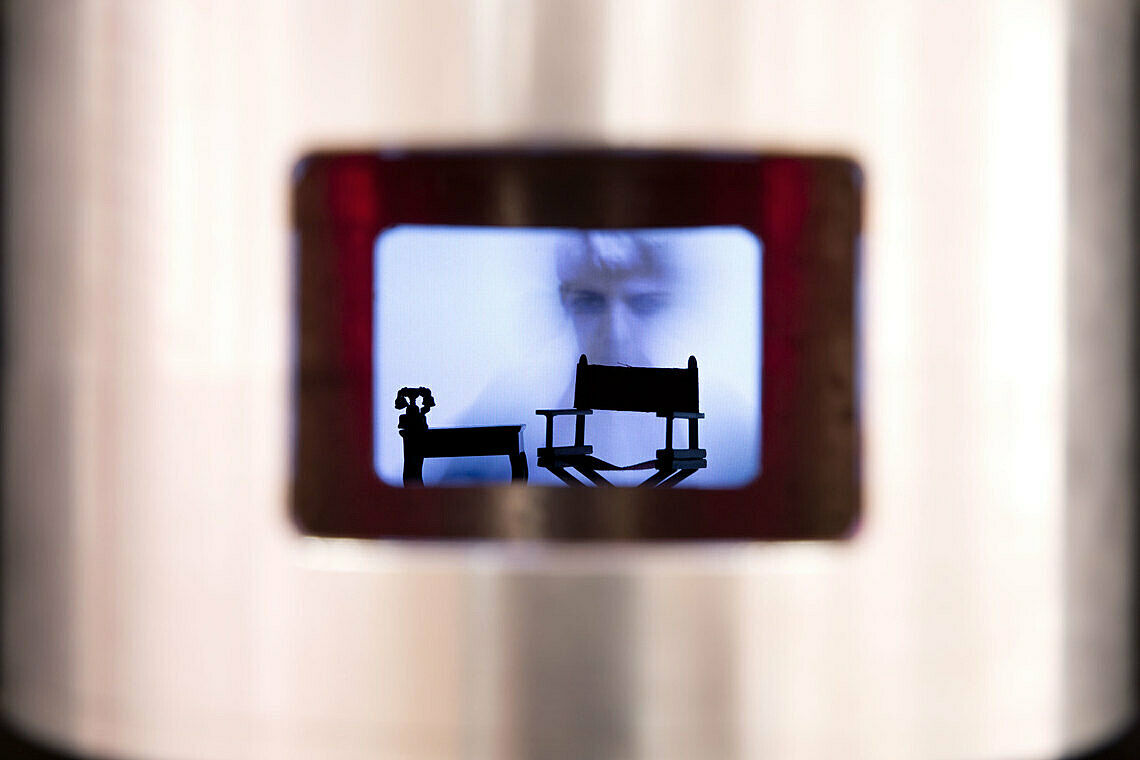
Lynn Hershman Leeson (b. 1941), Room of One’s Own, 1990–93. Steel and acrylic, with closed-circuit camera; video, color, sound; LEDs; and miniature furniture, 15 × 16 × 35 in (38.1 × 40.6 × 88.9 cm). Collection of the artist; courtesy Bridget Donahue Gallery, New York © Lynn Hershman Leeson; image courtesy Bridget Donahue Gallery, New York
Lynn Hershman Leeson (b. 1941), Room of One’s Own, 1990–93
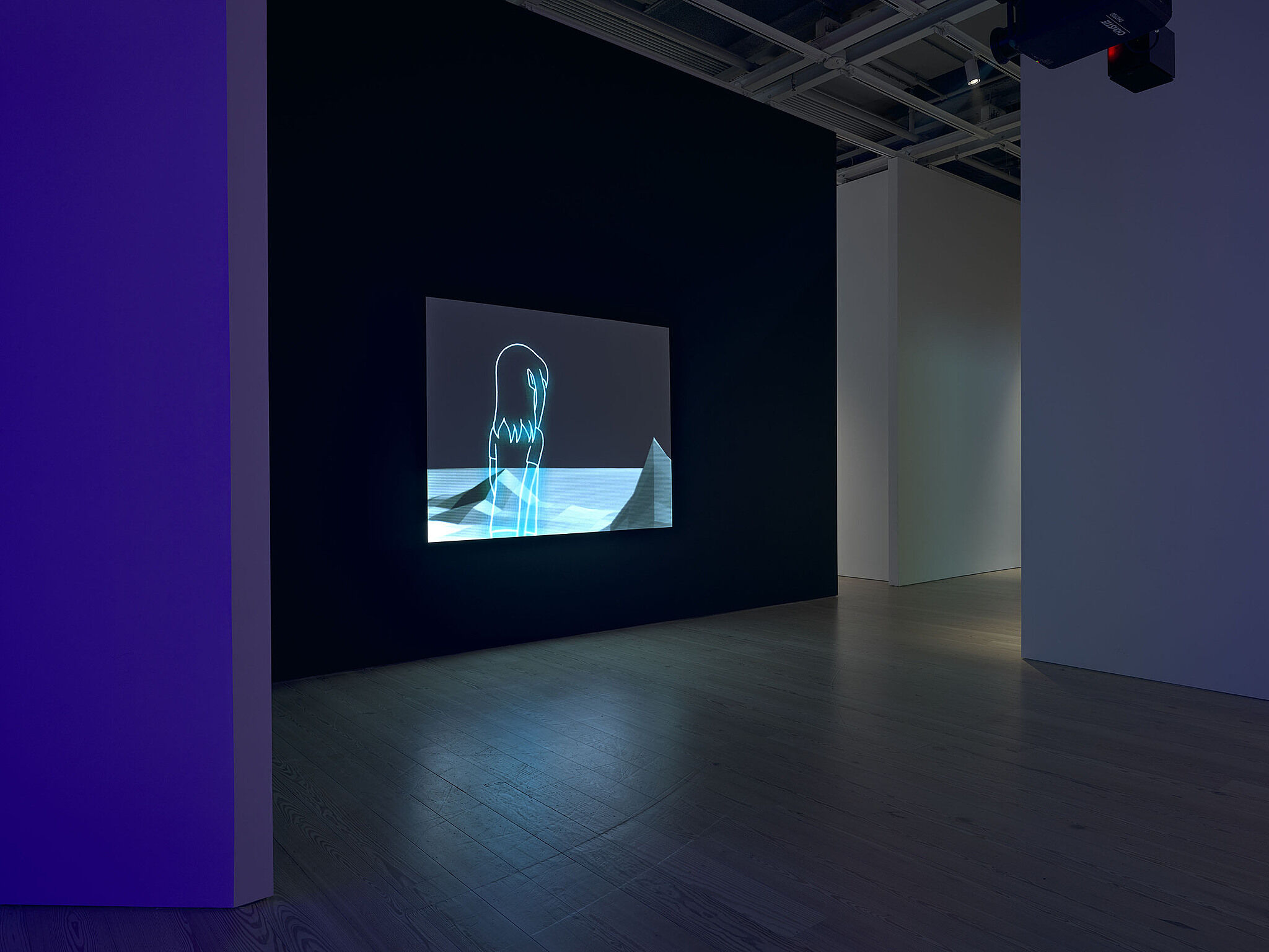
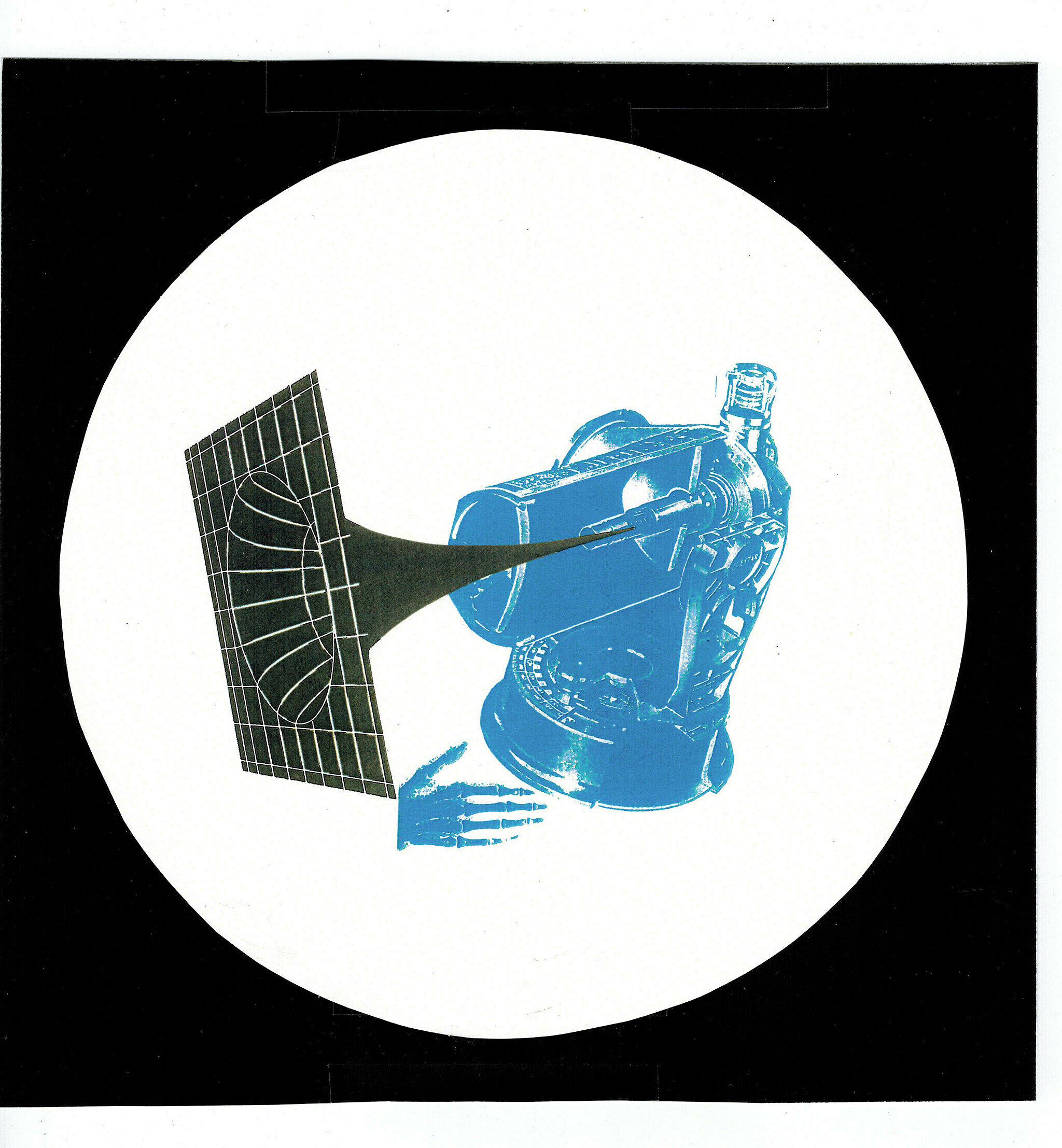
This interactive work is based on Thomas Edison’s Kinetograph, a viewing device that displayed film loops through a peephole. Here, a moving periscope tracks our eye movements, as we peer into a miniature bedroom, triggering a video of the room’s female occupant to be projected on one of its walls. The viewer’s eye also appears on a small TV monitor inside the room while a disembodied female voice challenges our voyeuristic gaze.

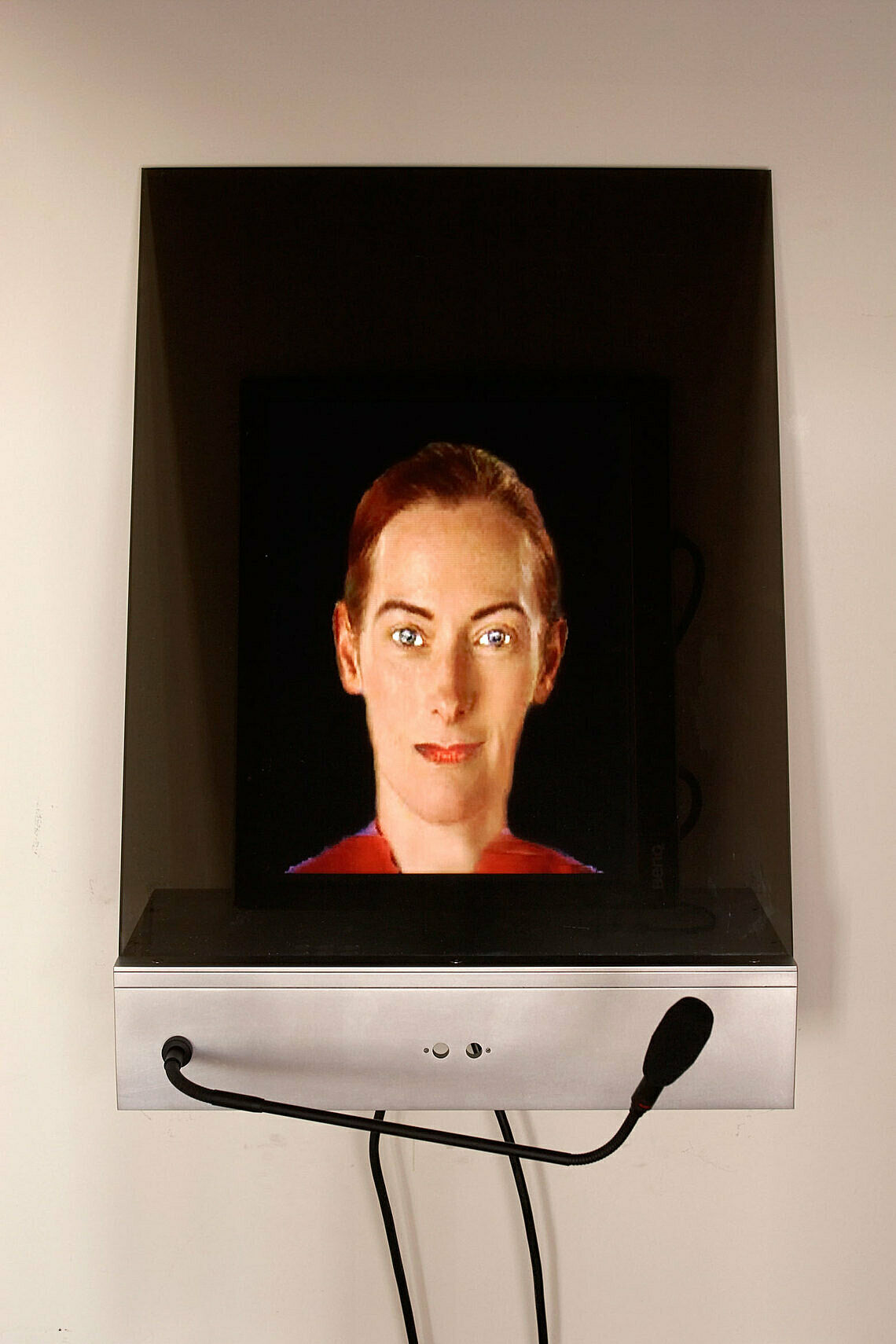
Lynn Hershman Leeson (b. 1941), DiNA, 2004–06. Custom software, voice recognition, voice synthesis, sensors, sound, and one-way mirror, 28 × 6 × 16 in. (71.1 × 15.2 × 40.6 cm). Collection of the artist; courtesy Bridget Donahue Gallery, New York © Lynn Hershman Leeson; image courtesy Bridget Donahue Gallery, New York
Lynn Hershman Leeson (b. 1941), DiNA, 2004–06
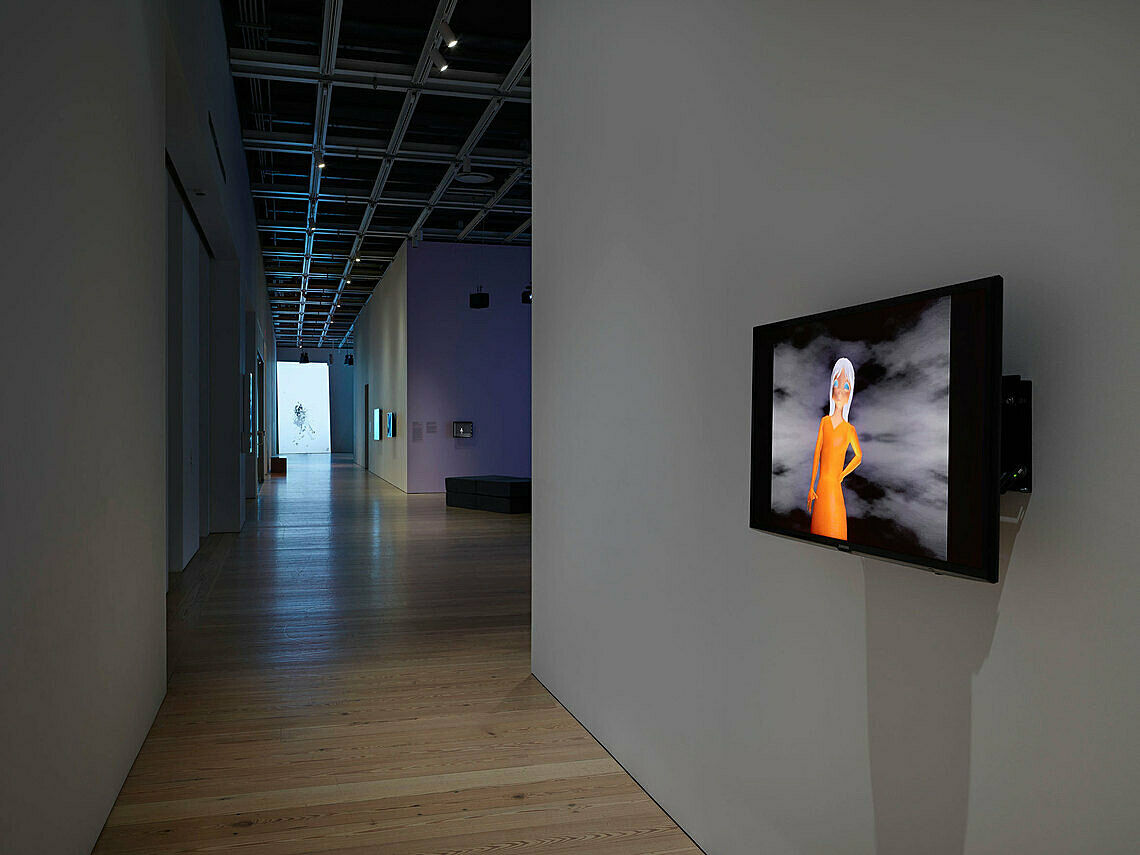
DiNA is an artificial intelligence bot—a character who converses using voice-recognition technology and becomes increasingly intelligent through interaction. Originally imagined as an extension of Lynn Hershman Leeson’s 2002 film Teknolust, she was a candidate for president of the Internet in 2008. DiNA’s features are based on those of the actress Tilda Swinton, whose character in Teknolust is DiNA’s progenitor or “mother.” She can answer questions about world events by searching the Internet, convey her findings in real time, and remember the data for future use.

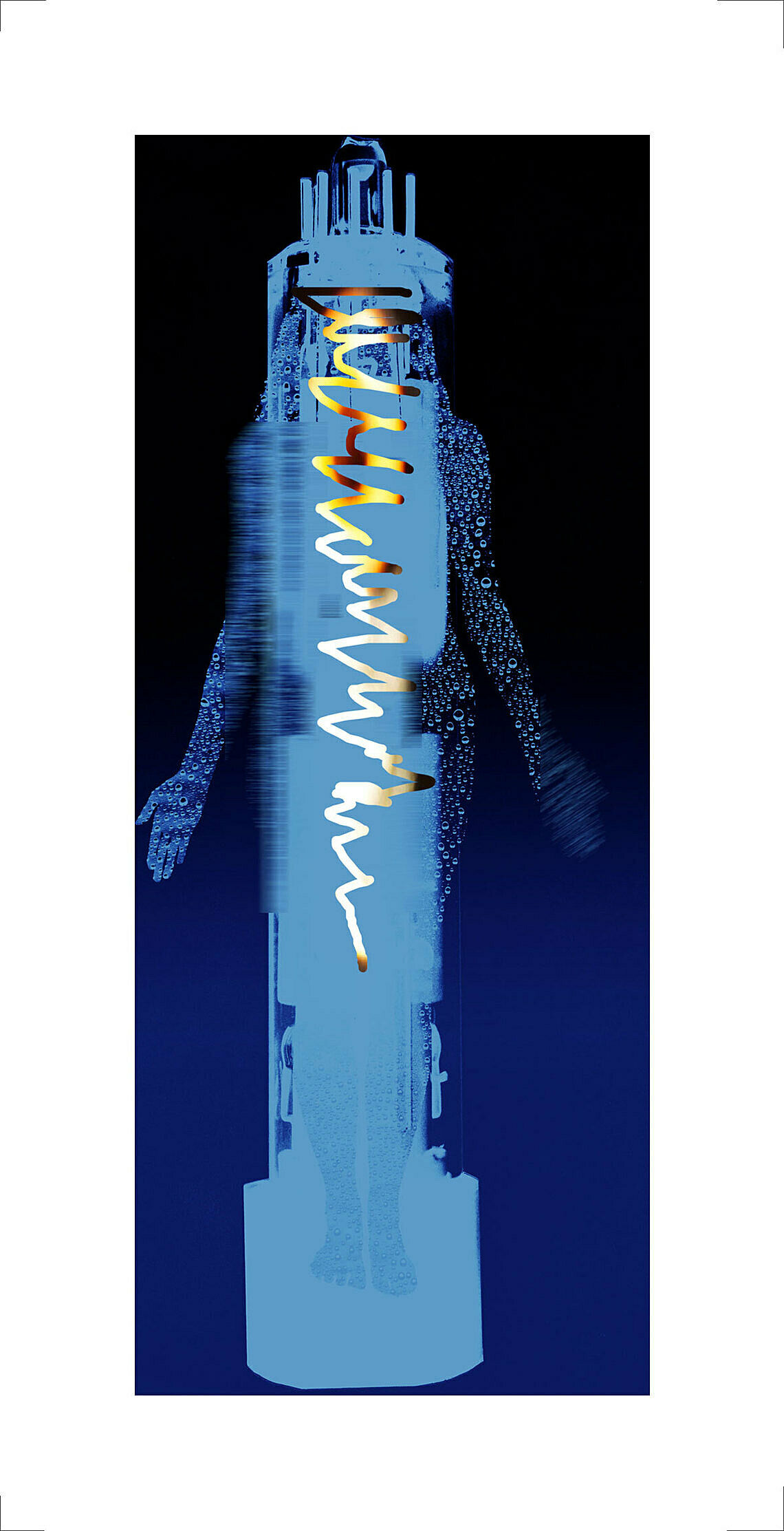
Lynn Hershman Leeson (b. 1941), Blue Crown, 2001. Chromogenic print, 60 × 26 in. (152.4 × 66 cm). Collection of the artist; courtesy Bridget Donahue Gallery, New York © Lynn Hershman Leeson; image courtesy Bridget Donahue Gallery, New York © Lynn Hershman Leeson; image courtesy Bridget Donahue Gallery, New York
Lynn Hershman Leeson (b. 1941), Blue Crown, 2001
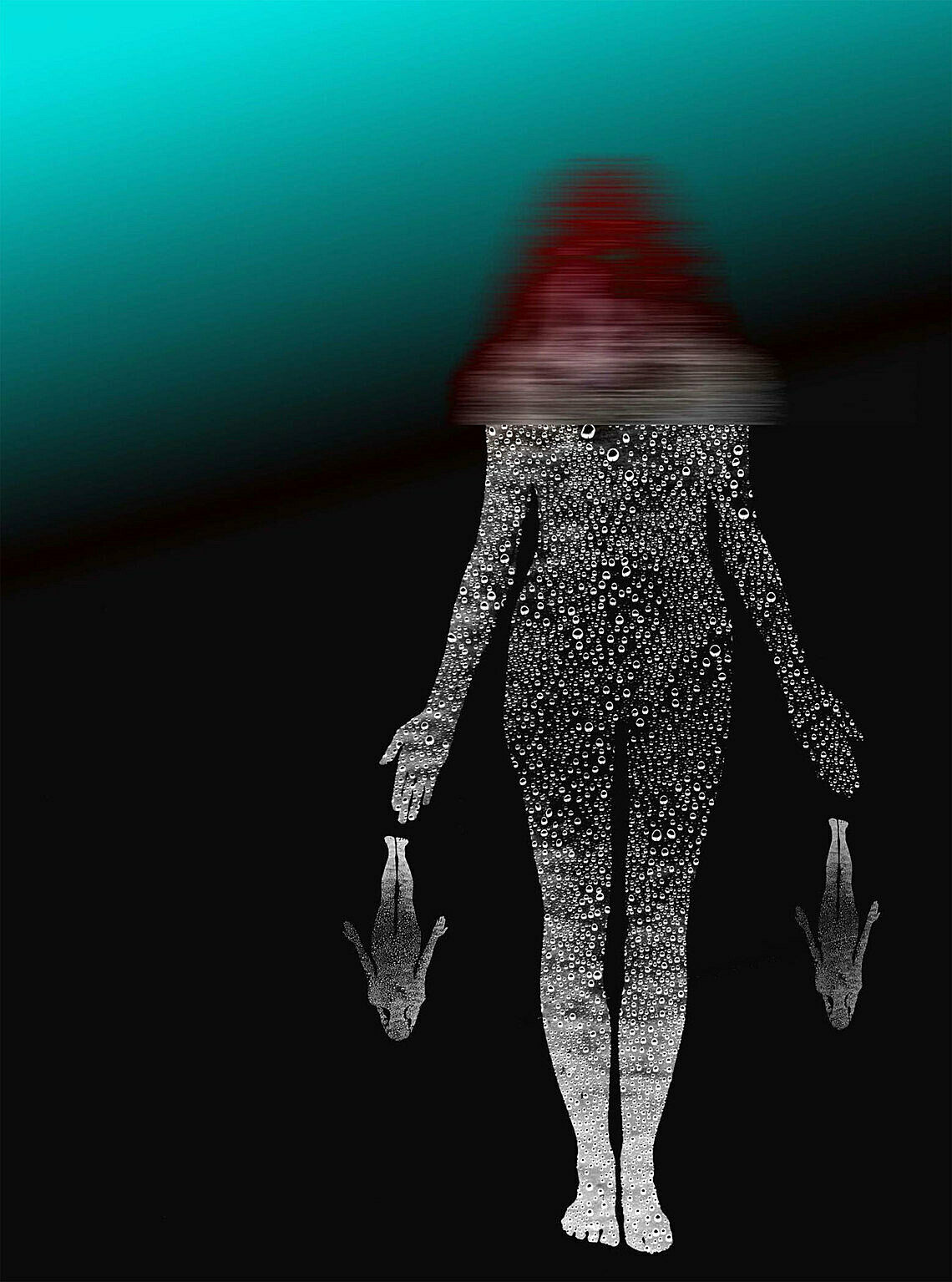
Lynn Hershman Leeson (b. 1941), Water Twins, 1994. Inkjet print 40 × 30 in. (101.60 × 76.2 cm). Collection of the artist; courtesy Bridget Donahue Gallery, New York © Lynn Hershman Leeson; image courtesy Bridget Donahue Gallery, New York
Lynn Hershman Leeson (b. 1941), Water Twins, 1994


Explore works from this exhibition
in the Whitney's collection

View 39 works

On the Hour

A 30-second online art project:
Frank WANG Yefeng, The Levitating Perils #2

Learn more about this project

Learn more at whitney.org/artport

On the Hour projects can contain motion and sound. To respect your accessibility settings autoplay is disabled.