Programmed: Rules, Codes, and Choreographies in Art, 1965–2018 | Art & Artists

Sept 28, 2018–Apr 14, 2019


Exhibition works

7 total
Signal, Sequence, Resolution: Realities Encoded
Read more

Signal, Sequence, Resolution: Realities Encoded

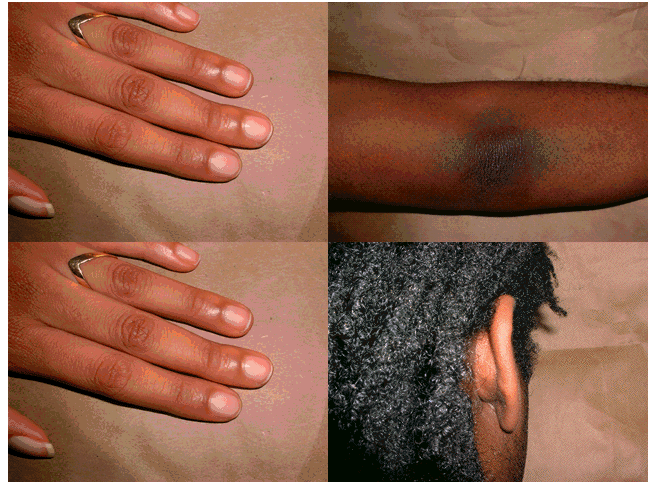
A grid of four images showing people's hands, elbows, and hair.

Mendi + Keith Obadike (Founded 1996), The Interaction of Coloreds, 2002 and 2018. HTML 5. JavaScript. Commissioned by the Whitney Museum of American Art for its artport website AP.2002.7

Signal, Sequence, Resolution:
Realities Encoded
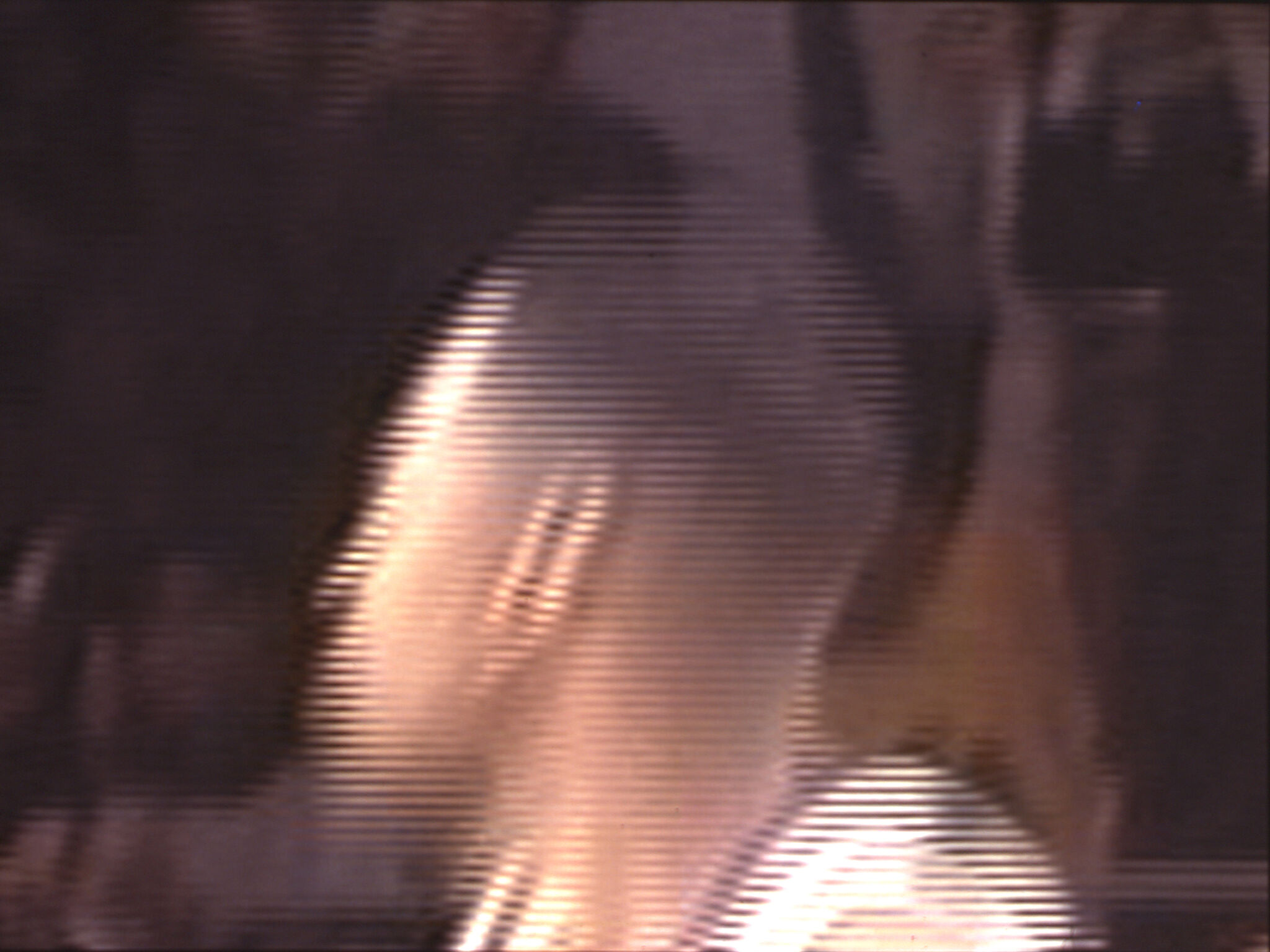
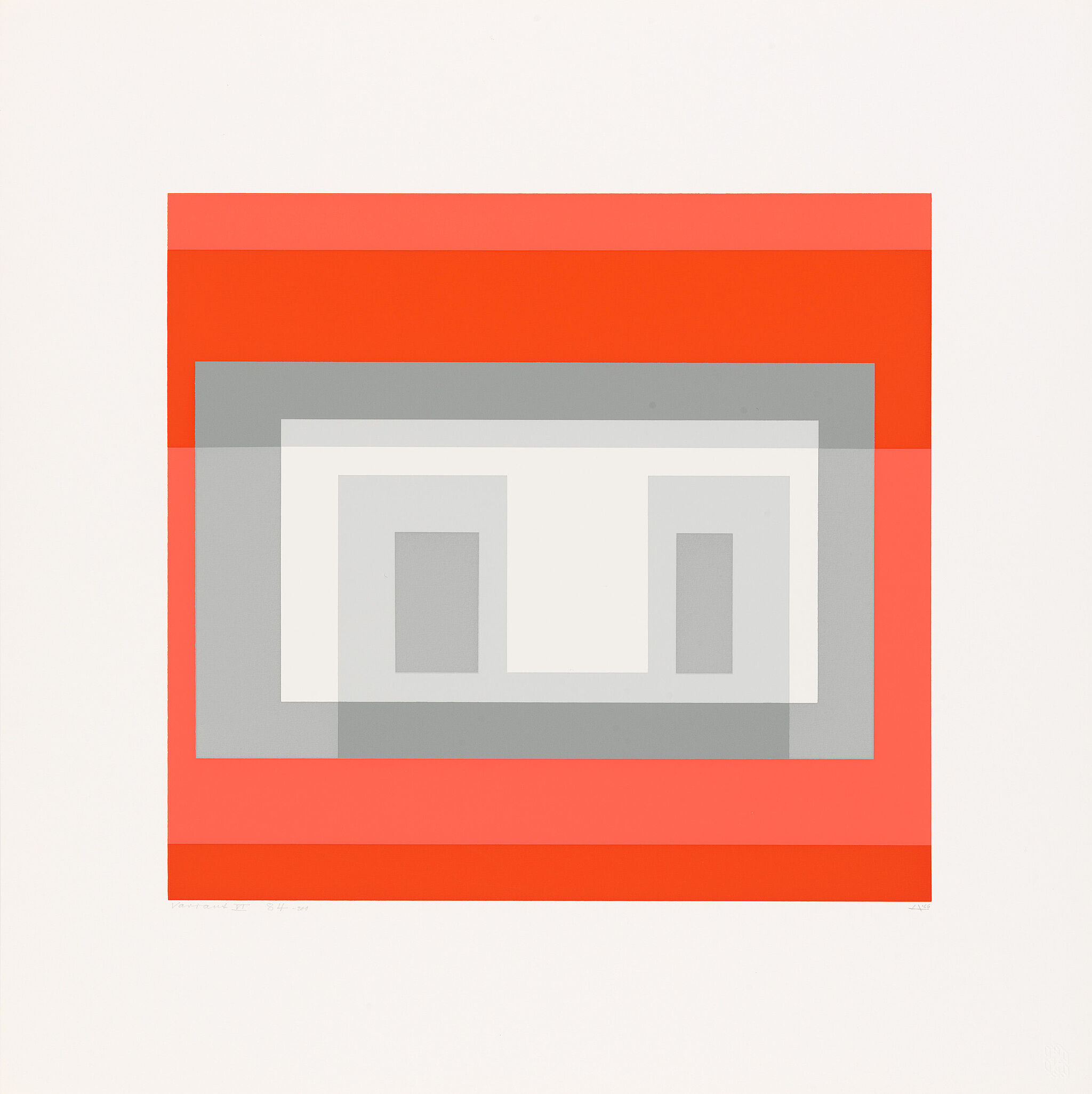
These artists use programming to adopt a critical stance by underscoring or exposing social, cultural, or political codes. Keith and Mendi Obadike’s project The Interaction of Coloreds, for example, uses a statement by Josef Albers on rules and color as a starting point for exploring how longstanding systems of racial categorization might translate into the digital sphere, specifically how skin color factors into online commerce. Marc Lafia and Fang-Yu Lin’s work reflects on the rules followed by authorities and their resistance while Paul Pfeiffer’s video sculpture addresses cultural and racial identity in sports and Jonah Brucker-Cohen and Katherine Moriwaki’s interactive data visualization explores how Twitter receives and shapes reality television.

Blurry image of a basketball player.

Paul Pfeiffer, Goethe's Message to the New Negroes, 2001. Video, color, silent; 0:39 min. looped; with color LCD monitor, metal armature, DVD player, and DVD, 5 1/2 × 6 1/2 × 36 in. (14 × 16.5 × 91.4 cm). Whitney Museum of American Art, New York; purchase with funds from the Contemporary Painting and Sculpture Committee 2001.227. © Paul Pfeiffer. Courtesy Paula Cooper Gallery, New York

Paul Pfeiffer, Goethe's Message to the New Negroes, 2001

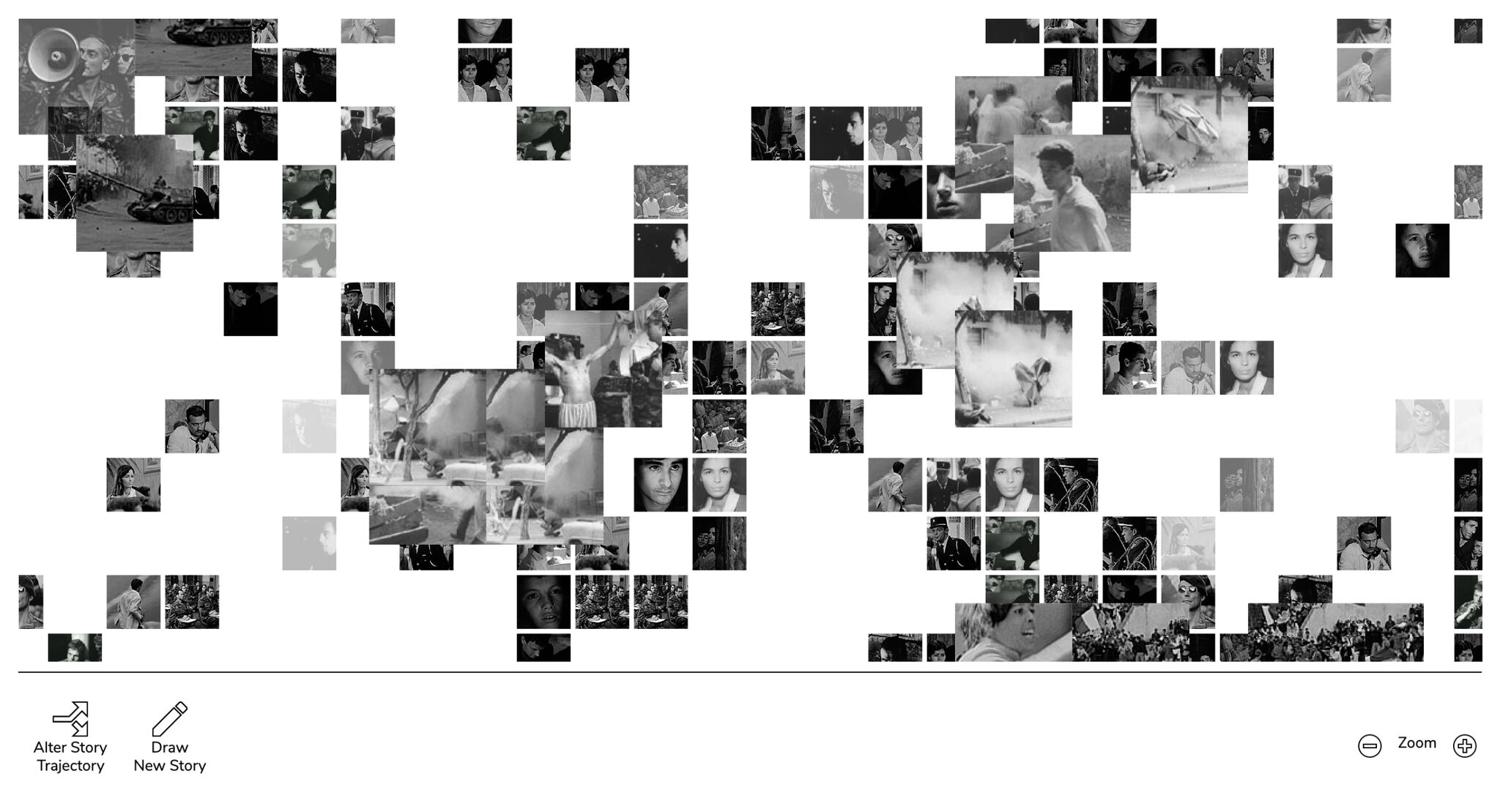
Screenshot of dozens of little black and white square shaped images scattered over a white background, with various application controls below.

Screenshot of Marc Lafia and Fang-Yu Lin’s The Battle of Algiers, launched March 1, 2006

Marc Lafia and Fang-Yu Lin, Battle of Algiers, 2006/2018

Marc Lafia and Fang-Yu Lin’s The Battle of Algiers recomposes scenes from the 1965 film of the same name by Italian director Gillo Pontecorvo. The original film is a reenactment of the Algerian nationalist struggle that ultimately led to independence from France in 1962. The nationalists’ success has been attributed to their organization: a pyramidal structure of self-organized cells. Lafia and Lin “rearranged” the film along a cellbased structure, in which French Authority and Algerian Nationalist cells are represented by stills from the film and move according to different rule sets. When cells of different camps intersect, they trigger video cells displaying each side’s tactics (as depicted in the film) according to the rules of the system. The Battle of Algiers is literally programmed, but it also engages with cultural and political programs of colonialism, nationalism, and resistance.

Rules of the system: 

  • There are two camps—the French Authority (F-cell) and the National Liberation Front (A-cell). 
  • F-cells are dispatched intermittently. They mostly stay in the same spot and only move when engaged in raids, interrogations, and other mobilizations. 
  • A-cells emerge frequently and usually quickly submerge again. Sometimes they may linger a bit longer to recruit, forming a triangular organization. 
  • After a while, the number of cells accumulates. A-cell may reveal itself to ambush F-cell. F-cell may call for backup to counteract. 
  • Eventually further conflicts occur, and trigger even more excited cell movements. - The intensity and speed may recess or aggravate according to the system status. - If the action builds up to utter chaos, a cell cluster may become exhausted.

—Marc Lafia and Fang-Yu Lin

The Battle of Algiers can be accessed on the Whitney’s artport site.

A grid of four images showing people's hands, elbows, and hair.

Mendi + Keith Obadike (Founded 1996), The Interaction of Coloreds, 2002 and 2018. HTML 5. JavaScript. Commissioned by the Whitney Museum of American Art for its artport website AP.2002.7

Mendi + Keith Obadike, The Interaction of Coloreds, 2002

The Interaction of Coloreds, part of Mendi + Keith Obadike’s Black Net.Art Actions, engages with patterns of racial classification on the internet. The artists created the work at a time when online commercial ventures were positioning the internet as a space without prejudice, free from mediation through our physical appearance and therefore devoid of notions of race. Drawing attention to the fact that there still is a strong link between skin color and money in the filtering and tracking involved in online commerce, Mendi + Keith Obadike here create a satirical Color Check System. Billed as the world’s first online skin-color verification system, their website enables the translation of skin tone—as captured in a photo or screenshot—into a six-digit, three-byte hexadecimal number used in HTML, the online scripting language, to represent color (#FFFFFF, for example, equals white). Using satire as strategy, the work strives to spur conversations about racial discrimination in internet commerce. 

Engage with The Interaction of Coloreds project here.

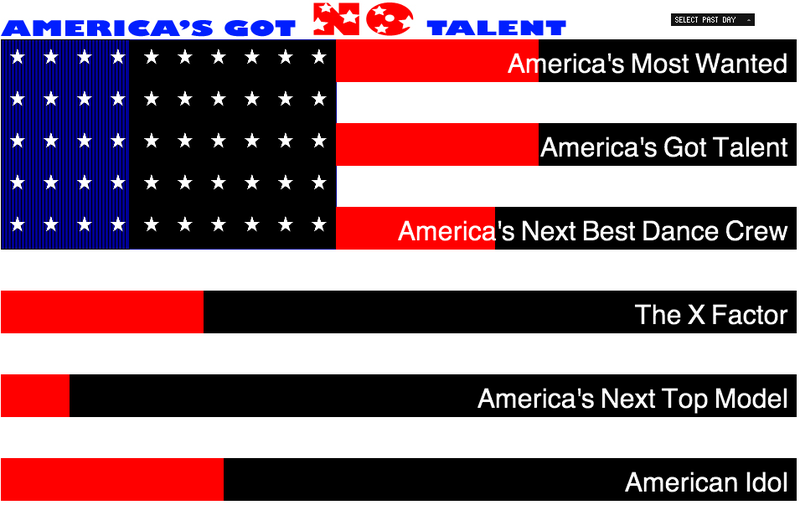
An American flag composed of colors and words.

Jonah Brucker-Cohen and Katherine Moriwaki, America’s Got No Talent, 2012 and 2018. Java app. Commissioned by the Whitney Museum of American Art for its artport website AP.2012.1

Jonah Brucker-Cohen and Katherine Moriwaki, America's Got No Talent, 2012

America’s Got No Talent is a data visualization that chronicles Twitter feeds related to reality-television shows such as American Idol, America’s Got Talent, and America’s Best Dance Crew over the course of a few years. Jonah Brucker-Cohen and Katherine Moriwaki’s project highlights how the shows gain notoriety through social media: it displays when tweets were sent and how much bias was gathered for each program based on retweets from the fans and followers of the shows. Using a horizontal bar graph in the shape of an American flag as an interface for navigation, the project creates a meter for measuring how the success of television shows is linked to their social media exposure. America’s Got No Talent reveals how networked communication affects both TV programming and popular opinion. The artists connect the internet and the culture of TV.

Learn more about America’s Got No Talent, and download a version here.


Artists


Explore works from this exhibition
in the Whitney's collection

View 67 works

On the Hour

A 30-second online art project:
Frank WANG Yefeng, The Levitating Perils #2

Learn more about this project

Learn more at whitney.org/artport

On the Hour projects can contain motion and sound. To respect your accessibility settings autoplay is disabled.