Classification
Sculpture
Medium
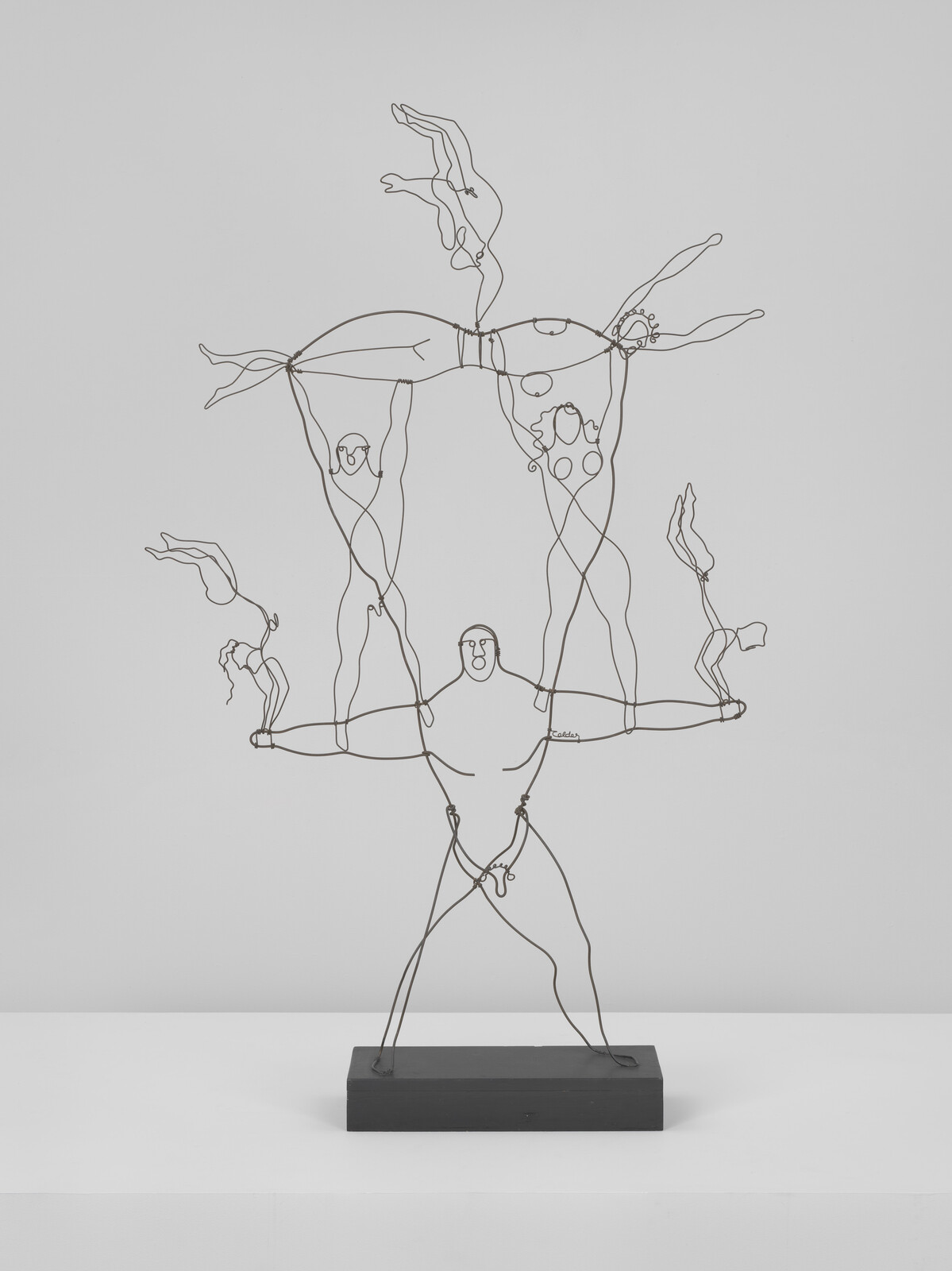
Brass wire and painted wood
Dimensions
Overall: 67 × 41 1/8 × 8 7/8 in. (170.2 × 104.5 × 22.5 cm)
Accession number
69.255
Credit line
Gift of the artist
Rights and reproductions
© Calder Foundation, New York / Artists Rights Society (ARS), New York
Exhibitions
Installation photography
-
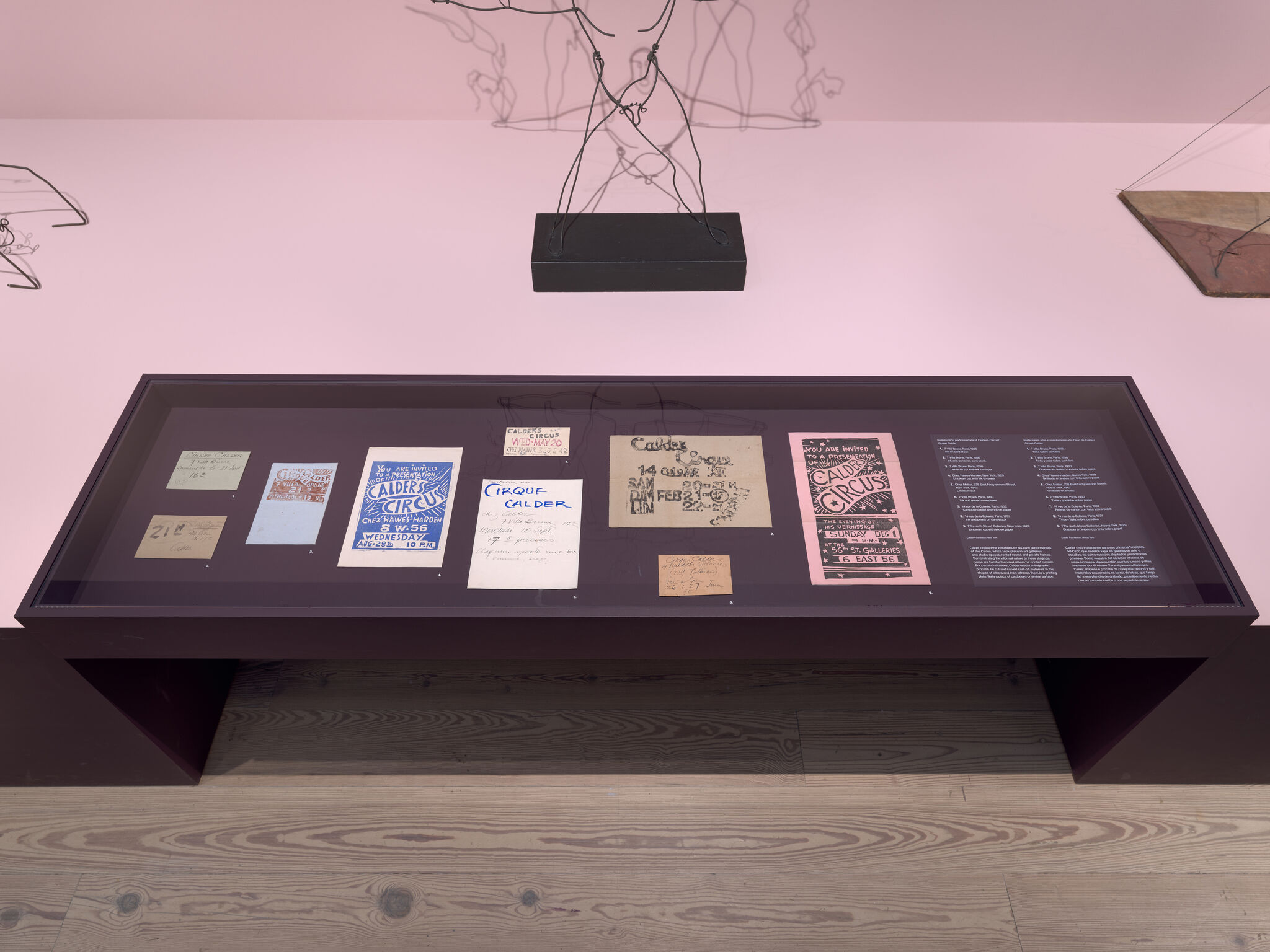
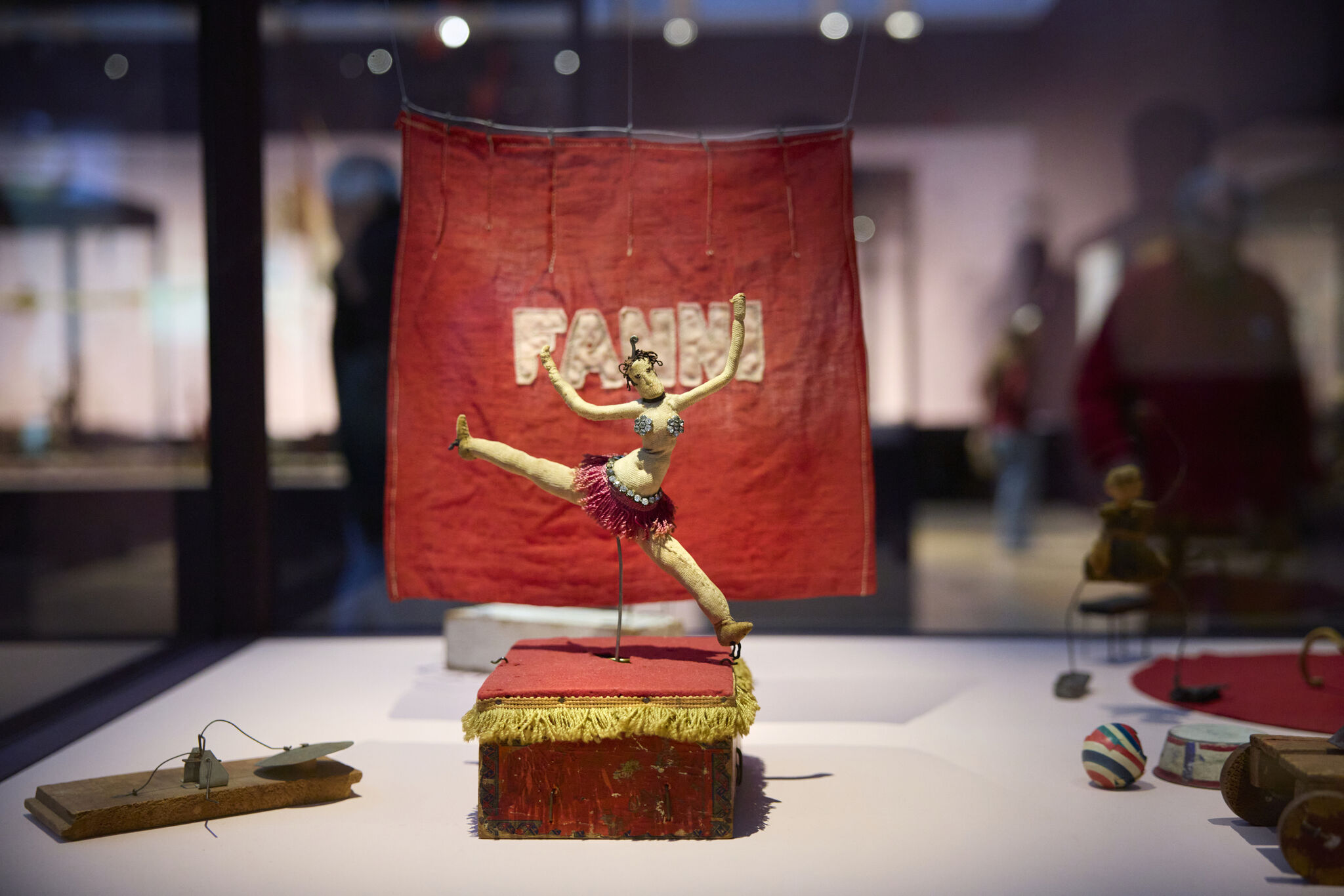
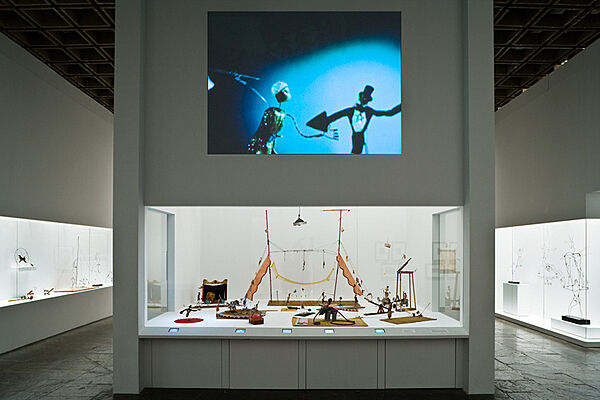
Installation view of High Wire: Calder’s Circus at 100 (Whitney Museum of American Art, New York, October 18, 2025–March 2026). From top to bottom: Alexander Calder, The Brass Family, 1929; In vitrine, from left to right: Alexander Calder, Invitations to performance of Calder’s Circus/Cirque Calder (7 Villa Brune, Paris), 1930; Alexander Calder, Invitation to performance of Calder’s Circus/Cirque Calder (Chez Hawes-Harden, New York), 1929; Alexander Calder, Invitation to performance of Calder’s Circus/Cirque Calder (Chez Matter, New York), 1942; Alexander Calder, Invitation to performance of Calder’s Circus/Cirque Calder (7 Villa Brune, Paris), 1930; Alexander Calder, Invitations to performance of Calder’s Circus/Cirque Calder (14 rue de la Colonie, Paris), 1932; Alexander Calder, Invitation to performance Calder’s Circus/Cirque Calder (Fifty-Sixth Street Galleries, New York), 1929. © 2026 Calder Foundation, New York / Artists Rights Society (ARS), New York. Photograph by Ron Amstutz
From the exhibition High Wire: Calder’s Circus at 100
-
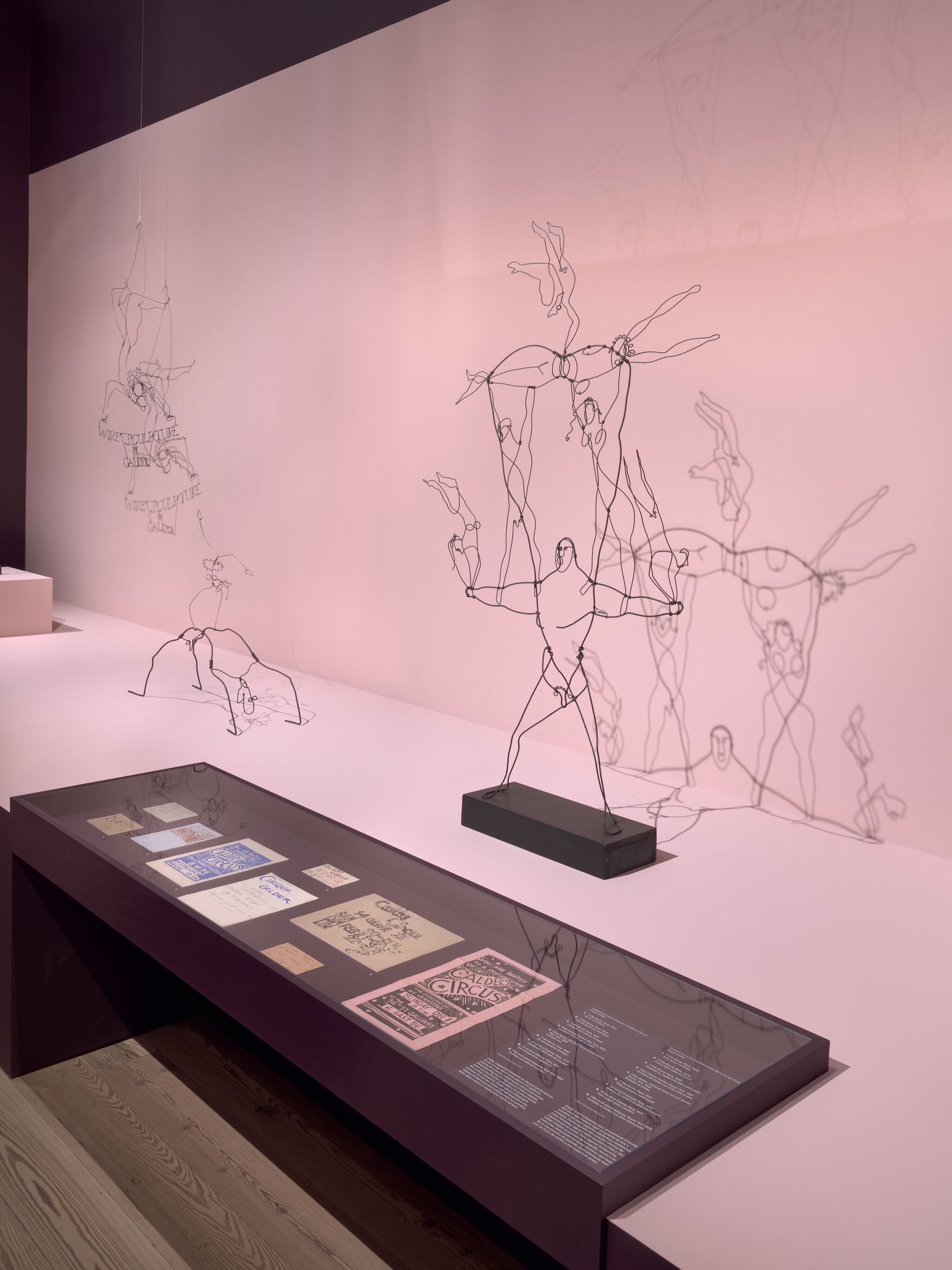
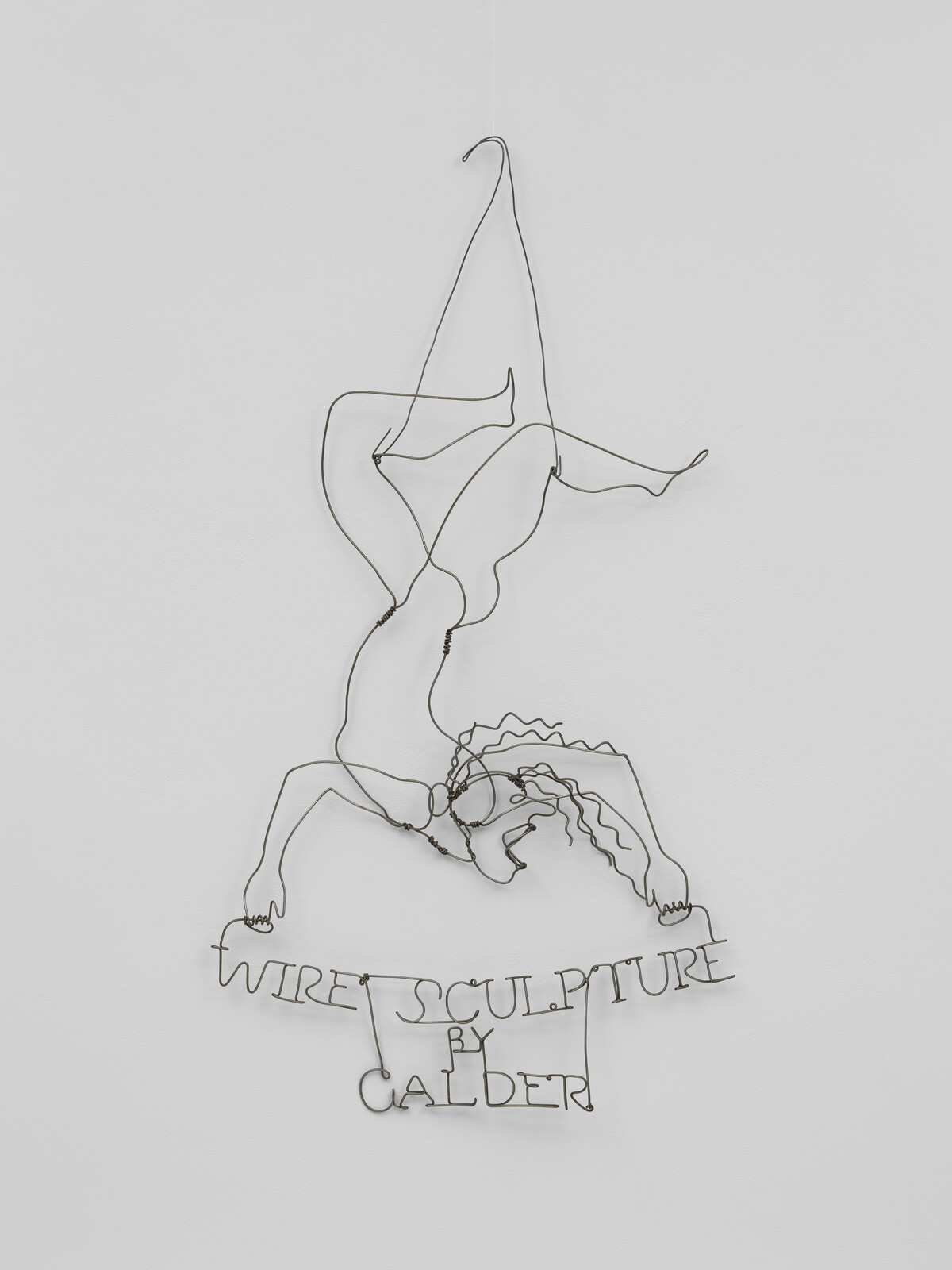
Installation view of High Wire: Calder’s Circus at 100 (Whitney Museum of American Art, New York, October 18, 2025–March 2026). From left to right: Alexander Calder, Wire Sculpture by Calder, 1928; Alexander Calder, Acrobats, 1929; Alexander Calder, The Brass Family, 1929. In vitrine, from left to right: Alexander Calder, Invitations to performance of Calder’s Circus/Cirque Calder (7 Villa Brune, Paris), 1930; Alexander Calder, Invitation to performance of Calder’s Circus/Cirque Calder (Chez Hawes-Harden, New York), 1929; Alexander Calder, Invitation to performance of Calder’s Circus/Cirque Calder (Chez Matter, New York), 1942; Alexander Calder, Invitation to performance of Calder’s Circus/Cirque Calder (7 Villa Brune, Paris), 1930; Alexander Calder, Invitations to performance of Calder’s Circus/Cirque Calder (14 rue de la Colonie, Paris), 1932; Alexander Calder, Invitation to performance Calder’s Circus/Cirque Calder (Fifty-Sixth Street Galleries, New York), 1929. © 2026 Calder Foundation, New York / Artists Rights Society (ARS), New York. Photograph by Ron Amstutz
From the exhibition High Wire: Calder’s Circus at 100
-
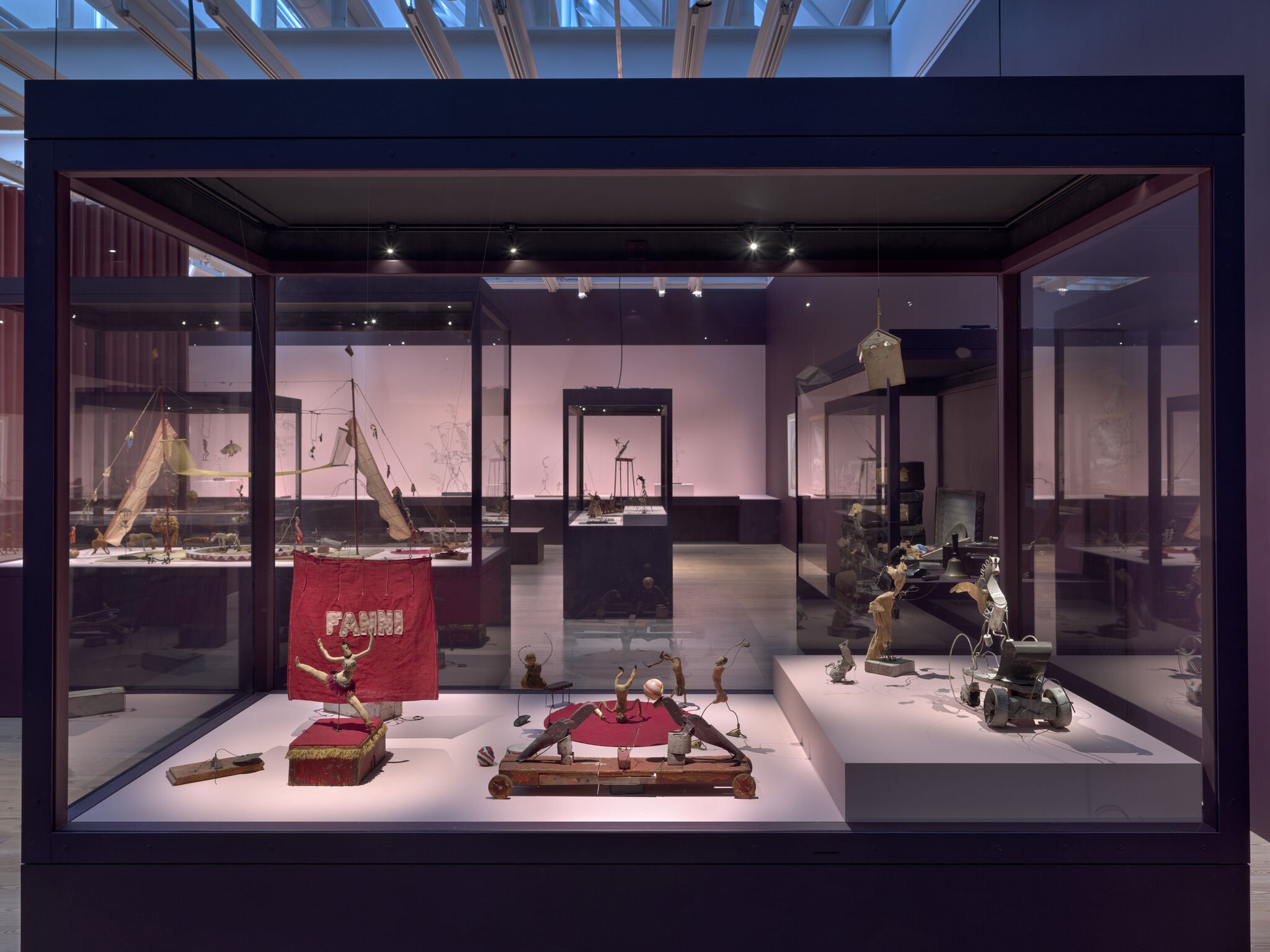
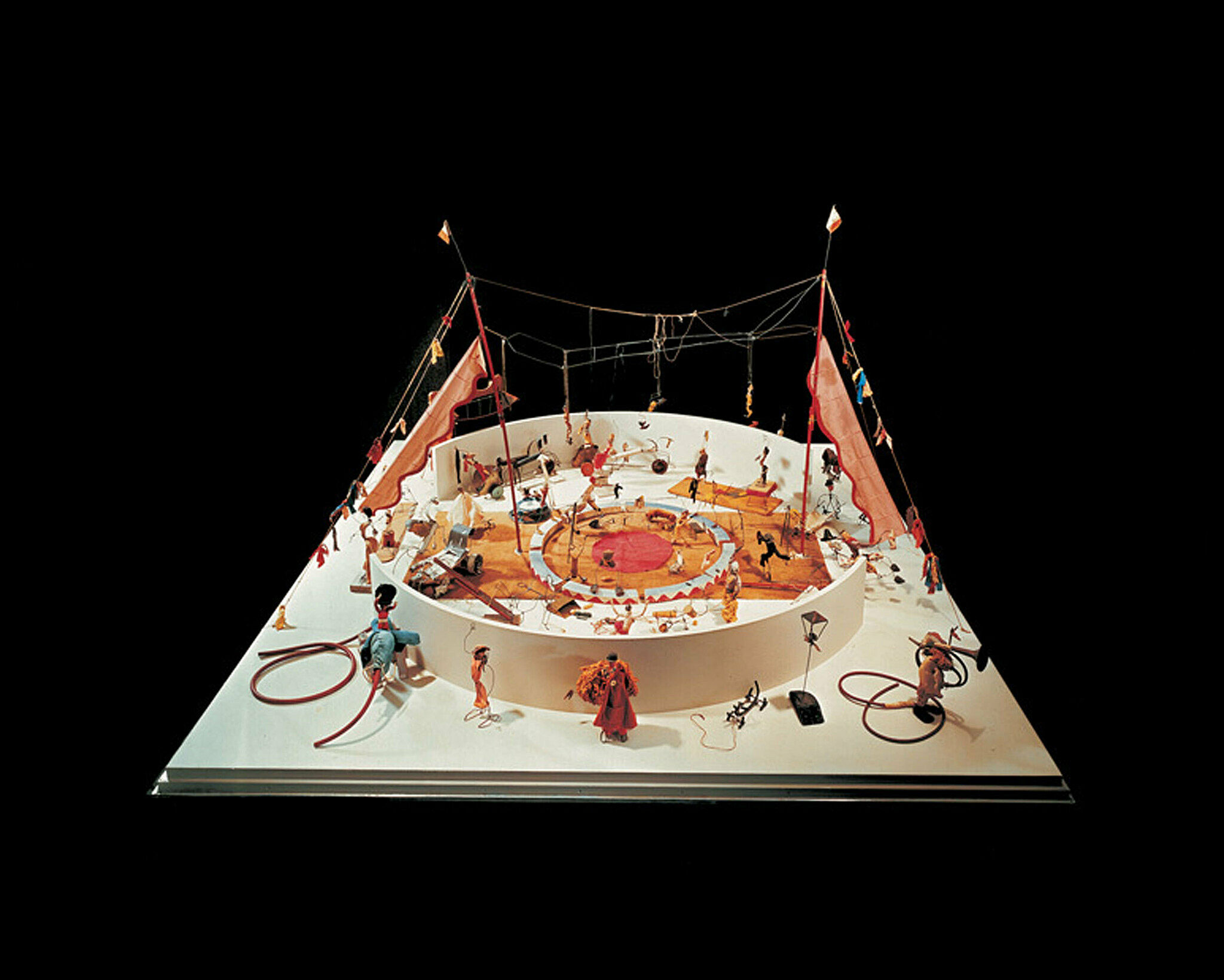
Installation view of High Wire: Calder’s Circus at 100 (Whitney Museum of American Art, New York, October 18, 2025–March 2026). In vitrines: Alexander Calder, Calder’s Circus, 1926–31. Back, from left to right: Alexander Calder, Wire Sculpture by Calder, 1928; Alexander Calder, Acrobats, 1929; Alexander Calder, The Brass Family, 1929; Alexander Calder, Circus Scene, 1929; Alexander Calder, Acrobats, c. 1927; Alexander Calder, Untitled (Circus scene; polo match), c. 1926; Alexander Calder, The Flying Trapeze, 1925. © 2026 Calder Foundation, New York / Artists Rights Society (ARS), New York. Photograph by Ron Amstutz
From the exhibition High Wire: Calder’s Circus at 100
-
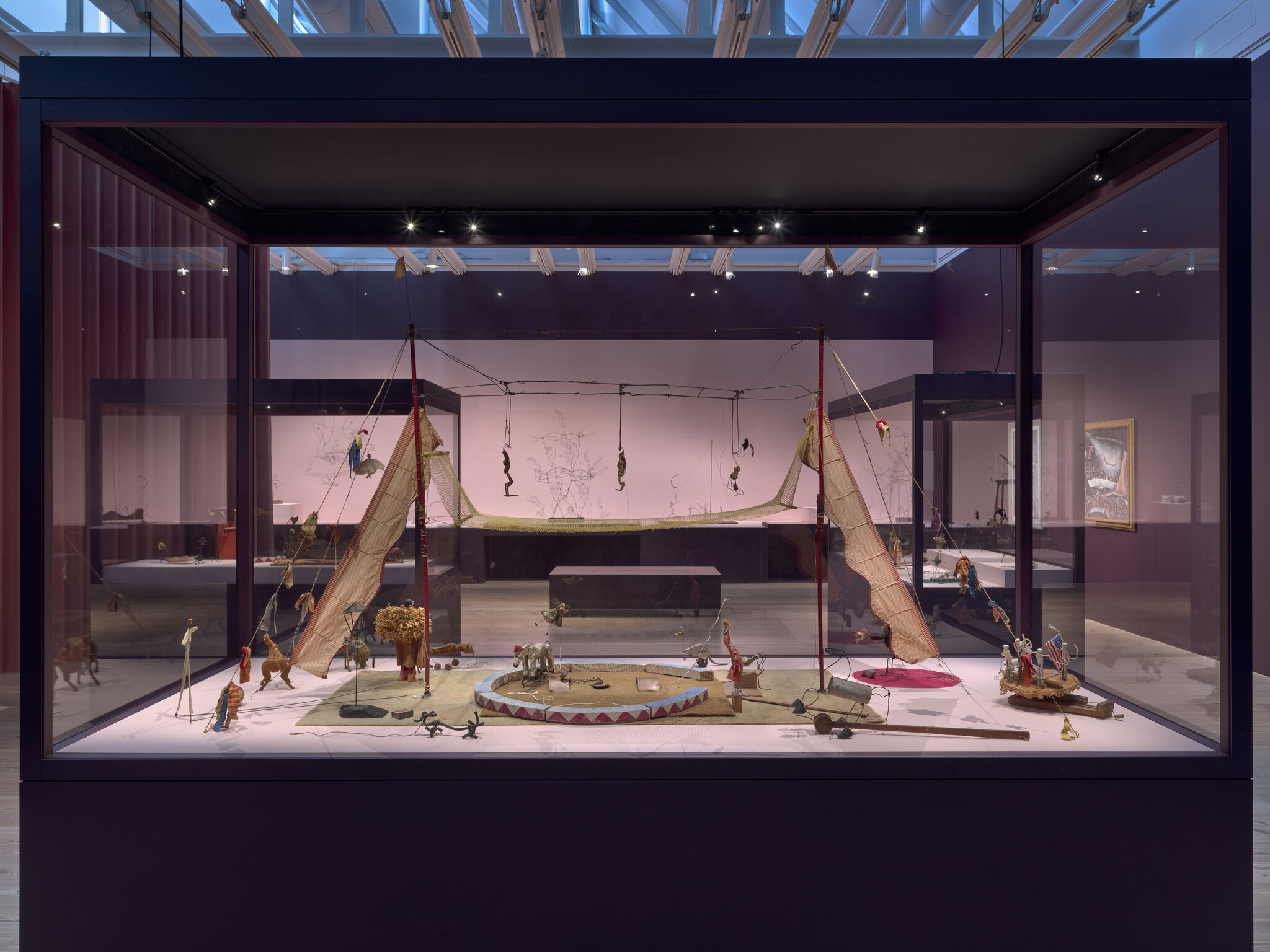
Installation view of High Wire: Calder’s Circus at 100 (Whitney Museum of American Art, New York, October 18, 2025–March 2026). In vitrine: Alexander Calder, Calder’s Circus, 1926–31. Back, from left to right: Alexander Calder, Wire Sculpture by Calder, 1928; Alexander Calder, The Brass Family, 1929; Alexander Calder, Circus Scene, 1929; Alexander Calder, Untitled (Circus scene; polo match), c. 1926; Alexander Calder, The Flying Trapeze, 1925. © 2026 Calder Foundation, New York / Artists Rights Society (ARS), New York. Photograph by Ron Amstutz
From the exhibition High Wire: Calder’s Circus at 100
-
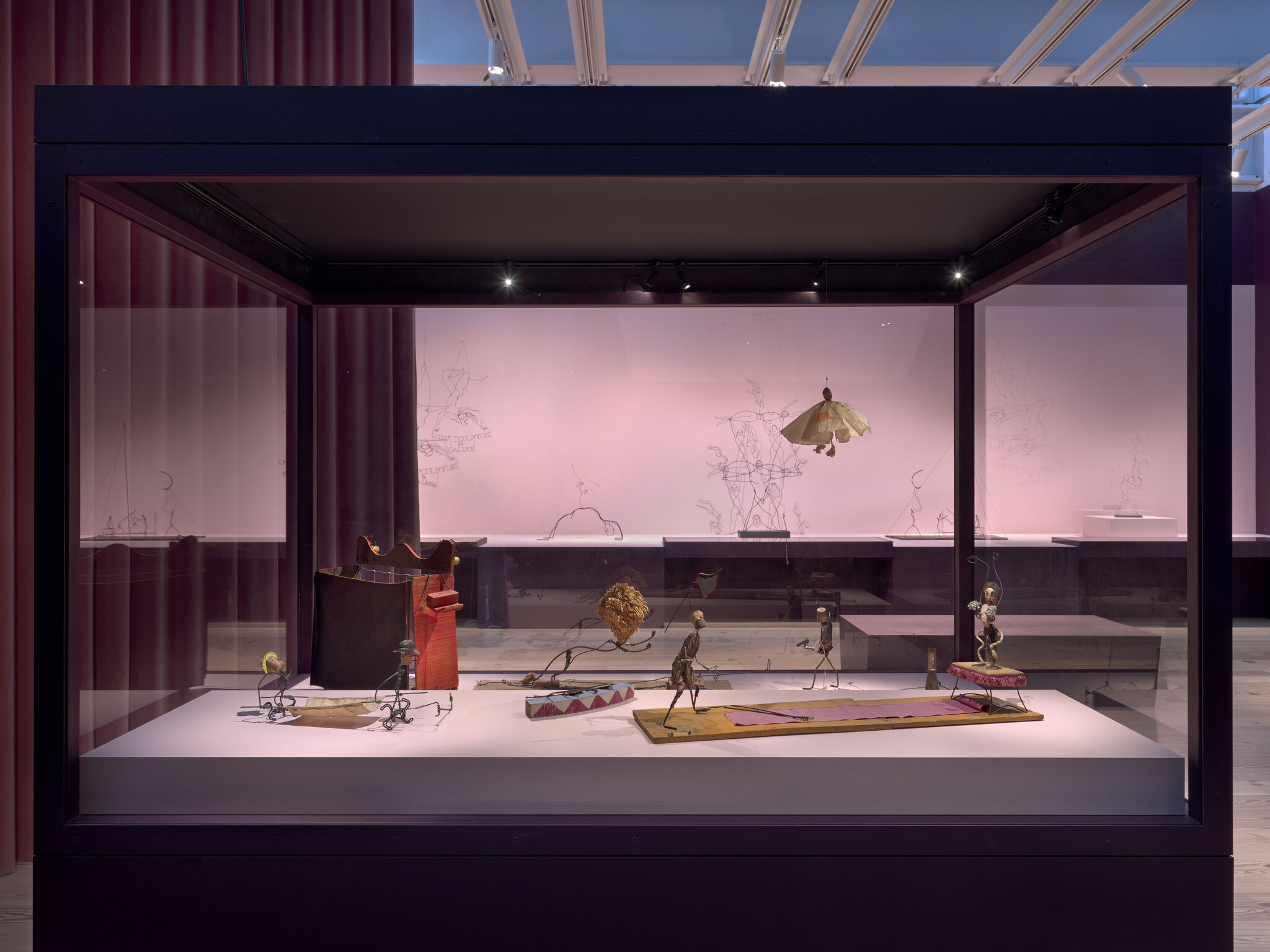
Installation view of High Wire: Calder’s Circus at 100 (Whitney Museum of American Art, New York, October 18, 2025–March 2026). In vitrine: Alexander Calder, Calder’s Circus, 1926–31. Back, from left to right: Alexander Calder, Wire Sculpture by Calder, 1928; Alexander Calder, Acrobats, 1929; Alexander Calder, The Brass Family, 1929; Alexander Calder, Circus Scene, 1929; Alexander Calder, Acrobats, c. 1927. © 2026 Calder Foundation, New York / Artists Rights Society (ARS), New York. Photograph by Ron Amstutz
From the exhibition High Wire: Calder’s Circus at 100
-
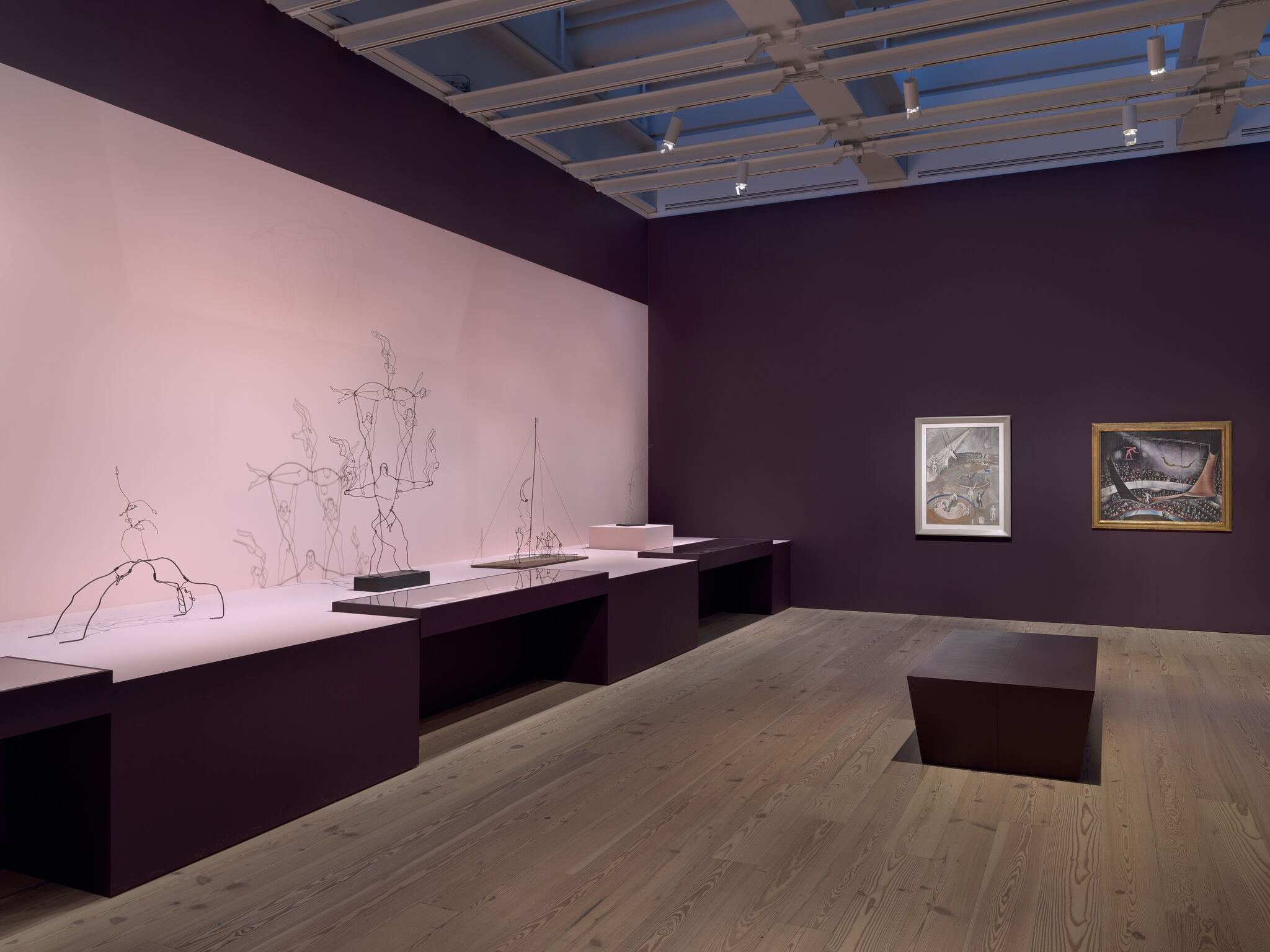
Installation view of High Wire: Calder’s Circus at 100 (Whitney Museum of American Art, New York, October 18, 2025–March 9, 2026). From left to right: Alexander Calder, Acrobats, 1929; Alexander Calder, The Brass Family, 1929; Alexander Calder, Circus Scene, 1929; Alexander Calder, Acrobats, c. 1927; Alexander Calder, Untitled (Circus scene; polo match), c. 1926; Alexander Calder, The Flying Trapeze, 1925. © 2026 Calder Foundation, New York / Artists Rights Society (ARS), New York. Photograph by Ron Amstutz
From the exhibition High Wire: Calder’s Circus at 100
-
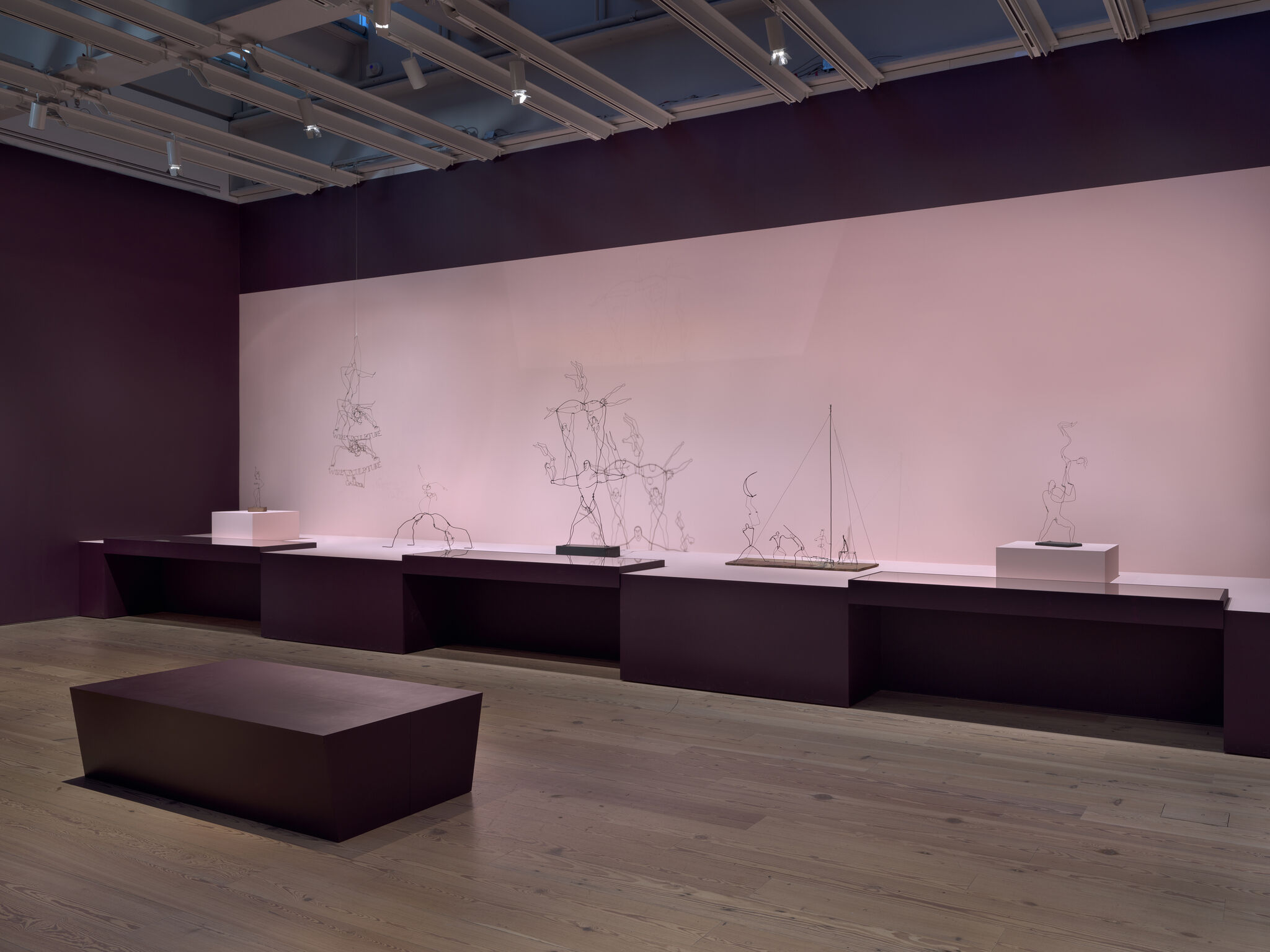
Installation view of High Wire: Calder’s Circus at 100 (Whitney Museum of American Art, New York, October 18, 2025–March 9, 2026). From left to right: Alexander Calder, Victorine (The Circus Queen), 1928; Alexander Calder, Wire Sculpture by Calder, 1928; Alexander Calder, Acrobats, 1929; Alexander Calder, The Brass Family, 1929; Alexander Calder, Circus Scene, 1929; Alexander Calder, Acrobats, c. 1927. © 2026 Calder Foundation, New York / Artists Rights Society (ARS), New York. Photograph by Ron Amstutz
From the exhibition High Wire: Calder’s Circus at 100
-
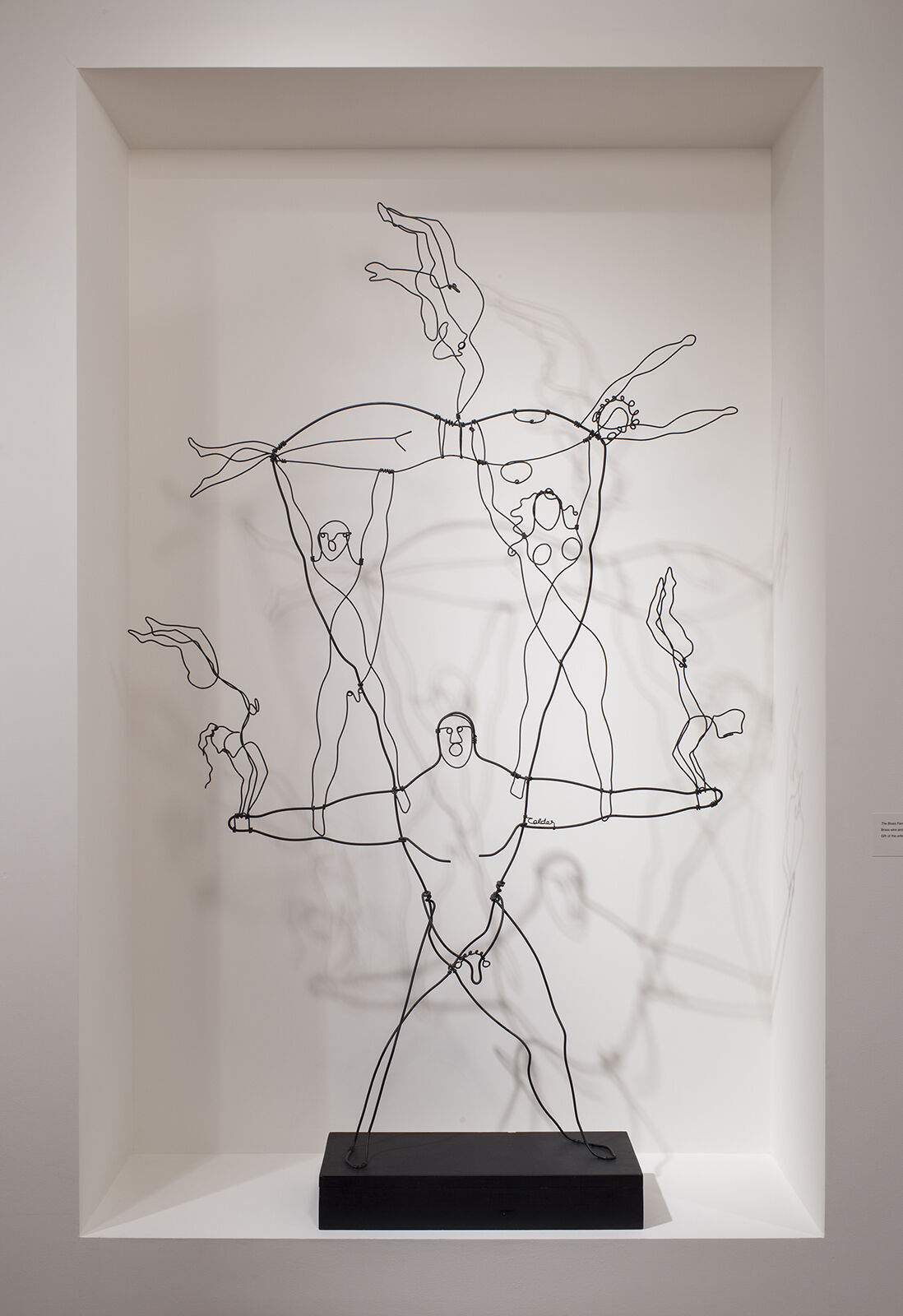
Alexander Calder, The Brass Family, 1929. Brass wire and painted wood, 67 × 41 1/8 × 8 7/8 in. (170.2 × 104.5 × 22.5 cm). Whitney Museum of American Art, New York; gift of the artist 69.255. Photograph by Sheldan Collins. © Calder Foundation, New York / Artists Rights Society (ARS), New York
From the exhibition Collecting Calder