Jeff Koons: A Retrospective | Art & Artists

June 27–Oct 19, 2014


Exhibition works

14 total
Equilibrium
Read more

Equilibrium

1983–93

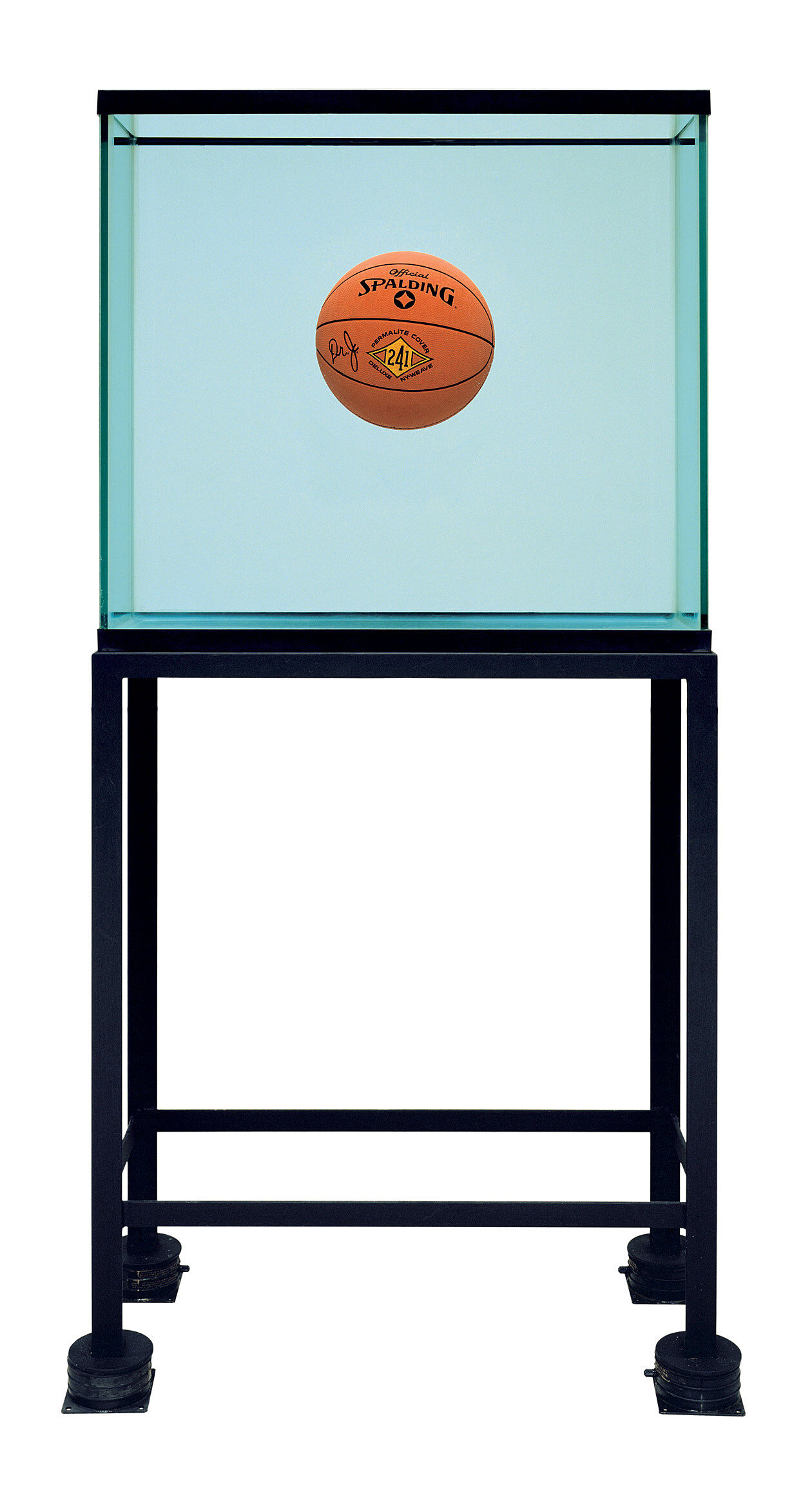
A basketball floating in a glass tank.

Jeff Koons, One Ball Total Equilibrium Tank (Spalding Dr. J 241 Series), 1985. Glass, steel, sodium chloride reagent, distilled water, basketball; 64 3/4 x 30 3/4 x 13 1/4 in. (164.5 x 78.1 x 33.7 cm). Collection of B. Z. and Michael Schwartz. ©Jeff Koons.

Equilibrium
1983–93

Koons staged his first solo gallery exhibition, Equilibrium, in 1985. The show presented a multilayered allegory of, in Koons’s words, unattainable “states of being” or salvation. Cast-bronze floatation devices, for example, maintained a permanent inflatedness, yet they would kill rather than save their users. On the walls hung framed, unaltered Nike posters, procured by Koons from the company’s headquarters, that conjoined the perfection of appropriated prints with that of the famous athletes they featured. The exhibition’s best-known works remain the tanks in which basketballs miraculously hover. These sculptures expand philosophically on The New; while that series addressed the perfect moment of creation, Koons considers Equilibrium a moment of pure potential: “Equilibrium is before birth, it’s in the womb, it’s about what is prior to life and after death. It’s this ultimate state of the eternal that is reflected in this moment.”

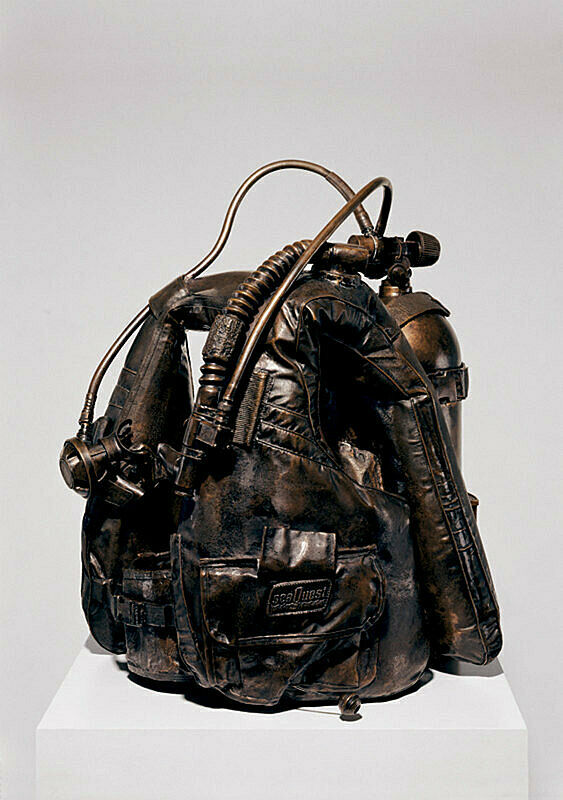
Jeff Koons, Aqualung, 1985. Bronze; 27 × 17 1/2 × 17 1/2 in. (68.6 × 44.5 × 44.5 cm). Private Collection, New York. © Jeff Koons

Aqualung, 1985

Koons cast this aqualung—an underwater breathing apparatus— in bronze using a complex process that required thirty separate molds to replicate the curves and textures of the original object. He hoped to demonstrate that he was capable of producing objects at the highest level of craftsmanship. Of course the casting that transformed the aqualung into a sculpture made it an image of certain death. With this contrast, Koons sought to remind viewers that, despite one’s best attempts to achieve a state of equilibrium in life, mortality is inevitable.

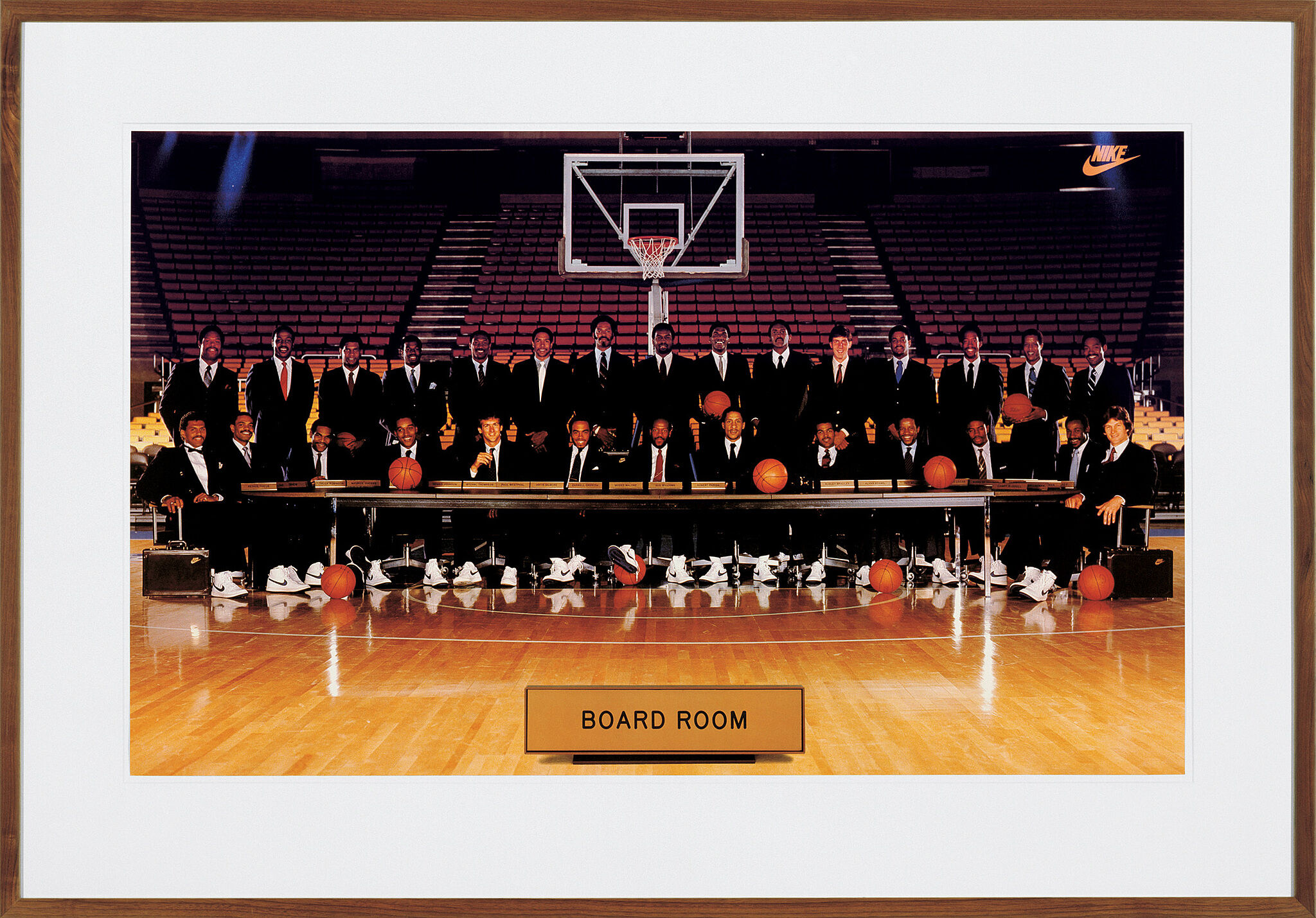
Jeff Koons, Board Room, 1985. Framed Nike poster; 31 1/2 x 45 1/2 in. (80 x 115.6 cm) JPMorgan Chase Art Collection. ©Jeff Koons

Board Room, 1985

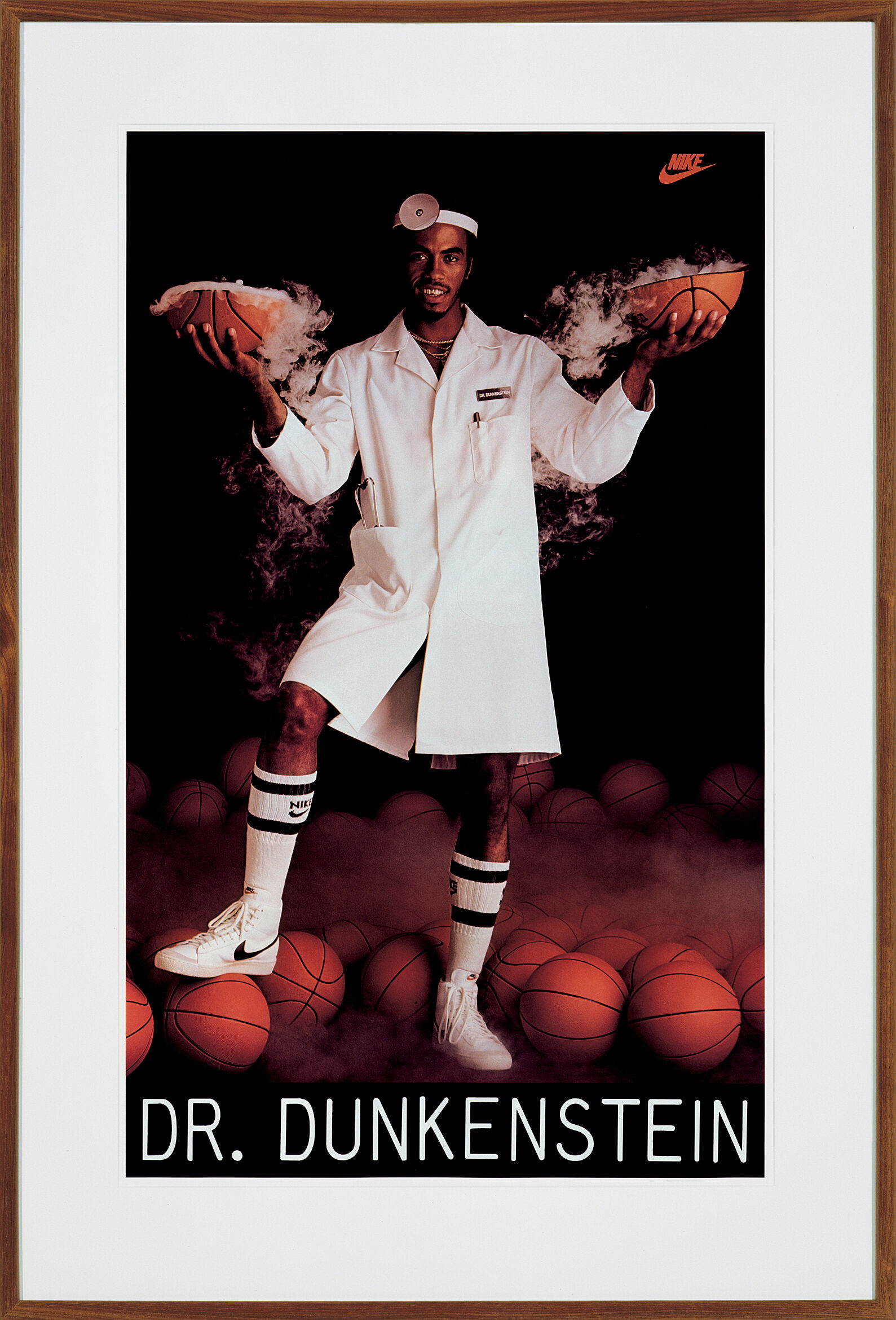
A photograph of a man in a lab coat holding a basketball cut in half and standing on a pile of basketballs.

Jeff Koons, Dr. Dunkenstein, 1985. Framed Nike poster; 45 1/2 x 31 1/2 in. (115.6 x 80 cm). Whitney Museum of American Art, New York; promised gift of Thea Westreich Wagner and Ethan Wagner P. 2011.216. © Jeff Koons

Dr. Dunkenstein, 1985

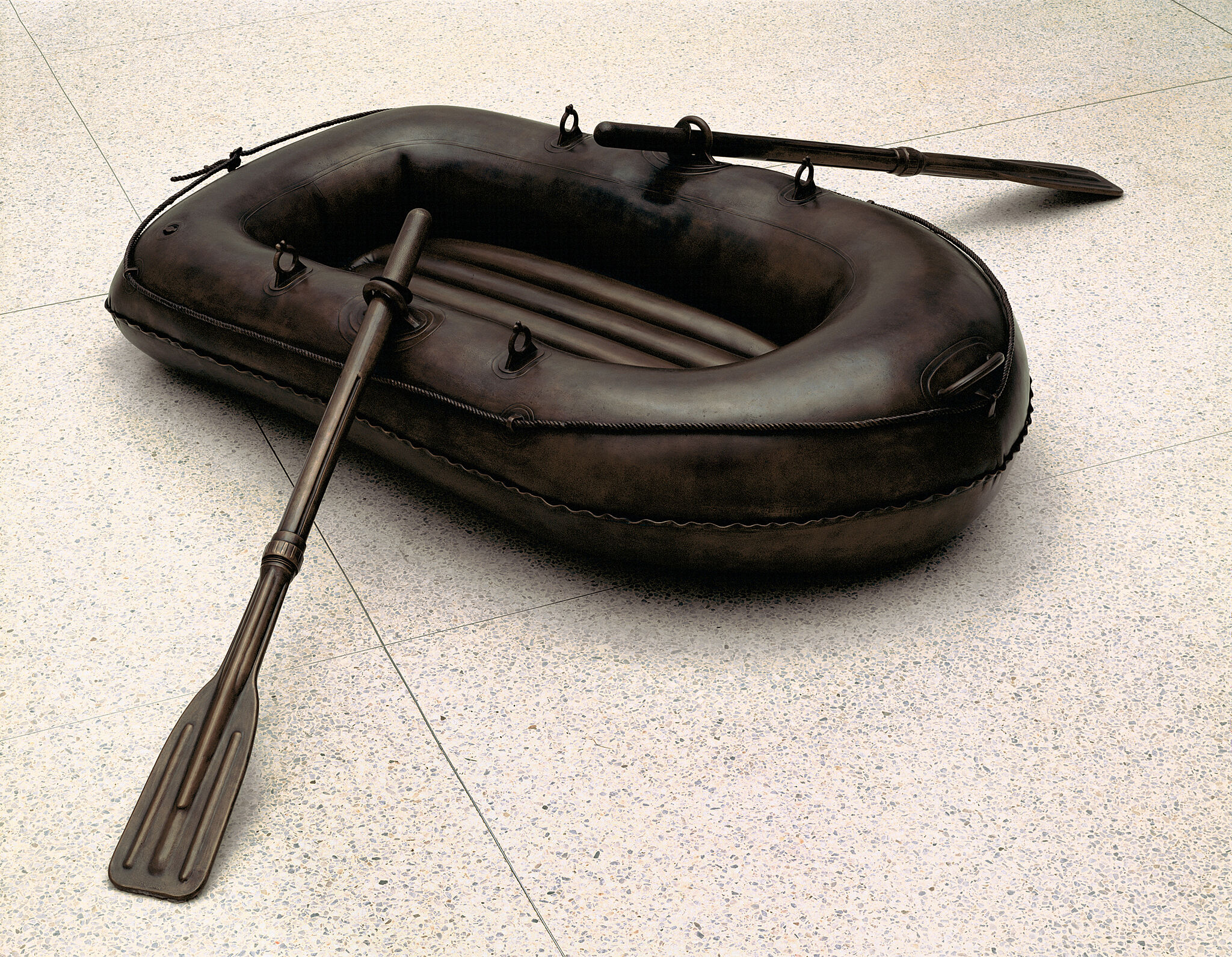
A sculpture of a black lifeboat with two oars on the ground.

Jeff Koons, Lifeboat, 1985. Bronze; 12 x 80 x 60 in. (30.5 x 203.2 x 152.4 cm). Museum of Contemporary Art Chicago; Gerald S. Elliott Collection, 1995.56.a-c. © Jeff Koons

Lifeboat, 1985

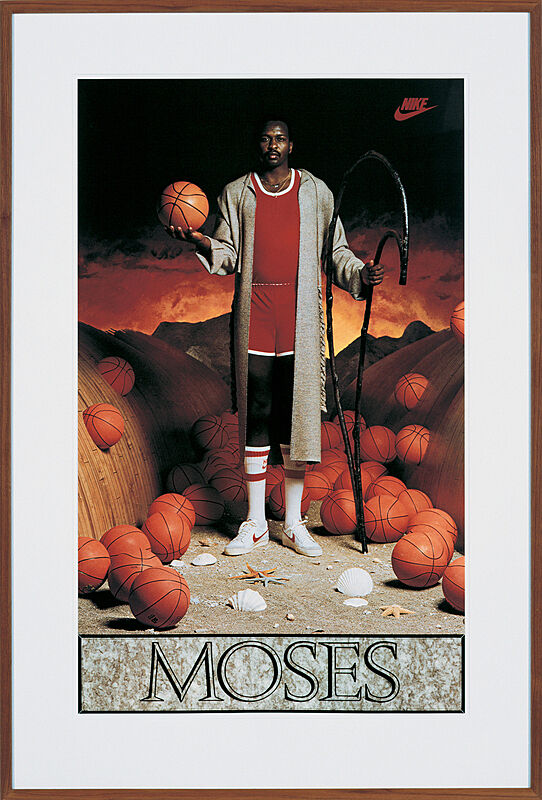
Jeff Koons, Moses, 1985. Framed Nike poster; 45 1⁄2 x 31 1⁄2 in. (115.6 × 80 cm). Edition no. 1/2. The Sonnabend Collection and the Sonnabend Estate. © Jeff Koons

Moses, 1985

A basketball floating in a glass tank.

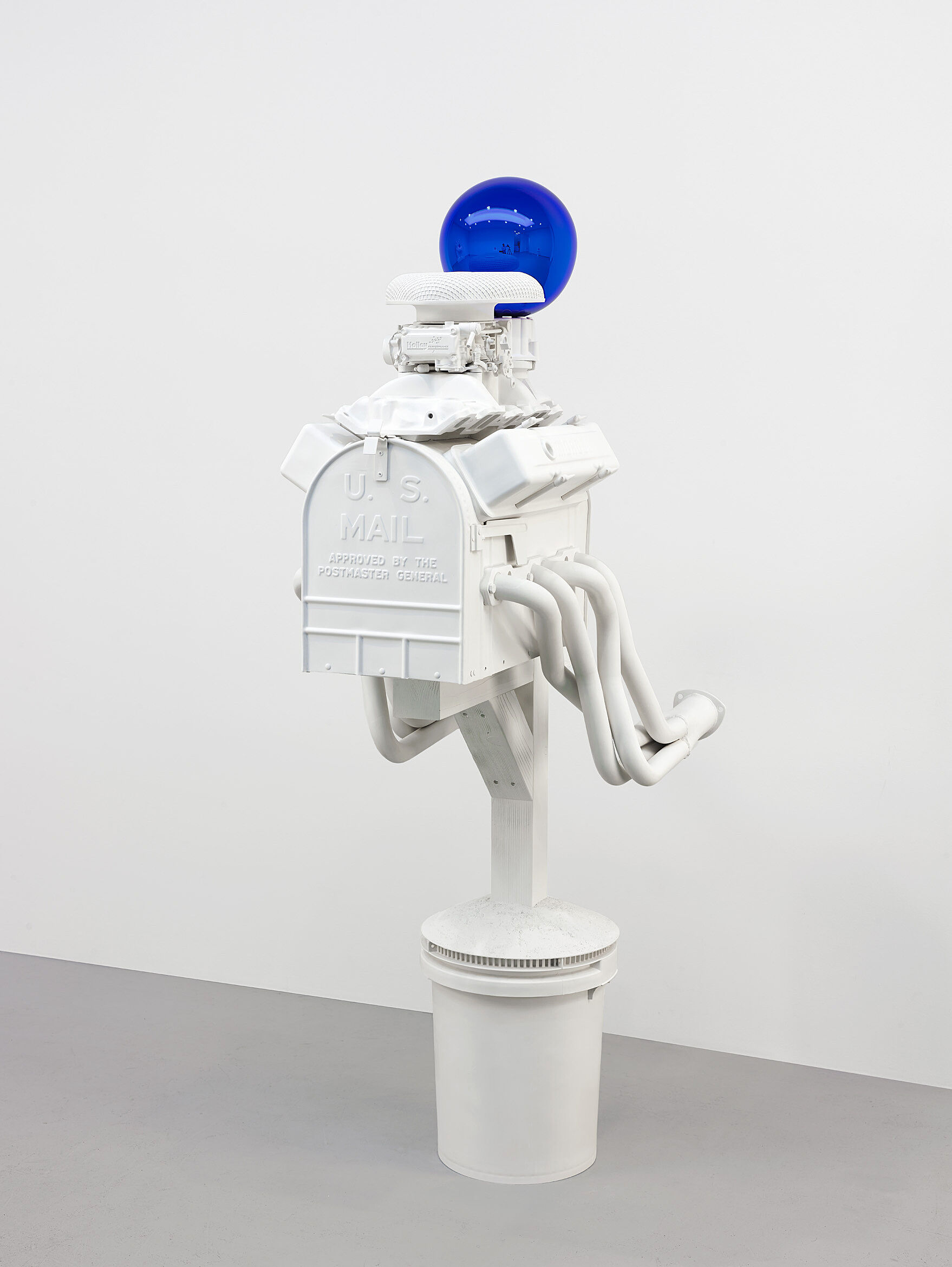
Jeff Koons, One Ball Total Equilibrium Tank (Spalding Dr. J 241 Series), 1985. Glass, steel, sodium chloride reagent, distilled water, basketball; 64 3/4 x 30 3/4 x 13 1/4 in. (164.5 x 78.1 x 33.7 cm). Collection of B. Z. and Michael Schwartz. ©Jeff Koons.

One Ball Total Equilibrium Tank (Spalding Dr. J 241 Series), 1985

The stillness of this gravity-defying basketball continues to surprise viewers nearly thirty years after its debut. Koons could have created the effect by submerging the ball in a viscous liquid such as silicon, but he insisted on using water in order to maintain the purity of the sculpture and his viewer’s trust in it. In consultation with the Nobel Prize–winning physicist Richard P. Feynman, Koons realized that by first filling more than half the tank with a solution of highly refined salt and distilled water and then filling the ball itself with distilled water, the ball would float on the heavier substance; he then poured more distilled water into the top portion of the tank. This precise equilibrium, however, does not last forever. Temperature fluctuations and vibrations from viewers’ footsteps blend the solutions of water, ultimately causing the ball to sink. For Koons, the inevitability of this failure provides the work’s theme of perfect balance with a poignant counterpoint of instability.

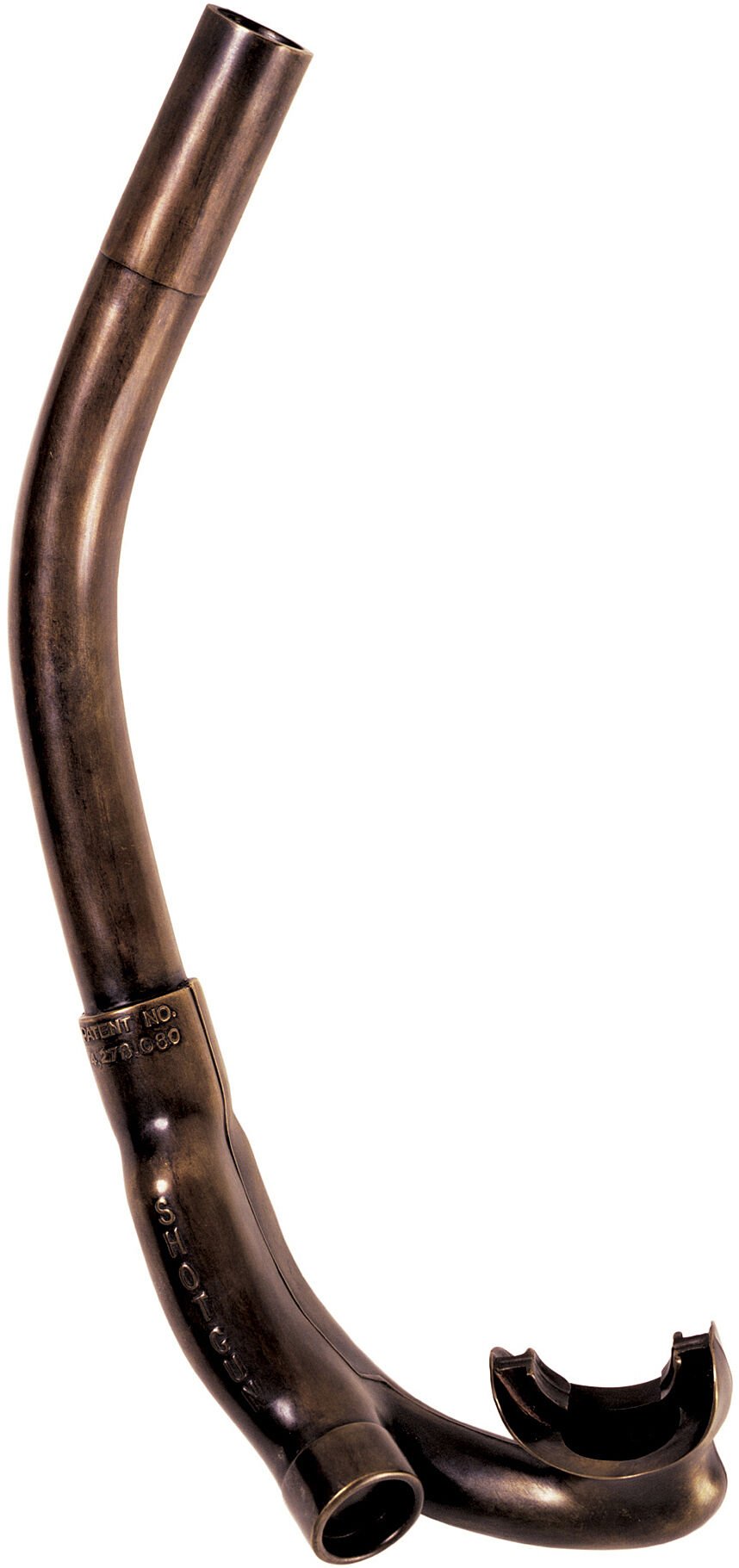
Jeff Koons, Snorkel (Shotgun), 1985. Bronze; 15 1⁄2 x 5 x 1 1⁄4 in. (39.4 x 12.7 x 3.2 cm). Edition no. 3/3. The Sonnabend Collection and Antonio Homem. © Jeff Koons

Snorkel (Shotgun), 1985


Explore works from this exhibition
in the Whitney's collection

View 5 works

On the Hour

A 30-second online art project:
Frank WANG Yefeng, The Levitating Perils #2

Learn more about this project

Learn more at whitney.org/artport

On the Hour projects can contain motion and sound. To respect your accessibility settings autoplay is disabled.