Last chance
High Wire: Calder’s Circus at 100 | Art & Artists
Through Mar 9
High Wire: Calder’s Circus at 100 | Art & Artists
Mobiles
8
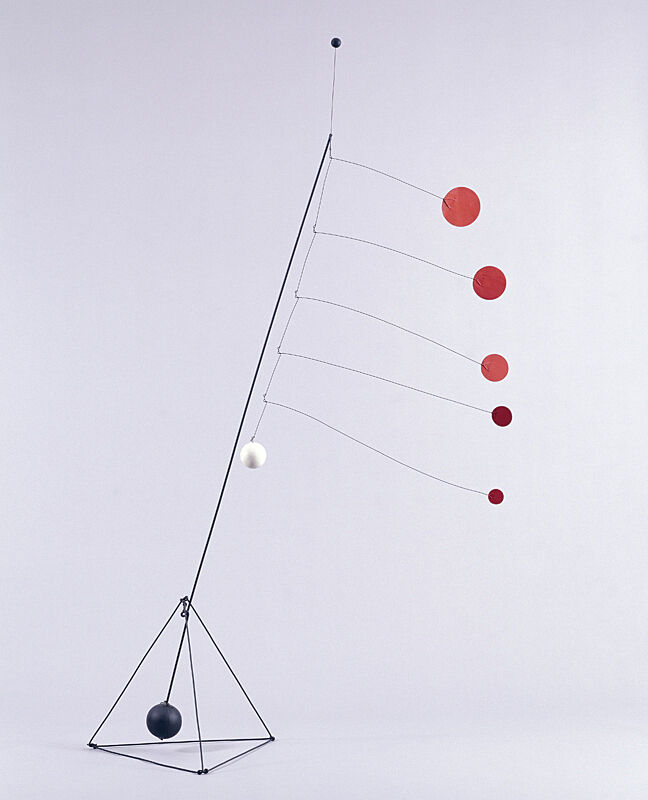
By 1931 Calder had begun to make nonrepresentational sculptures, in many cases experimenting with counter balance and air currents to set his works in motion. Applying the dynamics of his Circus to these abstract constructions, Calder used different forms and densities to create ever-changing spatial configurations. For Object with Red Discs, one of the earliest of his wind-driven sculptures, Calder cut simple shapes out of sheet metal, attached them to wires, and used wooden spheres to offset their weight. Although many of these early “mobiles,” as they were called, balanced on bases, Calder began to suspend them from the ceiling in 1932.

Alexander Calder, Object with Red Discs, 1931. Painted steel rod, wire, wood and sheet aluminum, 87 1/2 × 52 1/4 × 24 1/2 in. (222.3 × 132.7 × 62.2 cm). Whitney Museum of American Art, New York; purchase with funds from the Mrs. Percy Uris Purchase Fund 86.49a-c. © 2026 Calder Foundation, New York / Artists Rights Society (ARS), New York
Exhibition works
-
Installation view of High Wire: Calder’s Circus at 100 (Whitney Museum of American Art, New York, October 18, 2025–March 9, 2026). From left to right: Alexander Calder, Two Acrobats, 1932; Alexander Calder, Lone Pole, 1932; Alexander Calder, Sphérique I, 1931; Alexander Calder, Object with Red Discs, 1931; Alexander Calder, Big Red, 1959; Alexander Calder, Little Ball with Counterweight, c. 1931; Projection: Carlos Vilardebó, Le Cirque Calder, 1961. © 2026 Calder Foundation, New York / Artists Rights Society (ARS), New York. Photograph by Ron Amstutz
-
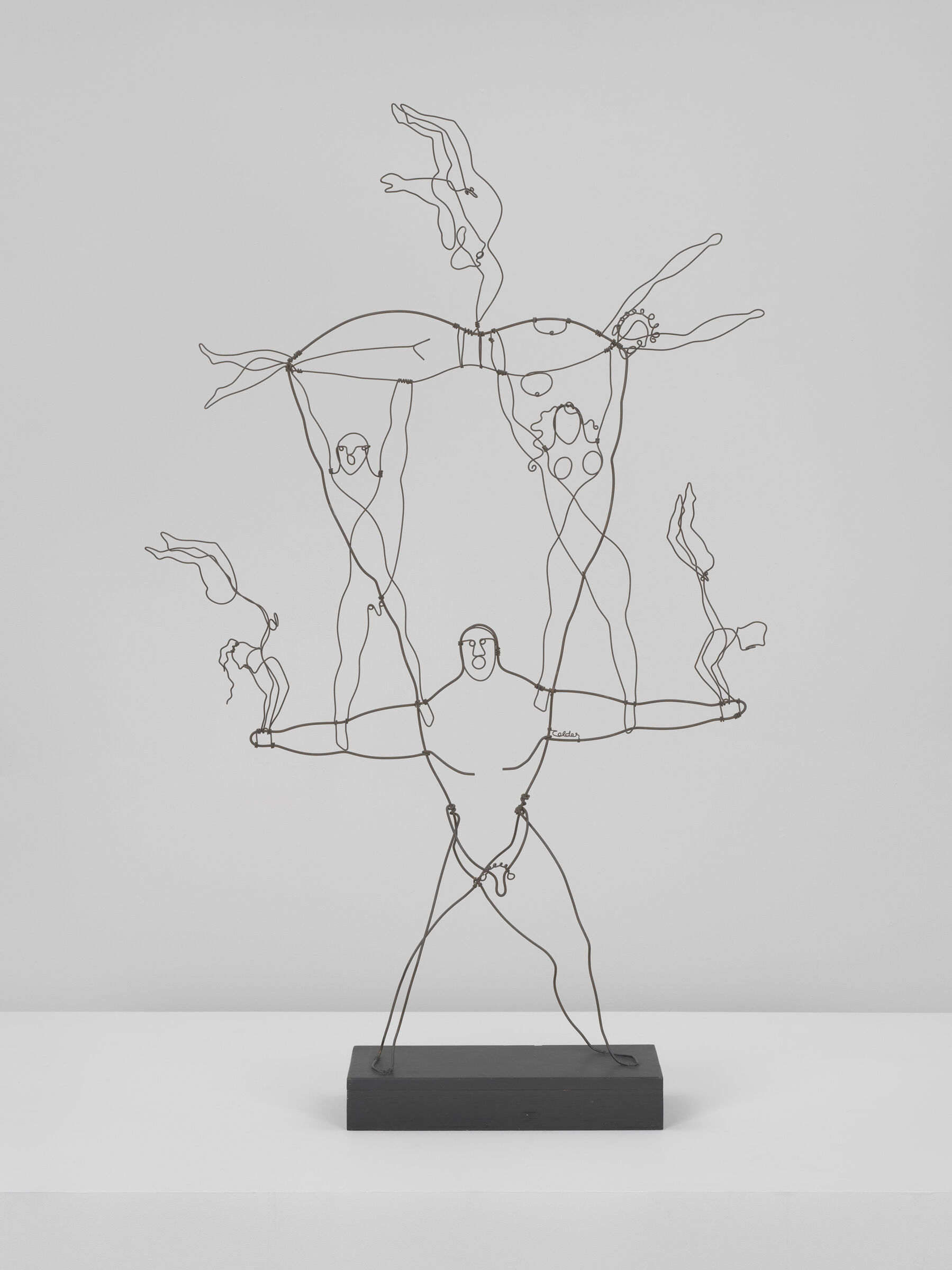
Installation view of High Wire: Calder’s Circus at 100 (Whitney Museum of American Art, New York, October 18, 2025–March 9, 2026). From left to right: Alexander Calder, The Catch IV, 1932; Alexander Calder, Tightrope Walker, 1932; Alexander Calder, Two Acrobats, 1932; Alexander Calder, Lone Pole, 1932. © 2026 Calder Foundation, New York / Artists Rights Society (ARS), New York. Photograph by Ron Amstutz
-
Installation view of High Wire: Calder’s Circus at 100 (Whitney Museum of American Art, New York, October 18, 2025–March 9, 2026). From left to right: Alexander Calder, Victorine (The Circus Queen), 1928; Alexander Calder, Wire Sculpture by Calder, 1928; Alexander Calder, Acrobats, 1929; Alexander Calder, The Brass Family, 1929; Alexander Calder, Circus Scene, 1929; Alexander Calder, Acrobats, c. 1927. © 2026 Calder Foundation, New York / Artists Rights Society (ARS), New York. Photograph by Ron Amstutz
-
Installation view of High Wire: Calder’s Circus at 100 (Whitney Museum of American Art, New York, October 18, 2025–March 9, 2026). From left to right: Alexander Calder, Acrobats, 1929; Alexander Calder, The Brass Family, 1929; Alexander Calder, Circus Scene, 1929; Alexander Calder, Acrobats, c. 1927; Alexander Calder, Untitled (Circus scene; polo match), c. 1926; Alexander Calder, The Flying Trapeze, 1925. © 2026 Calder Foundation, New York / Artists Rights Society (ARS), New York. Photograph by Ron Amstutz
-
Installation view of High Wire: Calder’s Circus at 100 (Whitney Museum of American Art, New York, October 18, 2025–March 9, 2026). From left to right: Alexander Calder, Big Red, 1959; Projection: Carlos Vilardebó, Le Cirque Calder, 1961; Alexander Calder, The Wild Beast Cage, 1932; Alexander Calder, Tumbler on Swing, 1931; Alexander Calder, On the High Wire, 1932. © 2026 Calder Foundation, New York / Artists Rights Society (ARS), New York. Photograph by Ron Amstutz
-
Installation view of High Wire: Calder’s Circus at 100 (Whitney Museum of American Art, New York, October 18, 2025–March 9, 2026). From left to right: Alexander Calder, Sphérique I, 1931; Alexander Calder, Object with Red Discs, 1931; Alexander Calder, Little Ball with Counterweight, c. 1931. © 2026 Calder Foundation, New York / Artists Rights Society (ARS), New York. Photograph by Ron Amstutz
-
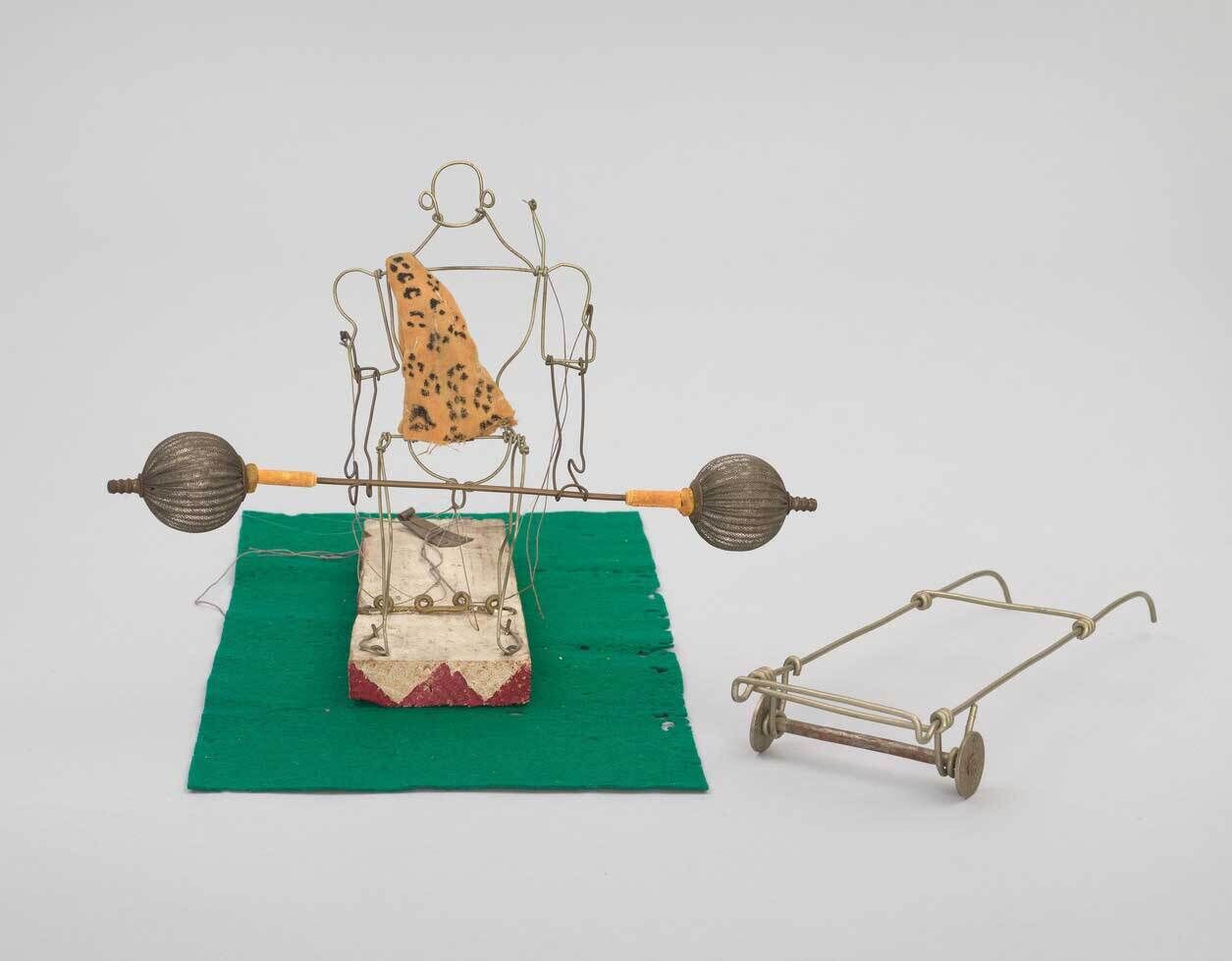
Installation view of High Wire: Calder’s Circus at 100 (Whitney Museum of American Art, New York, October 18, 2025–March 2026). In vitrine: Alexander Calder, Calder’s Circus, 1926–31. Back, from left to right: Alexander Calder, The Catch IV, 1932; Alexander Calder, Tightrope Walker, 1932; Alexander Calder, Two Acrobats, 1932; Alexander Calder, Sphérique I, 1931; Alexander Calder, Little Ball with Counterweight, c. 1931; Alexander Calder, Big Red, 1959; Projection: Carlos Vilardebó, Le Cirque Calder, 1961. © 2026 Calder Foundation, New York / Artists Rights Society (ARS), New York. Photograph by Ron Amstutz
-
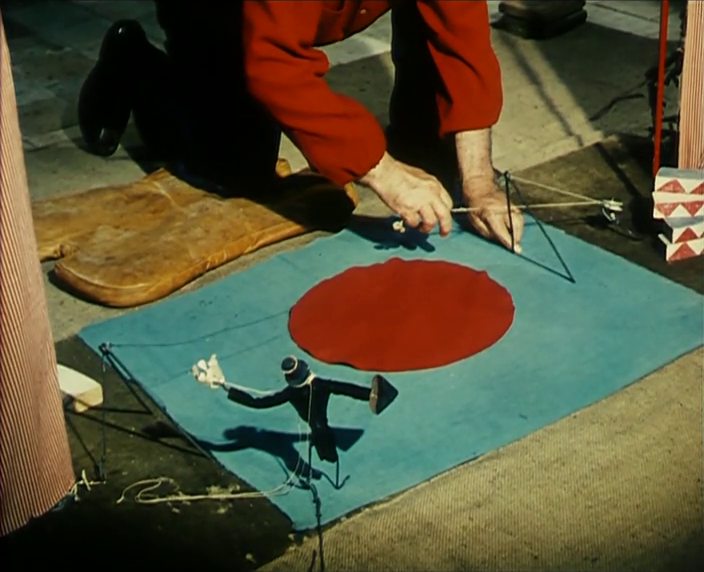
Installation view of High Wire: Calder’s Circus at 100 (Whitney Museum of American Art, New York, October 18, 2025–March 2026). In vitrines: Alexander Calder, Calder’s Circus, 1926–31. Projection: Carlos Vilardebó, Le Cirque Calder, 1961. © 2026 Calder Foundation, New York / Artists Rights Society (ARS), New York. Photograph by Ron Amstutz
-
Installation view of High Wire: Calder’s Circus at 100 (Whitney Museum of American Art, New York, October 18, 2025–March 2026). In vitrine: Alexander Calder, Calder’s Circus, 1926–31. Back, from left to right: Alexander Calder, Wire Sculpture by Calder, 1928; Alexander Calder, Acrobats, 1929; Alexander Calder, The Brass Family, 1929; Alexander Calder, Circus Scene, 1929; Alexander Calder, Acrobats, c. 1927. © 2026 Calder Foundation, New York / Artists Rights Society (ARS), New York. Photograph by Ron Amstutz
-
Installation view of High Wire: Calder’s Circus at 100 (Whitney Museum of American Art, New York, October 18, 2025–March 2026). From left to right: Alexander Calder, The Flying Trapeze, 1925; In vitrine: Alexander Calder, Calder’s Circus, 1926–31. © 2026 Calder Foundation, New York / Artists Rights Society (ARS), New York. Photograph by Ron Amstutz
-
Installation view of High Wire: Calder’s Circus at 100 (Whitney Museum of American Art, New York, October 18, 2025–March 2026). In vitrine: Alexander Calder, Calder’s Circus, 1926–31. Back, from left to right: Alexander Calder, Wire Sculpture by Calder, 1928; Alexander Calder, The Brass Family, 1929; Alexander Calder, Circus Scene, 1929; Alexander Calder, Untitled (Circus scene; polo match), c. 1926; Alexander Calder, The Flying Trapeze, 1925. © 2026 Calder Foundation, New York / Artists Rights Society (ARS), New York. Photograph by Ron Amstutz
-
Installation view of High Wire: Calder’s Circus at 100 (Whitney Museum of American Art, New York, October 18, 2025–March 2026). In vitrines: Alexander Calder, Calder’s Circus, 1926–31. Back, from left to right: Alexander Calder, Wire Sculpture by Calder, 1928; Alexander Calder, Acrobats, 1929; Alexander Calder, The Brass Family, 1929; Alexander Calder, Circus Scene, 1929; Alexander Calder, Acrobats, c. 1927; Alexander Calder, Untitled (Circus scene; polo match), c. 1926; Alexander Calder, The Flying Trapeze, 1925. © 2026 Calder Foundation, New York / Artists Rights Society (ARS), New York. Photograph by Ron Amstutz
-
Installation view of High Wire: Calder’s Circus at 100 (Whitney Museum of American Art, New York, October 18, 2025–March 2026). In vitrine: Alexander Calder, Calder’s Circus, 1926–31. Back, from left to right: Alexander Calder, The Catch IV, 1932; Alexander Calder, Tightrope Walker, 1932; Alexander Calder, Two Acrobats, 1932. © 2026 Calder Foundation, New York / Artists Rights Society (ARS), New York. Photograph by Ron Amstutz
-
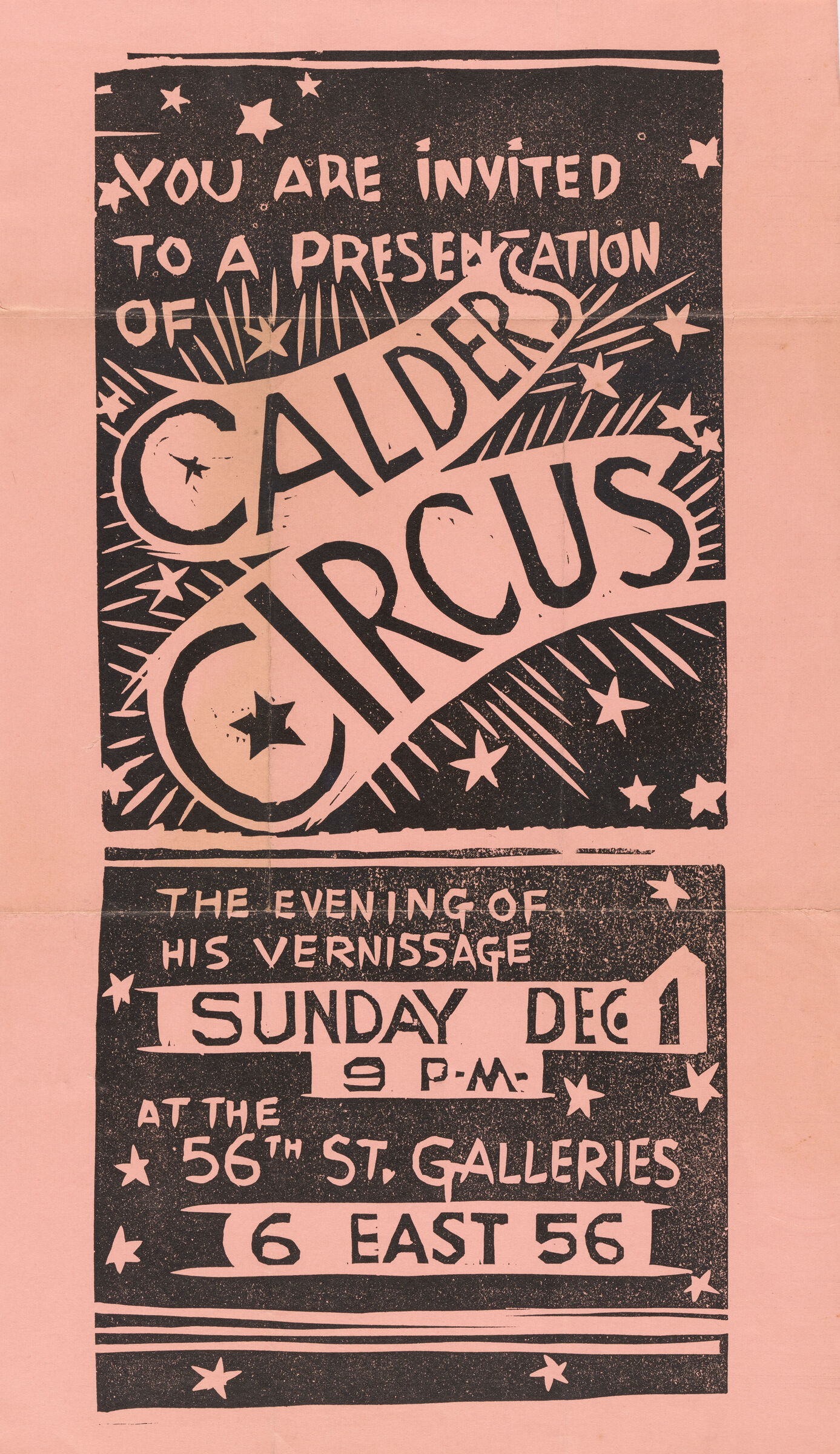
Installation view of High Wire: Calder’s Circus at 100 (Whitney Museum of American Art, New York, October 18, 2025–March 2026). From left to right: Alexander Calder, Wire Sculpture by Calder, 1928; Alexander Calder, Acrobats, 1929; Alexander Calder, The Brass Family, 1929. In vitrine, from left to right: Alexander Calder, Invitations to performance of Calder’s Circus/Cirque Calder (7 Villa Brune, Paris), 1930; Alexander Calder, Invitation to performance of Calder’s Circus/Cirque Calder (Chez Hawes-Harden, New York), 1929; Alexander Calder, Invitation to performance of Calder’s Circus/Cirque Calder (Chez Matter, New York), 1942; Alexander Calder, Invitation to performance of Calder’s Circus/Cirque Calder (7 Villa Brune, Paris), 1930; Alexander Calder, Invitations to performance of Calder’s Circus/Cirque Calder (14 rue de la Colonie, Paris), 1932; Alexander Calder, Invitation to performance Calder’s Circus/Cirque Calder (Fifty-Sixth Street Galleries, New York), 1929. © 2026 Calder Foundation, New York / Artists Rights Society (ARS), New York. Photograph by Ron Amstutz
-
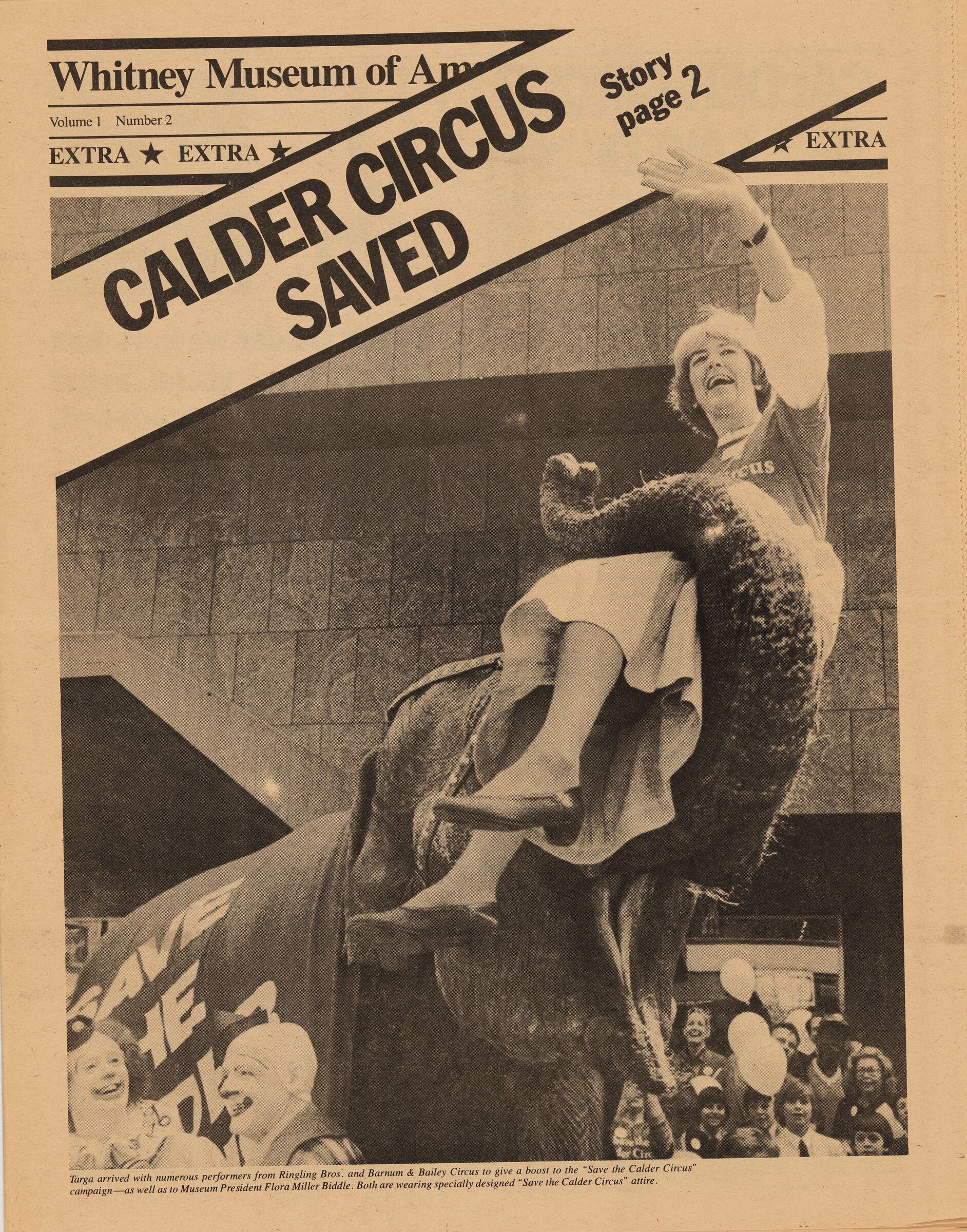
Installation view of High Wire: Calder’s Circus at 100 (Whitney Museum of American Art, New York, October 18, 2025–March 2026). In vitrine: Materials related to the history of Calder’s Circus at the Whitney and the “Save the Circus” acquisition campaign, 1971–82. On monitor: “Conserving Calder’s Circus”, 2012. © 2026 Calder Foundation, New York / Artists Rights Society (ARS), New York. Photograph by Ron Amstutz
-
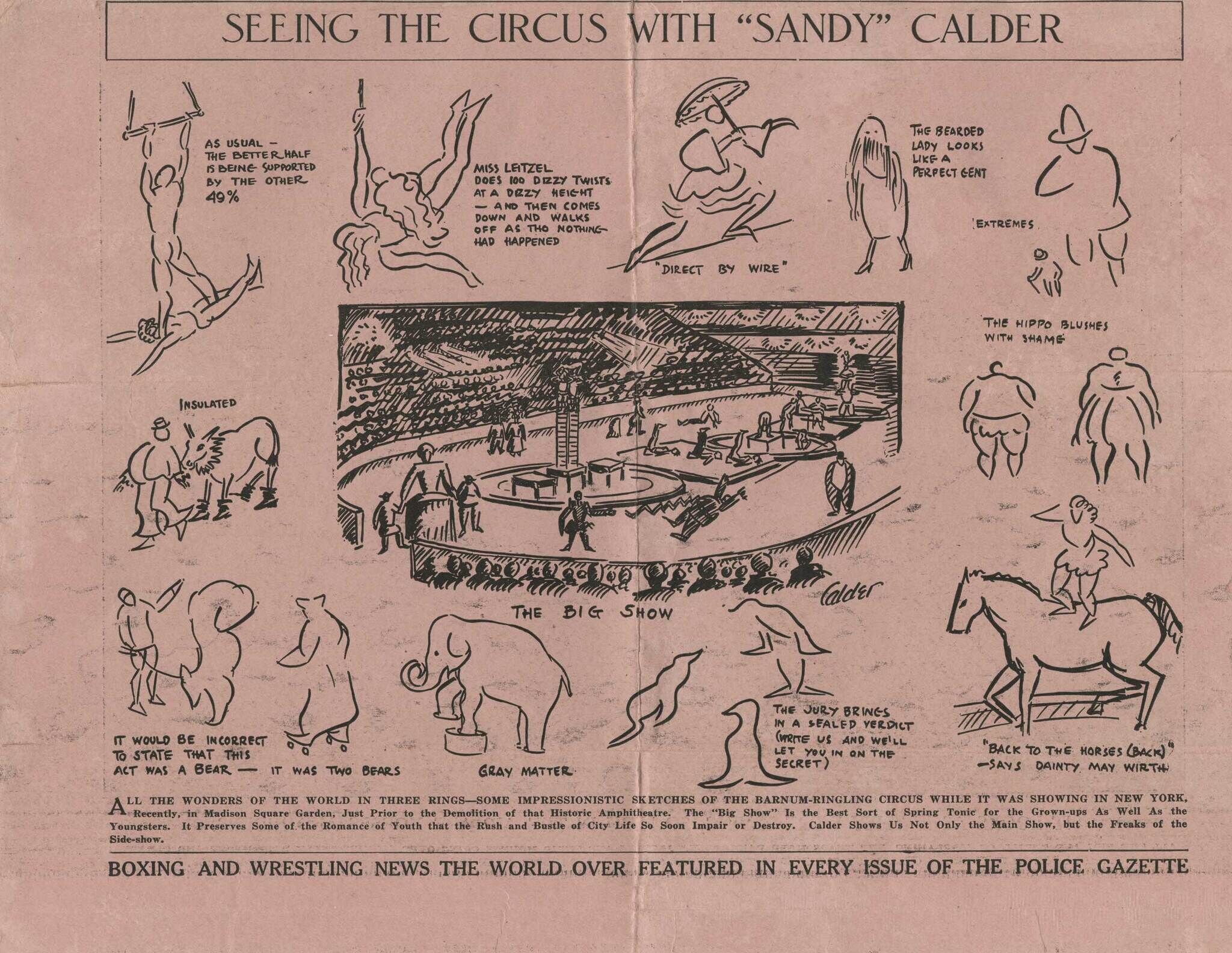
Installation view of High Wire: Calder’s Circus at 100 (Whitney Museum of American Art, New York, October 18, 2025–March 2026). From top to bottom: Alexander Calder, Wire Sculpture by Calder, 1928; Alexander Calder, Victorine (The Circus Queen), 1928; In vitrine, from left to right: Alexander Calder, Untitled (Circus ring), 1925; “Seeing the Circus with ‘Sandy’ Calder,” National Police Gazette, May 23, 1925; Calder with a series of Action Toys, Gould Manufacturing Company, Oshkosh, Wisconsin, 1929; “Statement on Wire Sculpture,” 1929; Clippings of articles about Calder from The World (New York) [“His Elephants Don’t Drink”], January 18, 1931; Paris-Midi [“Le Plus Petit Cirque du Monde”], April 23, 1931; and Chicago Tribune (Paris edition) [“American Artist Wins Praise For His Work In Wire”], May 2, 1931. © 2026 Calder Foundation, New York / Artists Rights Society (ARS), New York. Photograph by Ron Amstutz
-
Installation view of High Wire: Calder’s Circus at 100 (Whitney Museum of American Art, New York, October 18, 2025–March 2026). From top to bottom: Alexander Calder, Victorine (The Circus Queen), 1928; In vitrine, from left to right: Alexander Calder, Untitled (Circus ring), 1925; “Seeing the Circus with ‘Sandy’ Calder,” National Police Gazette, May 23, 1925; Calder with a series of Action Toys, Gould Manufacturing Company, Oshkosh, Wisconsin, 1929; “Statement on Wire Sculpture,” 1929; Clippings of articles about Calder from The World (New York) [“His Elephants Don’t Drink”], January 18, 1931; Paris-Midi [“Le Plus Petit Cirque du Monde”], April 23, 1931; and Chicago Tribune (Paris edition) [“American Artist Wins Praise For His Work In Wire”], May 2, 1931. © 2026 Calder Foundation, New York / Artists Rights Society (ARS), New York. Photograph by Ron Amstutz
-
Installation view of High Wire: Calder’s Circus at 100 (Whitney Museum of American Art, New York, October 18, 2025–March 2026). From top to bottom: Alexander Calder, The Brass Family, 1929; In vitrine, from left to right: Alexander Calder, Invitations to performance of Calder’s Circus/Cirque Calder (7 Villa Brune, Paris), 1930; Alexander Calder, Invitation to performance of Calder’s Circus/Cirque Calder (Chez Hawes-Harden, New York), 1929; Alexander Calder, Invitation to performance of Calder’s Circus/Cirque Calder (Chez Matter, New York), 1942; Alexander Calder, Invitation to performance of Calder’s Circus/Cirque Calder (7 Villa Brune, Paris), 1930; Alexander Calder, Invitations to performance of Calder’s Circus/Cirque Calder (14 rue de la Colonie, Paris), 1932; Alexander Calder, Invitation to performance Calder’s Circus/Cirque Calder (Fifty-Sixth Street Galleries, New York), 1929. © 2026 Calder Foundation, New York / Artists Rights Society (ARS), New York. Photograph by Ron Amstutz
-
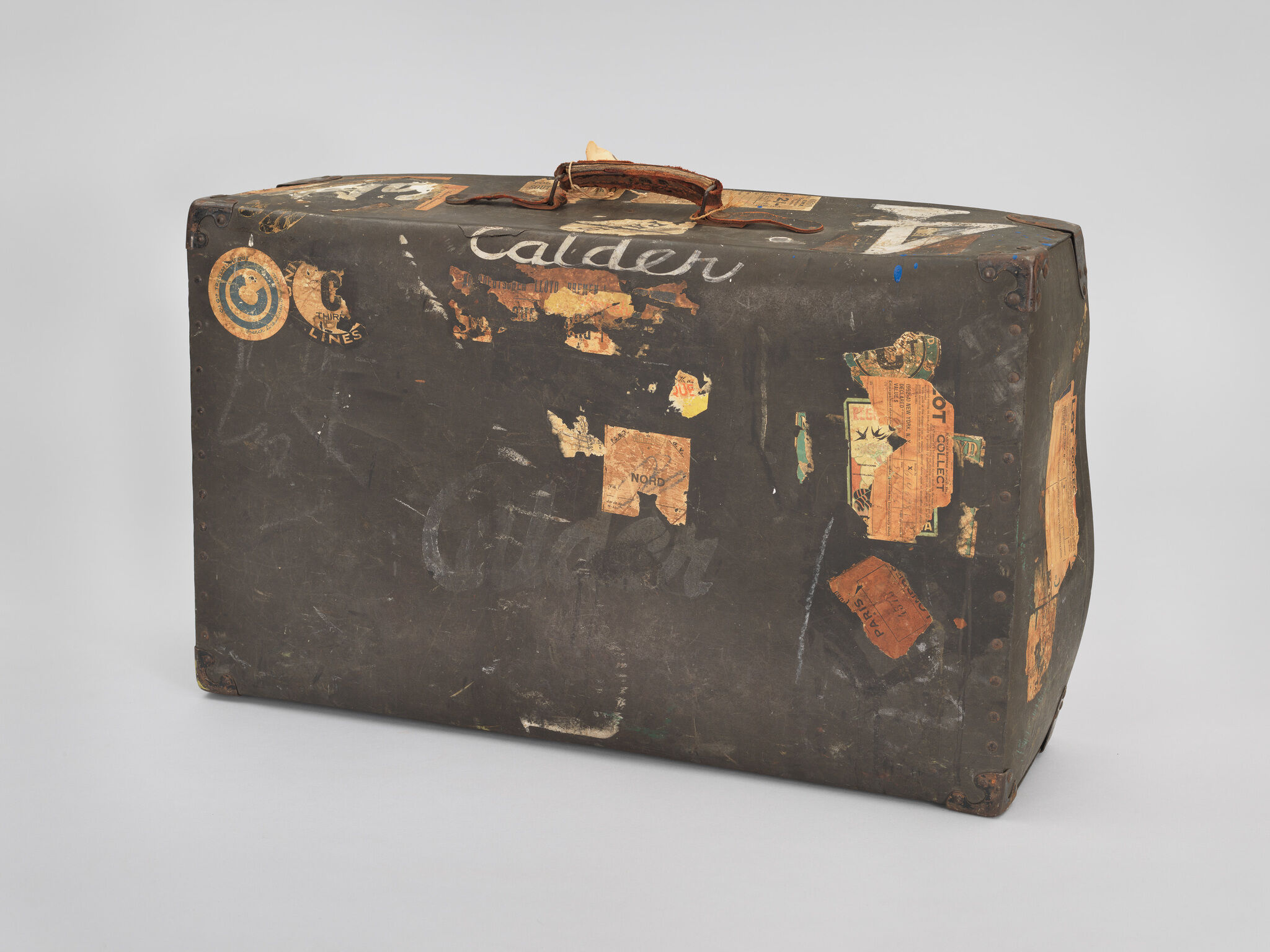
Installation view of High Wire: Calder’s Circus at 100 (Whitney Museum of American Art, New York, October 18, 2025–March 2026). From top to bottom: Alexander Calder, Acrobats, c. 1927; In vitrine, from left to right: André Kertész, Calder with the Circus, Paris, 1929; Thomas Bouchard, Calder with the Circus, c. 1931; Fred Hamilton, Calder performing the Circus, New York, c. 1942; Brassaï, Spear Thrower and Cowboy acts from Calder’s Circus, Paris, c. 1931; Fred Hamilton, Calder performing the Circus, New York, c. 1942; Fred Hamilton, Louisa Calder with the Circus, New York, c. 1942; Suitcases for Calder’s Circus at Galerie Maeght, Paris, c. 1953; Rufus Stillman, Calder with the Circus, Roxbury, Connecticut, 1953. © 2026 Calder Foundation, New York / Artists Rights Society (ARS), New York. Photograph by Ron Amstutz
-
Installation view of High Wire: Calder’s Circus at 100 (Whitney Museum of American Art, New York, October 18, 2025–March 2026). From top to bottom: Alexander Calder, Acrobats, c. 1927; In vitrine, from left to right: André Kertész, Calder with the Circus, Paris, 1929; Thomas Bouchard, Calder with the Circus, c. 1931; Fred Hamilton, Calder performing the Circus, New York, c. 1942; Brassaï, Spear Thrower and Cowboy acts from Calder’s Circus, Paris, c. 1931; Fred Hamilton, Calder performing the Circus, New York, c. 1942; Fred Hamilton, Louisa Calder with the Circus, New York, c. 1942; Suitcases for Calder’s Circus at Galerie Maeght, Paris, c. 1953; Rufus Stillman, Calder with the Circus, Roxbury, Connecticut, 1953. © 2026 Calder Foundation, New York / Artists Rights Society (ARS), New York. Photograph by Ron Amstutz