Working Together: The Photographers of the Kamoinge Workshop
2020
“There’s certain little entities in an image that say something beyond the image. And usually that comes from the photographer and their sense and their doing certain things through the years, their growth.” —Anthony Barboza
Hear from the artists in the exhibition.
-
800
Introduction
Audio -
801
Herb Robinson, Miles Davis at the Vanguard, 1961
Audio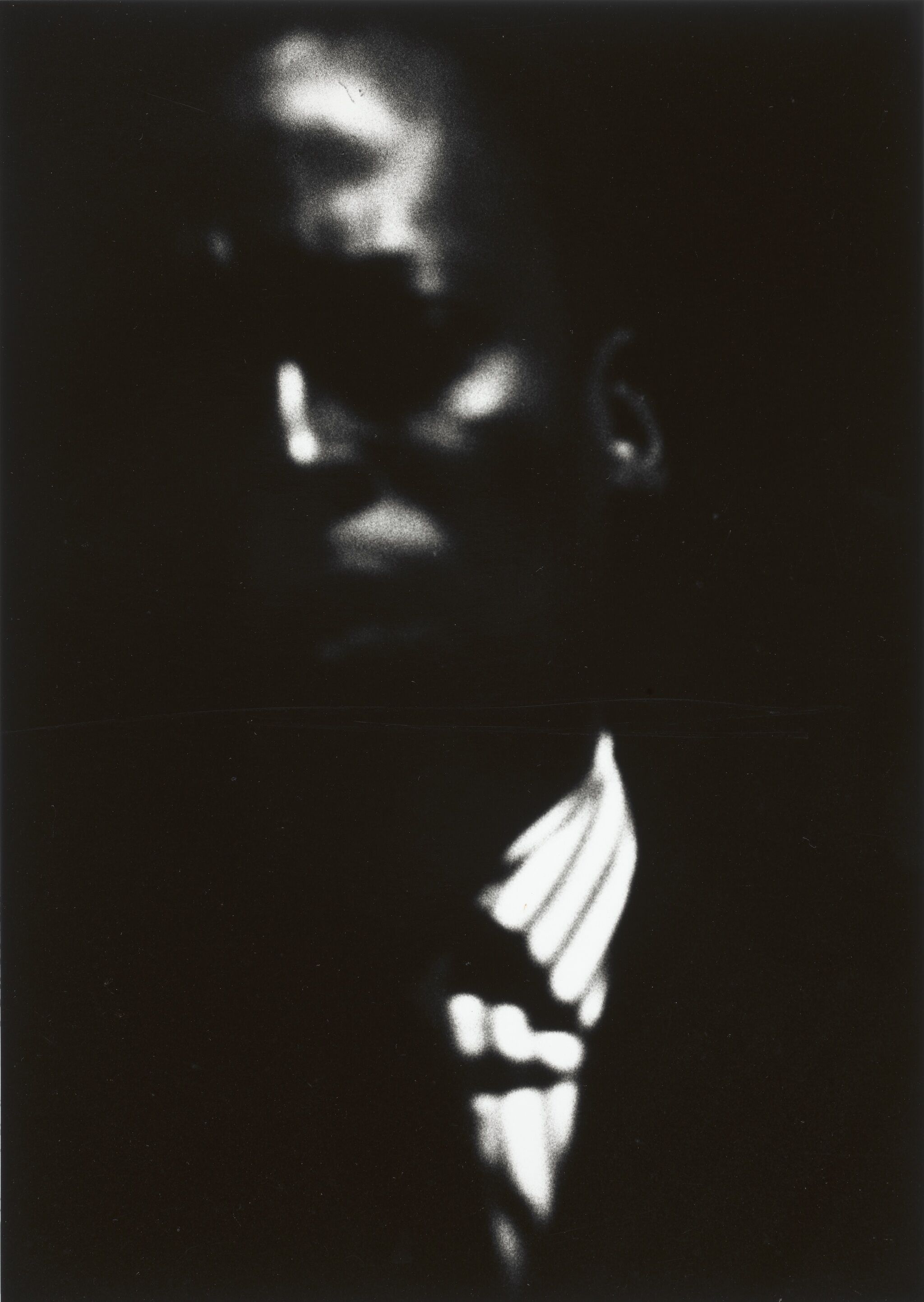
-
802
Ming Smith, Sun Ra space I, New York City, NY, 1978
Audio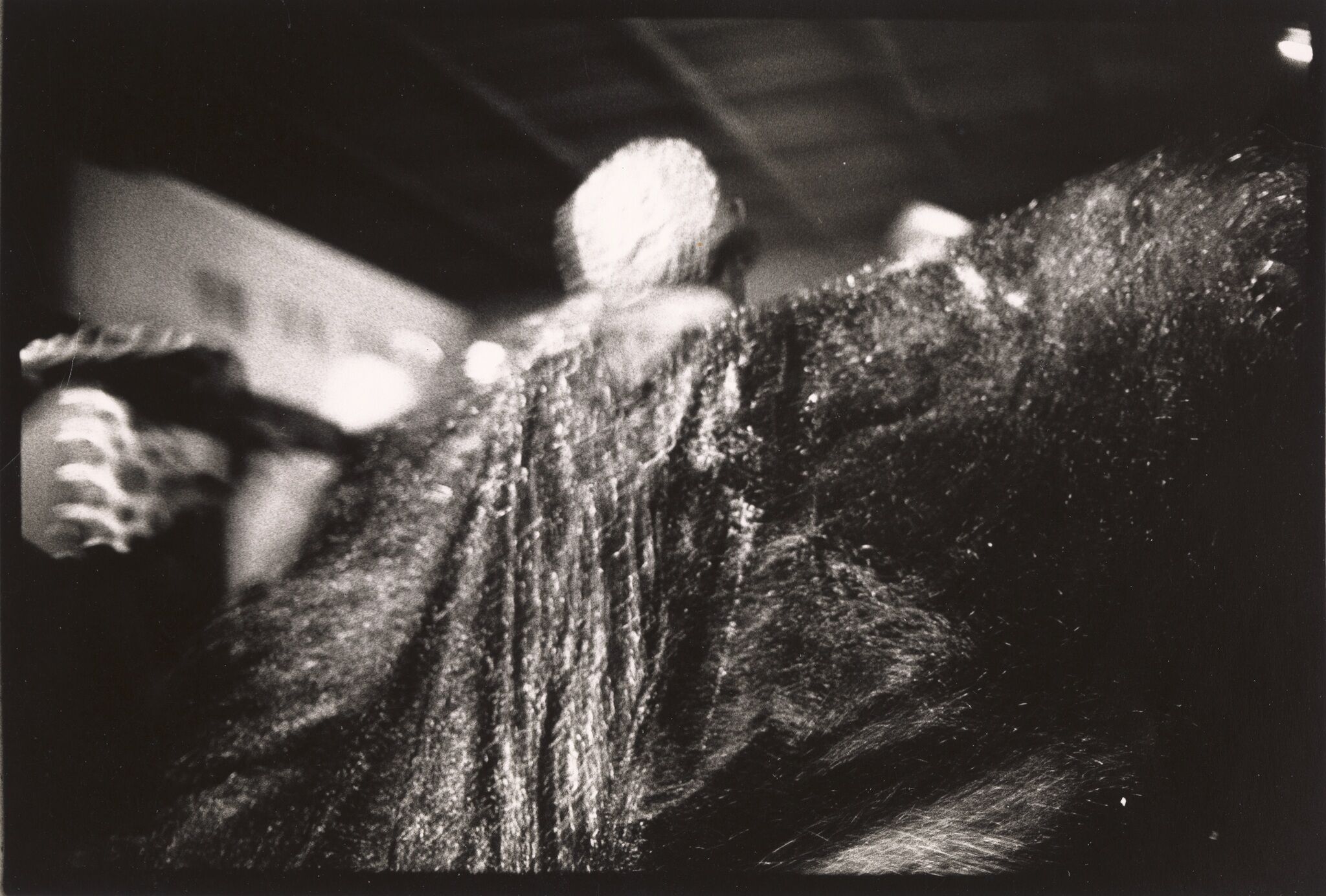
-
803
Beuford Smith, Two Bass Hit, Lower East Side, 1972
Audio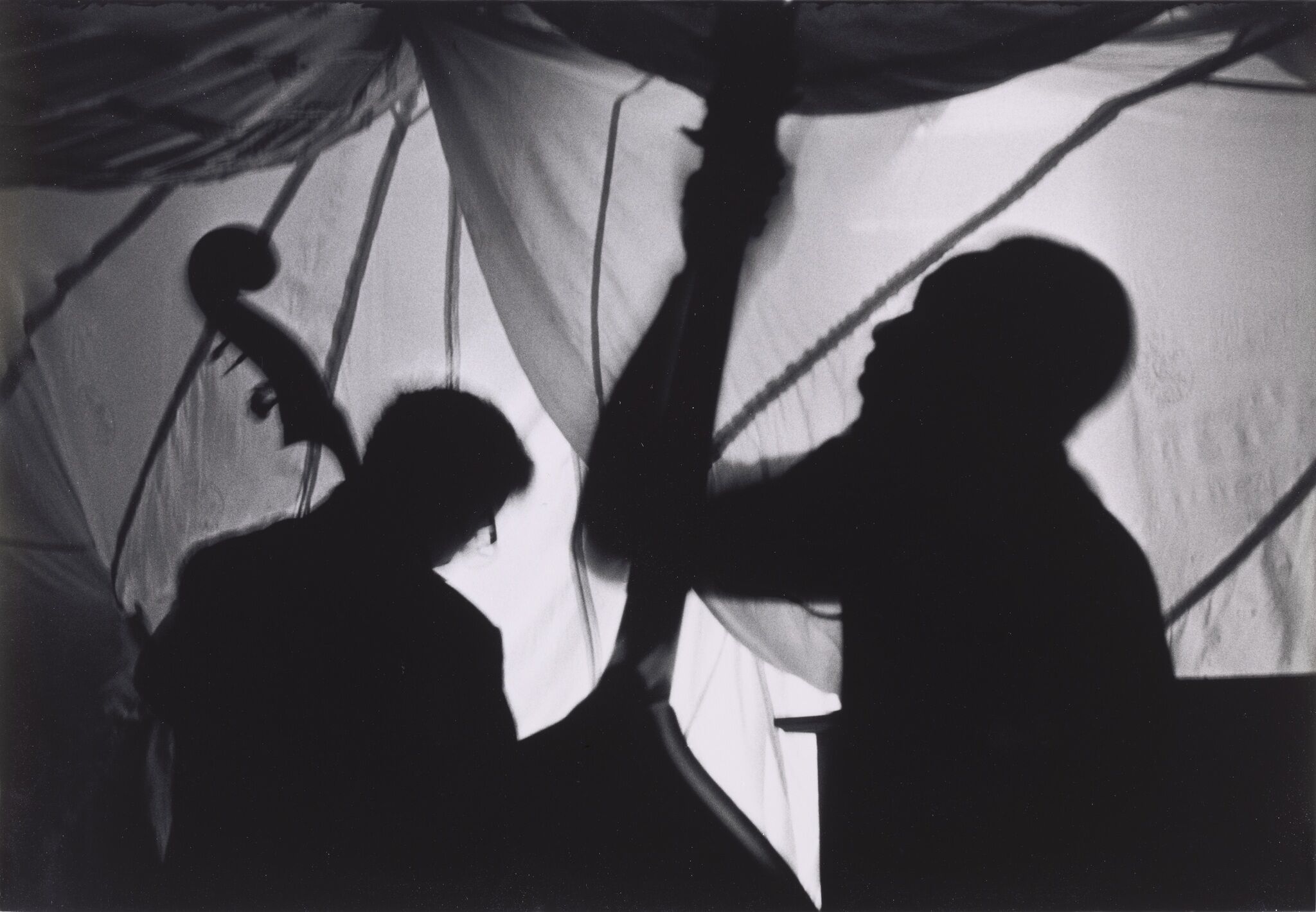
-
804
Herbert Randall, Untitled (Lower East Side, NY), c. 1960
Audio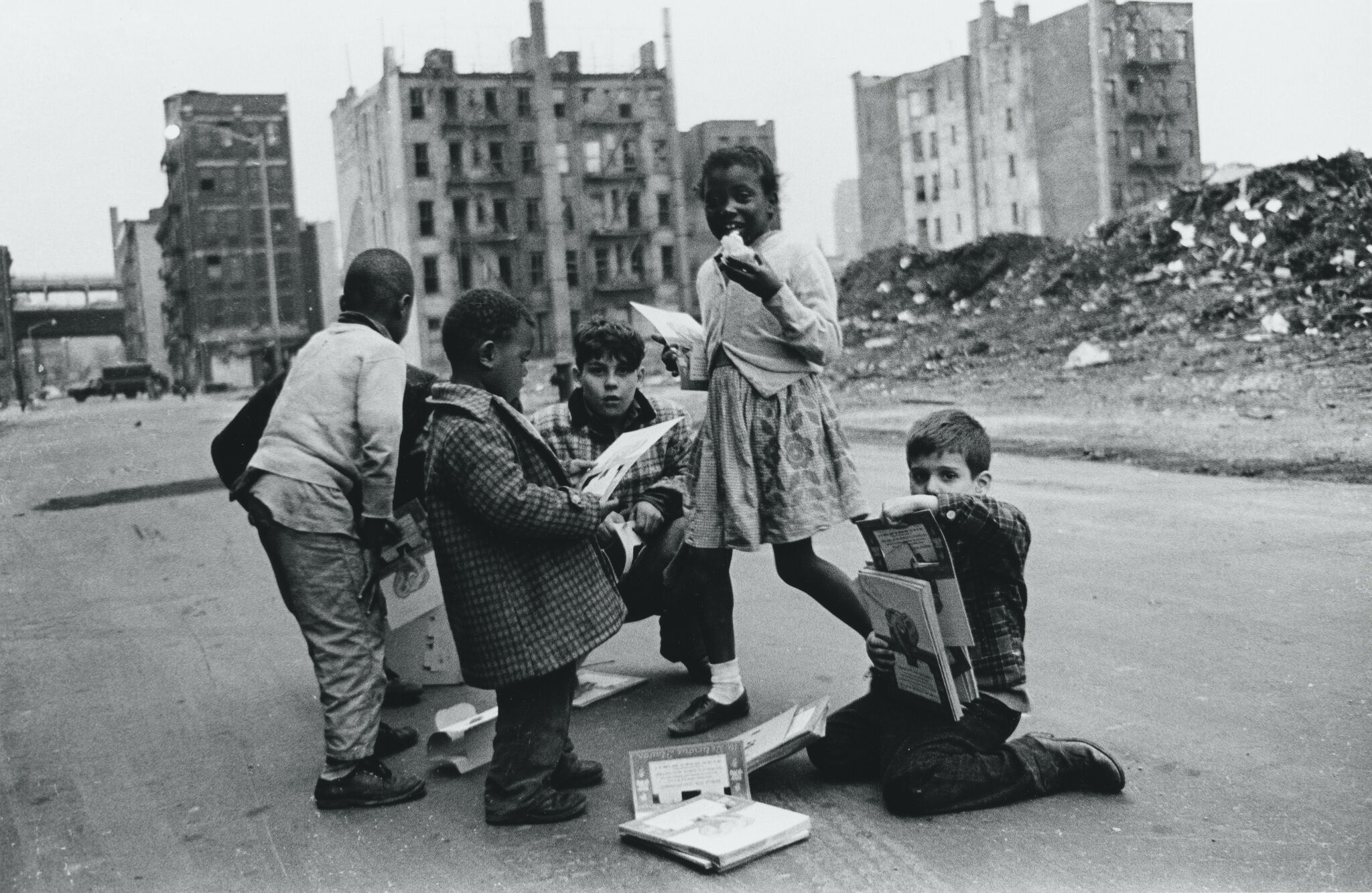
-
805
Anthony Barboza, Grace Jones, c. 1970
Audio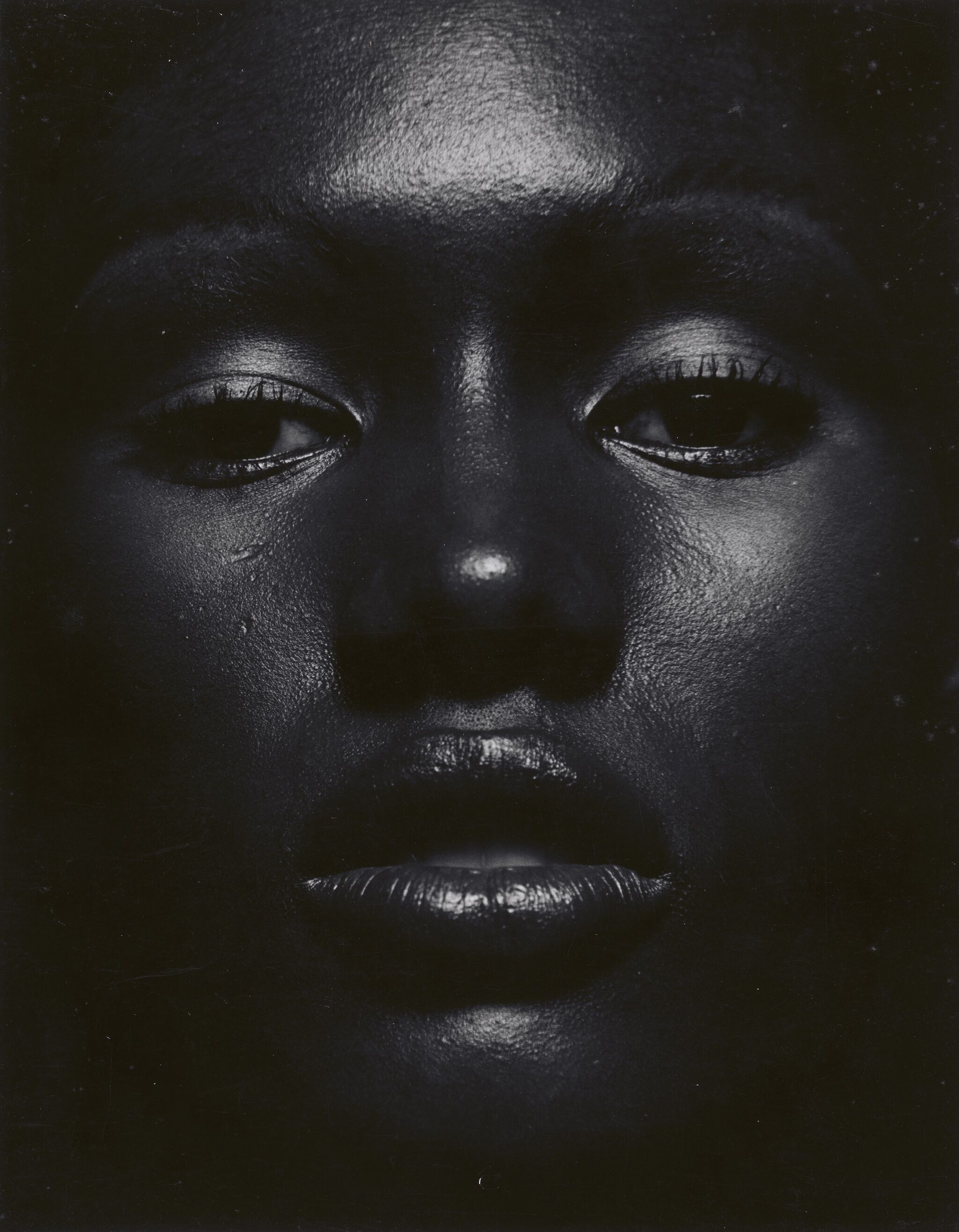
-
806
Herb Robinson, Faces, 1969
Audio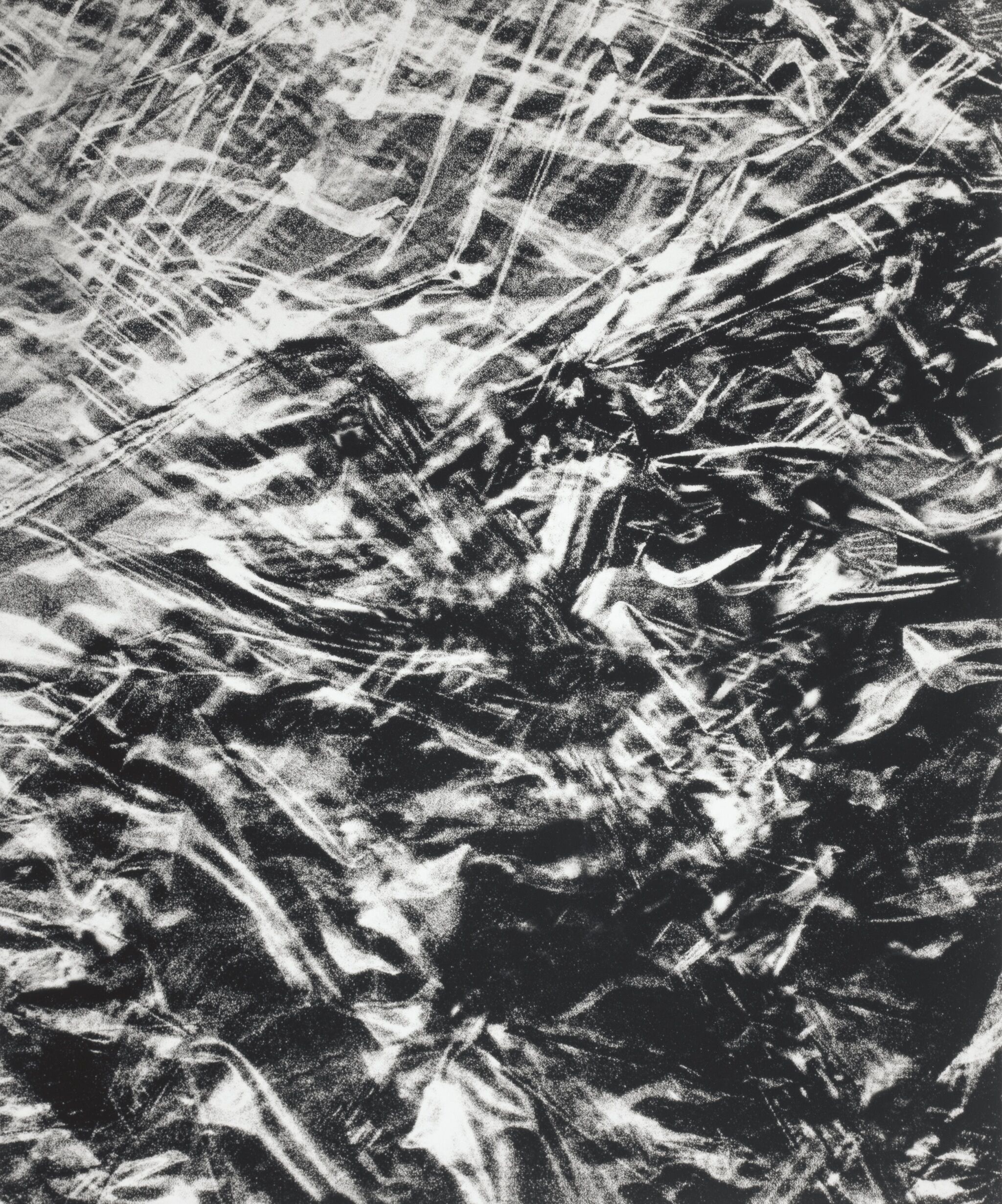
-
807
Al Fennar, Out of the Dark/Bowery, 1967
Audio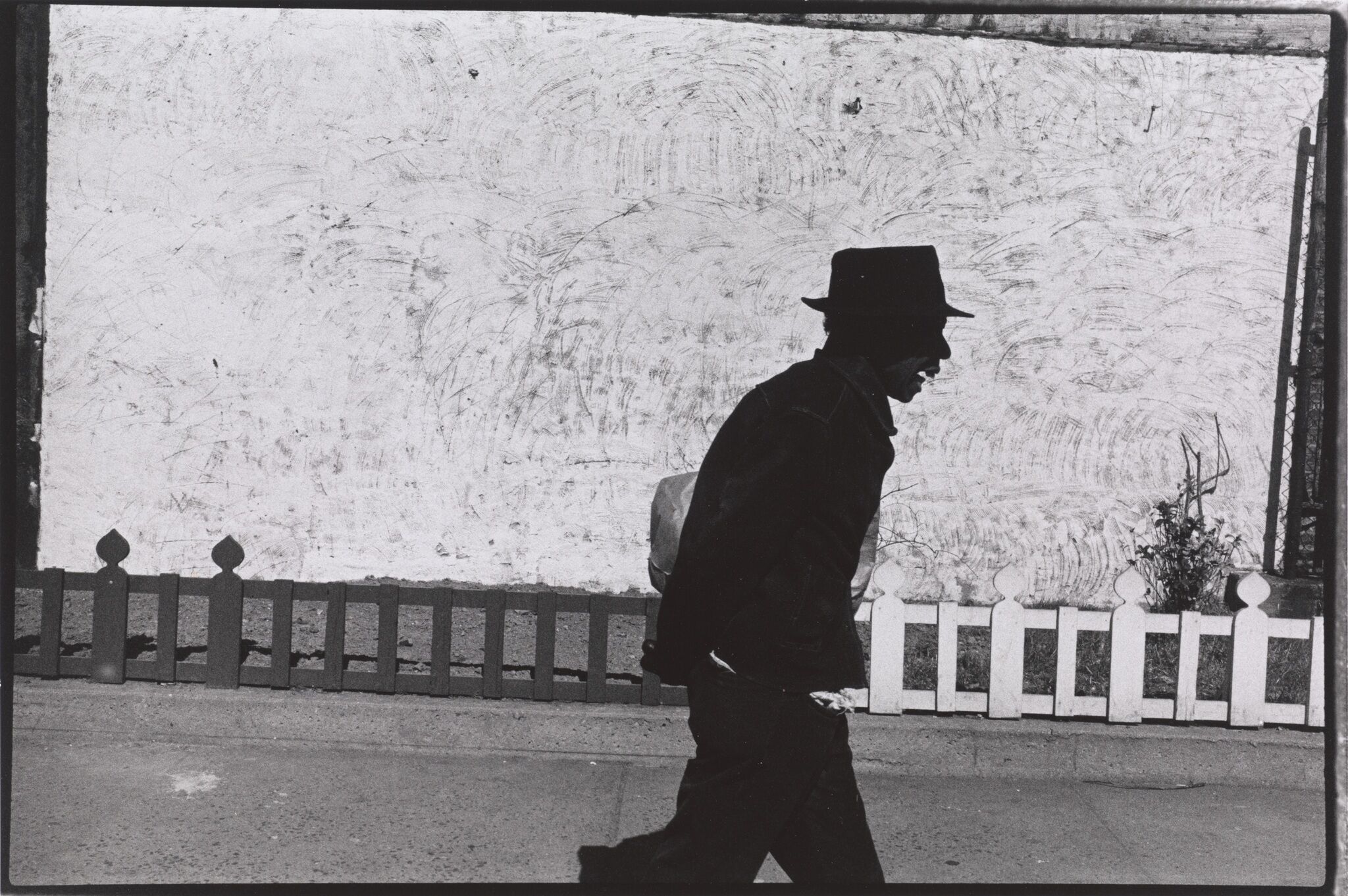
-
808
C. Daniel Dawson, Backscape #1, 1967
Audio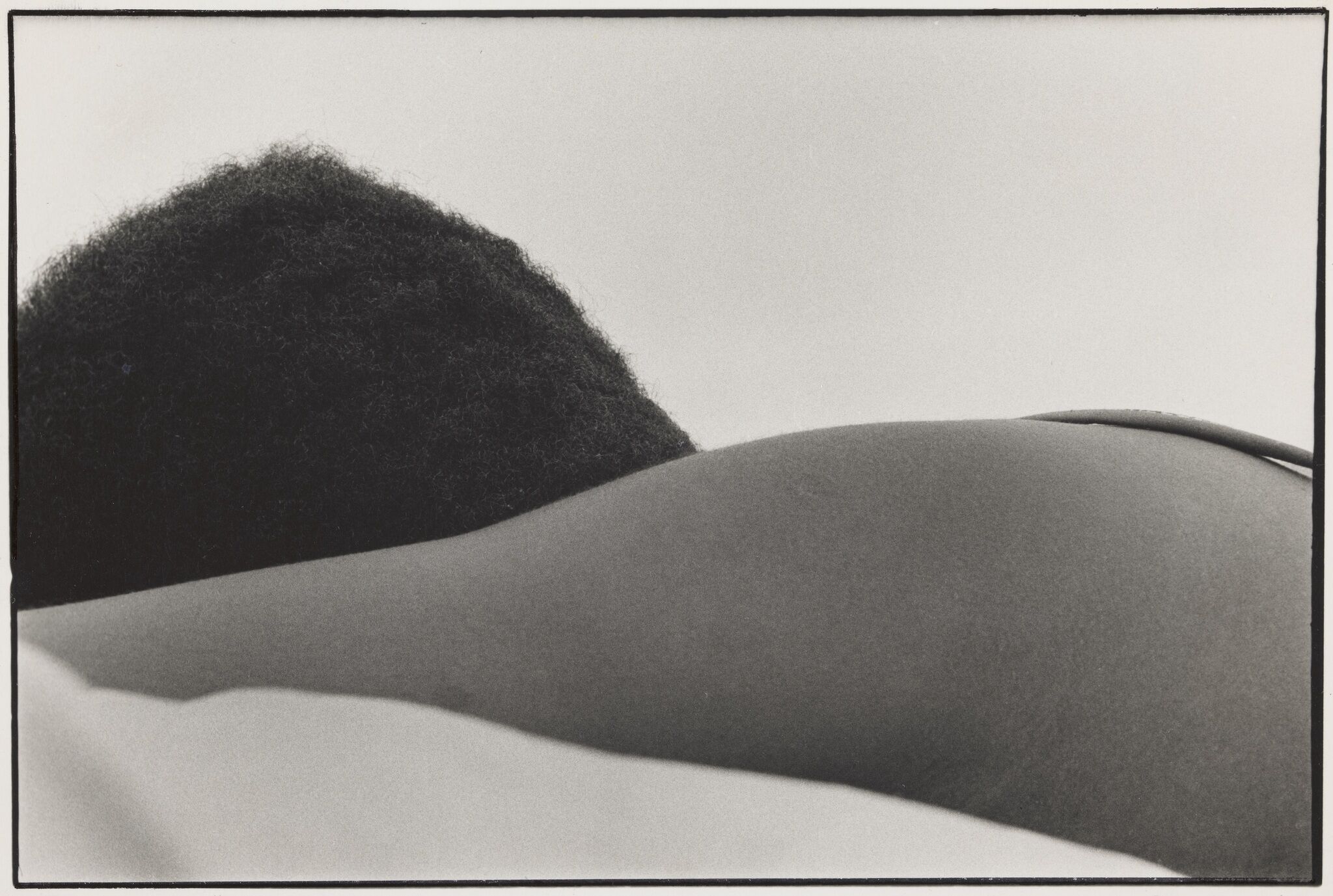
-
809
Jimmie Mannas, No Way Out, Harlem, NYC, 1964
Audio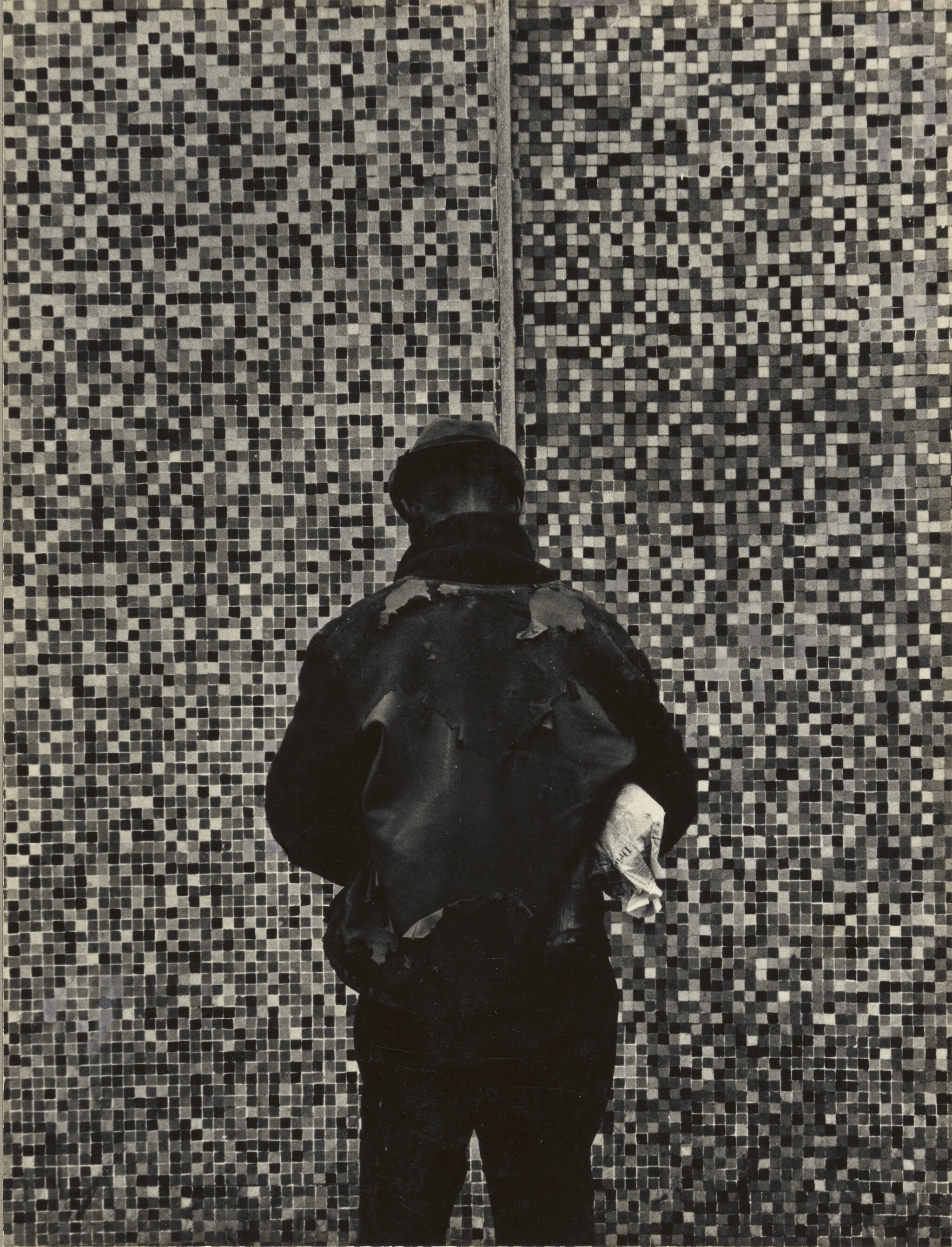
-
810
C. Daniel Dawson, Olaifa and Egypt, 1978
Audio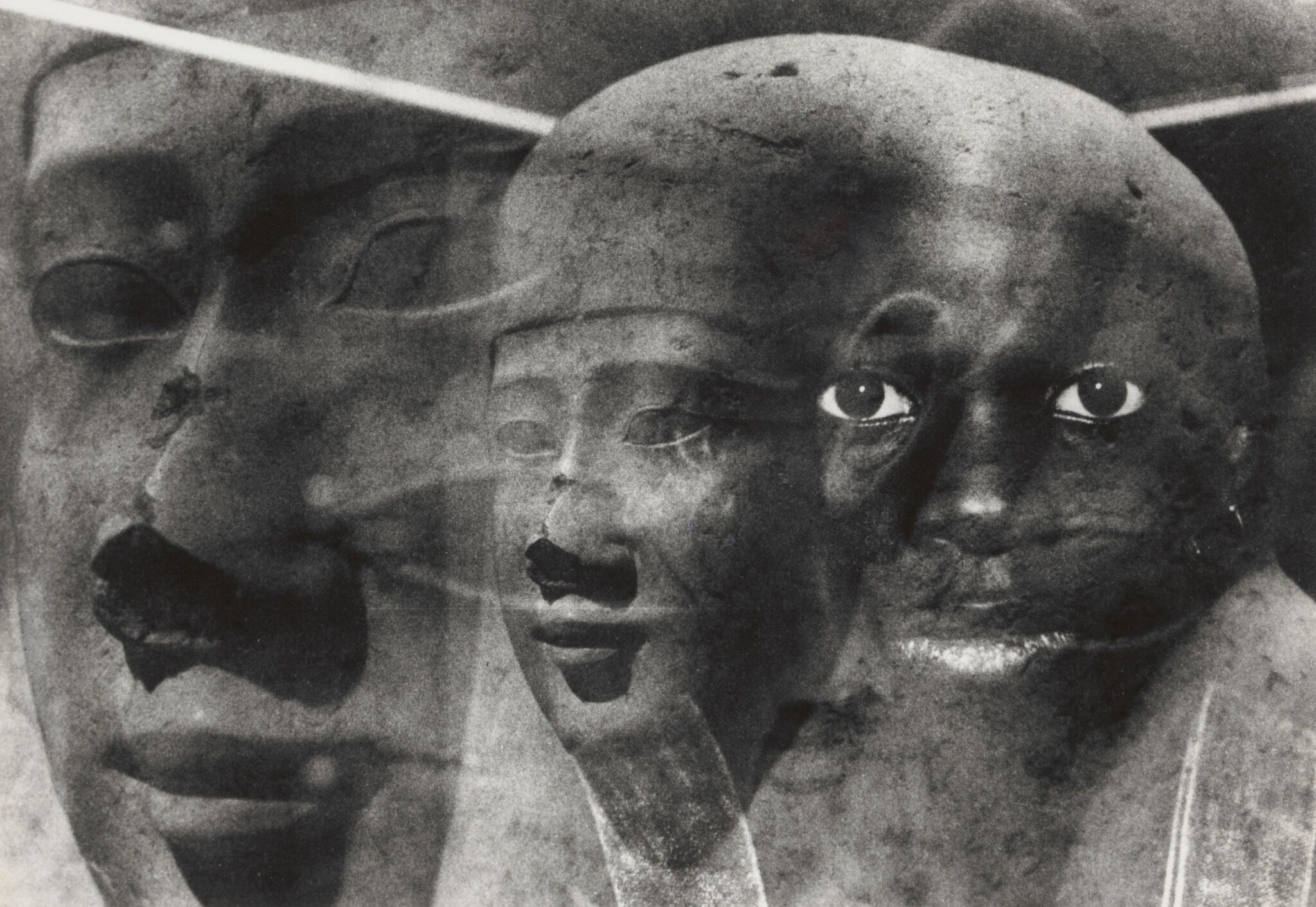
-
811
Ming Smith, Onlookers, Isle de Gorée, Senegal, c. 1972
Audio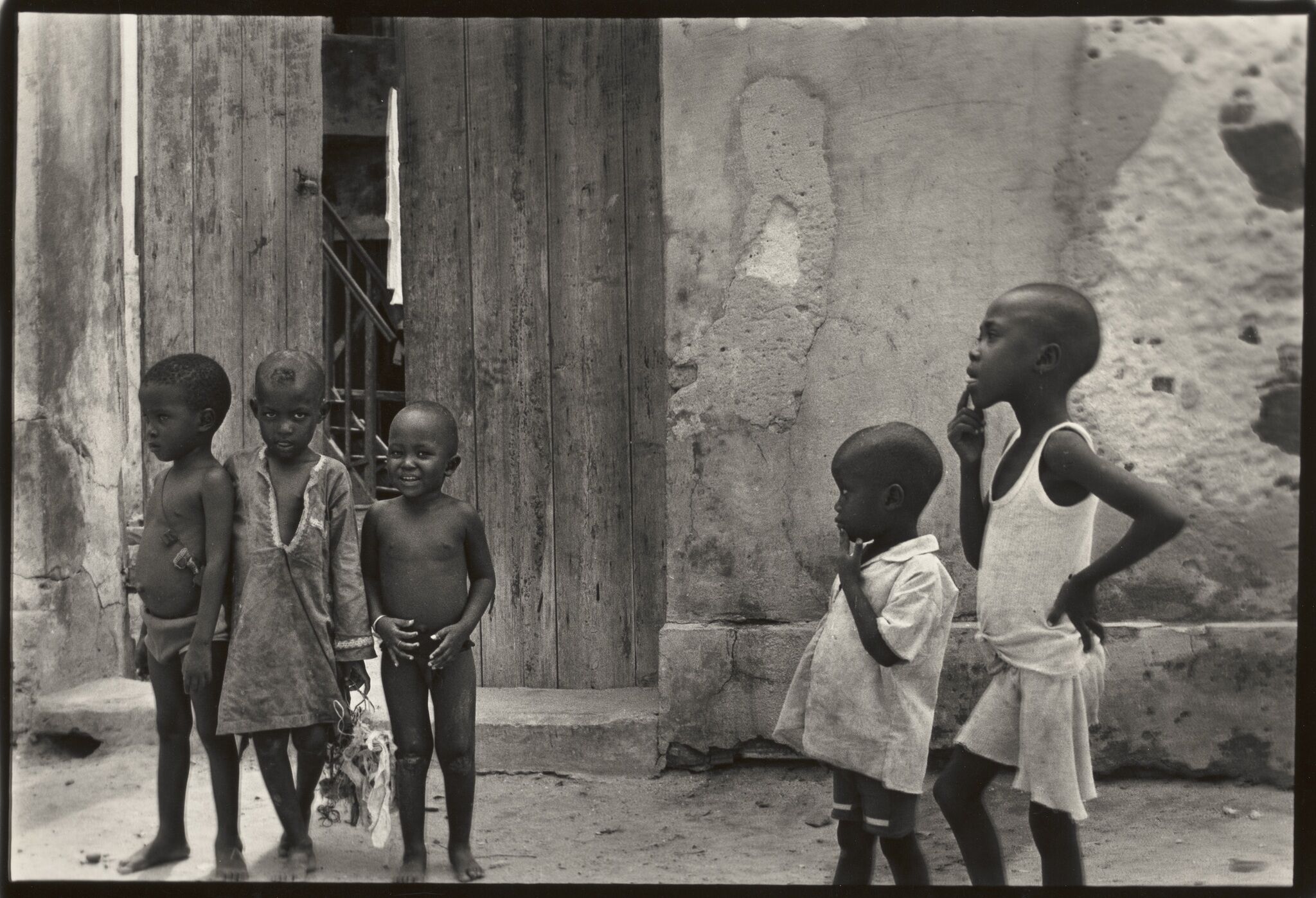
-
812
Shawn Walker, Women in the Field, Cuba, 1968
Audio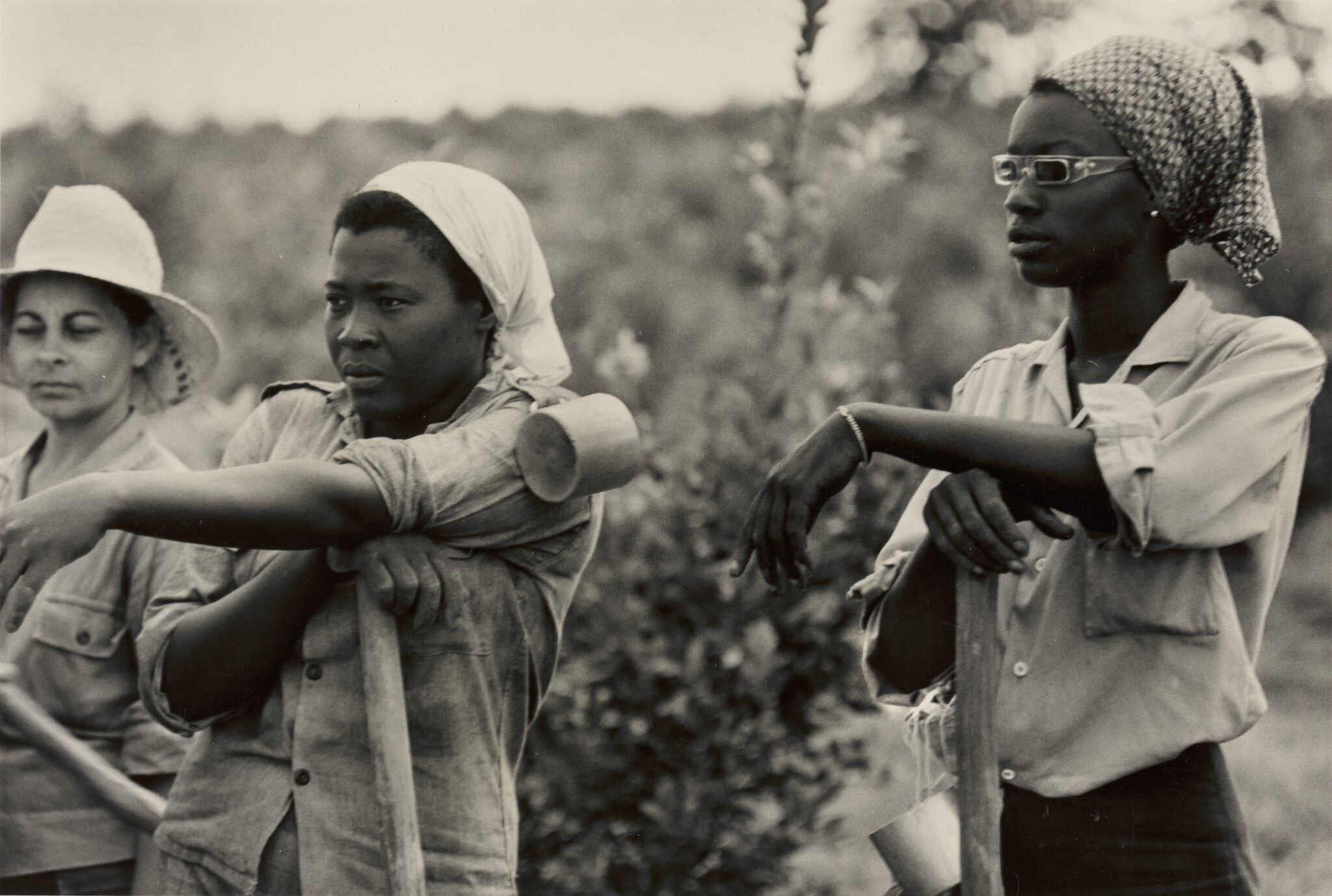
-
813
Jimmie Mannas, Peeping Seawall Beach Boy-Sea Wall, Georgetown, Guyana, 1972
Audio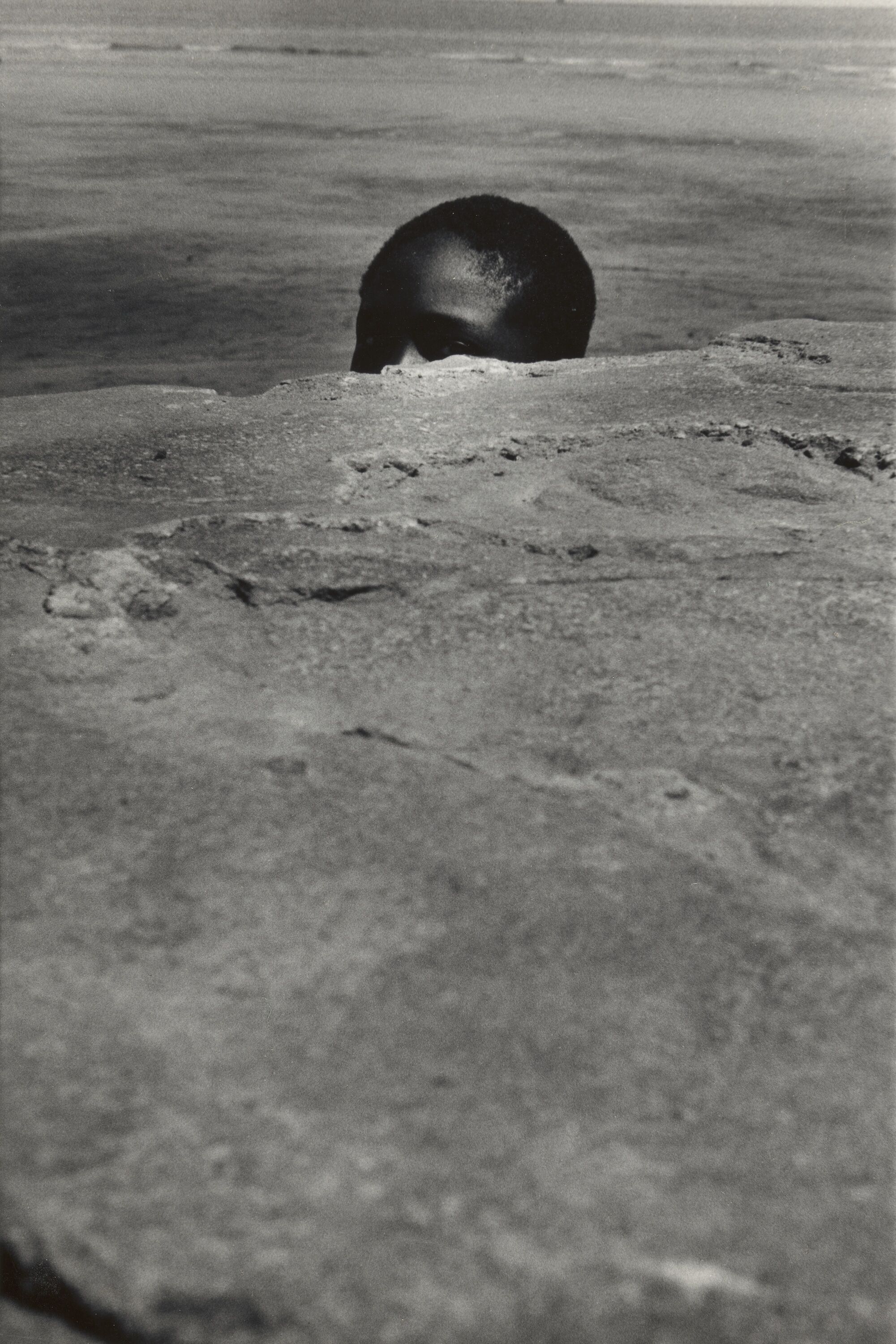
-
814
Adger Cowans, Malcolm Speaks, c. 1960-65
Audio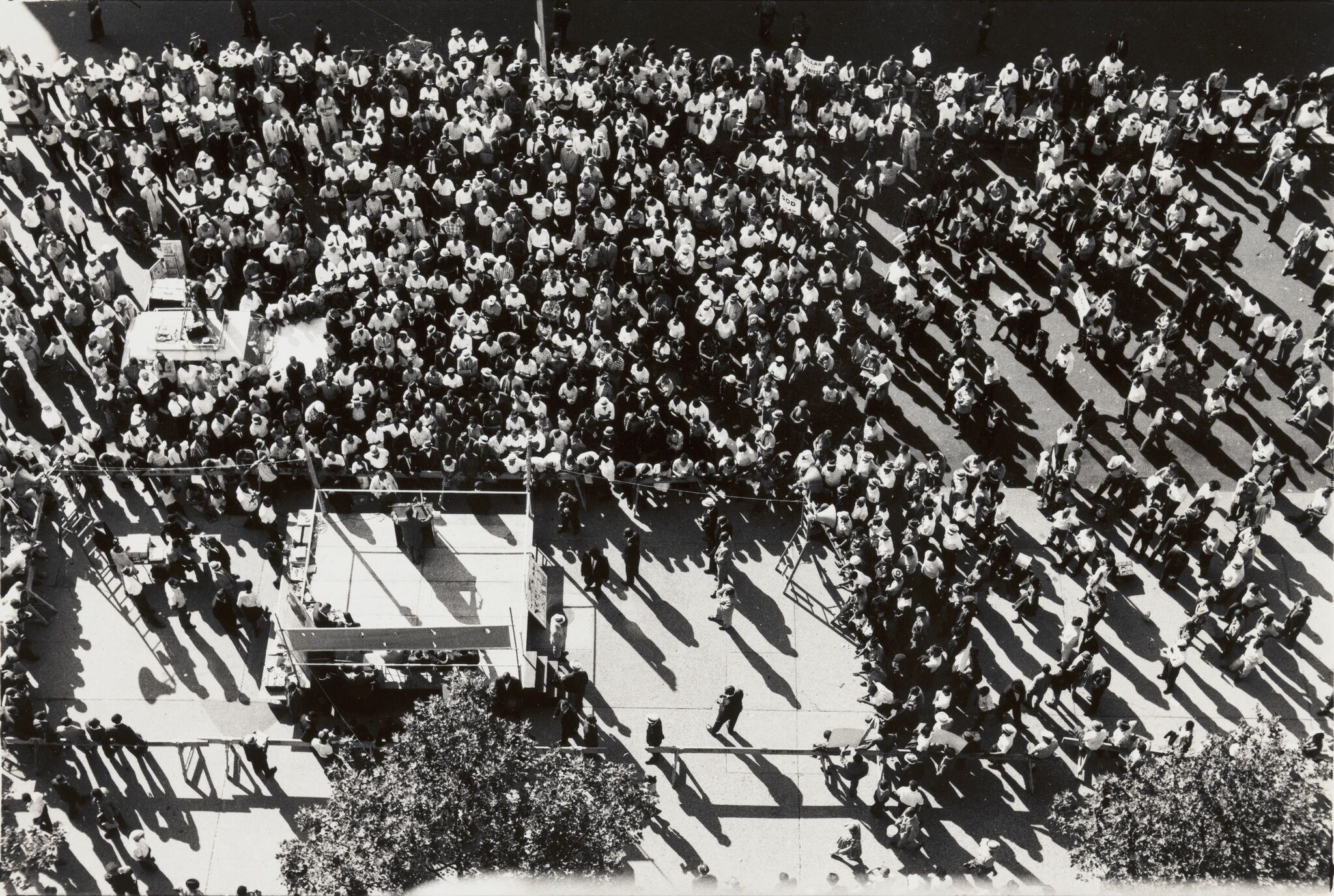
-
815
Herbert Randall, Untitled (Hattiesburg, Mississippi, Freedom Summer), 1964
Audio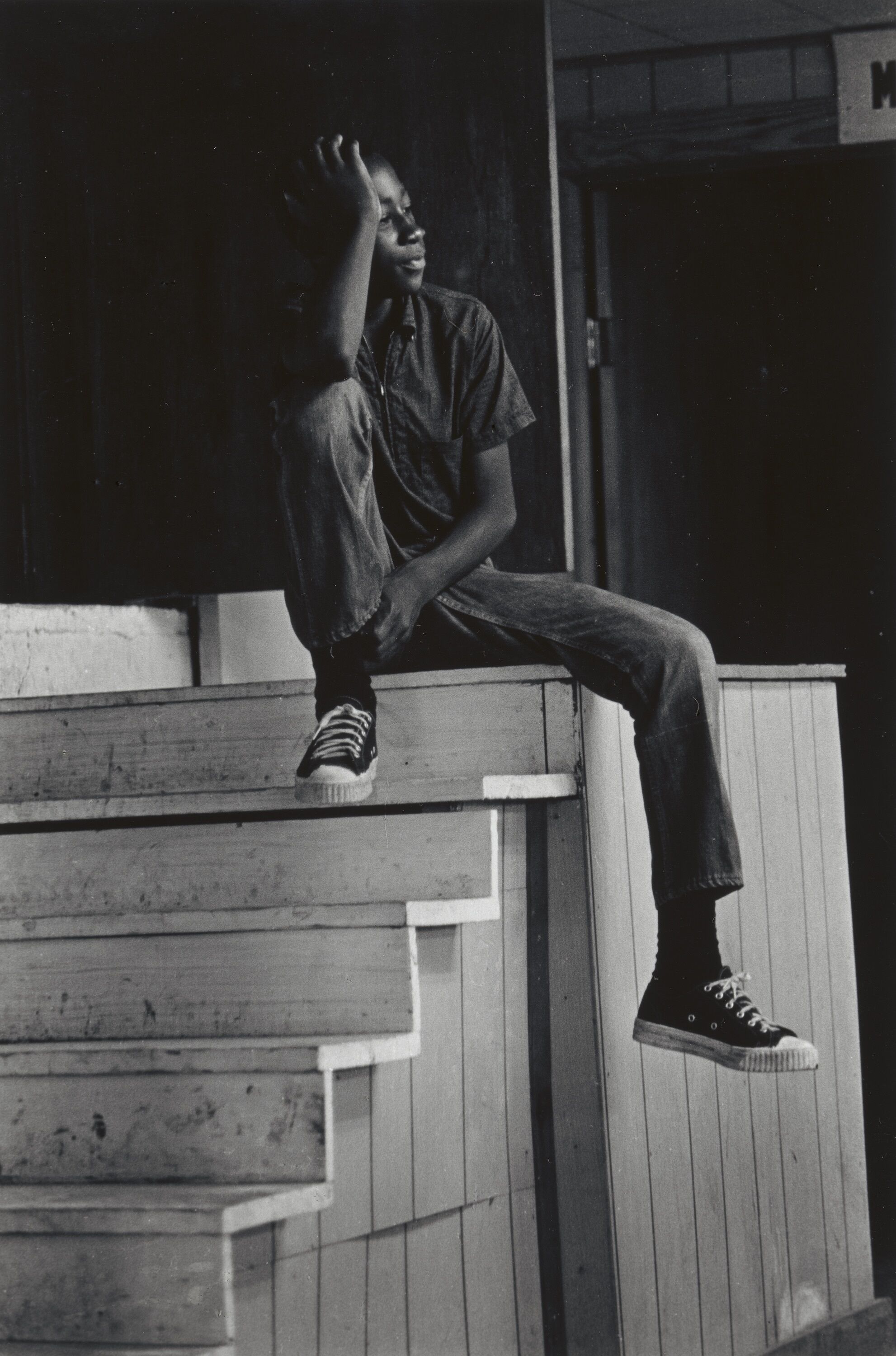
-
816
Beuford Smith, Man Crying, (MLK Essay), 1968
Audio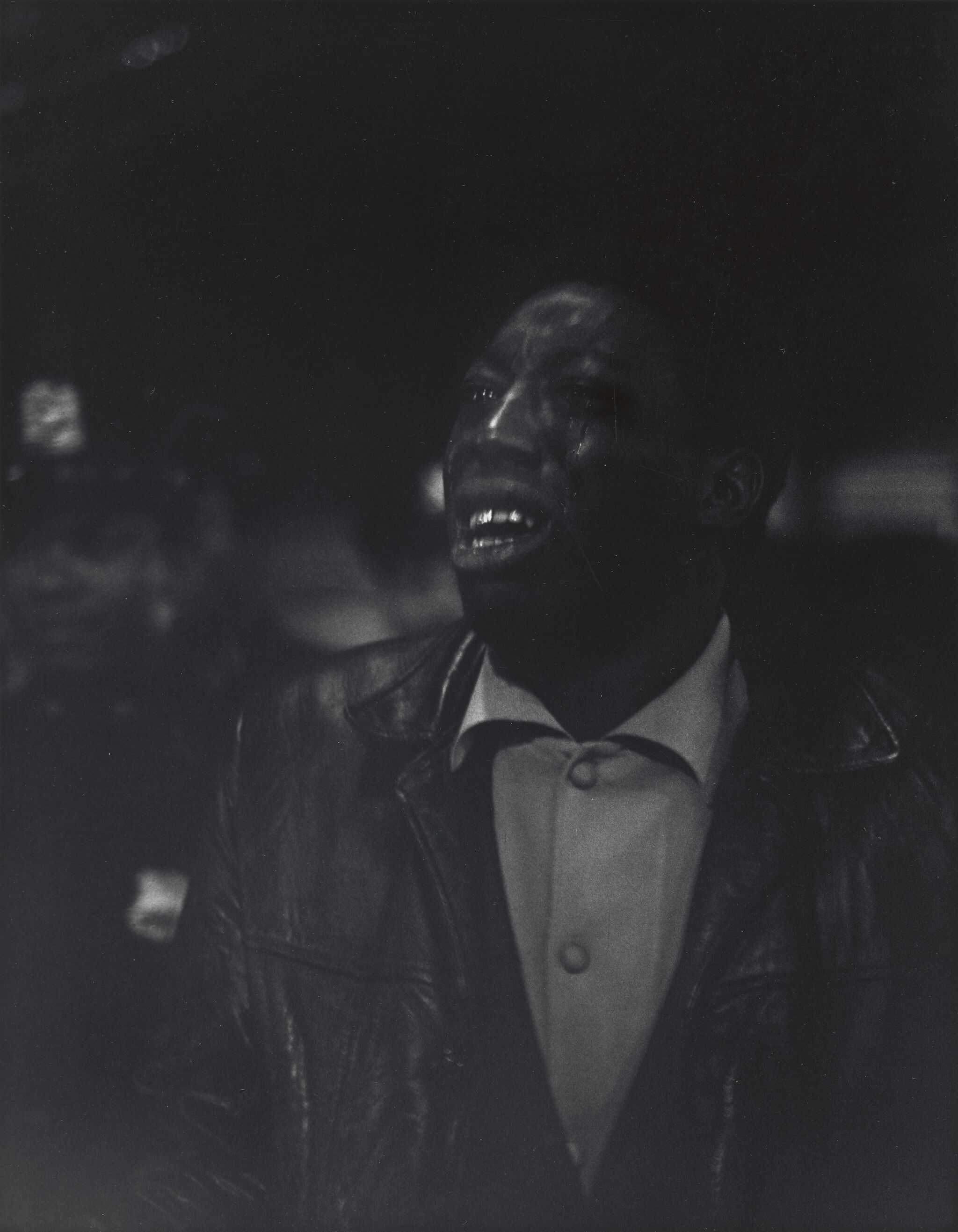
-
817
C. Daniel Dawson, Gibson's Victory, 1970
Audio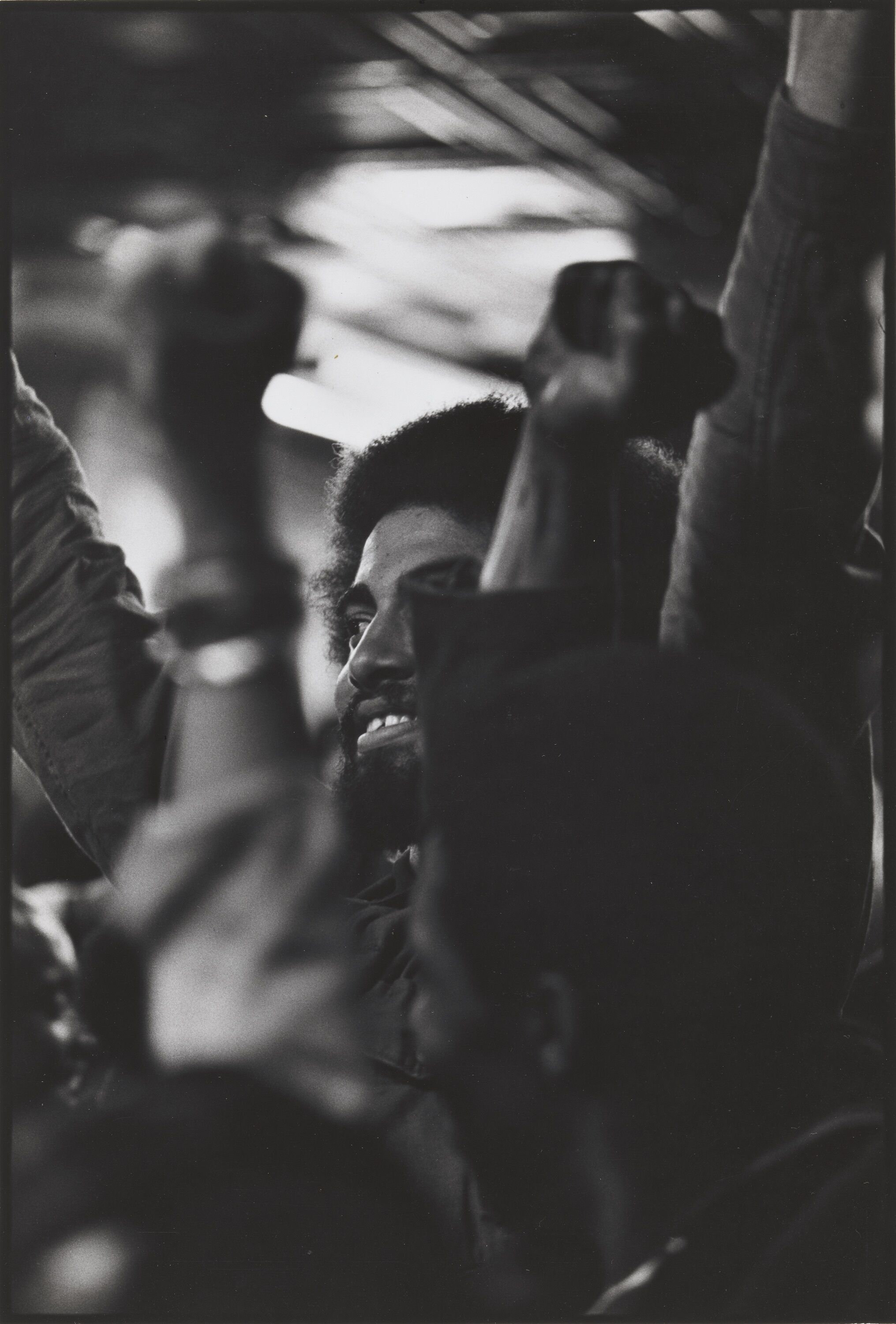
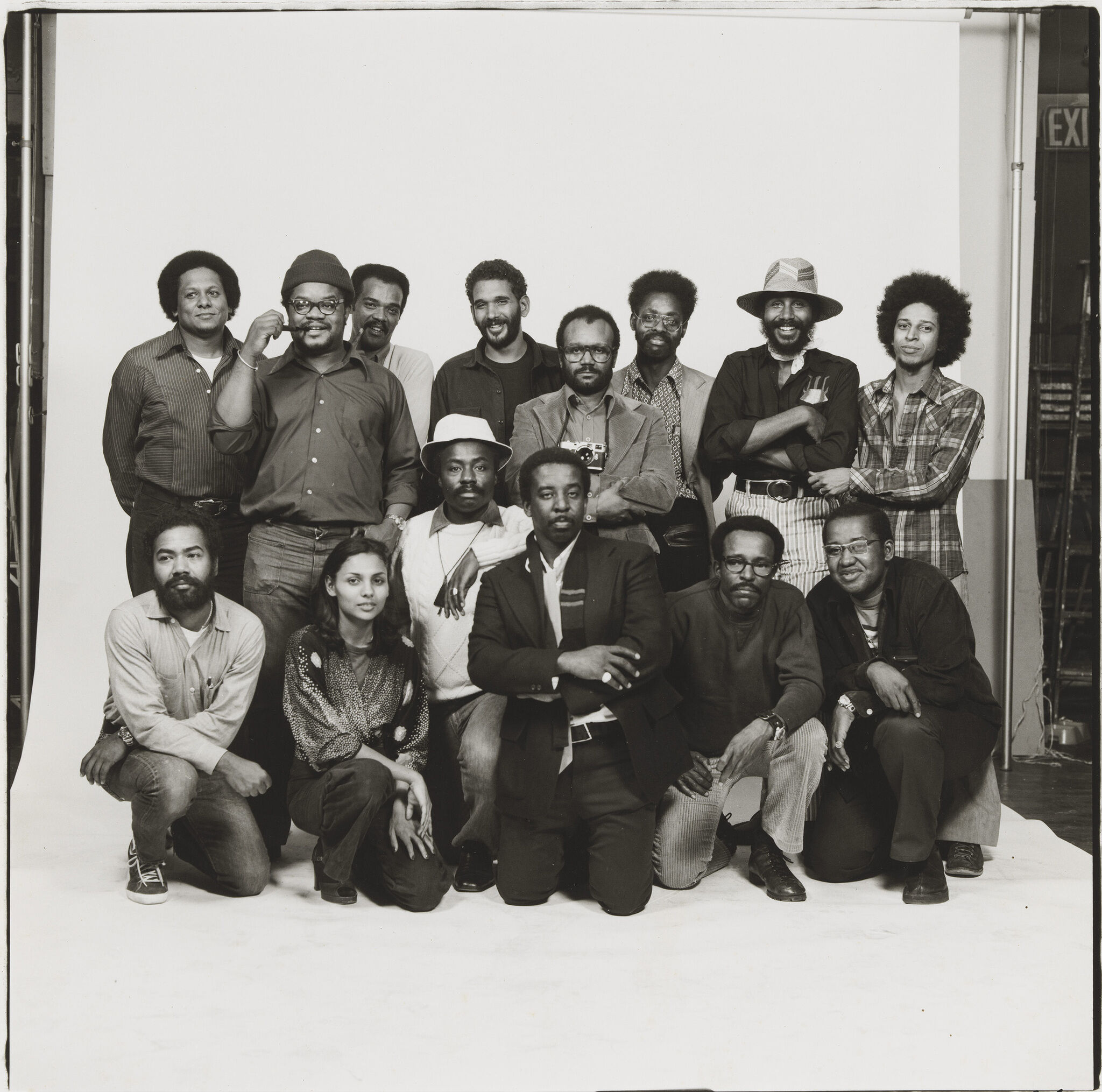
Narrator: Welcome to Working Together: The Photographers of the Kamoinge Workshop. The Kamoinge Workshop was a group of Black artists based in New York who came together in 1963 in the spirit of friendship and exchange. Each member was dedicated to the idea of photography as an art form. The exhibition focuses on the first two decades of the collective and features the work of fourteen artists, who joined the Workshop in its formative years and consistently remained central to the group and its dialogue. This audio guide includes the voices of the nine artists who are still with us today, as well as one family member.
The Kamoinge Workshop shared a commitment to portray aspects of Black American life that the mainstream media ignored, and a desire to create exhibition and publication opportunities for Black photographers. But as you’ll hear in the interviews that follow, they took a richly varied range of approaches to their material and their art. Please enjoy the exhibition.
Herb Robinson: I snuck in, and Miles was just coming off the bandstand.
Narrator: Herb Robinson describes his encounter with Miles Davis at the Village Vanguard.
Herb Robinson: Miles was just leaving the bandstand and on the way back to the kitchen or kitchenette. And I followed him, so I was right on his heels, practically. This is all instinct, you know, even though it was 1961, even then I was intimidated because Miles was a giant, but also Miles was a boxer. So here I’m a kid shadowing him.
There was one light in the hallway and there was no shade on the bulb. And Miles turned, you know, felt somebody literally on his heels, he turned and as he turned then—instinct, I didn’t set it up. It was improvisational where I clicked the shutter.
Narrator: The photograph abstracts Davis, capturing a feeling of the musician rather than replicating his features. For Robinson, this distinction is important—part of why the image is art, and not journalism. He took the picture before joining Kamoinge. He’s said it’s one of the photographs that led to his acceptance into the group, which had dauntingly high standards for membership.
Herb Robinson, Miles Davis at the Vanguard, 1961. Gelatin silver print: sheet, 19 7/8 × 6 1/8 in. (50.5 × 15.6 cm); image, 13 7/8 × 9 13/16in. (35.2 × 24.9 cm); frame, 24 × 20in. (61 × 50.8 cm). Virginia Museum of Fine Arts, Richmond; Arthur and Margaret Glasgow Endowment. © Herb Robinson
Ming Smith: Sun Ra was a visionary as well, a musician, he did some films. And he was an original.
Narrator: Sun Ra was also a kind of cosmic philosopher, always imagining his art in an intergalactic context. In this photograph, Ming Smith expresses his ideas as much as his music.
Ming Smith: And I just think this is pure energy, when we’re all energy. And moving constantly, the earth rotates around the sun at 67,000 miles per hour, nothing is staying the same. The world, constellations, everything is constantly moving even when we sleep. So, the shimmering light and movement in this photo represent “space is the place.”
You know there’s no flash when people are performing. That was a no-no then, and the cameras are a lot different now. I mean, it wasn’t digital. So you didn’t even know until you processed the film if your image was going to come out or not because it might have been too blurry, you can’t make out what it is. So in order to capture the image that you see, you use circular breathing.
Narrator: Circular breathing is a technique used to sustain a single note on a brass or woodwind instrument.
Ming Smith: It’s like holding your breath without movement to keep the camera still. Sometimes it could be up to a minute.
Ming Smith, Sun Ra space I, New York City, NY, c. 1978. Gelatin silver print: sheet, 8 × 10 in. (20.3 × 25.4 cm); image: 5 15/16 × 8 3/4 in. (15.1 × 22.2 cm); frame, 20 × 16 in. (50.8 × 40.6 cm). Virginia Museum of Fine Arts, Richmond; Adolph D. and Wilkins C. Williams Fund. © Ming Smith
Beuford Smith: I couldn’t have staged this any better than this, a profile of a Black musician.
Narrator: Beuford Smith.
Beuford Smith: Then there’s the white bass player there. So there’s the integration of the music and two bass players. So I call it Two Bass Hit, named after one of Dizzy Gillespie’s tunes, "Two Bass Hit." That’s one of my favorite photographs. I love that picture. And I can hear and feel the music.
Narrator: The photograph came together very spontaneously. Smith had gone into a club called The Cave, which had parachutes hanging from the ceiling. He bought a bottle of beer, and sat down to listen.
Beuford Smith: No one was in the club. Maybe two or three people sitting in there. That was it. I’ve always been very fortunate, when I go to jazz clubs, I’ve always lucked out that I can always get a good shot that I consider a good shot. There might have been two or three people in that club. It’s one of those clubs that during that time they just had tea or something. And that was it. I don't think I had to pay to get in. No, it was that kind of place.
Herb Randall: I was interested in this particular street on the lower part of the photograph. Because I had taken a series of photographs on that street.
Narrator: Like the other Kamoinge photographers, Herb Randall thought of his project as being art, not journalism. But often the works involved an element of social commentary anyway.
Herb Randall: And just the devastation from the—they were just tearing this whole area down, and I'm sure to build something “wonderful” in its place. But the children, I don't know where they came from because there was really no place to live, so they must've came from a couple of blocks away or whatever to come to this street.
What I found, I guess, in retrospect is, what the hell are these kids doing...this is their playground? This is education?
I would rather people have a choice. You know, if you want to play in the gutter, then play in the gutter. This is their playground. They had no choice, in a sense. That bothers me. You have to play in crap? No human being needs to do that.
Herbert Randall, Untitled (Lower East Side, NY), c. 1960. Gelatin silver print: sheet, 10 15/16 × 14 in. (27.8 × 35.6 cm); image, 8 7/8 × 13 1/2 in. (22.5 × 34.3 cm). Whitney Museum of American Art, New York; purchase with funds from the Photography Committee 2020.56. © Herbert Randall
Anthony Barboza: When I started studying the portraiture I found that Irving Penn would put his people in the corner and see how they react.
Narrator: Anthony Barboza took all kinds of photographs, but became especially well known for portraiture. Here, he’s documented a session with the performer Grace Jones.
Anthony Barboza: [Richard] Avedon would try to get the quirky looks out of their expressions. I decided I would just feel them and I would create the background or the lighting right there and then. I was not going to put them in situations like that. You be you and I’ll be me. And we’ll take this photo.
There’s certain little entities in an image that says something beyond the image. And usually that comes from the photographer and their sense and their doing certain things through the years, their growth. You’re taking a photograph of how you think and feel. And that comes through in the photograph.
Anthony Barboza, Grace Jones, c. 1970. Gelatin silver print: sheet, 14 × 10 15/16 in. (35.6 × 27.8 cm); image, 13 5/8 × 10 5/8 in. (34.6 × 27 cm); frame: 20 × 16 in. (50.8 × 40.6 cm). Virginia Museum of Fine Arts, Richmond; National Endowment for the Arts Fund for American Art. © Anthony Barboza
Herb Robinson: Embedded in that photograph is my nose and my mouth and my eyes. Now that, I shot in the mirror where it was a self-portrait.
Narrator: Robinson’s day job was in advertising. This photograph is a work of art, but he produced it by adapting the tools that he used for his commercial work.
Herb Robinson: Then what I did is I printed that image, in my dark room, and then put that on top of a glass pane, and it became a shelf because I'm shooting, like I used to shoot a lot of jewelry with a view camera, straight down. Then using mylar materials because still-lifers, they use every material under the sun: fabric, prisms, every type of material and texture you can name as part of the craft of producing work. Here I’m constructing what I wanted to say.
It’s meant not to be so obvious. You have to look, but you’ll see it. I am a strong Black man, and father. So here again is a statement of our culture, our people, using me as a subject.
Herb Robinson, Faces, 1969. Gelatin silver print: sheet, 19 13/16 × 15 15/16 in. (50.3 × 40.5 cm); image, 12 9/16 × 10 3/8in. (31.9 × 26.4 cm); frame, 24 × 20in. (61 × 50.8 cm). Virginia Museum of Fine Arts, Richmond; Arthur and Margaret Glasgow Endowment and gift of the artist. © Herb Robinson
Miya Fennar: My dad saw this gentleman walking and I guess the shadows were just right from whatever was behind him to hit that fence.
Narrator: Albert Fennar died in 2018. This is his daughter, Miya Fennar.
Miya Fennar: There was very little architecture and it left lots of room for interpretation. You don't know if he's coming, if he's going, but wherever he's going, he's going into the light because the light fence is in front of him. You could take this image and have lots of philosophical discussions on it, for sure.
I also know that this particular photograph, when the Kamoinge used to meet on a monthly basis, they would critique each other's work. My father presents this image and left, apparently, everyone speechless. They studied it and they were just speechless. Between the textures, the blacks, the white, the white fence, the dark fence, the image of the individual, his cragginess, the package he's carrying underneath his arm, it left them with lots of discussion on how incredible this image is.
Albert R. Fennar, Out of the Dark/Bowery, 1967. Gelatin silver print: sheet, 8 × 10 in. (20.3 × 25.4 cm); image, 6 × 9 in. (15.2 × 22.9 cm); frame, 16 × 20 in. (40.6 × 50.8 cm). Virginia Museum of Fine Arts Archive. © Miya Fennar and The Albert R. Fennar Archive
C. Daniel Dawson: This is abstract. But also it's a back and an Afro on a beach.
Narrator: C. Daniel Dawson.
C. Daniel Dawson: Where is it abstract? Where is it real? I'm constantly playing with that, at what point is this a landscape? At what point is this literally a body on a beach? How do you find that exact moment between the two? So, I was working towards that. Some of this type conceptualizing about photography led to a series of photographs that I would later do titled "Portions and Proportions." In this series I tried to find the location in the creation of a photograph that is both the studying of an object and the framing of a location, finding that perfectly balanced point where it is both.
This photograph is actually my wife at the time on one of the beaches in New York. In fact, I really like this photograph.
C. Daniel Dawson, Backscape #1, 1967. Gelatin silver print: sheet, 7 7/8 × 10 in. (20 × 25.4 cm); image: 6 × 9 in. (15.2 × 22.9 cm); frame, 16 × 20in. (40.6 × 50.8 cm). Collection of the artist. © Daniel Dawson
Jimmie Mannas: You know this photograph has always made me feel sad. I felt sad when I took it. And I feel sad every time I see it now.
Narrator: Jimmie Mannas.
Jimmie Mannas: I mean if you look at the person, a Black male, his back is towards us. But you know he’s not a Wall Street person or a teacher or a chemist. You know, you know who he is. He’s a street person. Let’s leave it like that. And with the wall behind him and whatnot, in front of him rather, where’s he going? And that’s what hit me. What’s happening here? What is his life like? Where does he go from from this particular moment here, this 125,000th of a second?
James Mannas Jr., No Way Out, Harlem, NYC, 1964. Gelatin silver print: sheet, 15 1/16 × 11 in. (38.26 × 27.94 cm), image, 8 5/16 × 6 3/8 in. (21.11 × 16.19 cm). Virginia Museum of Fine Arts, Richmond; Arthur and Margaret Glasgow Endowment. © Jimmie Mannas
C. Daniel Dawson: This is actually my goddaughter. It's a portrait of her. Her father was a brilliant, brilliant painter, Charles Abramson. And this is Olaifa Abramson-Ramos.
Narrator: C. Daniel Dawson.
C. Daniel Dawson: This was Olaifa's face when she was a young woman fused with the faces from the statues in the Egyptian collection in a museum, I think from the Metropolitan Museum, I think the Met although it could have been the Brooklyn Museum.
I was very much into Egyptology and also very much into the Africanity of Egypt, which was being denied by the standard academic world. I think it's no longer denied in Egyptological circles that Egypt is and was a part of Africa.
Narrator: Dawson has said that this photograph reflects a kind of “mythopoetics,” a word he uses in the spirit of the musician and composer Sun Ra. Drawing on myths and archetypes, it suggests larger meanings and veiled realities.
C. Daniel Dawson: You're talking about Egyptian mythology, Black reality, Egypt as being Black, all these things were kind of fused into that, too. So, again, it's kind of compressive of ideas into one piece.
Actually, it was really funny because this photograph became a mural for mounting on a wall. In this case, it was on the interior walls of one of the state office buildings, or city office buildings in the Bronx. But I don't know what happened to it. I don't know if they threw it out. But we had it printed as a large mural. It must have been like 40 by 60 inches, a huge piece put up on the wall of one of these buildings. And I don't what they thought when they saw it, but it was my kind of mythopoetic propaganda at the time.
C. Daniel Dawson, Olaifa and Egypt, 1978. Gelatin silver print: sheet, 8 1/16 × 9 15/16 in. (20.5 × 25.2 cm); image: 6 1/2 × 9 1/2 in. (16.5 × 24.1 cm); frame: 16 × 20 in. (40.6 × 50.8 cm). Collection of the artist. © Daniel Dawson
Narrator: Ming Smith was in Senegal when she took this photograph of a group of boys.
Ming Smith: The onlookers are not looking into the camera, they’re looking at the action. So it’s more pure. And it’s just the way they move. It’s beautiful. It’s like sculpture. And they didn’t even know they were being photographed—that was their natural pose even if I wasn't there.
With art it’s cerebral, but there has to be a time to let go. In any craft, you learn the basics. And then you just go. An opera singer or jazz musician run scales all day and when it comes to performing they just sing or play. So photography was like that, you learn about lighting. You have the rudiments of the craft within you and then you just you just let it flow.
Ming Smith, Onlookers, Isle de Gorée, Senegal, c. 1972. Gelatin silver print: frame, 20 × 24 in. (50.8 × 61 cm); image, 16 × 20 in. (40.6 × 50.8 cm). Virginia Museum of Fine Arts, Richmond; Aldine S. Hartman Endowment Fund. © Ming Smith
Narrator: Shawn Walker took this photograph while traveling in Cuba for an organization called Third World Newsreel. Its mission was to document stories that the mainstream media neglected. While traveling, Walker also continued his own artistic work.
Shawn Walker: When I knew that I was going to Cuba, I kept trying to ask people that I knew what visually I’d be seeing. Nobody answered the question until I got there and all they had to do is say “the South.” Anytime you got agrarian society people got axes and picks and hoes and stuff like that. And that’s what it was. For me it was another thing that showed me about the African-ness of us as a people. You never understood that Brazil and Cuba had the largest Black population out of all the countries, where all the slaves went to.
You know there’s a thing called “mind’s eye.” And I remember, when for me the realization of that was when I took a picture and in my mind I saw the picture, I saw the print, I knew how I was going to print it. And I think that that photograph was just me imagining the South.
Shawn Walker, Women in the Field, Cuba, 1968. Gelatin silver print: mount, 13 7/8 × 10 7/8 in. (35.2 × 27.6 cm), image: 4 5/16 × 6 3/8 in. (11 × 16.2 cm), frame: 20 × 16 in. (50.8 × 40.6 cm). Virginia Museum of Fine Arts, Richmond; Arthur and Margaret Glasgow Endowment. © Shawn Walker
Jimmie Mannas: This is a seawall. And I don’t know if you know anything about Guyana, but this is the seawall. And in Georgetown, or in Guyana, it's like Central Park at 59th Street in Manhattan where Central Park ends on a Sunday afternoon. It runs from Georgetown, docks all the way up the East Coast, all the way. The British built it to keep the floods down.
Narrator: Jimmie Mannas lived in Guyana from 1971 to 1976. He worked for the Ministry of Information, as a photographer and a filmmaker.
Jimmie Mannas: And this photograph here, the little boy, I call him Peeking, he’s peeking and whatnot at me wondering what the hell I’m doing. That’s what it was all about. But he’s so cute, you know, and I had to take a picture of him. But the picture sort of symbolizes my need to be near the seawall and what the seawall represents. The seawall was innocent. I mean a whole lot of people came to do things on the seawall, the East Indians and the Blacks, who were a different political party, didn’t like each other. Or they lived on the same block and didn’t speak to each other. When they came to the seawall all that went by the wayside. They would sit there and talk with each other. They didn’t know what the deal was, you know, politics has to take a little rest every once in a while.
James Mannas Jr., Peeping Seawall Beach Boy-Sea Wall, Georgetown, Guyana, 1972. Gelatin silver print: sheet, 10 1/8 × 7 15/16 in. (25.7 × 20.2 cm), image, 9 3/8 × 6 1/4 in. (23.8 × 15.9 cm), frame: 20 × 16 in. (50.8 × 40.6 cm). Virginia Museum of Fine Arts, Richmond; Arthur and Margaret Glasgow Endowment. © Jimmie Mannas
Adger Cowans: I was taking pictures of Malcolm X in Harlem at that time. This is 1963, I think. And I just went up on the top of the building and looked down.
Narrator: Adger Cowans.
Adger Cowans: I saw, oh man, this is to show how many people were there. Because the news media, they always said Malcolm’s talking and you know he’s starting trouble, etcetera, etcetera. But they never show the amount of people that were there listening to Malcolm.
Not only was Malcolm a warrior, he was a father, and a husband, and a very sensitive man. He had knowledge and that was what they were afraid of. And that’s why I think, all, all of our heroes are always killed when they get to the point where they’re imparting the most important information to the people. And that is: your destiny, you decide, not somebody else. You get in touch with who you are and you don’t have time to argue and fight about somebody else, or gossip on somebody else or criticize or be angry.
And if more people would do that we’d have a better world I think.
Adger Cowans, Malcolm Speaks, c. 1960-65. Gelatin silver print: sheet, 7 15/16 × 9 15/16 in. (20.2 × 25.2 cm); image, 6 15/16 × 9 3/8 in. (17.6 × 23.8 cm); frame, 16 × 20 in. (40.6 × 50.8 cm). Virginia Museum of Fine Arts, Richmond; Aldine S. Hartman Endowment Fund. © Adger Cowans
Narrator: In the summer of 1964, Herb Randall received a fellowship to take pictures in the South. He ended up in Hattiesburg, Mississippi, during the Freedom Summer, a voter registration campaign organized by SNCC, the Student Non-Violent Coordinating Committee.
In this photograph, he focused on one of the Freedom Schools set up by SNCC. These schools offered a six-week program of reading, writing, math, history, and civics. This program was intended to counter the failed educational system, and the systematic disenfranchisement of African Americans.
Herb Randall: It was a rainy, rainy day, and the Freedom Schools generally were held in the churches. And it was hot. This is Mississippi in the summer, there was no air conditioning, and so you would try to have classes on the outside of the churches and things. But because of the rain, the classes had to come inside into the church basement. It was a fairly large basement. However, with the amount of children, the kids were very respectful, and so they weren't really too loud, but it was kind of noisy there in the basement with all of the kids, with different classes going on.
And I just saw this young boy sitting on these steps.
And he was just there, involved in learning something or ingesting something. It was just a total difference between the group and him that impressed me, and I was just curious as to what he might be thinking about this whole thing.
Then I saw the pattern of the stairs and whatever and whatever, and I took the photograph. But just the boy sitting there in the position that he was, was the initial thing that I was interested in.
Herbert Randall, Untitled (Hattiesburg, Mississippi, Freedom Summer), 1964. Gelatin silver print: sheet, 14 × 10 15/16 in. (35.6 × 27.8 cm); image, 9 × 6 1/8 in. (22.9 × 15.6 cm); frame: 20 × 16 in. (50.8 × 40.6 cm). Virginia Museum of Fine Arts, Richmond; Arthur and Margaret Glasgow Endowment. © Herbert Randall
Beuford Smith: This was part of my “Assassination of Martin Luther King, Jr." essay. This was taken on 125th Street and I think Lenox Avenue. The man was crying because a white delivery man and he had made some kind of delivery. And people were attacking him, you know punching him, etcetera. And he was crying “please don’t attack him, leave him alone,” Martin Luther King wouldn’t like that. That’s why he was crying. That’s one of my favorite photographs.
Narrator: Smith has described the difficulty of getting mainstream magazines to publish works like this one.
Beuford Smith: I tried to get Look Magazine, the other magazines interested in it but they didn’t want to touch it. They said, oh no if that had been in color we would get it, we would buy it. But if it had been color they would have said, oh if it was black and white we would buy it. But if a white photographer had taken it, it would have been there. See, racism was not—someone was talking about racism, and stuff like that. In my lifetime, no one has ever called me the N-word, except growing up when I was fifteen or sixteen years old. But as an adult, a young adult, the racism that I have faced is racism that’s subtle, you can’t really prove.
Beuford Smith, Man Crying (MLK Essay), 1968. Gelatin silver print: frame, 20 × 16 in. (50.8 × 40.6 cm), image: 13 1/2 × 10 1/2 in. (34.3 × 26.7 cm). Virginia Museum of Fine Arts, Richmond; National Endowment for the Arts Fund for American Art. © Beuford Smith
C. Daniel Dawson: This was actually taken the night that [Kenneth] Gibson became mayor of Newark, the first Black mayor of Newark. And it was taken in the Committee for a Unified Newark’s Meeting Hall where they were celebrating the victory of Gibson.
Narrator: Kenneth Gibson was Mayor of Newark from 1970 to 1986. C. Daniel Dawson.
C. Daniel Dawson: What I'm playing with I don't know if you know design, but I’m playing with the vectors. Vectors are just lines or signs indicating energy or movement, it’s a term from physics meaning lines, signs or symbols of energy, or the visual indications of the movements of energy. Although originally a term from physics, vectors have been use to analyze visual compositions especially in photography and cinematography. In this photo there's the foreground with a v-shaped vector caused by the arms uplifted. And by the background fluorescent lights in the ceiling. But those kinds of lines are also things that give it energy, give it a certain foreground and background of energy. And in the center of those energies, those lines moving away you have the face. The face is topped with a big Afro, the upraised arms are topped with a closed fist, two symbols of African American culture at that time.
You have a kind of symbolic and graphic things fused together. The gesture of the upraised fist and them forming the graphic v's, and the light forming another kind of vector in the photograph. It works because of a combination of things like that.
C. Daniel Dawson, Gibson's Victory, 1970. Gelatin silver print: sheet, 8 3/4 × 5 15/16 in. (22.2 × 15.1 cm); frame, 20 × 16 in. (50.8 × 40.6 cm). Collection of the artist. © Daniel Dawson
0:00
0:00