Roy Lichtenstein: Like New
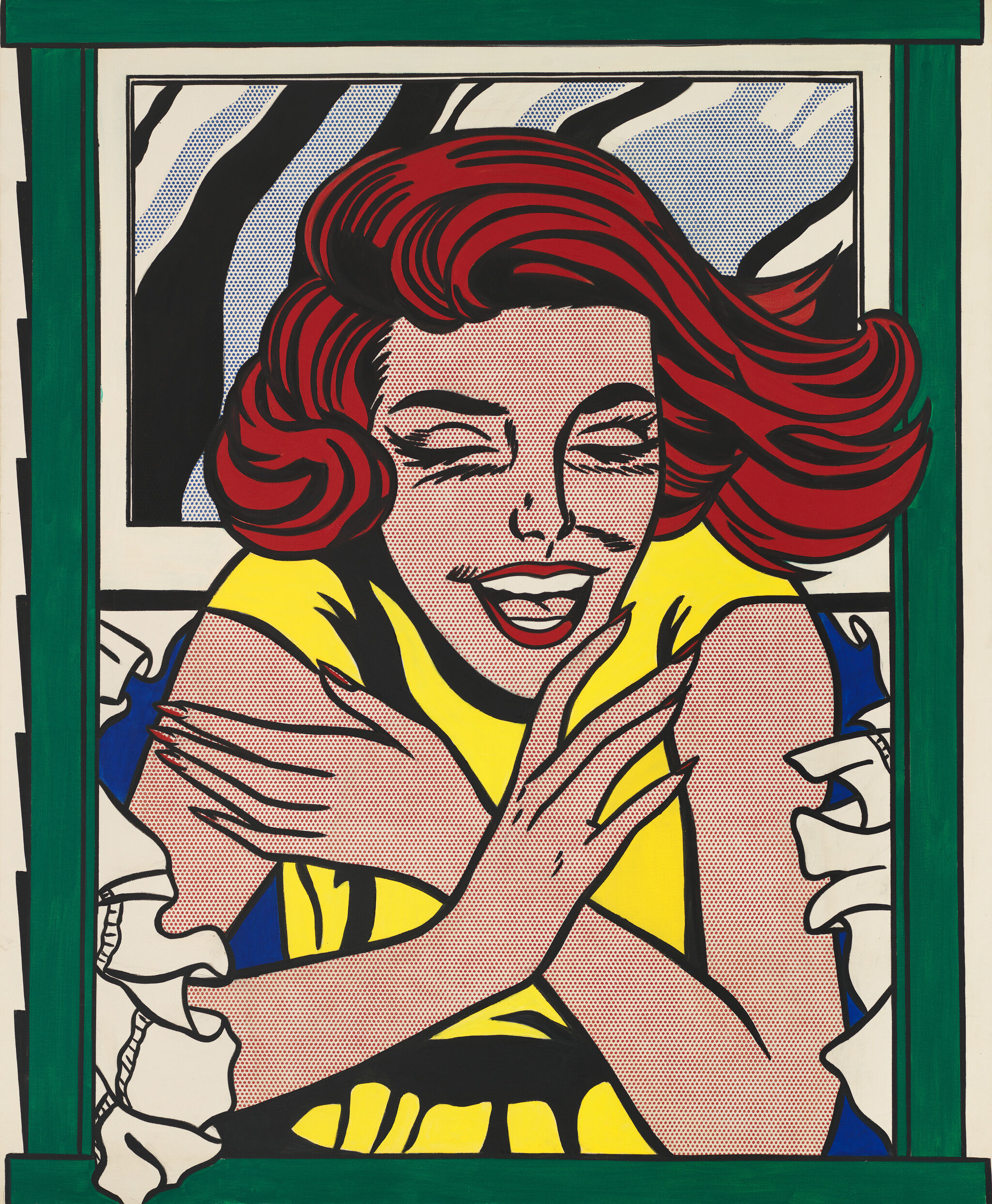
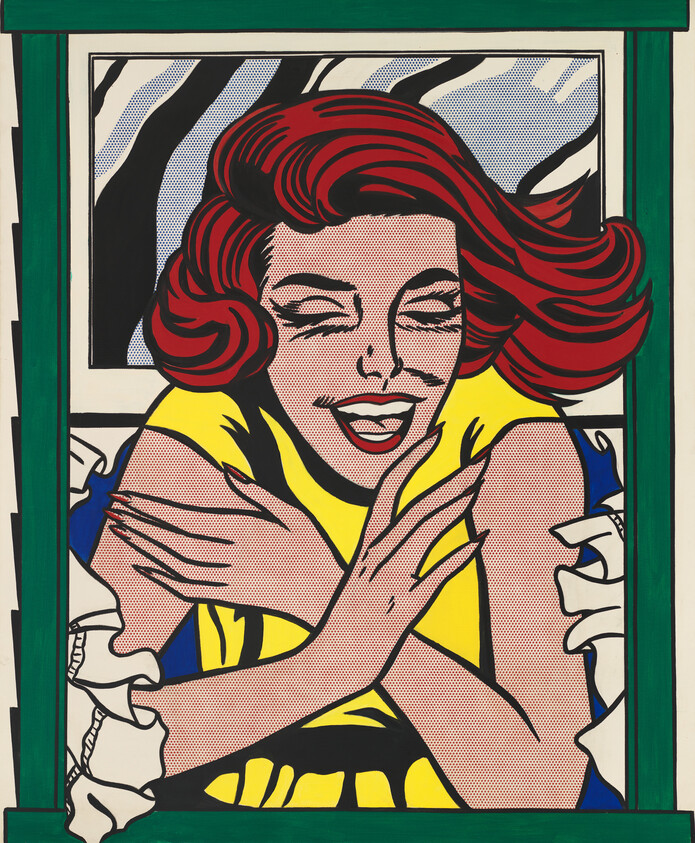
Roy Lichtenstein, Girl in Window (Study for World’s Fair Mural), 1963. Oil and acrylic on canvas, 68 1/8 × 56 in. (173 × 142.2 cm). Whitney Museum of American Art, New York; gift of The American Contemporary Art Foundation, Inc., Leonard A. Lauder, President 2002.254. © Estate of Roy Lichtenstein
Member Previews: Oct 8–10, 2026
Oct 11, 2026–May 10, 2027
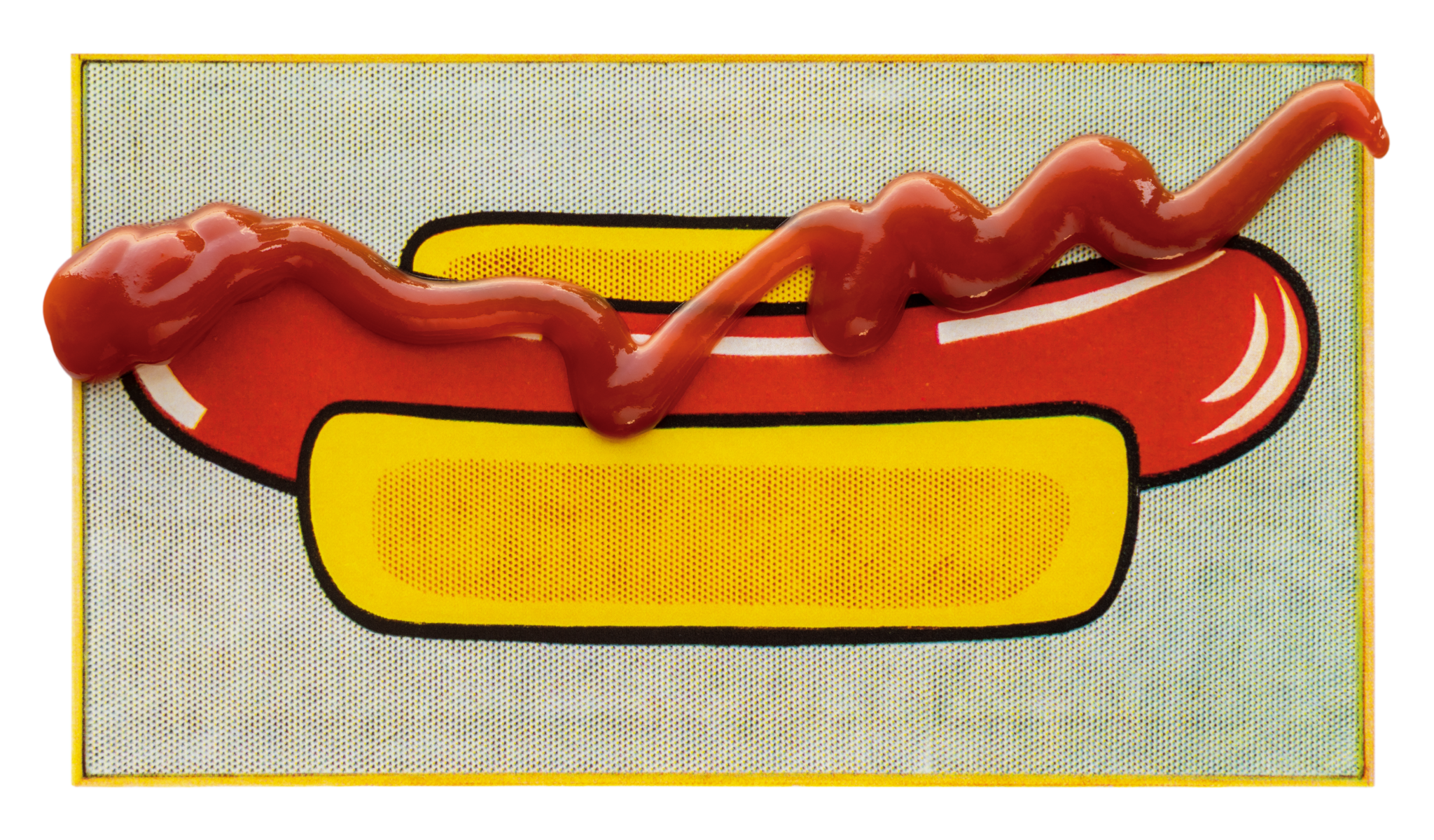
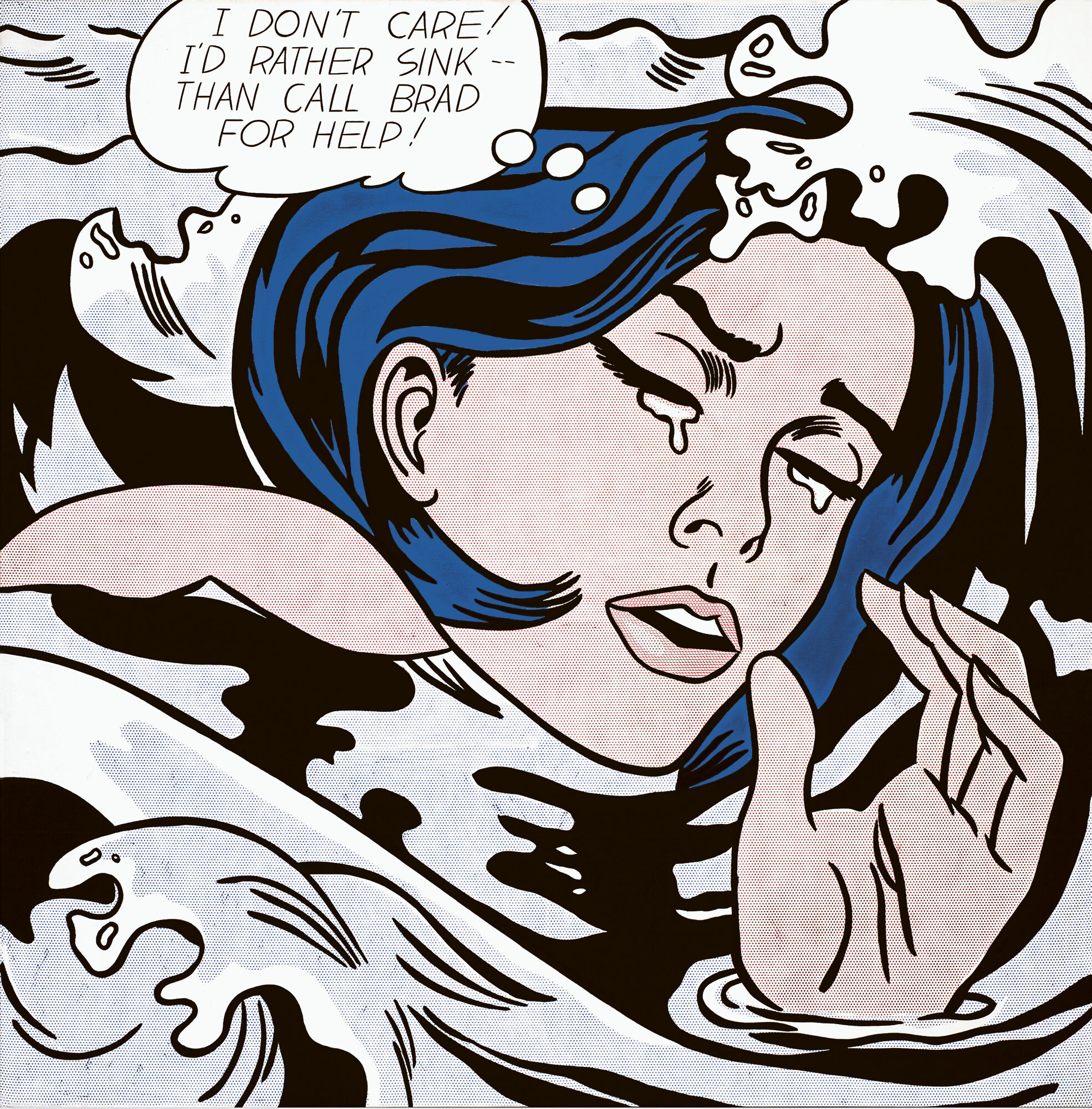
Roy Lichtenstein’s breakthrough Pop work stunned both the art world and the country when it was first shown in the early 1960s. An appropriation artist long before the term was used by art historians, Lichtenstein took his imagery from comic books and newspapers, reconfiguring and refining his compositions before enlarging and transferring them to canvas. Cool, crisp, and mechanical-looking yet decidedly handmade, his work—executed to mimic the bold black outlines, flat bright colors, and fields of dots associated with commercial printing—upended conventional notions of what an artwork could be. Lichtenstein’s legacy extends far beyond Pop, however. His career-long investigation into image culture has shaped successive generations of artists and changed the way we see and understand images.
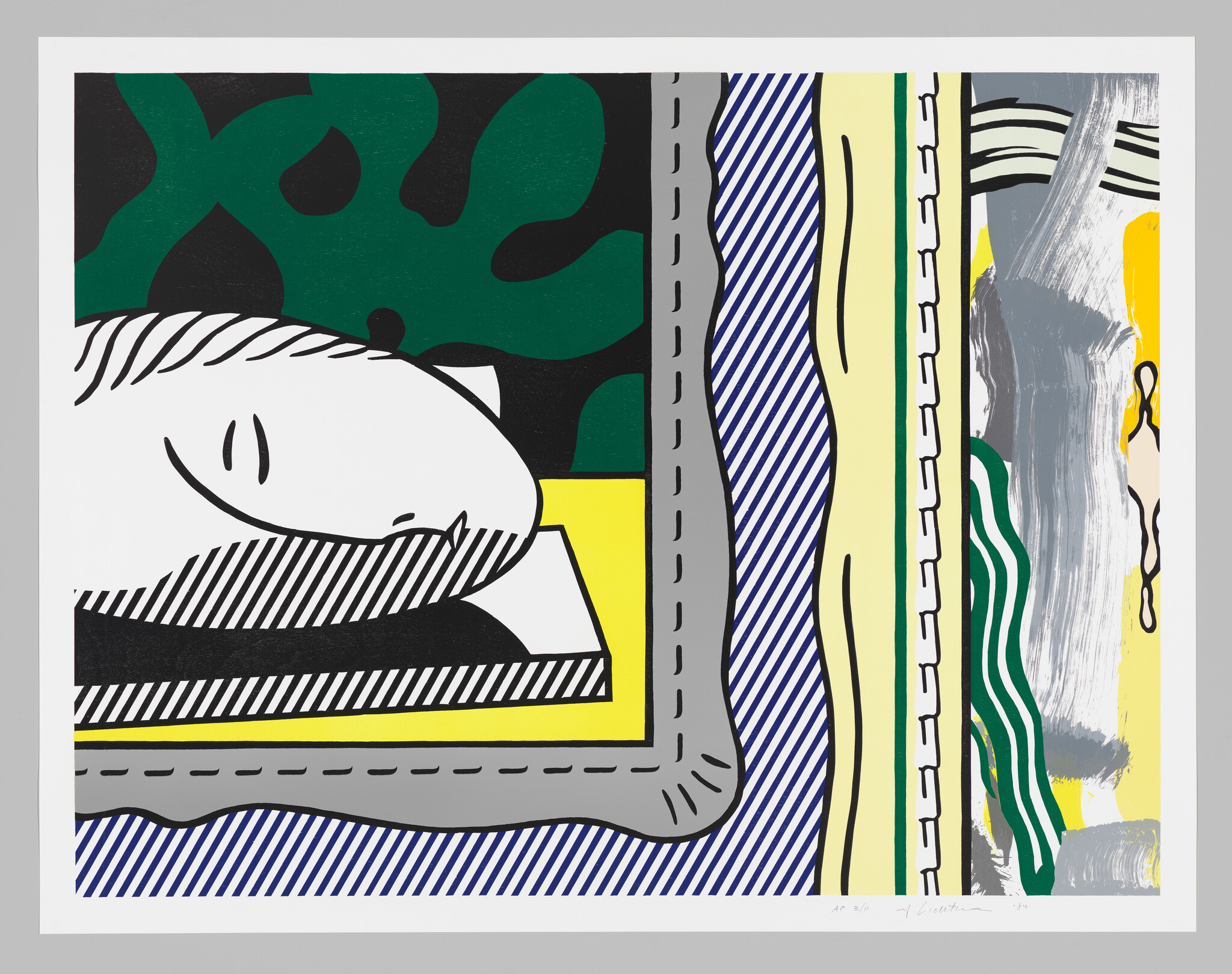
Born in 1923, Lichtenstein spent most of his life in New York and Southampton, where he sustained a continually evolving practice until his death in 1997 at the age of seventy-three. Titled after a 1962 work, Roy Lichtenstein: Like New features many of the artist’s most iconic paintings alongside lesser-known works and four re-created murals. The first New York retrospective of his work since 1993, it traces Lichtenstein’s fascination with perception across six decades of painting, drawing, sculpture, film, and prints.
In an era when pictures are endlessly generated, copied, altered, filtered, and reposted across screens, Lichtenstein’s art is strikingly prescient and remarkably relevant. He understood long before the digital age that images are never stable: they move through the world and return transformed. With each iteration, they are made like new.
Roy Lichtenstein: Like New is organized by Meg Onli, Nancy and Fred Poses Curator, and Alex Da Corte, Guest Curator, with Nakai Falcón, Curatorial Assistant, and David Crane, Curatorial Research Associate.
Leadership support for Roy Lichtenstein: Like New is provided by the Jerome L. Greene Foundation, Kenneth C. Griffin and Griffin Catalyst, and Susan and John Hess.


Susan and John Hess
Major corporate support is provided by

Principal support is provided by Stephanie March and Dan Benton; Pete and Michelle Scantland; and Caroline and Robert Taubman, on behalf of the A. Alfred Taubman Foundation.
Additional corporate support is provided by


Major support is provided by Judy Hart Angelo; Barbara Haskell American Fellows Legacy Fund; Jill and Darius Bikoff; Neil G. Bluhm and Kimberly Paige Bluhm; Jenny Brorsen and Rich DeMartini; Nancy Carrington Crown & A. Steven Crown; Lise and Michael Evans; Meg and Bennett Goodman; CJ Jones & Philip Rebeiz, Colour Themes; The KHR McNeely Family Foundation | Kevin, Rosemary, and Hannah Rose McNeely; Sara and Kip Kirkpatrick; Michael A. Klump; Northern Trust; Nancy and Fred Poses; Anne-Cecilie Engell Speyer and Rob Speyer; and the Whitney’s National Committee.
Significant support is provided by The Fuhrman Family Foundation, Jackson Tang, and an anonymous donor.
Generous support is provided by the AG Foundation, Salvador Espinoza and Jonathan Rozoff, the Keith Haring Exhibition Fund, Thomas & Linda Koehn Foundation, Susan and Larry Marx, Robert E. Meyerhoff and Rheda Becker, Susanne and William E. Pritchard III, Katherine Sachs, and an anonymous donor.
Additional support is provided by Dawn and David Lenhardt.
This exhibition is supported by an indemnity from the Federal Council on the Arts and the Humanities.
Leadership support for the catalogue and education and public programs is provided by the Roy Lichtenstein Foundation.

BBDO is the official marketing agency partner for Roy Lichtenstein: Like New.
© Estate of Roy Lichtenstein
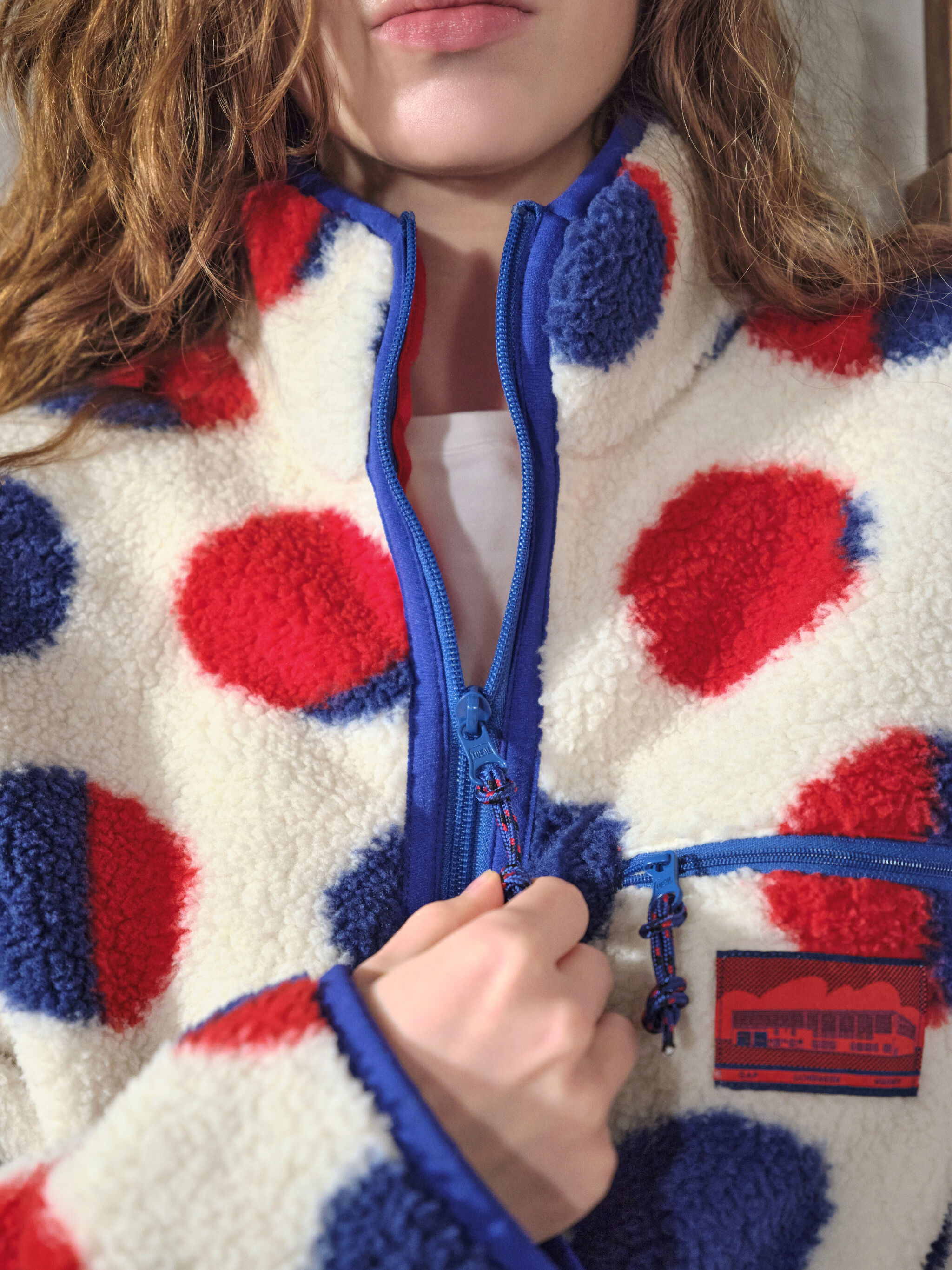
Gap–Lichtenstein–Whitney
Our collaboration with Gap and the Estate of Roy Lichtenstein brings the artist’s bold visual language to an 18-piece collection of clothing and accessories. Bold patterns on sherpa. Graphic prints on tees. This is art—worn by you.
Publication
Roy Lichtenstein: Like New
Alex Da Corte and Meg Onli
A career-spanning look at the methods, influences, motivations, and continuing relevance of one of America’s foremost Pop artists
Roy Lichtenstein’s bold, instantly recognizable imagery and style helped redefine the possibilities of painting when it first gained widespread attention in the early 1960s, and it has been ceaselessly copied ever since. This ubiquity is part of his legacy, but it has also obscured the radical nature of his work. Spanning his entire career, from his formative years at Ohio State University in the 1940s to his death in 1997, this volume offers a fresh consideration of Lichtenstein’s methods, influences, sources, and subjects, and includes reproductions of rarely seen early works, preparatory drawings, and source materials. It eschews traditional chronology in favor of unexpected pairings and groupings that reveal the artist’s lifelong engagement with repetition, simulation, and the aesthetics of mass culture, while at the same time exploring how his images have subsequently been cited, distorted, and reimagined. Designed by Irma Boom, this fascinating study highlights how Lichtenstein’s practice of producing works that nod to mechanically printed materials but were actually painstakingly painted by hand created a tension between technological reproduction and artistic touch that presciently foreshadows today’s visual landscape of cropped, altered, and repurposed images.
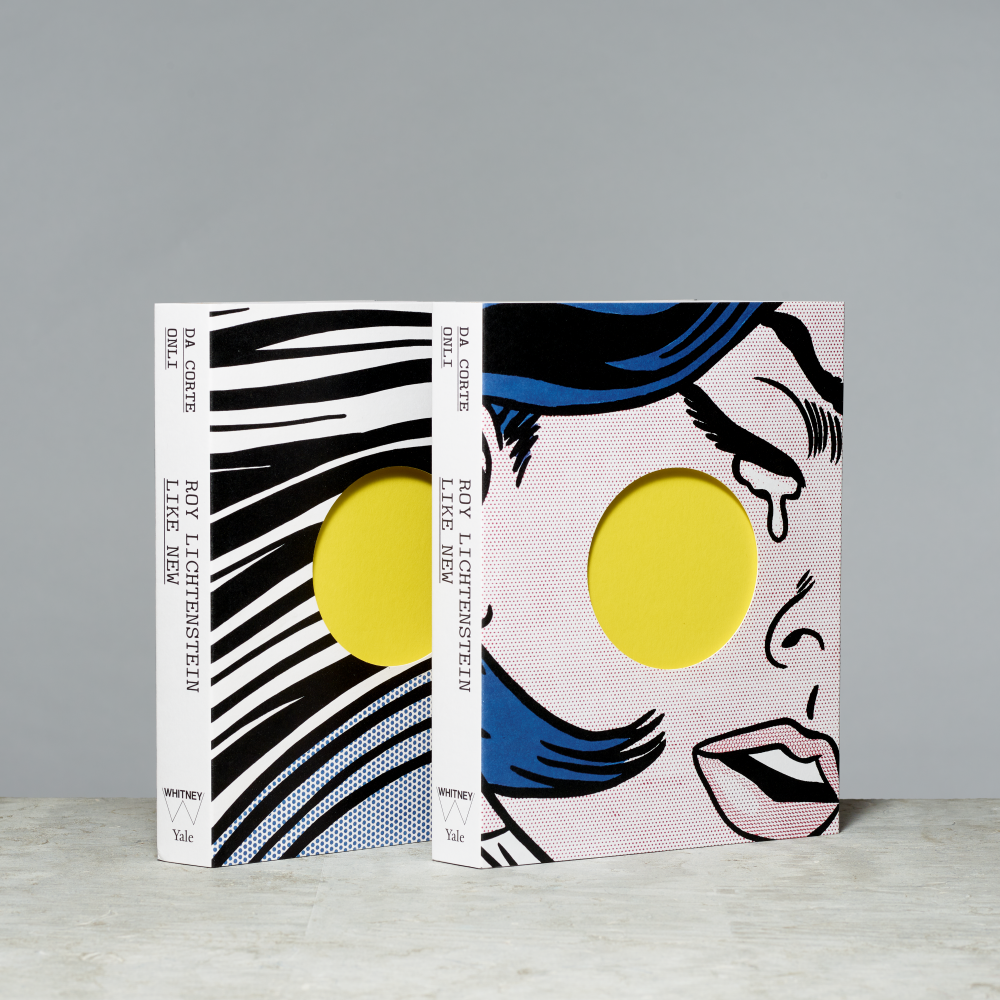
Roy Lichtenstein: Like New (Drowning Girl Cover)