
Whitney Biennial 1975: Contemporary American Art
Jan 20–Apr 9, 1975
Whitney Biennial 1975: Contemporary American Art
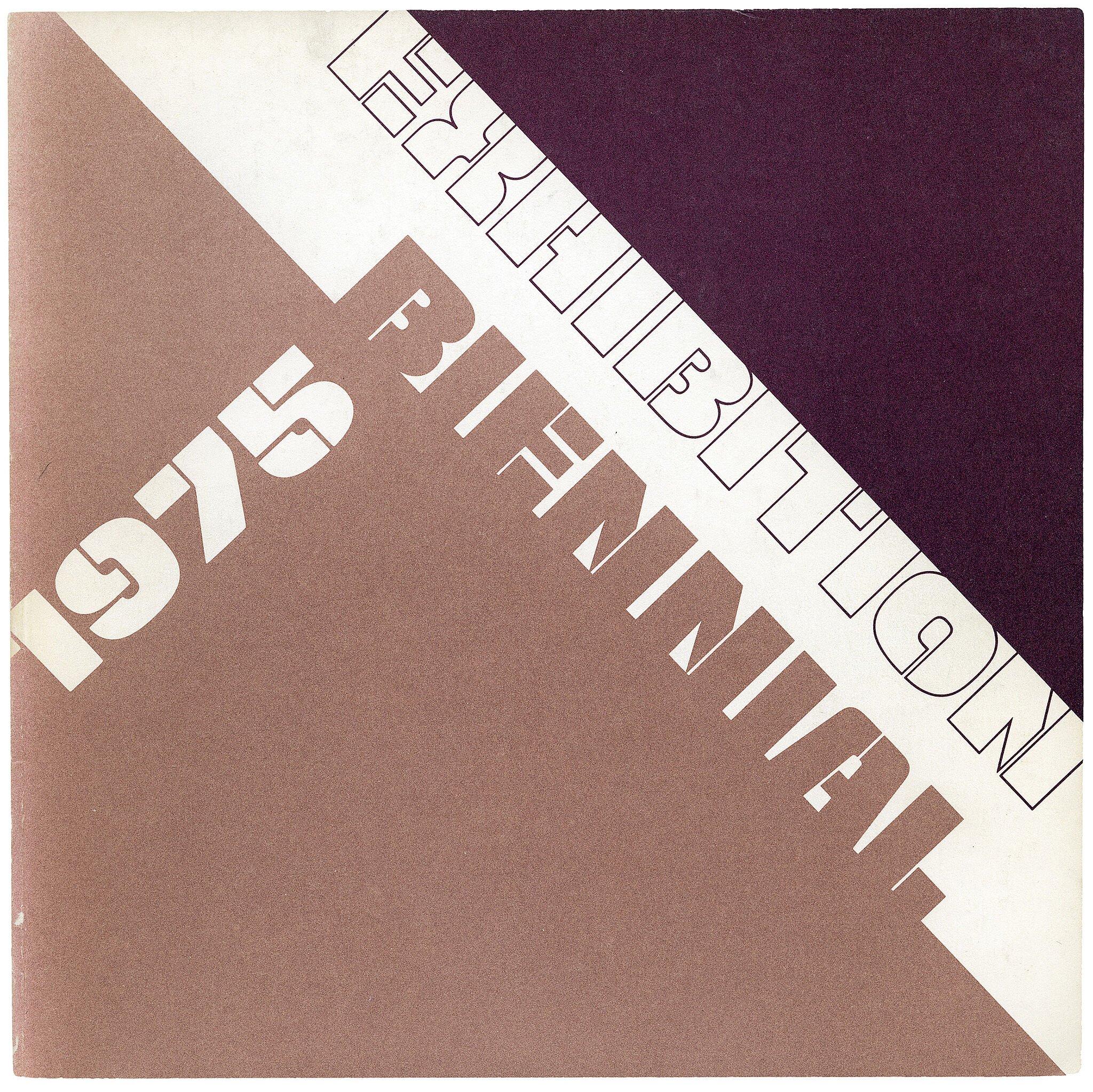
Cover for 1975 Biennial catalogue
Whitney Biennial 1975: Contemporary American Art was curated by John Hanhardt, Barbara Haskell, James Monte, Elke Solomon, and Marcia Tucker.
View the full exhibition catalogue at the Internet Archive.
Press highlights
“A push toward change is symbolized in the museum’s current biennial exhibition . . .” —The New York Times
“The Whitney curatorial staff has amply demonstrated its weakness for funky, kinky, kitschy claptrap in recent years, and there is the inevitable abundance of this rubbish in the current show. There is also a fair representation of perfectly serious abstract painting [. . .]. There are excursions into realism, both of the academic and photorealist persuasions, and the requisite portion of Conceptual art.” —The New York Times
“The Whitney has lately been eclectic in its tastes—with if anything a bias in favor of boisterous, kitsch-oriented work from way out of town—and I see no signs in the 1975 Biennial Exhibition of any change of heart in that respect.” —The New York Times
More from this series
Learn more about the Whitney Biennial, the longest-running survey of American art.
Installation photography
-
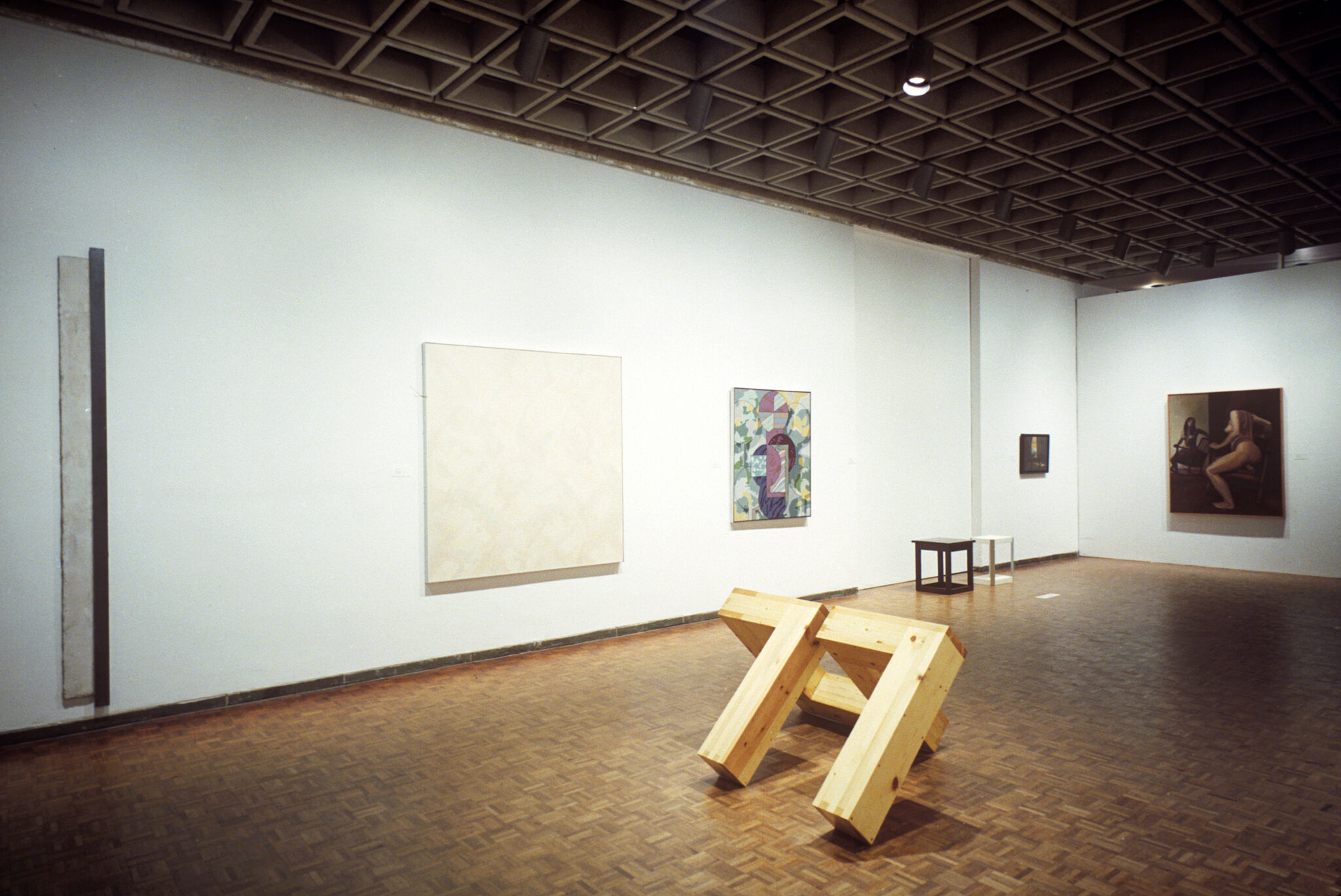
Installation view of the 1975 Biennial Exhibition (Whitney Museum of American Art, New York, January 20–April 9, 1975). From left to right: Hass Murphy, The Concrete Blues (1974); Edward Ross, Untitled (1974); John Schnell, Green Tea (1974); Scott Burton, Table Series: 1 & III (1974); Mark Christian, Welthil Westerfield (1973); lower left: James Perry, Untitled 74-2 (1974). Photograph by Sandak, Inc.
-
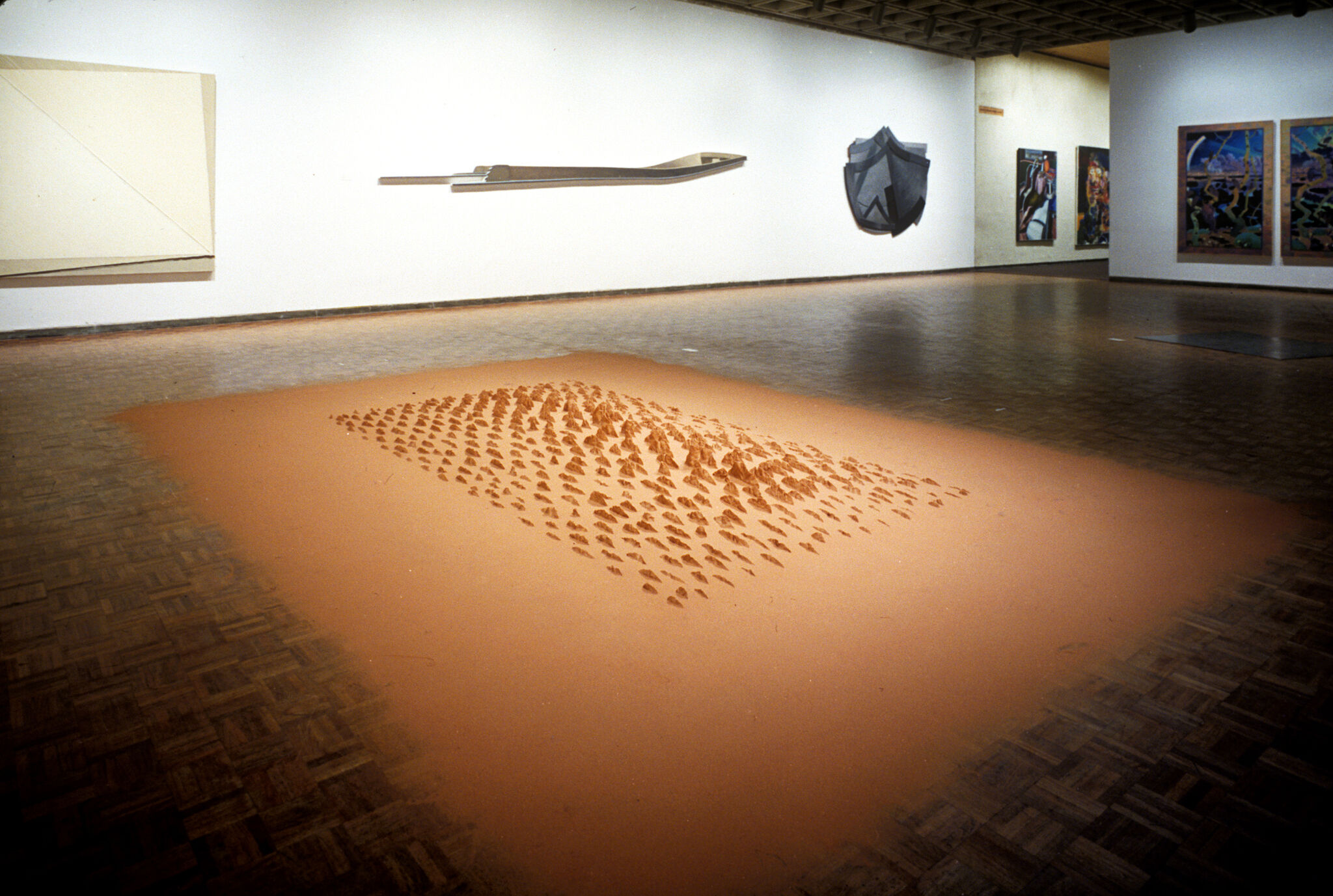
Installation view of the 1975 Biennial Exhibition (Whitney Museum of American Art, New York, January 20–April 9, 1975). From left to right: William Fares, Untitled (1974); Sam Cady, Highway Fragment; George Rodari, Siberian Express (1974); center: Connie Zehr, Red Carpet (1975). Photograph by Sandak, Inc.
-
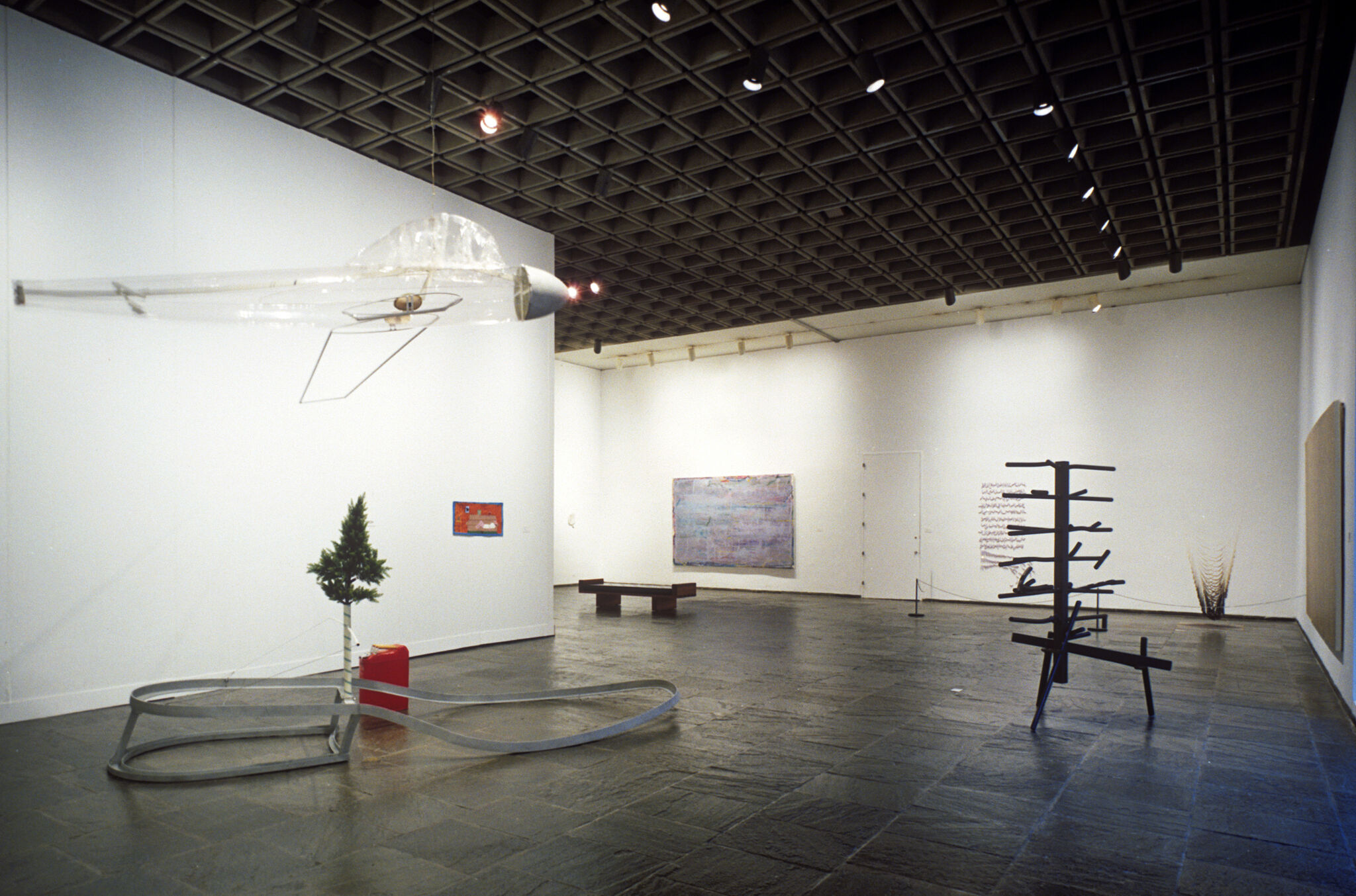
Installation view of the 1975 Biennial Exhibition (Whitney Museum of American Art, New York, January 20–April 9, 1975). From left to right: Leonard L. Hunter III, Ebbett’s Pass (1972); Jan Lee MComas, Ashland City (1973); Larry Ray Camp, HAJOCA (1974); Kathleen Ferguson, Kryptos (1974); David Anderson, Starfield (1973). Photograph by Sandak, Inc.
-
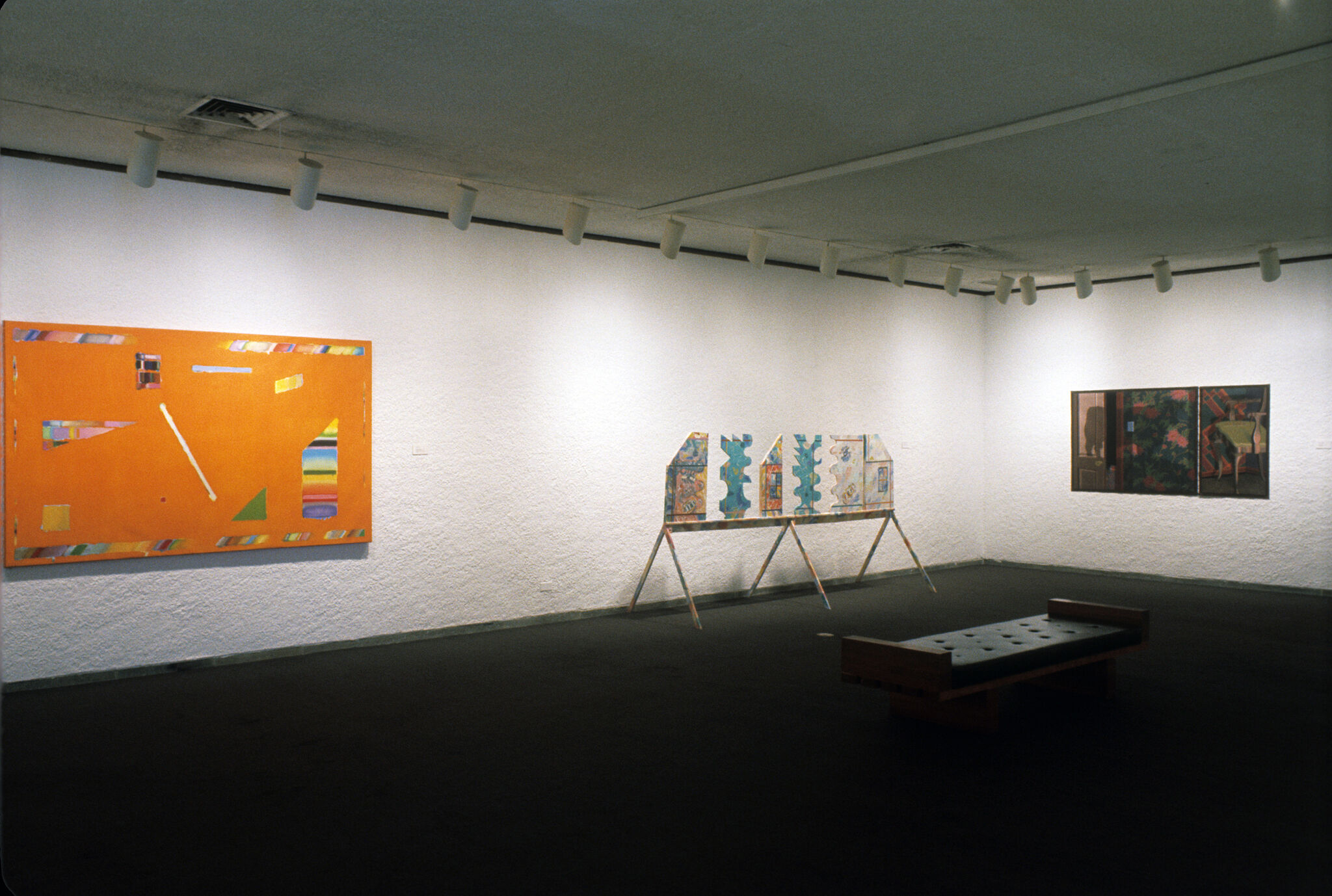
Installation view of the 1975 Biennial Exhibition (Whitney Museum of American Art, New York, January 20–April 9, 1975). From left to right: Roland Ginzel, Desbarats Painting 1 (1973); Robert Thompson, Country Music (1974); Barry Buxkamper, Bovine Intrusion (1974). Photograph by Geoffrey Clements
-
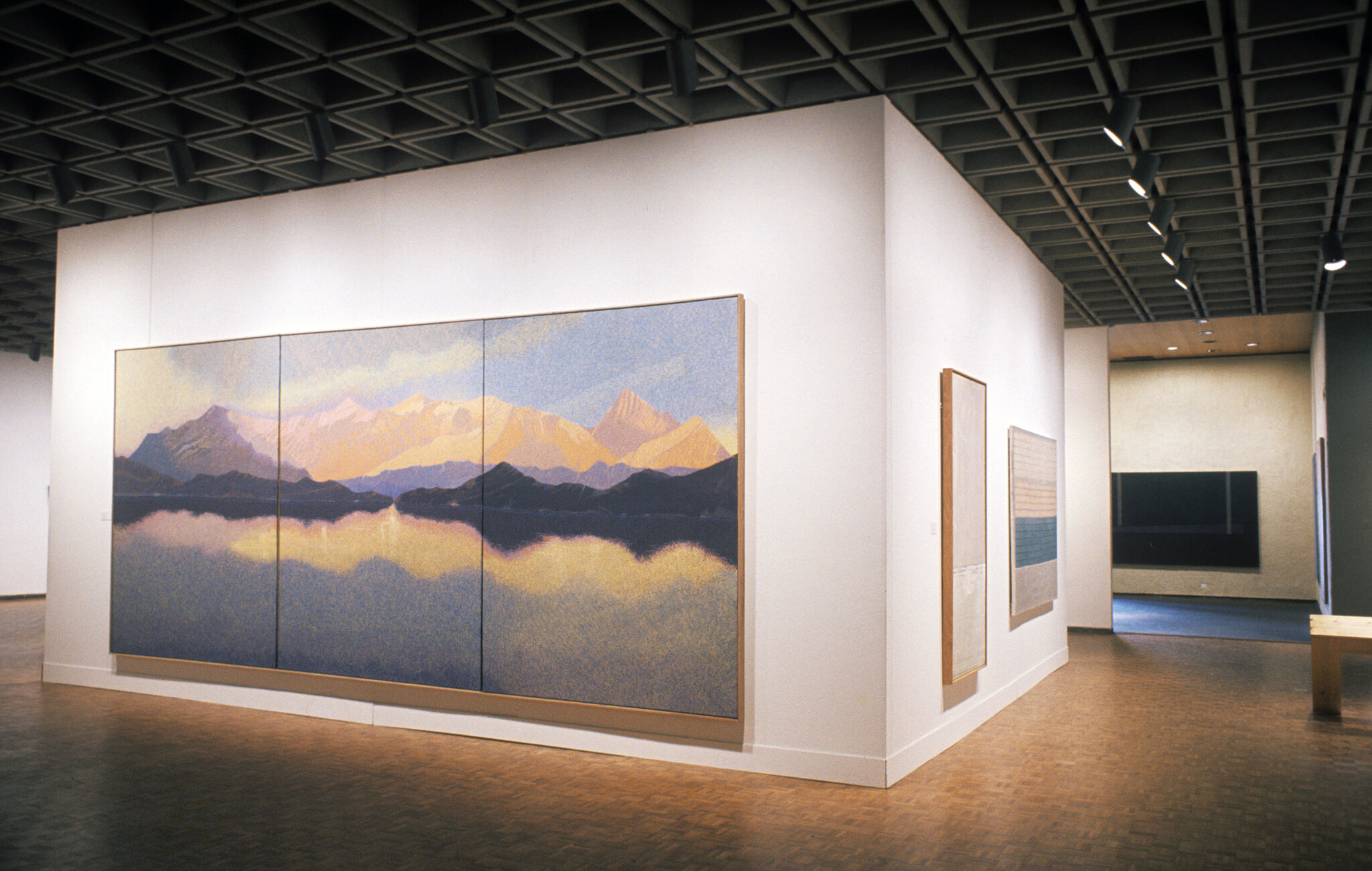
Installation view of the 1975 Biennial Exhibition (Whitney Museum of American Art, New York, January 20–April 9, 1975). From left to right: Joe DiGiorgio, Yosemite: Lake (1974); Phillip Mullen, Two Rains (1974); Frank Rivera, Composition with Blue. Photograph by Sandak, Inc.
-
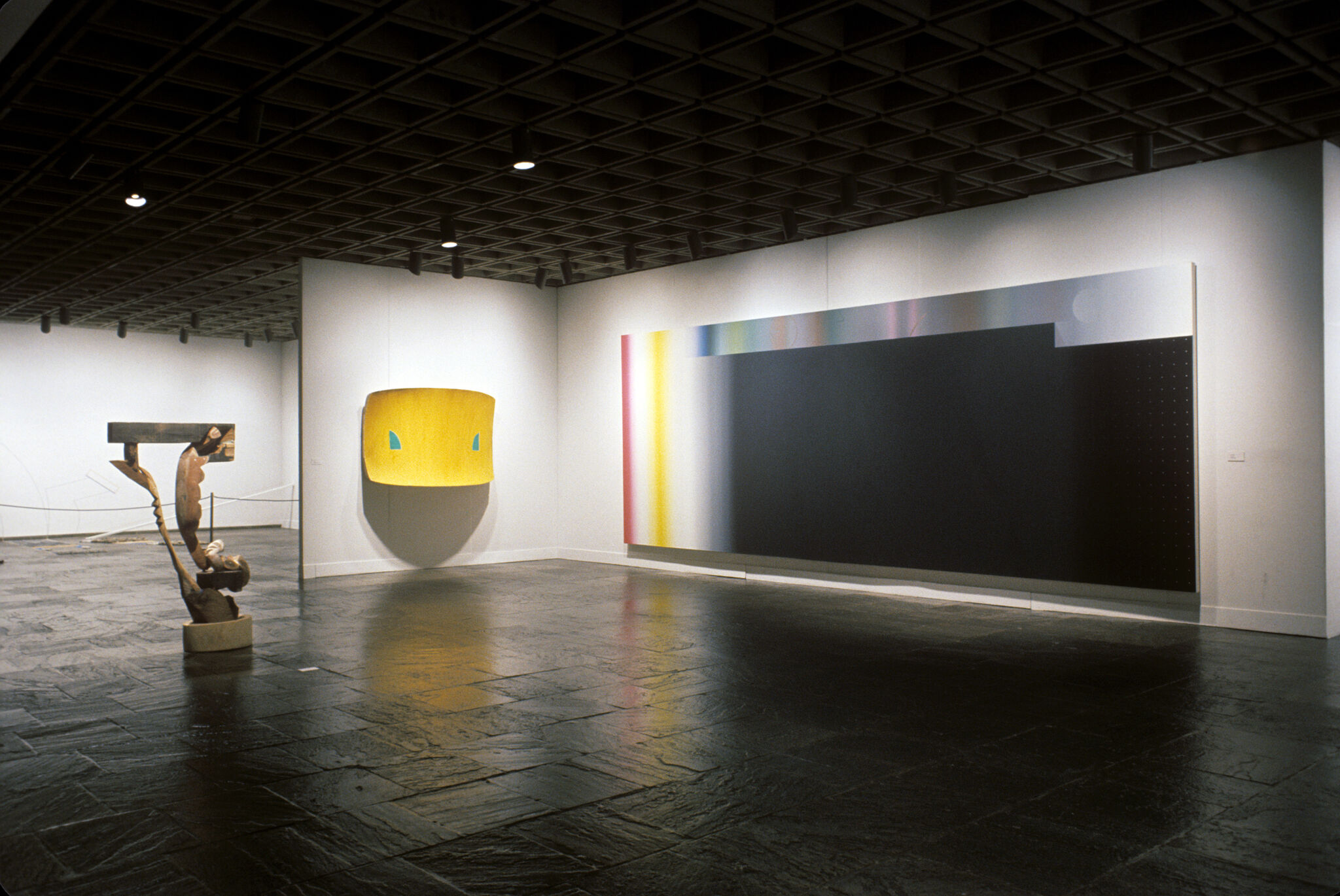
Installation view of the 1975 Biennial Exhibition (Whitney Museum of American Art, New York, January 20–April 9, 1975). From left to right: Alvin Light, Summer (1974); Ron Gorchov, Untitled (1974); Kaare Rafoss, Aana Sira (1974). Photograph by Geoffrey Clements
-
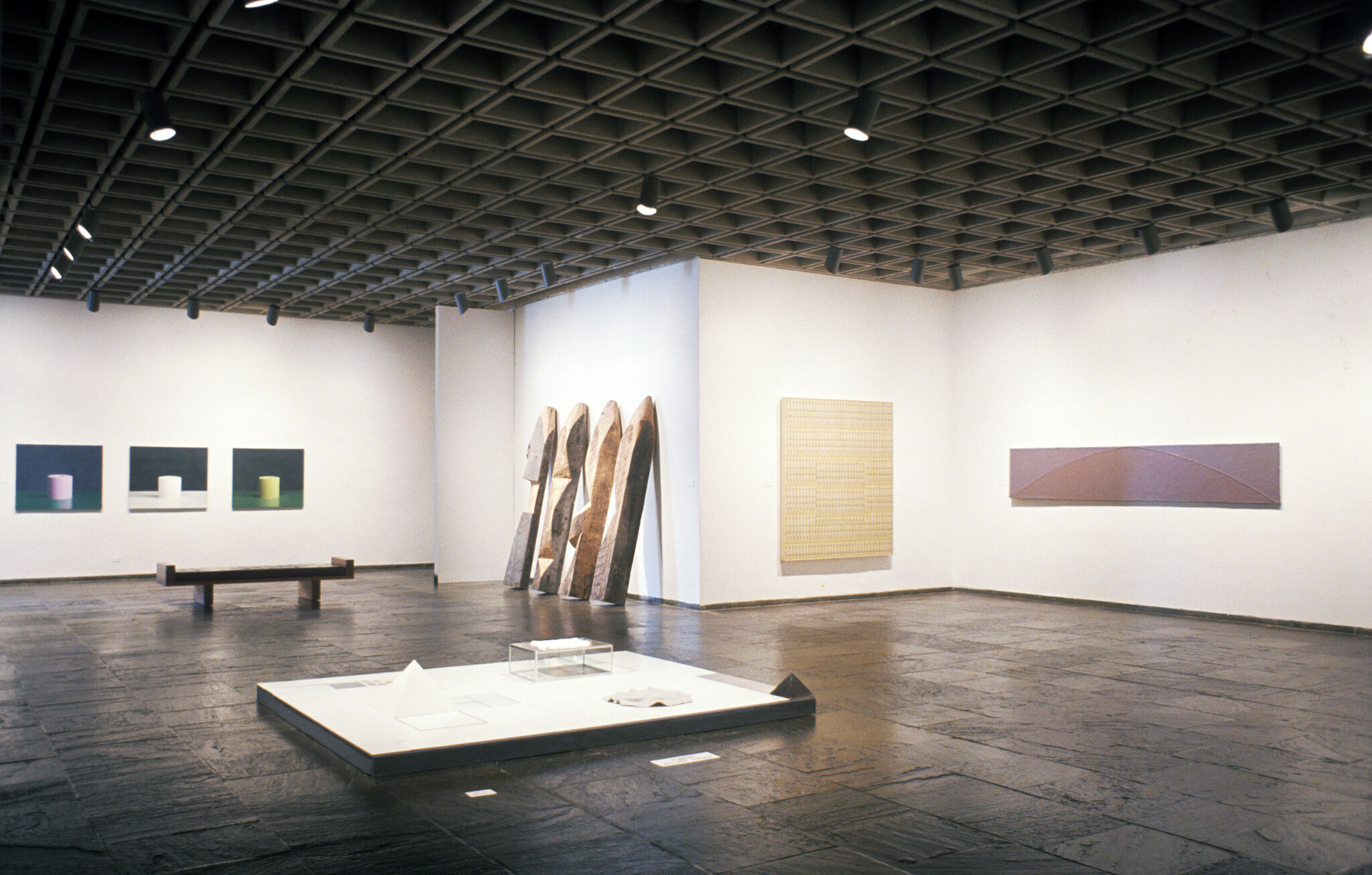
Installation view of the 1975 Biennial Exhibition (Whitney Museum of American Art, New York, January 20–April 9, 1975). Photograph by Sandak, Inc.
-
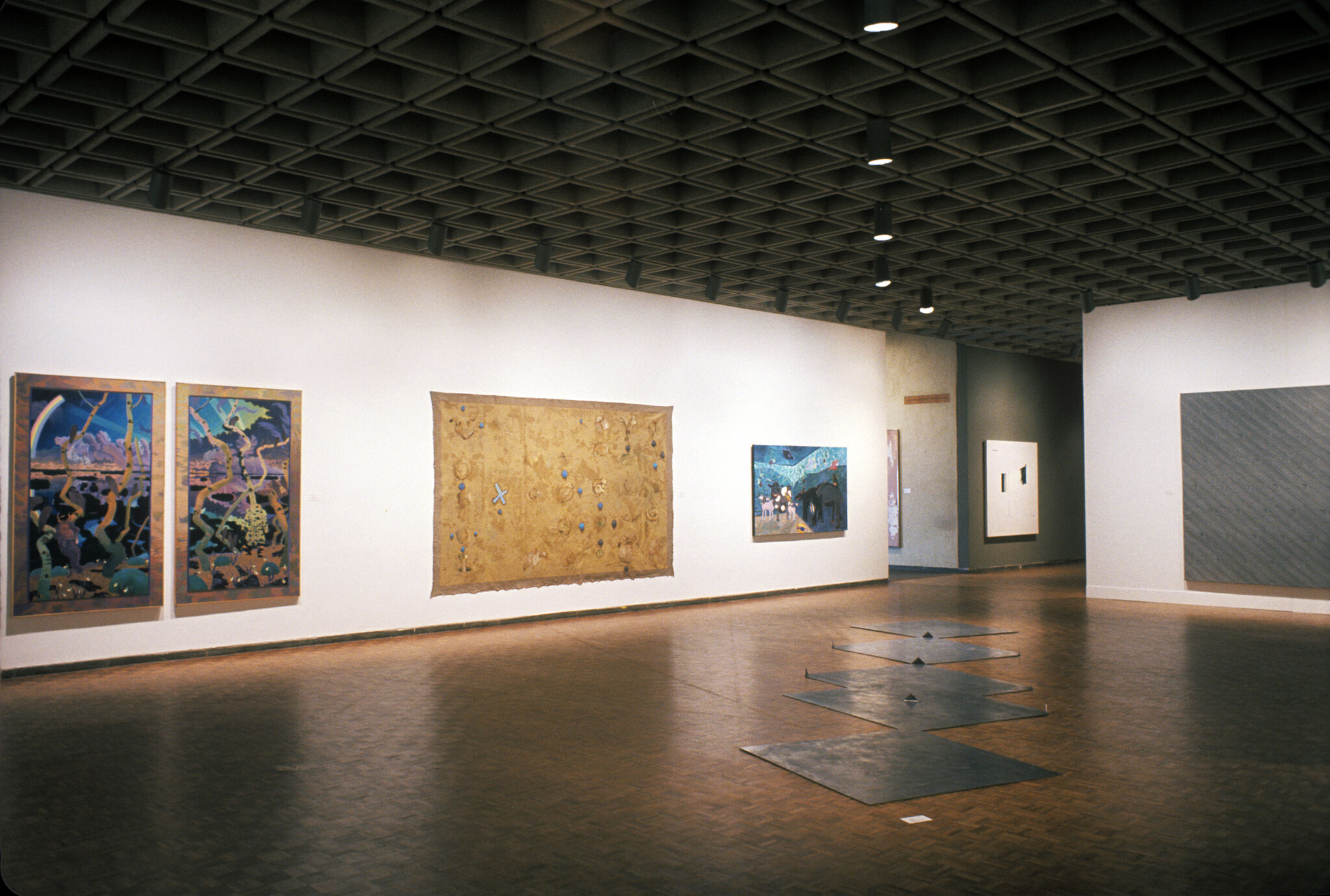
Installation view of the 1975 Biennial Exhibition (Whitney Museum of American Art, New York, January 20–April 9, 1975). From left to right: Thomas Uttech, Untitled; C. Bowers, Debriefing with Rose; Scott Miller, Animal Tank; Ross Bleckner, After Count Thun’s Dream (1974); Kent Floeter, Untitled (1974); Maxine Cole, Phoenix. Photograph by Sandak, Inc.
-
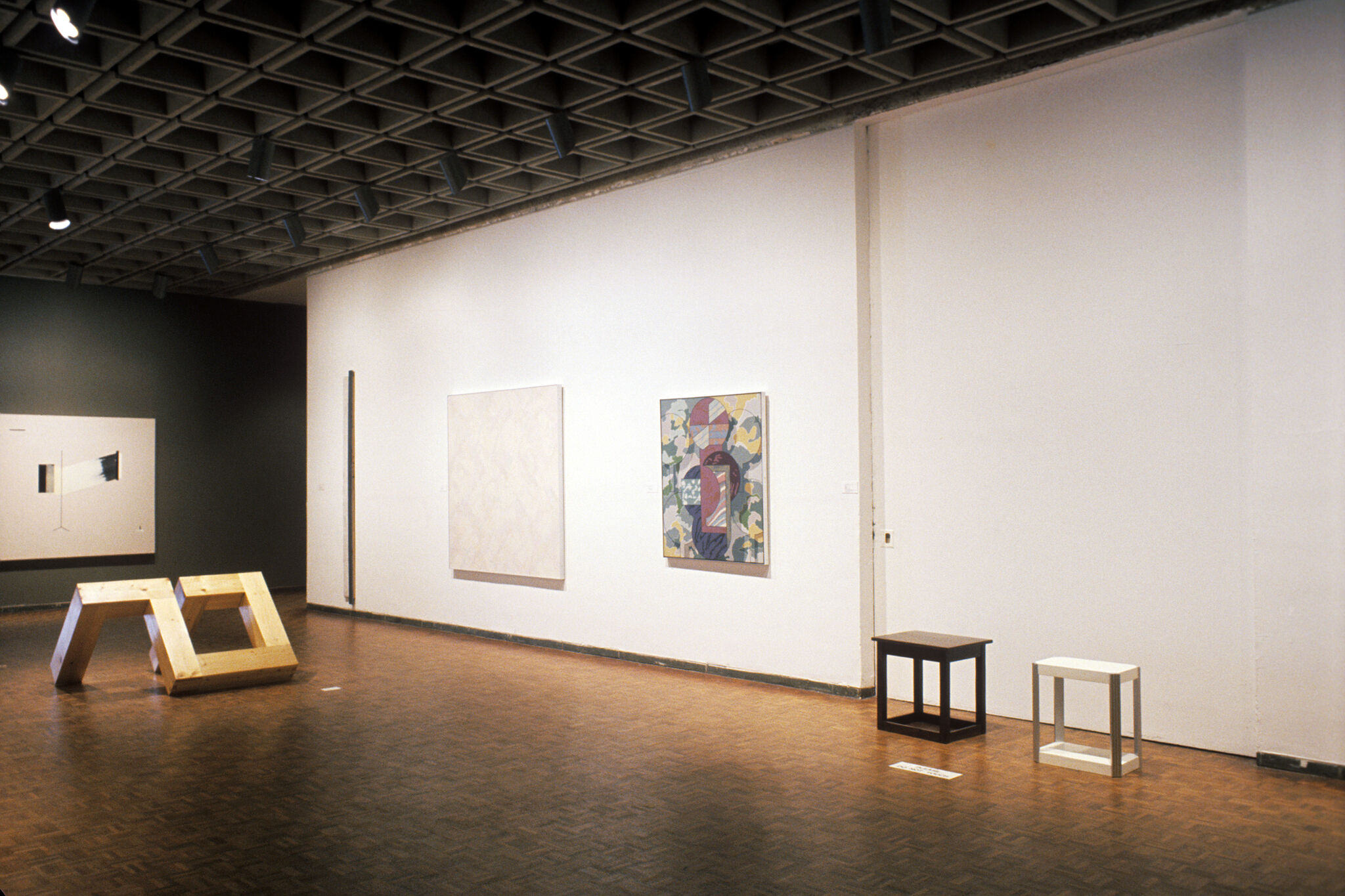
Installation view of the 1975 Biennial Exhibition (Whitney Museum of American Art, New York, January 20–April 9, 1975). From left to right: Ross Bleckner, After Count Thun’s Dream (1974); James Perry, Untitled 74-2 (1974); Edward Ross, Untitled (1974); John Schnell, Green Tea (1974); Scott Burton, Table Series: Table I & II. Photograph by Geoffrey Clements
-
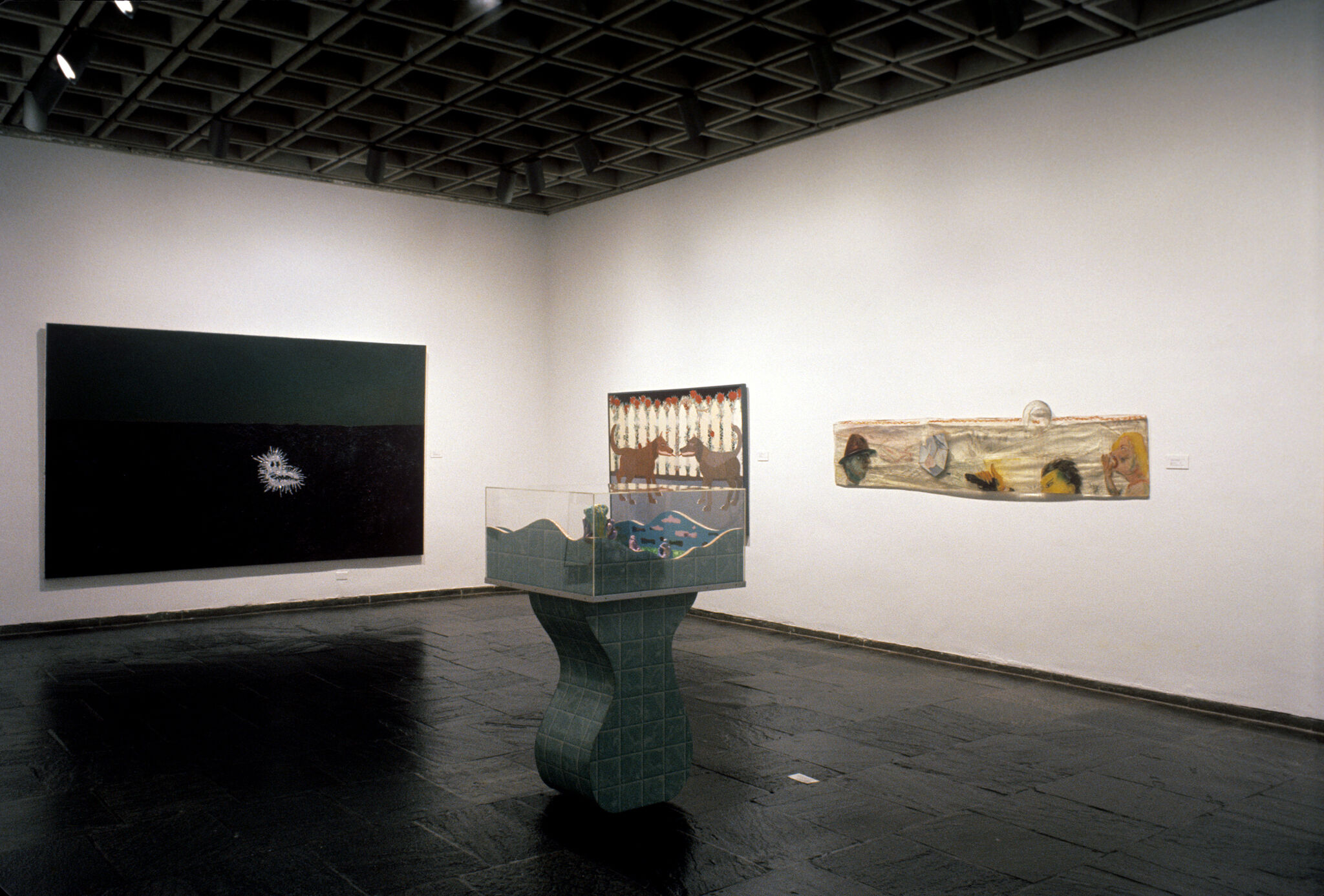
Installation view of the 1975 Biennial Exhibition (Whitney Museum of American Art, New York, January 20–April 9. 1975). From left to right: Earl Stanley, Skull with Landscape; Mary Warner, Night Watch (1973); Charles Garabedian, Bullet for Cliff; center: George Green, Garden of Embrace (1974). Photograph by Geoffrey Clements
-
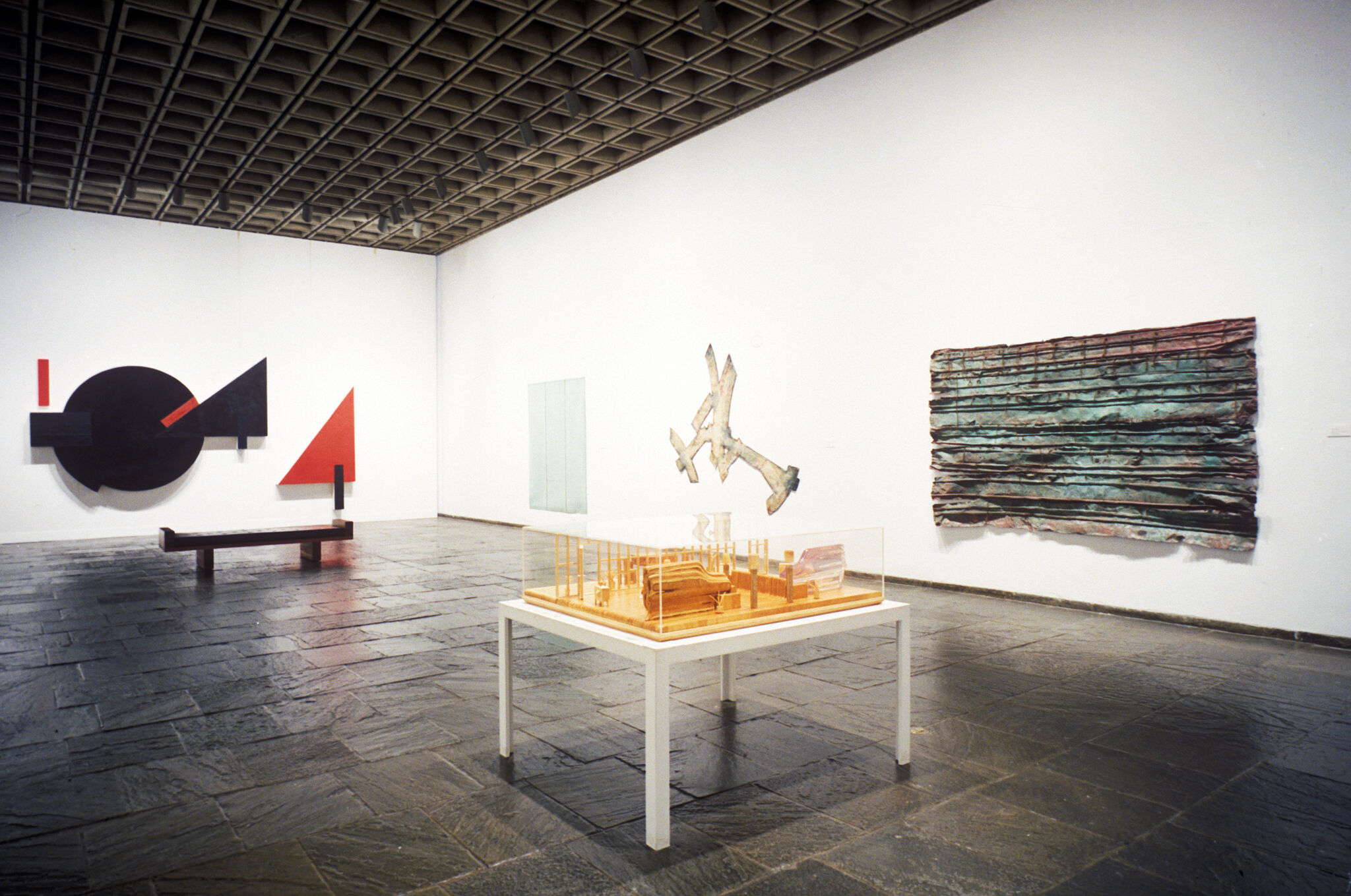
Installation view of the 1975 Biennial Exhibition (Whitney Museum of American Art, New York, January 20–April 9, 1975). From left to right: Dennis Ashbaugh, Agitprop-Tram (1974); David Mackenzie, B.G. (1973); Phil Davis, Gesture; Gene Sturman, The Scythian mercenaries have arrived (1974); center right: Roland Ress, The Truth Table. Photograph by Sandak, Inc.