Ken Ohara: CONTACTS
2025
Eli Harrison: I'm Eli Harrison. I'm a Curatorial Fellow at the Whitney, and I work with works on paper, so: photographs, drawings, and prints. And this is a show focused on a photographer, Ken Ohara.
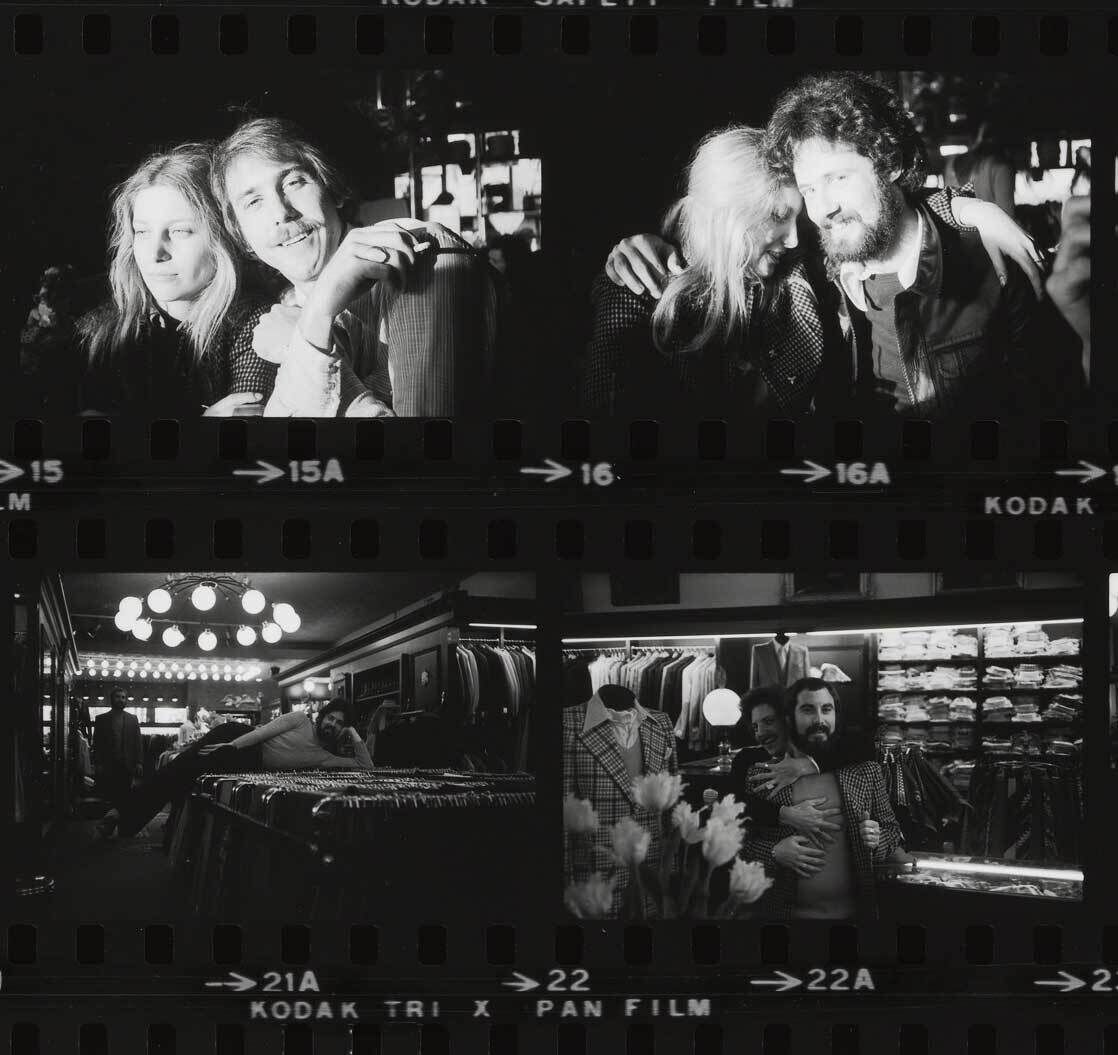
Narrator: The show is called Ken Ohara: CONTACTS and it’s made up of one single work that has multiple parts to it. Each contact sheet was taken by a different person–someone he’d never met. Each participant received a camera from the artist loaded with film, took pictures of their life, and then sent it back to the artist. On the wall near the theater, across from the elevators, you can find contact sheet 36 from Chaptico, Maryland. It was taken by the Radtke family.
Eli Harrison: And it was shot by a Black family living in rural Maryland. And what we're seeing is a family, a multi-generational family playing in the snow. So it's a contact sheet that's full of squares of images, black and white images all lined up in a grid and stacked on top of each other. And those images, once you look closer, you can see there's a little kid throwing a snowball at the camera. There are kids building a snowman. They seem to be located in a pretty rural area. There's a big barn, there's snow on the ground, someone has a tractor and is driving it around in one of the photos. And then there's also these shots that establish a really rich sense of place. There's a picture of some older–it looks like teenagers–holding dried tobacco leaves. Later on the roll at the bottom of the sheet, the camera seems to travel into a town and it goes to, it looks like a diner. And I really love this about the work that you can see someone's day. It's this very, very specific moment in a specific place shot by a single person. And so you really get a glimpse into a life. Part of it’s beauty is that it is these sort of fragments of different people's lives strung together. We can't really know the people shown here, but we get this really intimate glimpse into their lives nonetheless.
And I think it's interesting that he was so focused on a work of connection during this moment in the 1970s. It's a moment of great economic precarity in the U.S. during stagflation, right after Watergate. The U.S. has just pulled out of Vietnam. And so there's a lot of distrust in the government, a lot of sort of social unrest and also social liberation movements that are very much in motion. And I think this emphasis on human connection across this vast expanse of America between contacts and between strangers really resonates today.
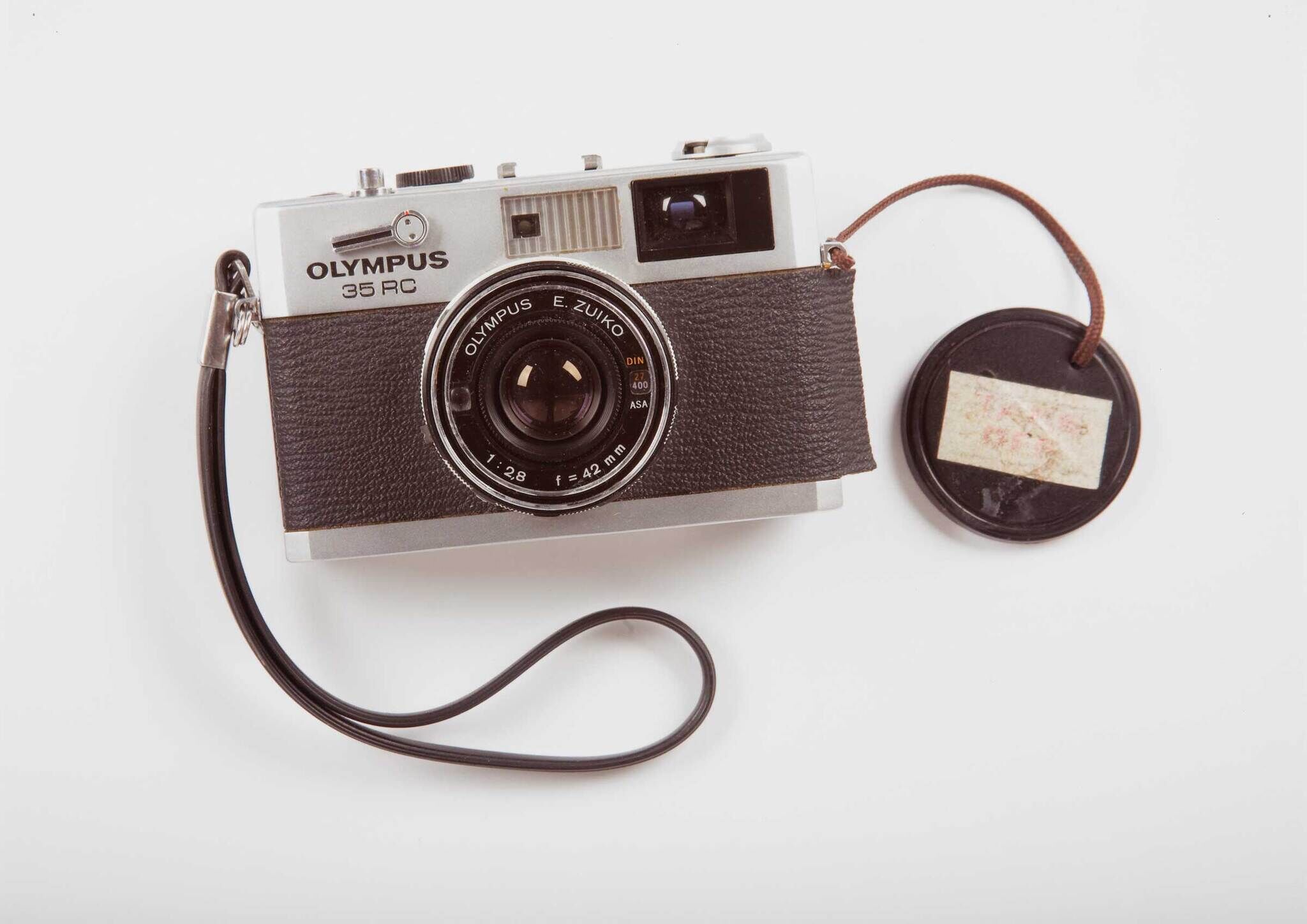
Eli Harrison: CONTACTS is a project that Ken Ohara created in the mid-1970s. He started the work in 1974 after he won a Guggenheim grant that allowed him to fund the project, and the work takes the form of a chain mail letter. He at random chose a stranger from the New York City telephone book and mailed them his camera, loaded with film, along with instructions to photograph themselves, their family and friends and their daily life. And then send the camera back to him along with the name and address of the next person who they wanted to send it to. The camera landed in the hands of one hundred strangers who are connected by their contact with each other. The camera ended up in thirty-six different states over the course of two years, including Nova Scotia, Canada as well.
Narrator: When you exit the elevators or the stairs, you'll be greeted by twenty-two enlarged contact sheets filled with black and white images laid out in grids. The black and white photographs are contact sheets arranged in a single line, one after the other in chronological order of when they were shot. They wrap around the space hanging close to the edges of the walls.
The contact sheet being described is located in the middle of this hallway.
The focus is images of a multi-generational Black family playing in the snow. The scenes appear dated to the seventies yet still feel immediate. Snow blankets the landscape, and kids build a snowman and are throwing snowballs. Someone has a tractor and is driving it around in one of the photos. There’s a sense of play evoked. And then there are also these shots that establish a rich sense of place.
Eli Harrison: So there's a photo of some chickens on a branch. In a tree, there's a photo of a woman pulling up water from a well and a photo of pigs, black and white pigs sort of, they look pretty young to me, piglets gathered near a trough. And then there's action shots, but there's also some more staged family photographs. There's a picture that has a sort of middle aged woman surrounded by younger people, younger kids who all have these sort of warm looking fur lined hoods on. There's a picture of some older…it looks like teenagers holding dried tobacco leaves. So you get a real sense of place. And then later on the roll at the bottom of the sheet, the camera seems to travel into a town and it looks like a diner. And there's a photo of a group of men outside the diner, which seems to be sort of friends outside of the family.
Ken Ohara, Camera – Olympus RC, 1974–76, from CONTACTS. Whitney Museum of American Art, New York; purchase with funds from the Photography Committee AC.2025.37.1-100. © Ken Ohara
0:00
0:00