
The Lost World: The Art of Minnie Evans
Through Jan 10, 2027
The Lost World: The Art of Minnie Evans
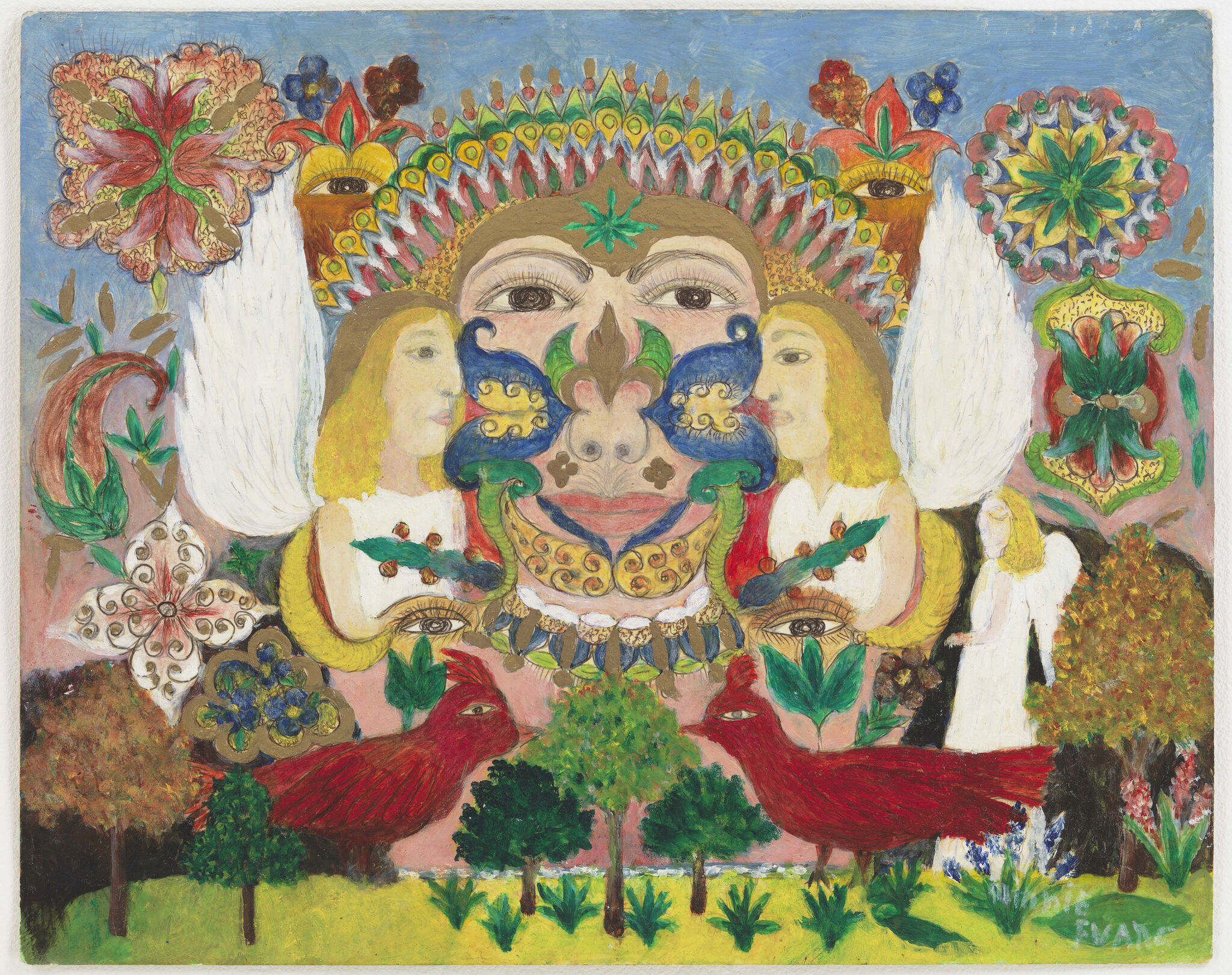
Minnie Evans, Untitled (Face with Crown and Angels), 1968. Oil, ink, gold paint, and pencil on paper, 17 × 19 1/2 × 1 3/8 in. (43.2 × 49.5 × 3.5 cm). Collection of Wendy Williams, New York. © The Estate of Minnie Evans. Photograph by Christopher Burke
On view
Floor 8
Open: Aug 22, 2026–Jan 10, 2027
Lea el siguiente texto en españolMundo revelado: El arte de Minnie Evans
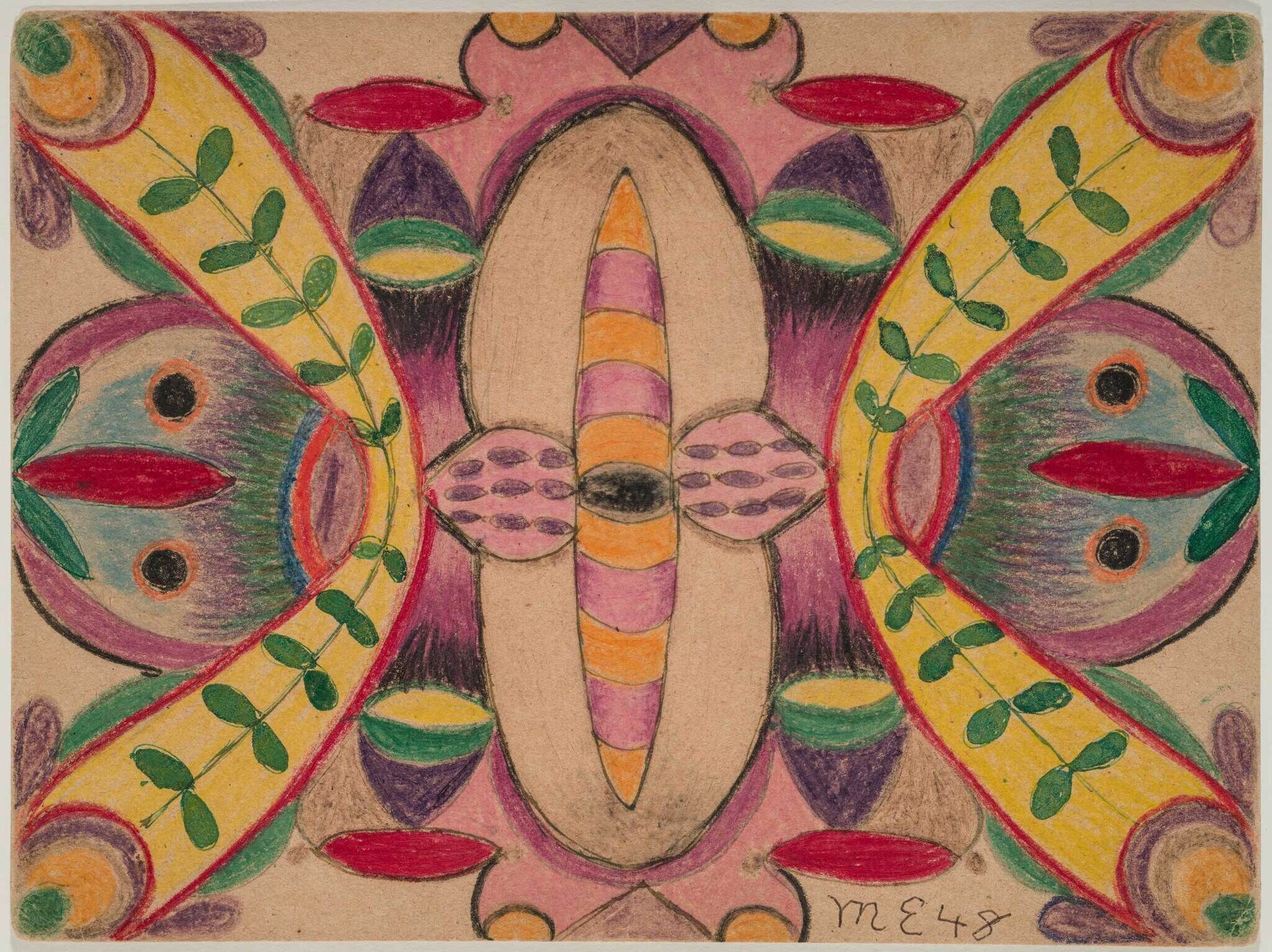
Inspirada por sueños vívidos y visiones, Minnie Evans (1892–1987) realizó su primer dibujo en 1935, luego de la muerte de su querida abuela. Durante las décadas siguientes, la artista creó cientos de radiantes dibujos con lápiz y crayón, pinturas al óleo y collages que combinaban elementos de su herencia afrocaribeña, mitología, religión, cultura popular, artes decorativas y el entorno natural de su ciudad natal Wilmington, en Carolina del Norte. Sus densas composiciones caleidoscópicas incluyen imágenes de ángeles, criaturas míticas, rostros atentos y patrones intrincados que sugieren armonía y trascendencia entre atisbos de una inquietud perturbadora. Evocativas y misteriosas a la vez, estas obras imaginan un reino espiritual protector que existió antes del gran diluvio bíblico, al que la artista se refiere como el "mundo revelado".
Hacia la década de 1960, el trabajo artístico de Evans comenzó a obtener reconocimiento a nivel nacional. Tras exponer en pequeñas galerías en Wilmington y Nueva York, Newsweek publicó un reportaje sobre ella en 1969. Poco después siguieron exhibiciones colectivas en museos, lo que condujo a una exposición individual en el Whitney en 1975. Más de cinco décadas después, esta retrospectiva ofrece una oportunidad para experimentar la fusión visionaria de lo cotidiano y lo divino que atraviesa la obra de Evans.
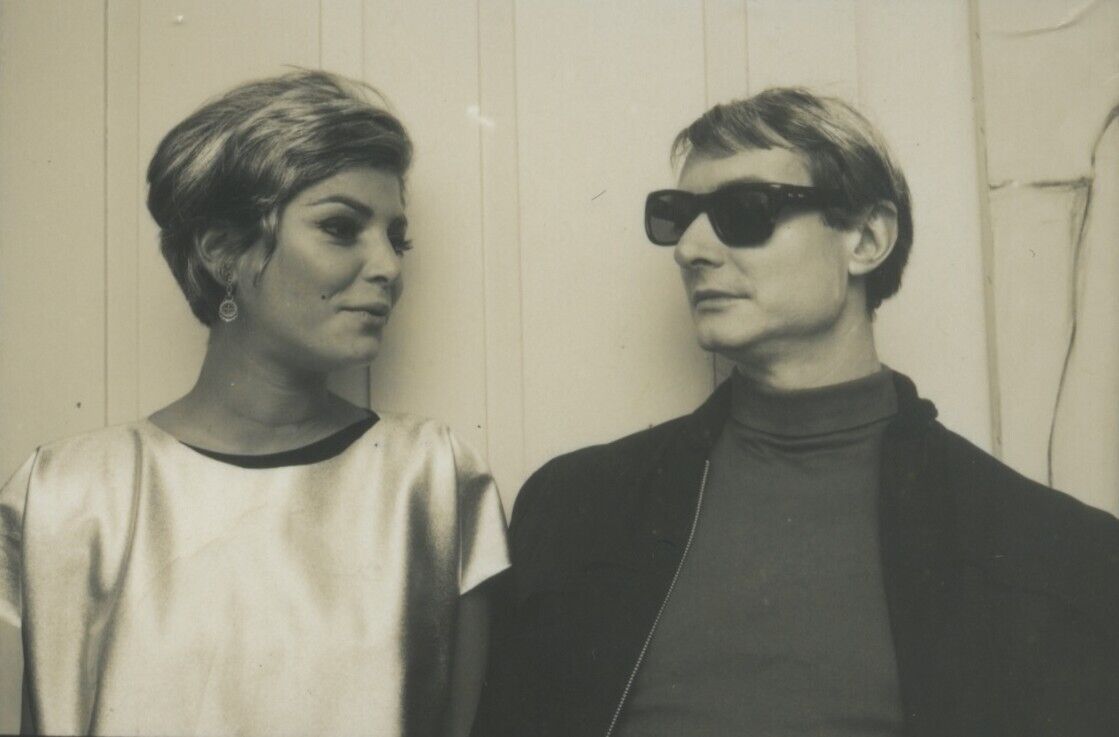
Installation photography
-
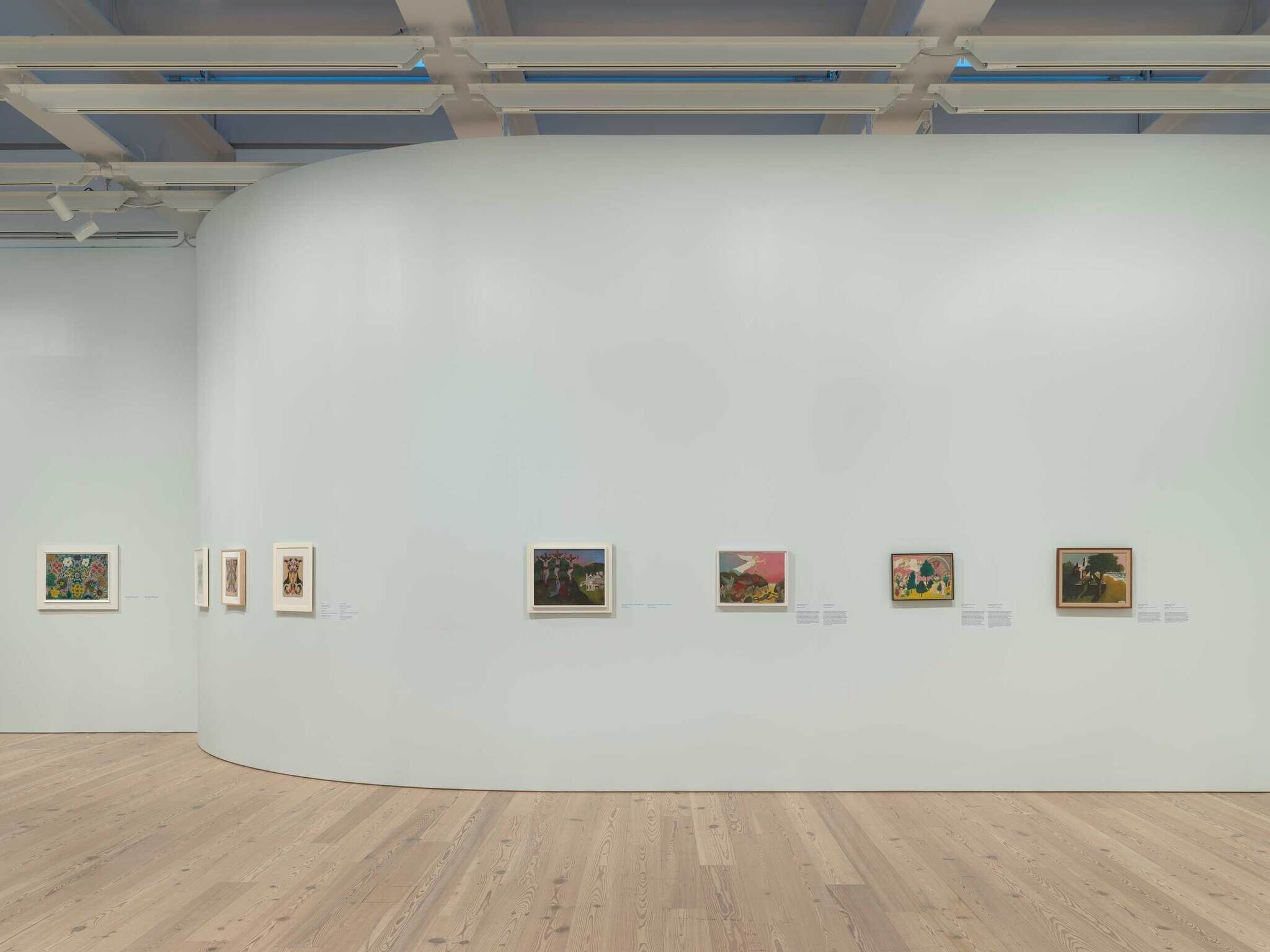
Installation view of The Lost World: The Art of Minnie Evans (Whitney Museum of American Art, New York, August 22, 2026–January 10, 2027). From left to right: Mordern [sic] Art from Queen of Sheba, 1965; Untitled (Butterfly Form), 1949; Untitled, 1948; Untitled (Black Insect Form), 1944; Untitled (Crucifixion with a Corner of Jerusalem), 1950; Voice of the Third Angel, 1963; A Dream, Prophets in the Air, 1959; Temple by the Sea, 1955. Photograph by Ron Amstutz
-
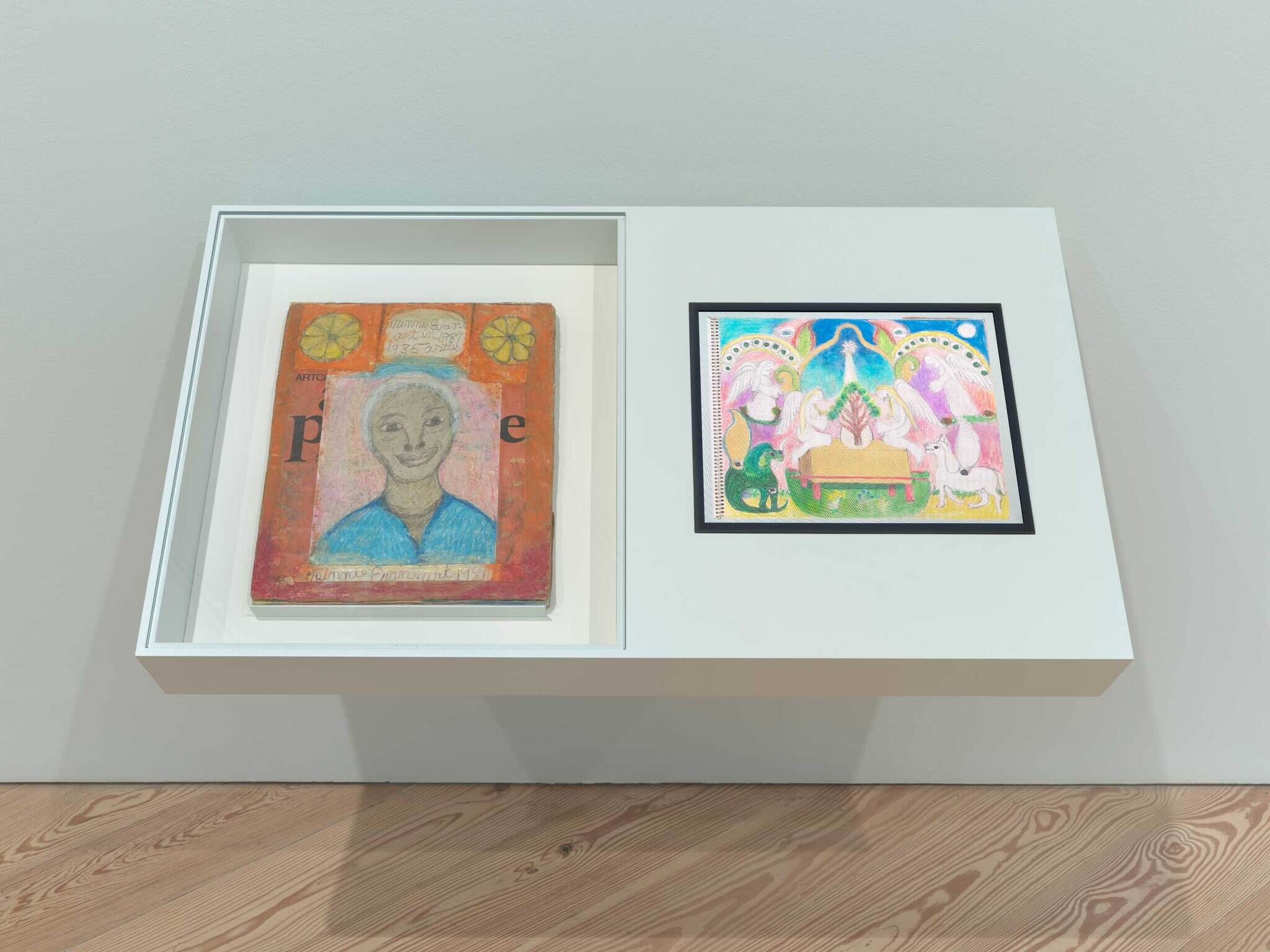
Installation view of The Lost World: The Art of Minnie Evans (Whitney Museum of American Art, New York, August 22, 2026–January 10, 2027). Minnie Evans Art 1981, 1981. Photograph by Ron Amstutz
-
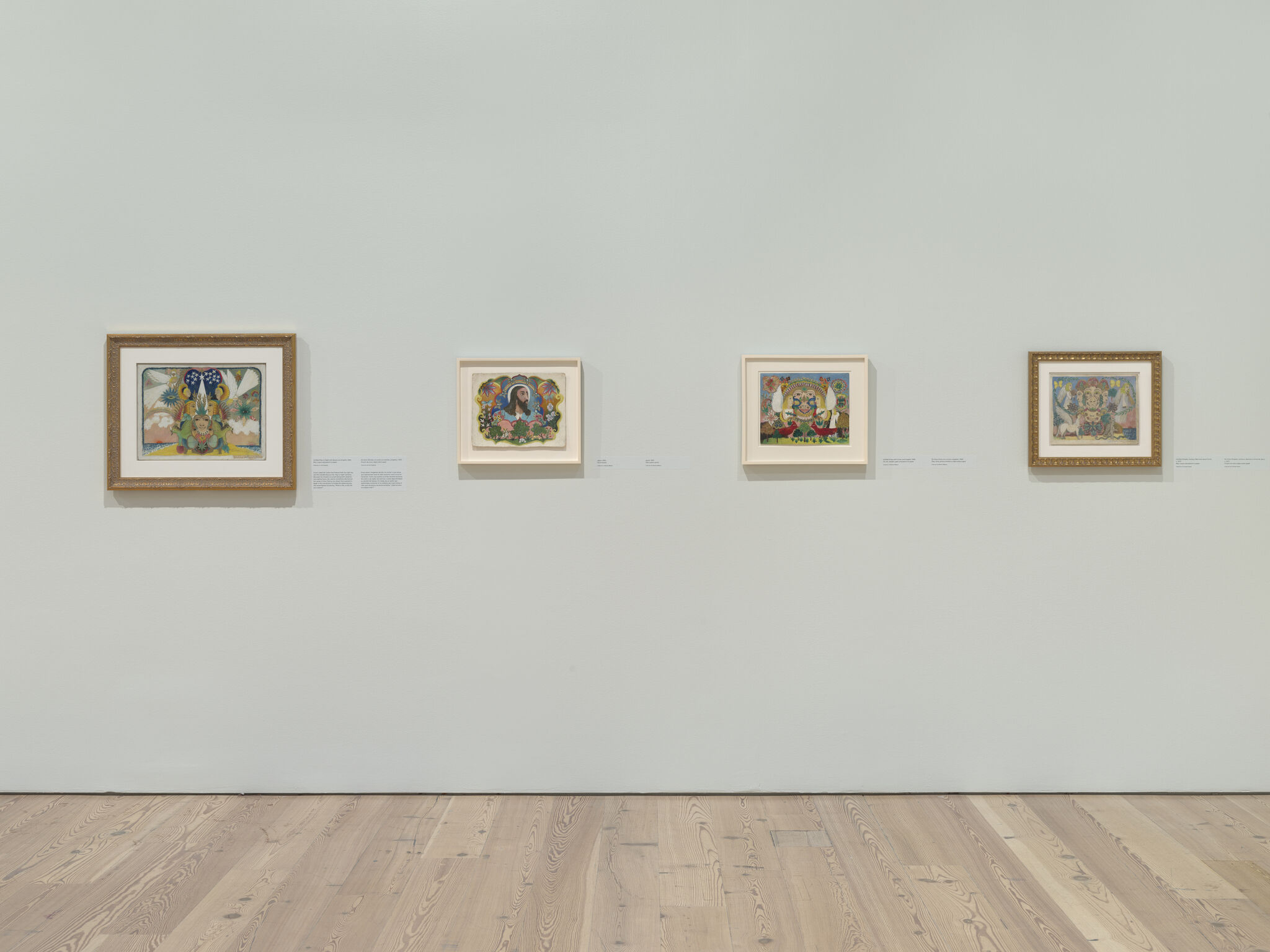
Installation view of The Lost World: The Art of Minnie Evans (Whitney Museum of American Art, New York, August 22, 2026–January 10, 2027). From left to right: Untitled (Day to Night with Beasts and Angels), 1966; Jesus, 1963; Untitled (Face with Crown and Angels), 1968; Untitled (Angels, Centaur, Devil, and Janus Form), c. 1970. Photograph by Ron Amstutz
-
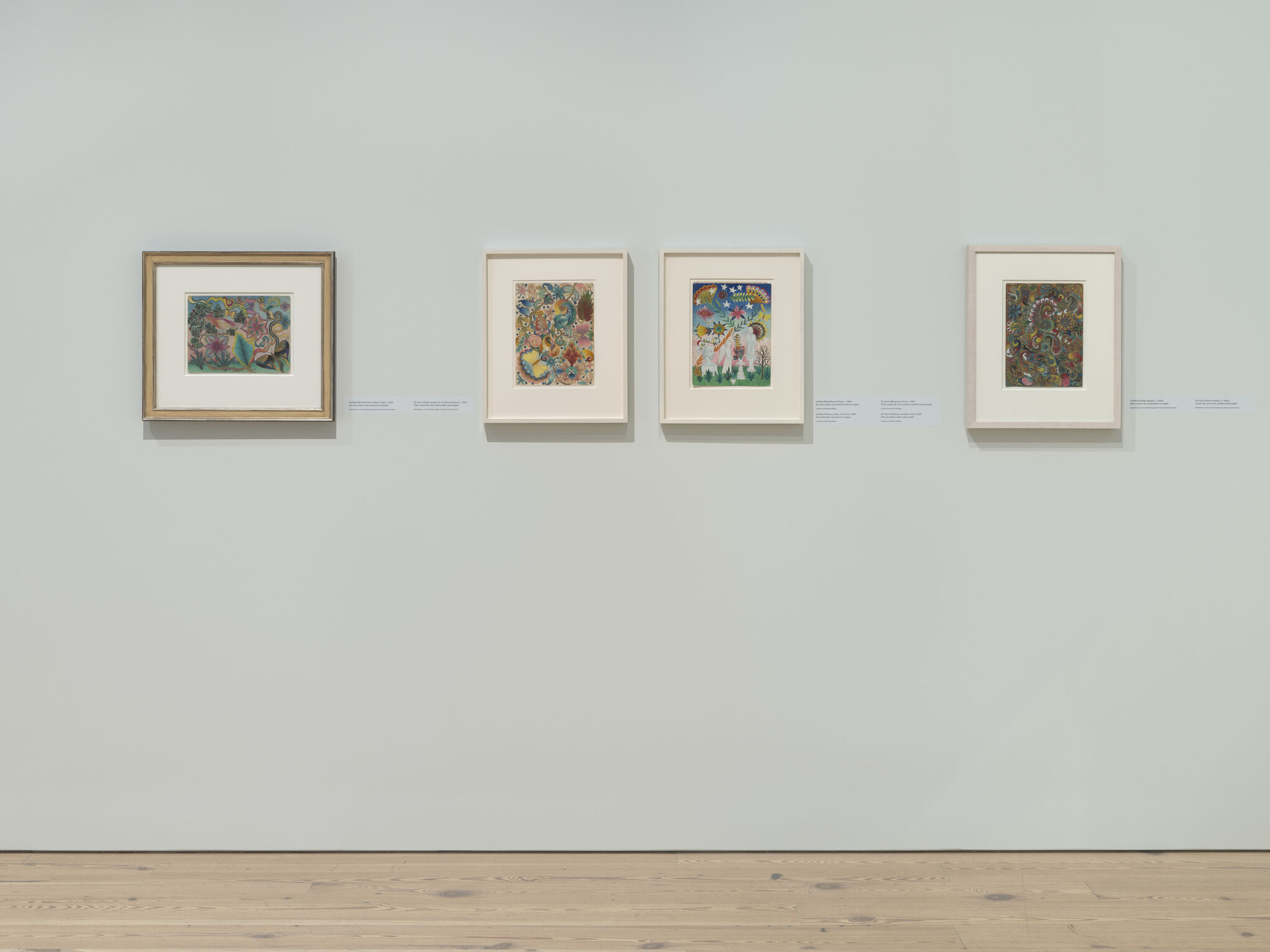
Installation view of The Lost World: The Art of Minnie Evans (Whitney Museum of American Art, New York, August 22, 2026–January 10, 2027). From left to right: Untitled (Bird Perched on Berry Tree), c. 1963; Untitled (Butterfly and Flora), c. 1966; Untitled (Statuary, Stars, and Flora), 1965; Untitled (Paisley Design), c. 1950s. Photograph by Ron Amstutz
-
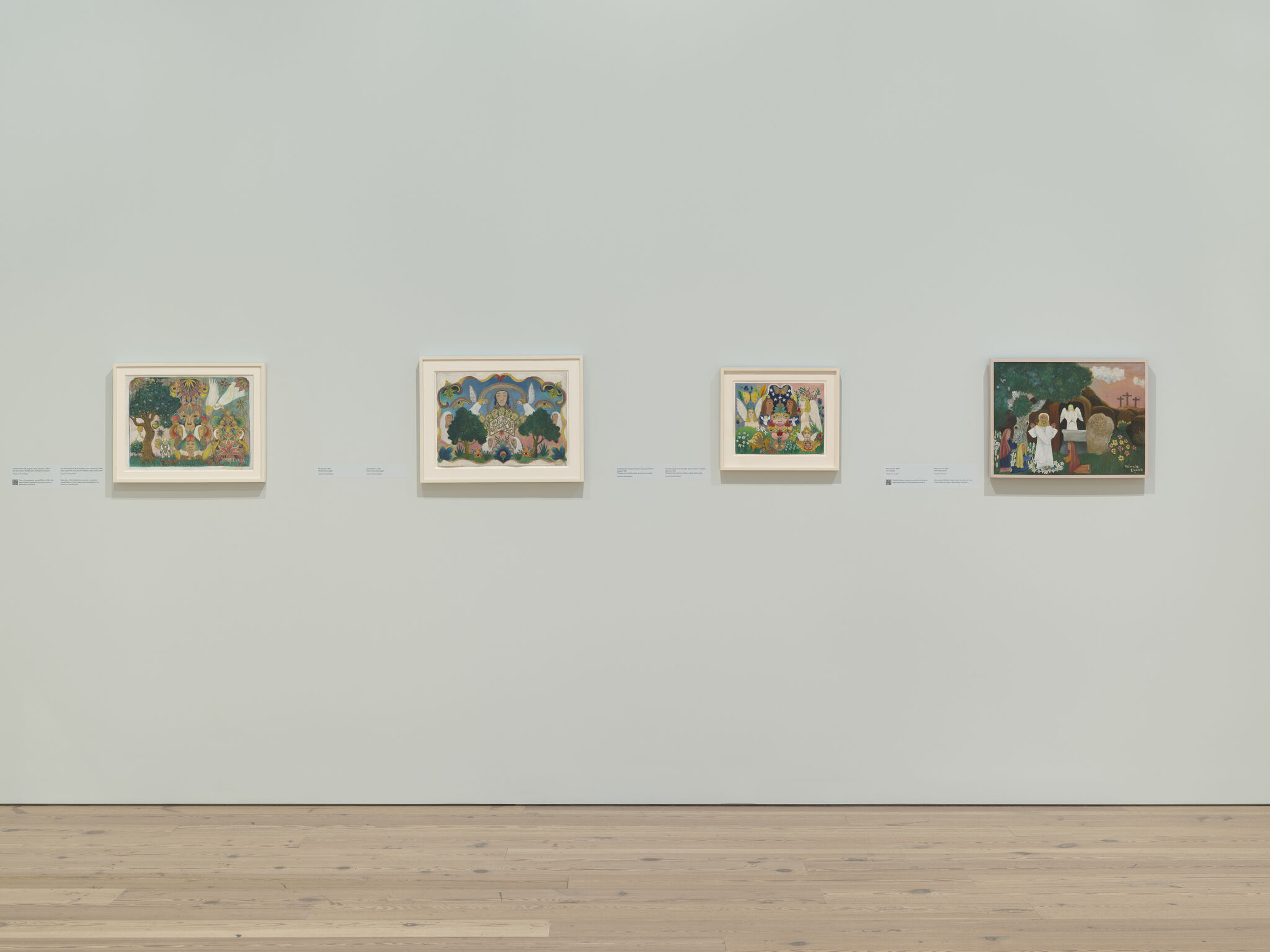
Installation view of The Lost World: The Art of Minnie Evans (Whitney Museum of American Art, New York, August 22, 2026–January 10, 2027). From left to right: Untitled (Airlie Oak, Angels, Faces, Serpents), 1966; Modern Art, 1963; Untitled (Face Flanked by Black Figures and White Angels), 1967; Resurrection, 1960. Photograph by Ron Amstutz
-
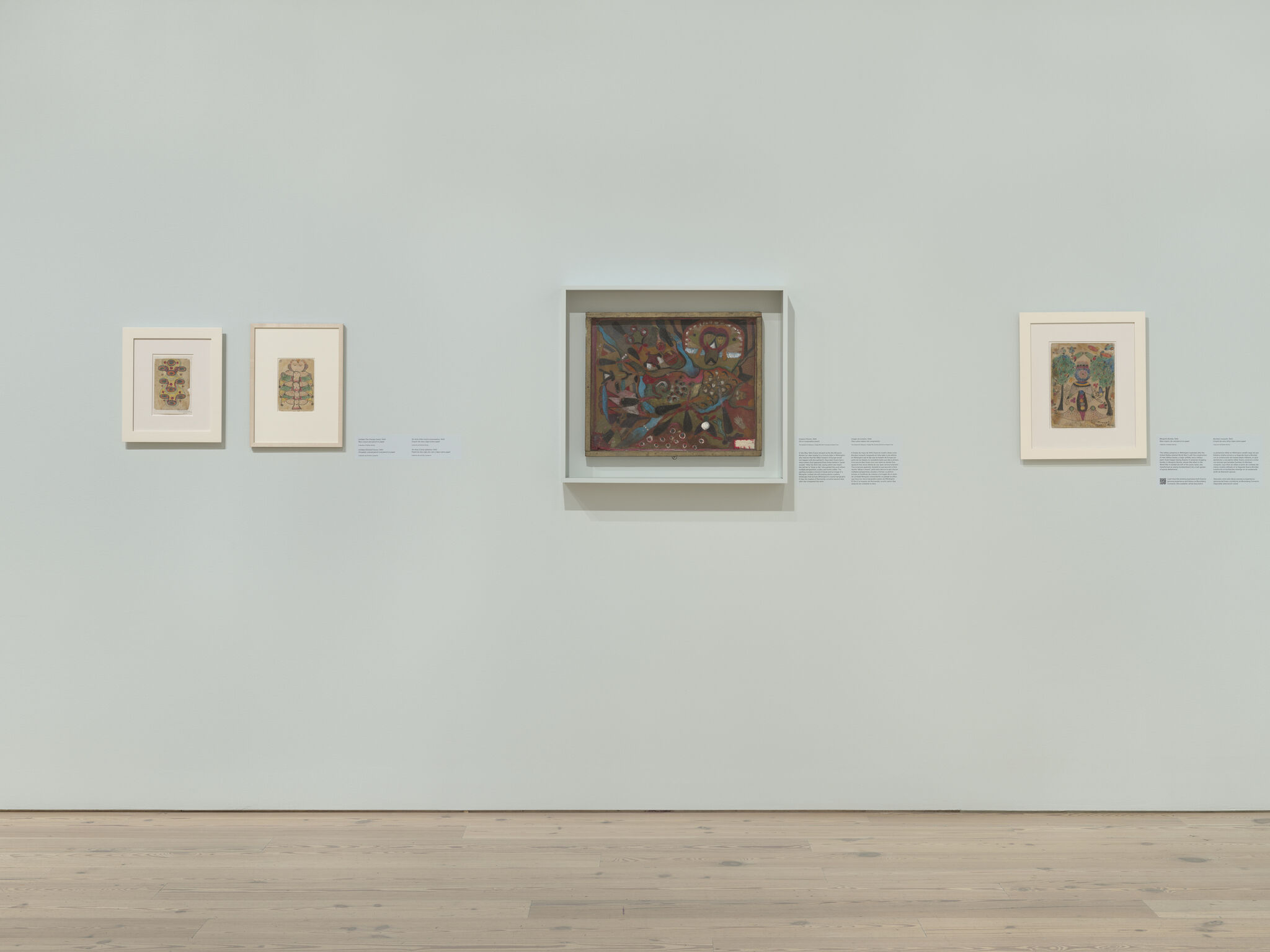
Installation view of The Lost World: The Art of Minnie Evans (Whitney Museum of American Art, New York, August 22, 2026–January 10, 2027). From left to right: Untitled (Ten Orange Ovals), 1943; Untitled (Stacked Faces), 1943; Invasion Picture, 1944; Mosquito Bombs, 1943. Photograph by Ron Amstutz
-
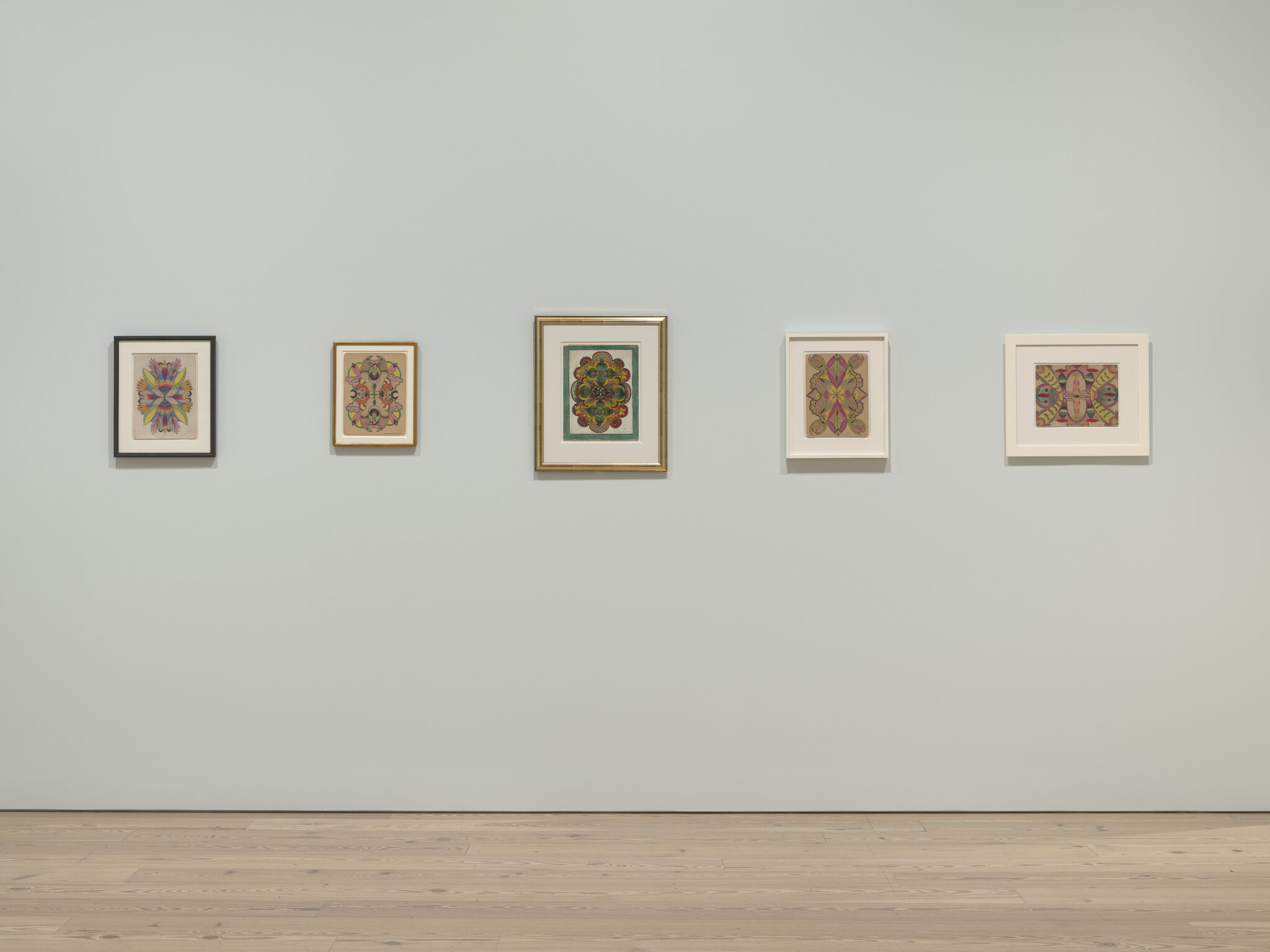
Installation view of The Lost World: The Art of Minnie Evans (Whitney Museum of American Art, New York, August 22, 2026–January 10, 2027). From left to right: Untitled (Turnaround Picture with Feathered Forms), c. 1940s–50s; Untitled (Turnaround Picture with Pincher Forms), 1946; Untitled (Butterfly Design with Green Border), c. 1960; Untitled (Turnaround Picture with Eye Pendants), 1946; Untitled (Turnaround Picture with Floral Forms), 1948. Photograph by Ron Amstutz
-
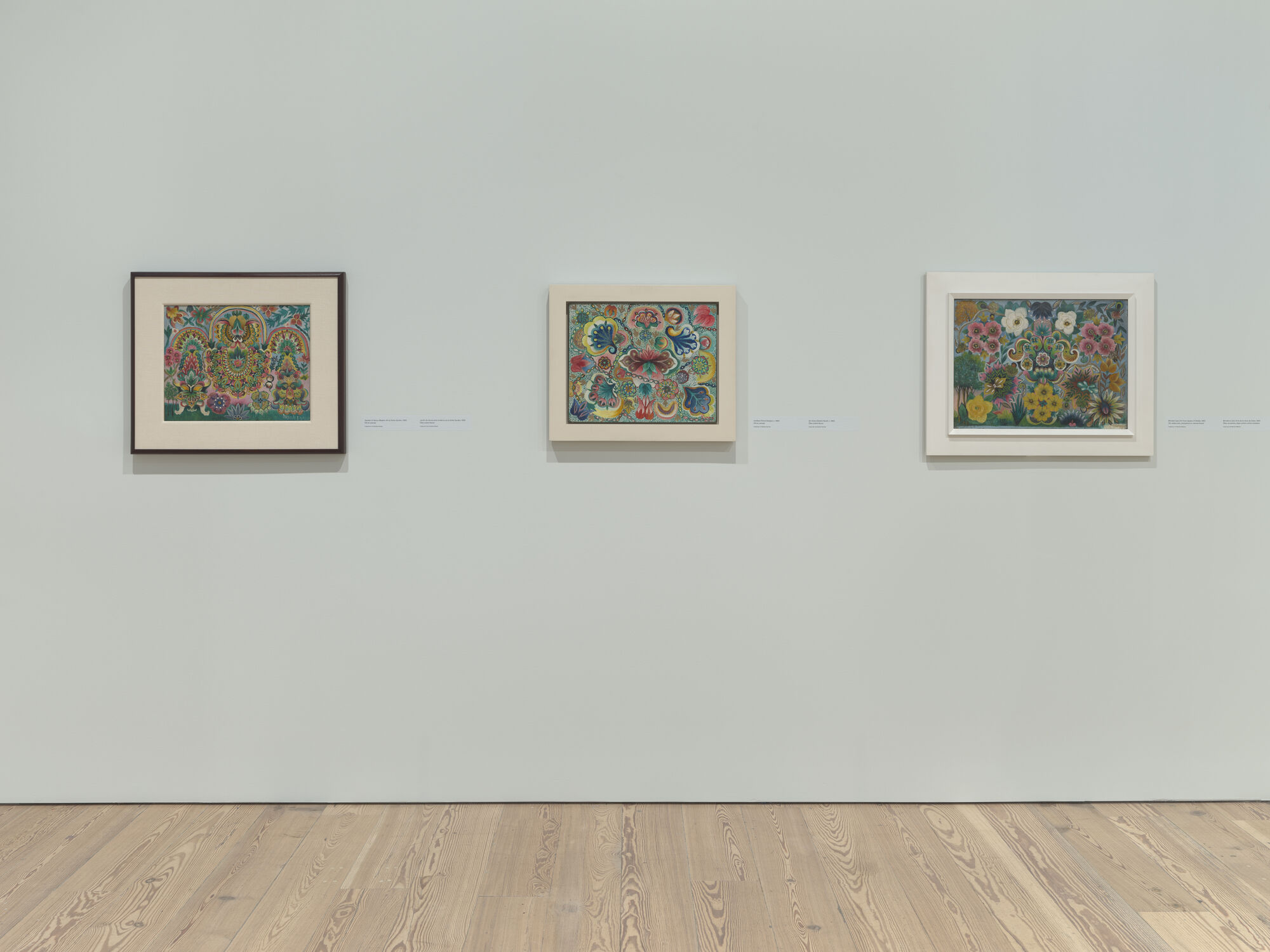
Installation view of The Lost World: The Art of Minnie Evans (Whitney Museum of American Art, New York, August 22, 2026–January 10, 2027). From left to right: Garden of Venus Modern Art at Airlie Garden, 1965; Untitled (Floral Design), c. 1965; Mordern [sic] Art from Queen of Sheba, 1965. Photograph by Ron Amstutz
-
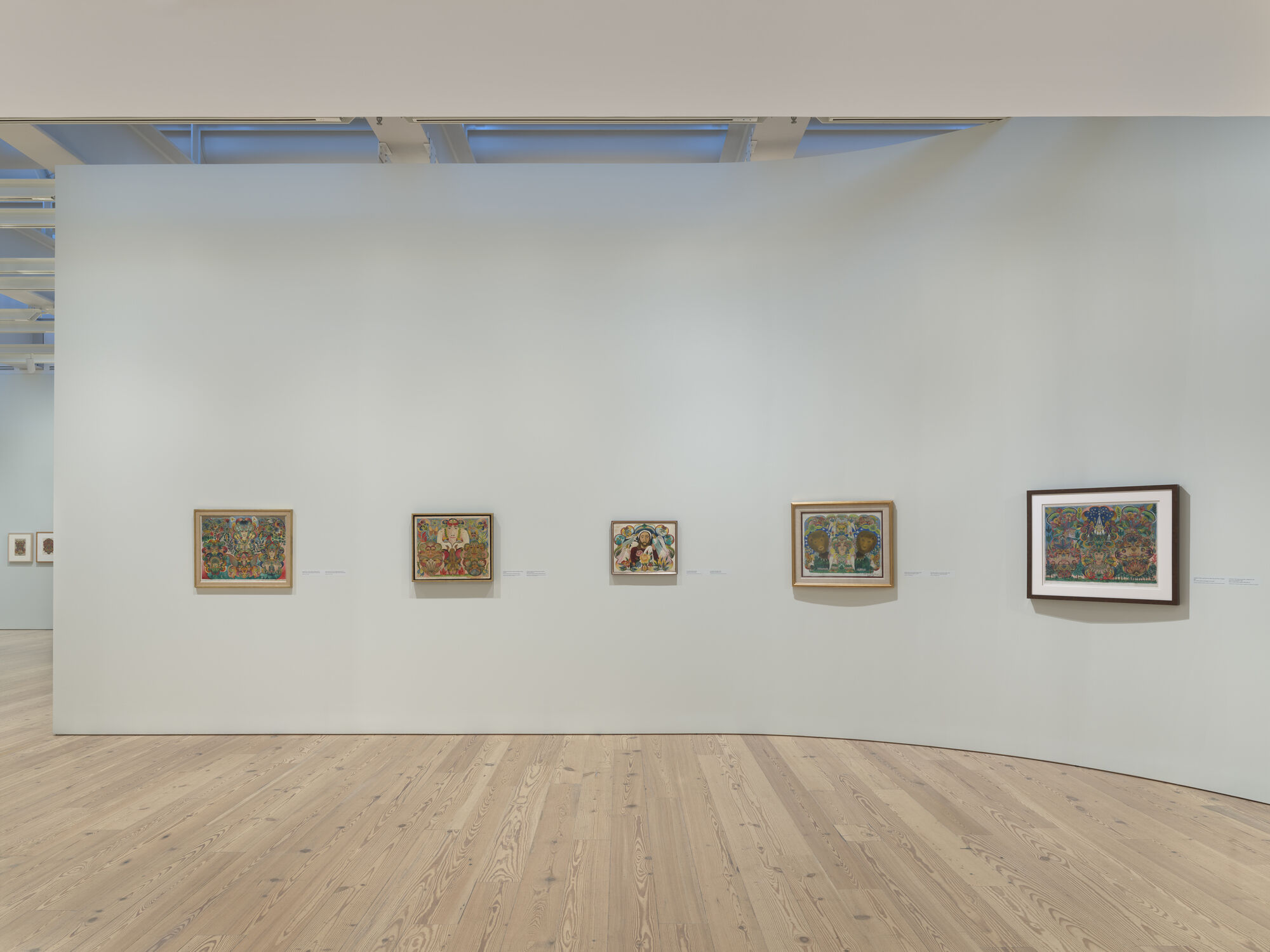
Installation view of The Lost World: The Art of Minnie Evans (Whitney Museum of American Art, New York, August 22, 2026–January 10, 2027). From left to right: Untitled (Face, Flowers, Foliage Collage), 1946–67; Untitled (Face Flanked by Angels and Mandalas Collage), 1946–68; The Ministering Angels, 1963; Untitled (The Lions of Judah Collage), 1968; Untitled (Three Large Figures, Night Sky and Stars Collage), 1967. Photograph by Ron Amstutz
-
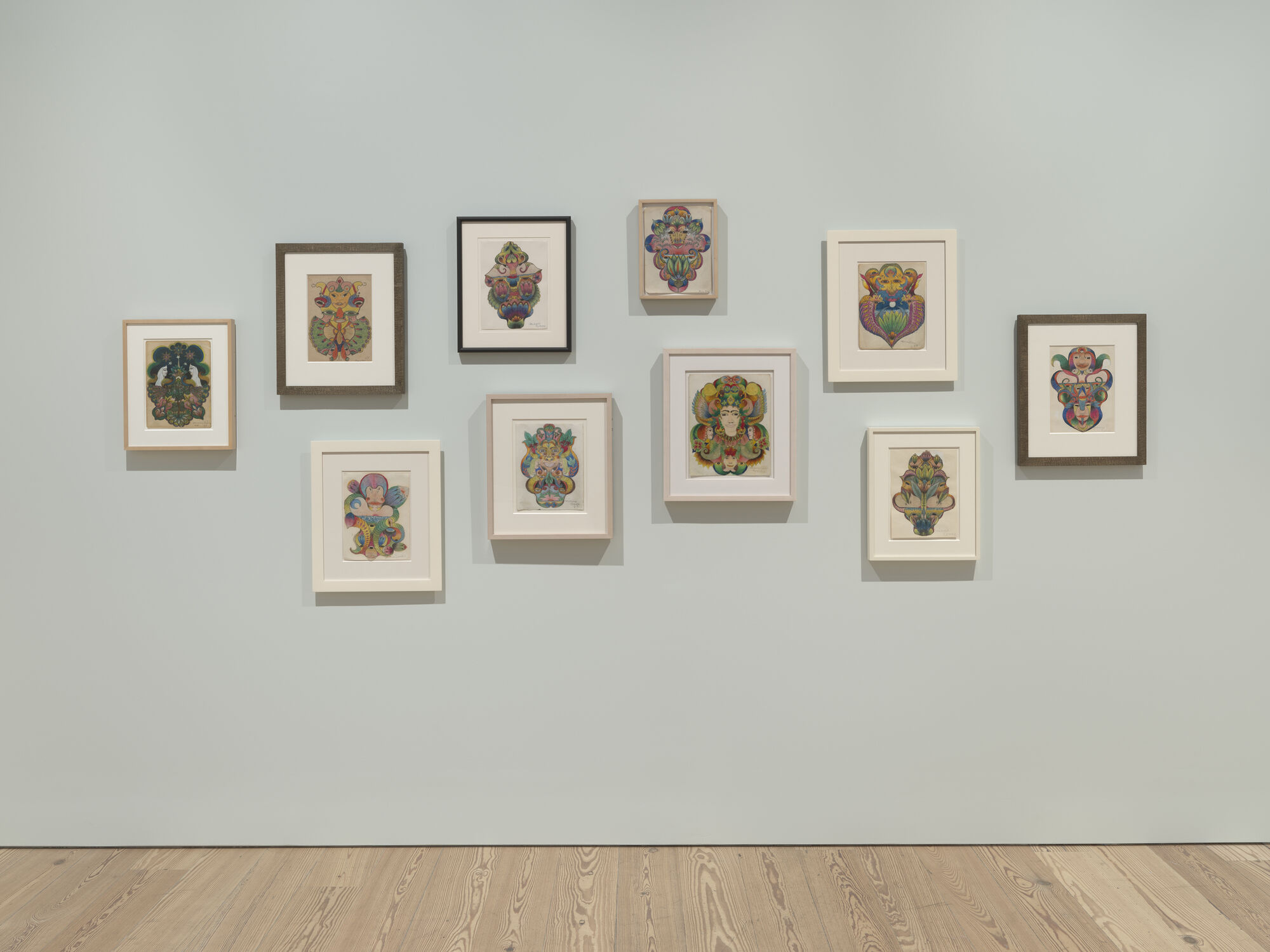
Installation view of The Lost World: The Art of Minnie Evans (Whitney Museum of American Art, New York, August 22, 2026–January 10, 2027). From left to right: Untitled, 1962; Untitled (Jester and Winged Form), 1951; Untitled (Asymmetrical Composition), c. 1950s; Untitled (Stacked Faces with Horizon and Tulip Cheeks), c. 1950; Untitled (Three Faces Surmounting Landscape), 1969; Untitled (Floral Sunset Figure), 1965; Untitled (Tropical-Colored Form), 1966; Untitled (Red Lips on Moon), 1959; Untitled (Bull’s Head with Sunset and Eyes), c. 1960; Untitled (Faces Stacked with Sunrise), c. 1950. Photograph by Ron Amstutz
-
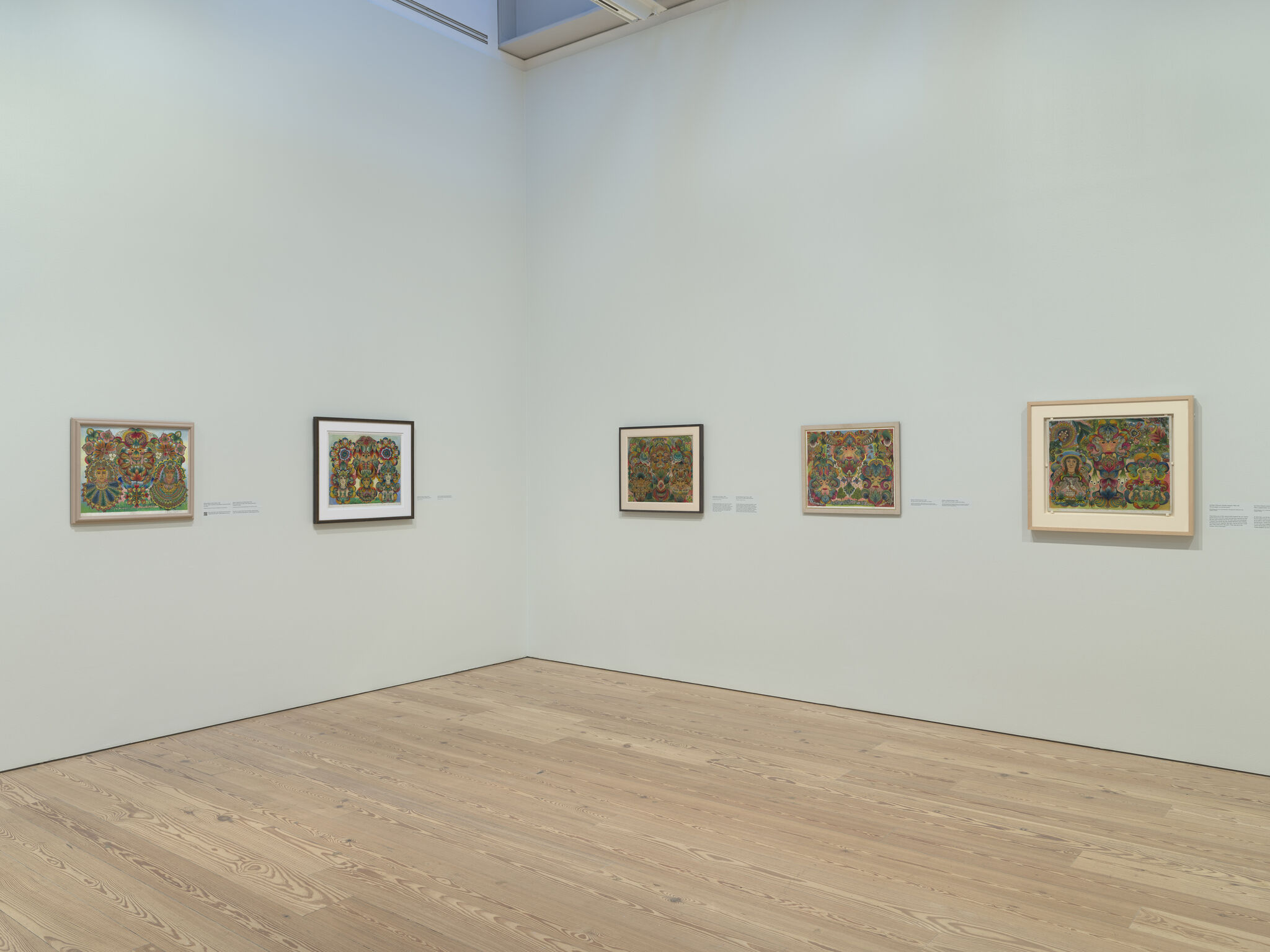
Installation view of The Lost World: The Art of Minnie Evans (Whitney Museum of American Art, New York, August 22, 2026–January 10, 2027). From left to right: Design Made at Airlie Gardens, 1967; Untitled (Four Figures Collage), 1961–67; Untitled (Green Leaf Collage), c. 1966; Designs, Wrightsville Beach, 1968; Untitled (Visionary Garden Design), 1960–68. Photograph by Ron Amstutz